If you’ve ever struggled with keeping papers or materials neatly together, brass fasteners might be the simple solution you didn’t know you needed. These small, shiny tools are more than just office supplies—they offer a secure, reusable way to bind items without damage.
You’ll discover exactly how to use brass fasteners effectively, saving you time and frustration. By the end, you’ll feel confident handling projects that require a neat, reliable hold. Ready to unlock the secret to hassle-free fastening? Let’s dive in!
Choosing The Right Brass Fasteners
Choosing the right brass fasteners is important for a strong and lasting hold. Brass fasteners come in many types and sizes. Picking the best one depends on your project needs. Consider the material, size, and strength for the best results.
Types Of Brass Fasteners
Brass fasteners include screws, bolts, rivets, and split pins. Screws are common for wood and metal. Bolts need nuts to secure parts tightly. Rivets join materials permanently. Split pins hold parts in place but allow some movement. Choose the type that fits your project design and use.
Selecting Based On Project Needs
Think about where you will use the fastener. For outdoor projects, brass resists rust well. For light crafts, small screws or pins work best. For heavy items, use stronger bolts or rivets. Match the fastener to the material type, like wood, metal, or plastic. This ensures a secure fit and long life.
Size And Strength Considerations
Size matters for both fit and strength. Choose the right length to avoid damage. Too short, it won’t hold well. Too long, it may poke through. Check the thickness of materials you join. Strength depends on thickness and diameter of the fastener. Bigger sizes hold more weight. Small sizes work for delicate tasks.

Credit: www.youtube.com
Tools Needed For Brass Fasteners
Using brass fasteners requires the right tools. Proper tools make your work easier and neater. This section covers the tools needed for brass fasteners. Learn about hand tools, power tools, and safety gear.
Essential Hand Tools
Start with a good pair of scissors or a craft knife. They help cut paper or thin materials accurately. A ruler or measuring tape ensures correct placement. A pencil or fine-tip marker marks holes precisely. Use a small hole punch or an awl to create holes. Finally, a flathead screwdriver or your fingers can bend the fastener arms.
Power Tools Compatibility
Power drills can speed up hole making. Choose a drill bit size matching the fastener’s prong width. Avoid large bits that may damage materials. A rotary tool can work well for detailed cuts. Use low speed to prevent melting or tearing. Power tools are optional but useful for thick materials.
Safety Gear Recommendations
Wear safety glasses to protect your eyes from flying debris. Use gloves to avoid cuts from sharp edges. Work in a clean, well-lit area to prevent accidents. Keep your workspace organized to avoid tool mishaps. Always handle tools with care and focus on your task.
Preparing Materials For Fastening
Preparing materials before using brass fasteners is important. It helps ensure a strong and neat connection. Careful preparation makes the fastening process easier and more effective. This section explains the key steps to prepare your materials properly.
Surface Cleaning And Preparation
Start by cleaning the surfaces you want to fasten. Remove dirt, dust, and grease. Use a soft cloth or brush for this. Clean surfaces help the fastener hold better. Dry the area completely before moving on.
Marking Fastener Positions
Next, mark where each brass fastener will go. Use a pencil or a fine marker. Make small, clear dots or lines. Accurate marks help keep the fasteners straight and even. This step saves time and prevents mistakes.
Drilling Pilot Holes
Drill small pilot holes at the marked spots. Use a drill bit slightly smaller than the fastener’s shaft. Pilot holes guide the fasteners and prevent splitting the material. Drill slowly and carefully for best results.
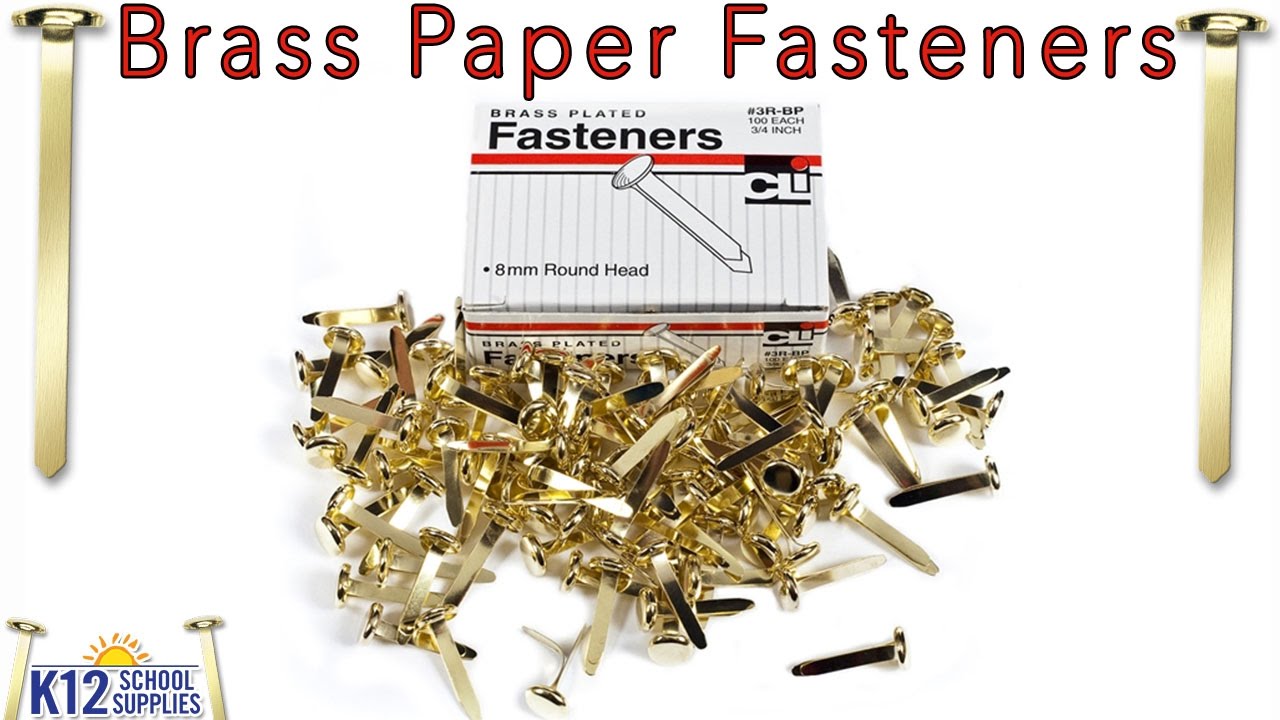
Credit: www.youtube.com
Step-by-step Fastening Process
The step-by-step fastening process with brass fasteners is simple and clear. Following this guide helps you join papers or materials neatly and securely. Each step ensures the fastener holds well without damaging the items.
Inserting Brass Fasteners
Start by aligning the holes on the papers or materials. Push the prongs of the brass fastener through these holes. Make sure the prongs pass completely through all layers. The round head should sit on top of the material.
Securing And Tightening
Open the prongs of the fastener wide on the other side. Spread them flat against the back surface. Press firmly to make the fastener tight. This keeps the materials from moving or falling apart.
Avoiding Common Mistakes
Do not force the fastener through too thick materials. Avoid bending the prongs before inserting. Check the holes match the size of the fastener. Tighten prongs evenly to prevent tearing or loosening.
Maintaining And Removing Brass Fasteners
Brass fasteners are durable and attractive. Keeping them clean helps maintain their shine and function. Removing them carefully prevents damage to the fastener and the material. Proper care extends their life and usability.
Cleaning And Polishing Tips
Use a soft cloth to wipe dirt and dust off brass fasteners. For deeper cleaning, use mild soap and warm water. Avoid harsh chemicals that can damage the brass. Dry the fasteners completely to stop water spots. Polish with a brass cleaner or a mix of lemon juice and baking soda. Rub gently to bring back the shine. Buff with a soft cloth for a bright finish.
Safe Removal Techniques
Use the right tool, like a flathead screwdriver or pliers. Gently pry the fastener to avoid bending or breaking it. Work slowly to loosen the fastener without harming the paper or material. Support the surface around the fastener to prevent tears. If the fastener is stuck, try tapping it lightly to loosen. Always remove fasteners straight to keep their shape.
Reusing Fasteners Effectively
Check fasteners for damage before reusing them. Straighten bent prongs carefully with pliers. Clean old fasteners to remove rust or dirt. Use fasteners in projects that match their size and style. Store unused fasteners in a dry place to prevent corrosion. Reusing saves money and reduces waste. Keep fasteners organized for easy access.

Credit: dreamdaikou.com
Creative Uses For Brass Fasteners
Brass fasteners are small but versatile tools. They can do much more than just hold papers together. Their shiny, golden look adds charm to many projects. Using brass fasteners creatively can make your crafts stand out. They also work well for repairs and decorations.
Craft And Diy Projects
Brass fasteners can join paper pieces in scrapbooks or cards. They let parts move, like wheels or flaps, adding fun to crafts. Use them to attach tags or labels securely. They fit well in school projects and homemade gifts. Brass fasteners give a neat, polished look to your work.
Decorative Applications
Brass fasteners serve as decorative accents on furniture or boxes. They add a vintage or rustic touch to home decor. Use them to create patterns on wood or fabric surfaces. These fasteners brighten up plain items with their warm shine. They can replace plain nails or screws for a stylish finish.
Repair And Restoration Ideas
Brass fasteners help fix torn book pages without damage. They secure loose parts in old toys or furniture gently. Use them to replace broken pins in clocks or instruments. Brass resists rust, making it ideal for long-lasting repairs. These fasteners restore items while keeping their original look.
Frequently Asked Questions
What Are Brass Fasteners Used For?
Brass fasteners secure papers, fabrics, and light materials. They are ideal for crafts and office tasks. Their corrosion resistance makes them durable and reliable.
How Do You Insert Brass Fasteners Correctly?
Poke holes through materials first. Insert the fastener’s prongs through holes. Spread prongs flat on the back to secure firmly.
Can Brass Fasteners Hold Heavy Materials?
Brass fasteners work best with lightweight materials. Heavy items may require stronger fasteners like screws or rivets. Use brass fasteners for papers and thin fabrics.
Are Brass Fasteners Reusable?
Yes, brass fasteners can be reused multiple times. Carefully straighten prongs before removal. This prevents damage and ensures easy reinsertion.
Conclusion
Brass fasteners offer a simple way to join papers or materials. They are easy to use and hold items securely. Choose the right size and type for your project. Insert the fastener, bend the legs, and press them flat. This tool saves time and keeps things organized.
Practice a few times to feel confident. Using brass fasteners makes your work neat and tidy. Try them in school, office, or craft projects. Small steps lead to great results. Give brass fasteners a try today!