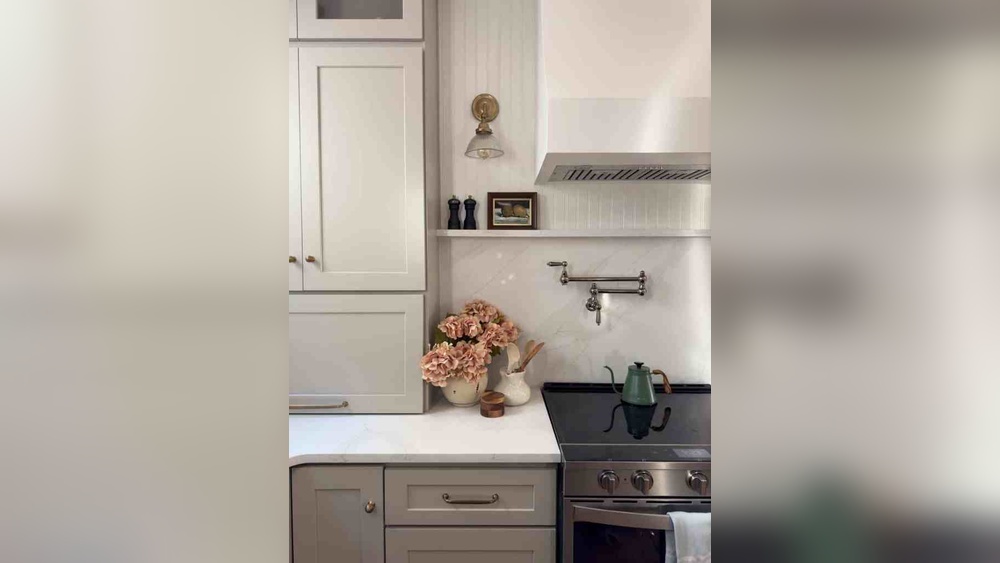
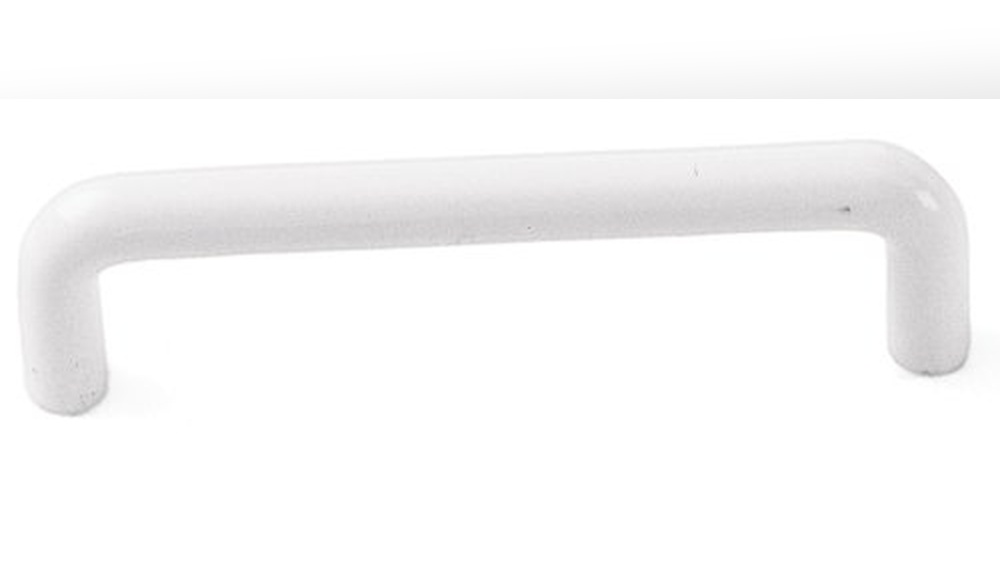
Are you wondering how to mix cabinet hardware from different manufacturers without your kitchen looking mismatched? You’re not alone.
Choosing handles and knobs from multiple brands can feel tricky, but it doesn’t have to be. With a few simple tips, you can create a stylish, cohesive look that reflects your personal taste. Keep reading to discover easy ways to combine different styles, finishes, and sizes so your cabinets look polished and put together.
Your dream kitchen hardware is closer than you think!
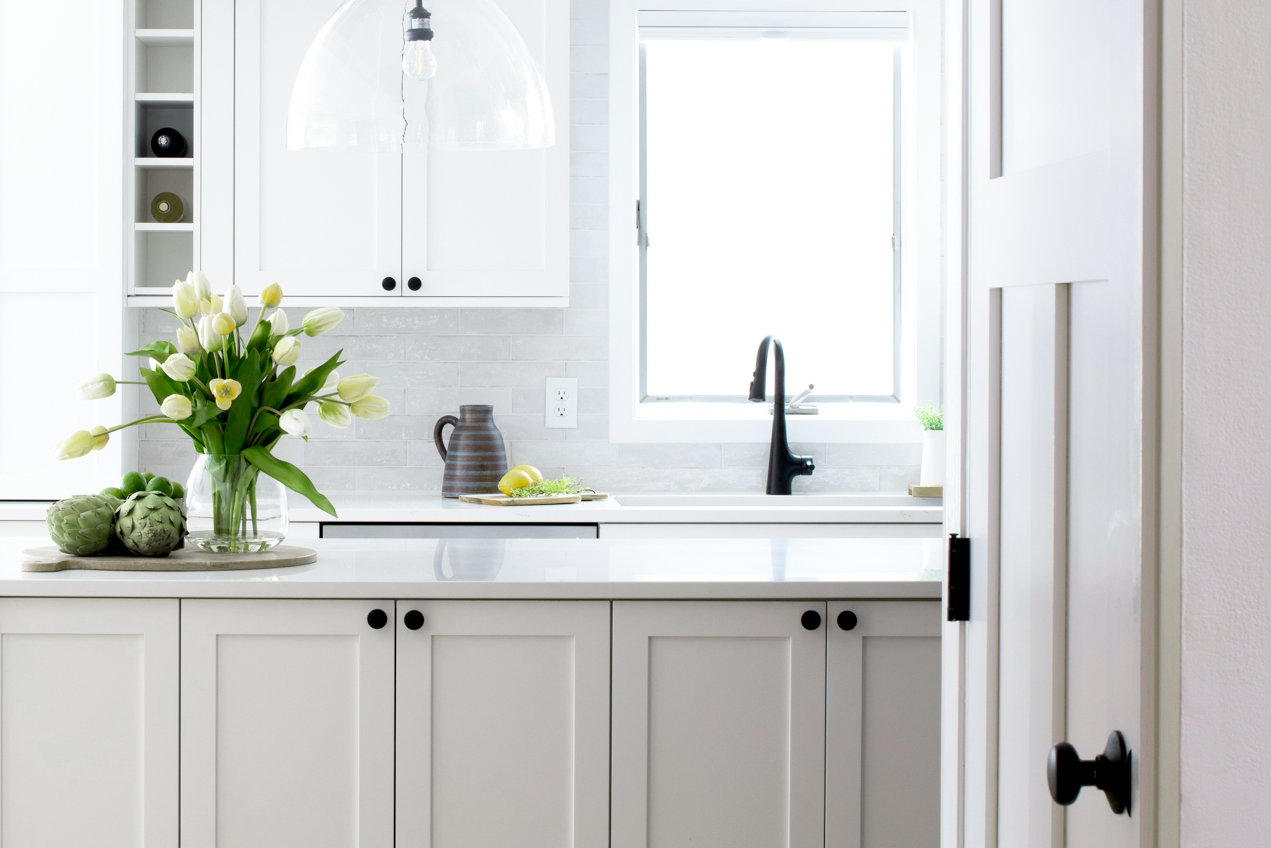
Credit: decorcabinets.com
Choosing Compatible Styles
Choosing compatible styles is key when mixing cabinet hardware from different makers. It helps create a balanced look without clashing pieces. Focus on style harmony to make your cabinets look planned and neat. This way, your kitchen or bathroom feels fresh and inviting.
Matching Finishes
Start by selecting hardware with similar finishes. Brushed nickel pairs well with stainless steel. Oil-rubbed bronze matches dark metals nicely. Keep finishes close in tone to avoid a messy look. Mixing shiny and matte can work if done with care.
Balancing Design Themes
Pick hardware that fits your room’s overall style. Rustic knobs suit farmhouse kitchens. Sleek pulls fit modern spaces. Combine pieces that share basic shapes or lines. This balance keeps the design from feeling too busy or random.
Mixing Modern And Traditional
Blending modern and traditional hardware can add interest. Choose simple shapes with classic finishes. For example, use a modern pull with a traditional knob. This mix creates a unique style that feels fresh but familiar.
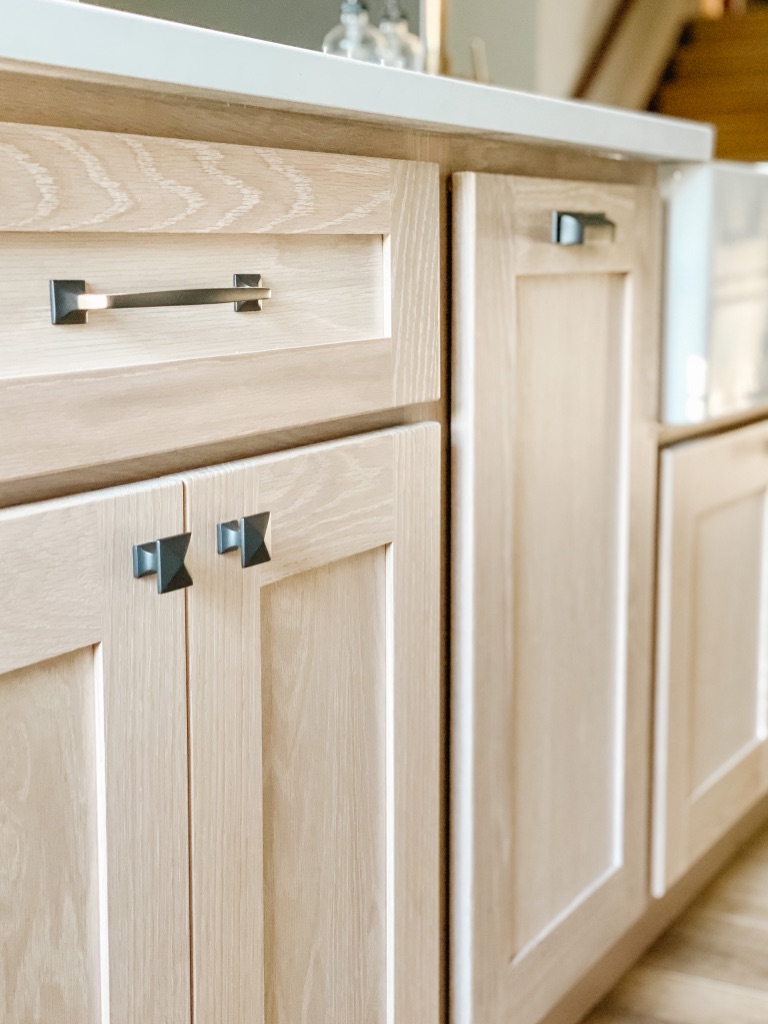
Credit: sprucingupmamahood.com
Measuring For Proper Fit
Measuring for proper fit is a key step when mixing cabinet hardware from different makers. Accurate measurements ensure that handles and knobs fit perfectly. This avoids damage to the cabinet and saves time. Taking precise measurements helps you match new hardware with old holes or plan new placements.
Standard Hole Spacing
Most cabinet handles use standard hole spacing. The common sizes are 3 inches, 3.75 inches, and 4 inches. Knowing this helps you find handles that fit existing holes. Measure the distance between the centers of the screw holes. Use a ruler or tape measure for accuracy. This simple step prevents drilling new holes unnecessarily.
Using Templates
Templates make measuring and marking easy. Many hardware brands provide paper or plastic templates. Place the template on the cabinet door or drawer front. Align it carefully with the edge or center. Mark the screw hole spots clearly with a pencil. Templates help keep all handles aligned and neat.
Adjusting For Variations
Not all hardware fits the same way. Some brands have unique hole patterns or sizes. Measure each piece carefully before installation. Use filler plugs or wood putty to cover old holes if needed. Drill new holes only after confirming the correct placement. Small adjustments make your cabinets look professional and clean.
Selecting Quality Materials
Selecting quality materials is key to mixing cabinet hardware from different manufacturers. Good materials ensure your hardware lasts long and works well together. It also keeps your cabinets looking neat and stylish.
Focus on the types of materials used. This helps avoid problems like rust or quick damage. Knowing the material details helps you match pieces better.
Durability Factors
Choose hardware made from strong materials like stainless steel or brass. These last longer and resist rust. Soft metals like aluminum may wear out fast. Check for coatings that protect against scratches and moisture. Durable materials keep your cabinets functional and attractive for years.
Material Combinations
Mix metals with care. Pairing similar finishes creates a balanced look. For example, combine brushed nickel with stainless steel. Avoid mixing shiny chrome with dull bronze. Matching materials prevents visual clashes and keeps designs smooth. Think about color, texture, and shine when combining hardware.
Avoiding Wear Mismatches
Hardware pieces age at different rates. Combining hard and soft materials causes uneven wear. Softer metals scratch or tarnish faster. This creates an unbalanced appearance over time. Use hardware with similar wear properties. This keeps all parts looking fresh and unified longer.
Coordinating Hardware Sizes
Coordinating hardware sizes is key to a balanced kitchen look. Mixing cabinet hardware from different makers needs careful size matching. Small differences can change the style and feel of your cabinets. Size coordination keeps the design clean and pleasant to the eye.
Knob Vs. Pull Dimensions
Knobs are small and round or square. Pulls are longer and fit across fingers. Measure the diameter of knobs and the length of pulls. Choose knobs and pulls that feel right together. Avoid knobs that look too big or pulls that seem too small.
Proportions For Cabinet Doors
Door size matters when picking hardware size. Large doors need bigger knobs or longer pulls. Small doors look best with smaller hardware. Match hardware size to door width and height. This keeps the cabinet design balanced and neat.
Consistency In Scale
Keep hardware scale consistent across cabinets. Mixing very large pulls with tiny knobs looks odd. Use similar-sized hardware even if styles differ. This creates a smooth and unified look. Consistency in scale helps all parts work well together.
Planning Installation Steps
Planning the installation steps is key for mixing cabinet hardware from different makers. It helps avoid mistakes and keeps the process smooth. Each step builds on the last, so a clear plan saves time and effort. This section covers the main stages you need to focus on before and during installation.
Organizing Tools And Supplies
Gather all tools and materials before starting. You will need a drill, screwdriver, measuring tape, pencil, and hardware pieces. Keep screws and small parts in containers to avoid losing them. Organize by type and size for easy access. This reduces interruptions and keeps your workspace neat.
Marking And Drilling
Measure and mark carefully where each piece will go. Use a pencil to mark screw holes on the cabinet. Double-check measurements for alignment and spacing. Drill holes slowly to avoid splitting the wood. Correct placement ensures the hardware fits well and looks balanced.
Securing Hardware Properly
Attach hardware firmly but do not overtighten screws. Tight screws can damage the cabinet or hardware. Use the right screwdriver head to avoid stripping screws. Check each piece after installation to ensure it is secure. Proper fastening keeps your hardware safe and functional.
Troubleshooting Common Issues
Mixing cabinet hardware from different manufacturers can cause some common problems. These issues can affect the look and function of your cabinets. Fixing them quickly keeps your cabinets looking great and working well.
Fixing Alignment Problems
Hardware from different brands might not line up perfectly. Check the holes before installation. Use a level to keep handles straight. Adjust screws little by little for better fit. If holes don’t match, drill new ones carefully. Use filler to cover old holes. This keeps your cabinets neat and tidy.
Handling Loose Fixtures
Loose handles or knobs make cabinets hard to use. Tighten screws with the right screwdriver. If screws won’t hold, try longer or thicker ones. Add small washers to fill space and secure hardware. Use thread locker glue for extra hold. These steps stop hardware from wobbling.
Dealing With Finish Mismatches
Hardware finishes can look different even if styles match. Compare finishes in natural light before buying. Mix finishes that complement each other for a balanced look. Use paint or finish markers to touch up small spots. Consider changing all hardware for a consistent style. Small changes improve your kitchen’s appearance.
Incorporating Personal Style
Incorporating personal style into your cabinet hardware mix adds charm to your kitchen or bathroom. It reflects your taste and makes the space feel unique. Blending pieces from different manufacturers can be fun and creative. You get to express yourself while keeping the design balanced and cohesive.
Adding Unique Accents
Choose hardware that stands out in shape or design. A few bold knobs or handles catch the eye. They break the monotony of matching sets. Unique accents create visual interest without overwhelming the space. Mix smooth and textured finishes for more depth.
Using Color To Tie Elements
Pick colors that connect different hardware styles. Matching metal tones or paint colors works well. For example, bronze and matte black often look good together. Consistent color themes make varied hardware feel planned. This small step keeps your design neat and unified.
Customizing With Accessories
Add small accessories to enhance your hardware mix. Decorative backplates or washers change the look easily. You can also add matching screws or caps for a finished touch. Accessories help blend different pieces into one style. They make your cabinets truly personal and polished.

Credit: www.access-hardware.com
Frequently Asked Questions
Can I Mix Cabinet Hardware From Different Brands?
Yes, mixing hardware from different brands is possible. Choose pieces with similar styles and finishes for a cohesive look. This approach adds unique character while maintaining design harmony in your cabinets.
How To Match Finishes When Mixing Hardware?
Focus on matching metal tones like brushed nickel or matte black. Consistent finishes create a unified appearance despite different hardware styles. This ensures your cabinets look coordinated and stylish.
Will Mixing Hardware Affect Cabinet Functionality?
Mixing hardware usually does not impact function. Ensure the sizes and installation methods are compatible. Properly fitting hardware maintains usability and aesthetic appeal.
What Styles Work Best When Mixing Cabinet Hardware?
Mix complementary styles like modern with transitional or vintage with rustic. Avoid clashing patterns to keep visual balance. Thoughtful style blending enhances your kitchen’s design.
Conclusion
Mixing cabinet hardware from different manufacturers adds style and function. Choose pieces that match in finish or design for a balanced look. Measure carefully to ensure all handles fit well on your cabinets. Small differences can create a unique, personalized space.
Trust your eye and have fun with the process. This simple approach helps you create a kitchen or bathroom that feels fresh and inviting. Mixing hardware can be easy and rewarding with a little planning.