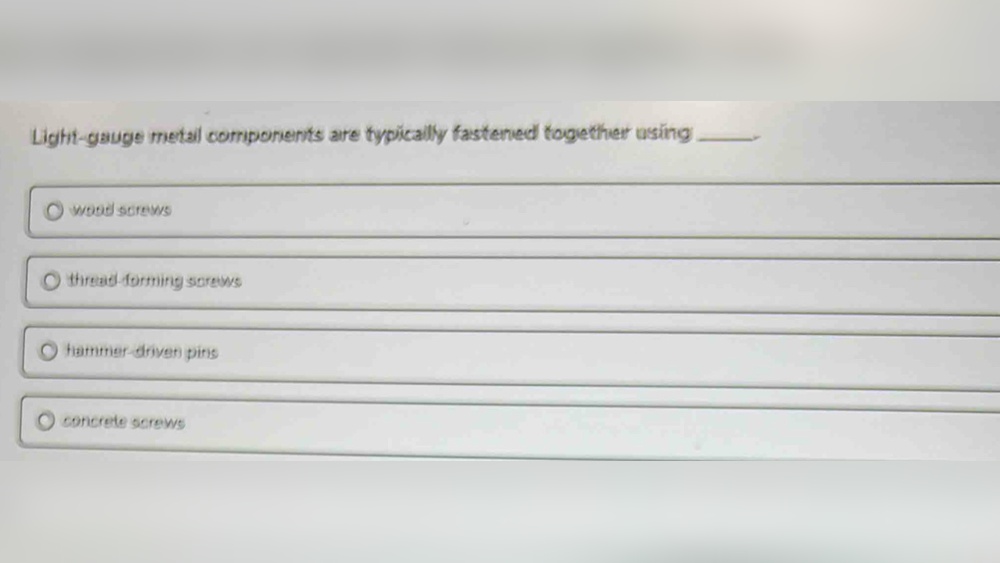
Are you working with light-gauge metal components and wondering how they stay securely fastened together? Knowing the right fasteners can make all the difference in your project’s strength and durability.
Whether you’re building a frame, assembling panels, or tackling a DIY project, understanding the best ways to join these metal parts will save you time, effort, and frustration. You’ll discover the most common fasteners used with light-gauge metal and why they matter to your work.
Keep reading to ensure your next build holds up just the way you want it to.
Common Fastening Methods
Fastening light-gauge metal components requires specific methods to ensure strength and durability. These methods must hold the metal parts tightly without causing damage. Several common techniques meet these needs, each with its own benefits and uses. Understanding these methods helps in choosing the right one for a project.
Mechanical Fasteners
Mechanical fasteners include screws, bolts, and rivets. These fasteners join metal parts by creating a strong physical connection. Screws are easy to install and remove, making them popular for many projects. Bolts provide high strength and are used with nuts for secure fastening. Rivets permanently join metals and are common in construction and manufacturing.
Welding Techniques
Welding fuses metal parts together by melting their edges. This creates a very strong bond that acts as one piece. Common welding methods include MIG, TIG, and spot welding. MIG welding uses a wire feed to join metals quickly. TIG welding provides precise control and is good for thin metals. Spot welding joins metals at small points, often used in sheet metal work.
Adhesive Bonding
Adhesive bonding uses glue or epoxy to join metal components. This method spreads the load evenly and reduces metal stress. It works well for thin or delicate metals that welding might damage. Adhesives also help seal joints against water and air leaks. Proper surface preparation is key for strong adhesive bonds.

Credit: en.wikipedia.org
Mechanical Fasteners In Detail
Mechanical fasteners are the main way to join light-gauge metal parts. They hold pieces together tightly. The right fastener makes a structure strong and safe. These fasteners come in many types. Each type has a special use. This section explains the most common mechanical fasteners for metal components.
Self-drilling Screws
Self-drilling screws save time and effort. They have a drill bit tip to bore holes. No need to pre-drill before fastening. These screws work well with thin metal sheets. They create tight and secure joints. Their design reduces the chance of metal damage.
Bolts And Nuts
Bolts and nuts form strong, removable joints. Bolts pass through metal parts. Nuts tighten onto the bolts to hold parts firm. This combination handles heavy loads well. It allows easy disassembly for repairs or changes. Washers often add extra grip and protect metal surfaces.
Rivets
Rivets provide permanent fastening for metal sheets. They join parts by deforming the rivet tail. This locks the pieces together tightly. Rivets are ideal for thin or soft metals. They resist vibration and loosening better than screws. Used often in construction and manufacturing.
Welding Techniques For Light-gauge Metal
Welding is a key method to join light-gauge metal parts. It creates strong bonds without adding extra materials. Different welding techniques suit different metals and thicknesses. Choosing the right method improves strength and appearance.
Spot Welding
Spot welding joins metal sheets by pressing and heating small spots. It uses electric current to melt metal at contact points. This method works well for thin sheets and fast production. Spot welding is common in automotive and appliance industries. It keeps the metal surface smooth and clean.
Tig And Mig Welding
TIG welding uses a tungsten electrode to heat the metal. It gives precise control and a clean weld. TIG is good for thin metals and detailed work. MIG welding feeds a wire continuously into the weld pool. It is faster and easier for beginners. Both methods create strong, neat joints.
Laser Welding
Laser welding uses a focused beam of light to melt metal. It produces very narrow and deep welds. This technique works well for very thin or delicate metals. Laser welding offers high speed and little distortion. It is popular in electronics and medical device manufacturing.
Adhesive Bonding Applications
Adhesive bonding is a popular method to join light-gauge metal components. It uses glue-like substances to hold parts together. This method avoids drilling or welding, saving time and effort. Adhesive bonding also spreads the load evenly across the joint. It works well for thin metals and delicate shapes. Below are key points about adhesives in metal fastening.
Types Of Adhesives Used
Epoxy adhesives are strong and durable. They work well on steel and aluminum. Acrylic adhesives cure fast and bond well to metals. Polyurethane adhesives offer flexibility and resistance to impact. Silicone adhesives provide good heat resistance. Choosing the right adhesive depends on metal type and environment.
Surface Preparation
Clean metal surfaces are critical for strong bonds. Remove dirt, oil, and rust with solvents or cleaners. Light sanding roughens smooth surfaces to help adhesives stick. Dry the surface fully before applying adhesive. Proper preparation improves bond strength and durability.
Advantages And Limitations
Adhesive bonding avoids heat damage seen in welding. It joins dissimilar metals without corrosion risk. The joints are often lighter and less noisy. Adhesives can fill gaps between parts for better fit. On the downside, adhesive bonds may weaken under extreme heat. Some adhesives need long curing times. Surface contamination can reduce bond quality.
Factors Influencing Fastener Choice
Choosing the right fasteners for light-gauge metal components depends on many factors. The type of metal, its thickness, and the expected load all play key roles. Also, the environment where the metal will be used affects the fastener choice. Understanding these factors helps ensure strong, lasting connections.
Material Thickness
Material thickness guides the fastener size and type. Thin metals need smaller fasteners to avoid damage. Thick metals require stronger fasteners to hold parts firmly. Using the right fastener size prevents loosening and metal deformation.
Load Requirements
The load or force on the joint defines fastener strength. Heavy loads call for high-strength fasteners like bolts or screws. Light loads may only need simple rivets or self-tapping screws. Matching fastener strength to load keeps joints safe and stable.
Environmental Conditions
Environmental factors affect fastener durability and material choice. Outdoor use demands corrosion-resistant fasteners such as stainless steel or coated types. Indoor use may allow standard fasteners without special coatings. Moisture, temperature, and chemicals influence which fastener works best.

Credit: www.tomanthermosonics.com
Tools And Equipment Needed
Fastening light-gauge metal components requires specific tools and equipment. These tools help join parts quickly and securely. Using the right tools ensures strong connections and saves time. Safety is also key during the fastening process.
Understanding the essential tools and safety gear helps in preparing for any metal assembly task. Regular maintenance of tools keeps them working well and lasting longer.
Fastening Tools
Common tools include screw guns, drills, and rivet guns. Self-drilling screws are often used with screw guns for quick fastening. Rivet guns join metal sheets with strong, permanent fasteners. Pliers and clamps hold parts steady during work. A tape measure and level ensure accurate placement.
Safety Gear
Protective gloves shield hands from sharp edges. Safety glasses guard eyes against flying debris. Ear protection reduces noise from power tools. Wearing long sleeves and sturdy shoes protects skin and feet. A dust mask prevents inhaling metal dust and particles.
Maintenance Tips
Keep tools clean and dry after each use. Check screws and drill bits for wear or damage. Lubricate moving parts to avoid rust and stiff joints. Store tools in a dry, safe place to extend life. Regularly inspect power cords and batteries for safety.
Common Challenges And Solutions
Fastening light-gauge metal components presents specific challenges that can affect the strength and durability of structures. Understanding these challenges helps in choosing the right solutions. Proper fastening ensures safety and longevity.
Corrosion Issues
Metal fasteners often face corrosion due to moisture and chemicals. Rust weakens the joint and reduces its load capacity. Using galvanized or stainless steel fasteners helps resist corrosion. Applying protective coatings adds extra defense against rust.
Alignment Problems
Misaligned components cause stress and weaken the structure. Fastening parts out of line can lead to gaps or uneven pressure. Using guides and templates during assembly improves accuracy. Tightening fasteners in a specific order helps maintain alignment.
Fastener Fatigue
Repeated stress causes fasteners to weaken and fail over time. Vibrations and movement increase the risk of fatigue. Choosing fasteners made for fatigue resistance extends lifespan. Regular inspection and replacement prevent unexpected failures.

Credit: en.wikipedia.org
Frequently Asked Questions
What Fasteners Are Used For Light-gauge Metal Components?
Light-gauge metal components are commonly fastened with self-drilling screws. These screws provide strong, reliable connections without pre-drilling. They are ideal for thin metal sheets and framing applications.
Why Are Self-drilling Screws Preferred For Metal Fastening?
Self-drilling screws save time by eliminating pilot holes. They ensure a secure hold and reduce metal damage. Their design suits thin metals, making installation faster and easier.
Can Rivets Be Used For Light-gauge Metal Fastening?
Yes, rivets are used for joining light-gauge metals when welding isn’t suitable. They provide a strong, permanent bond and are ideal for vibration-prone applications.
Are Bolts Effective For Fastening Light-gauge Metal Parts?
Bolts can fasten light-gauge metal, especially in structural frames. They offer high strength and easy disassembly but may require washers and nuts for secure connections.
Conclusion
Light-gauge metal components join with screws, bolts, and rivets. These fasteners provide strong and reliable connections. They help keep structures safe and stable. Choosing the right fastener depends on the project needs. Simple tools make fastening quick and easy. Proper fastening improves durability and performance.
This knowledge aids in better construction and repair work. Understanding fasteners ensures your metal work lasts longer. Trust the right fasteners for solid, lasting results.