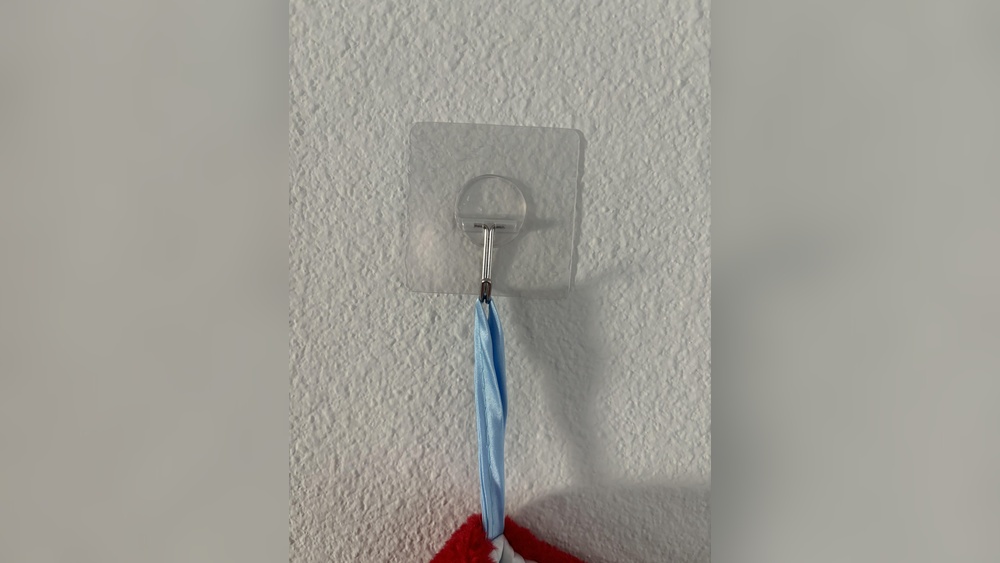
Have you ever stuck a wall adhesive hook only to struggle when it’s time to take it down? Removing these hooks can be tricky, leaving behind sticky residue or even damaging your walls.
But don’t worry—you don’t have to live with that mess or risk ruining your paint. You’ll discover simple, effective ways to remove wall adhesive hooks safely and cleanly. Keep reading, and you’ll learn the best tricks to restore your walls without stress or hassle.

Credit: www.youtube.com
Types Of Wall Adhesive Hooks
Wall adhesive hooks come in different types. Each type suits different needs and surfaces. Knowing the types helps you remove them properly without damage.
Hooks vary by material and strength. Some hold light items, while others support heavier objects. Understanding these differences helps in choosing the right hook.
Common Materials Used
Most adhesive hooks use plastic or metal for the hook part. Plastic hooks are light and flexible. Metal hooks are stronger and last longer.
The adhesive pad is usually made of sticky gel or foam. Gel adhesives are easy to remove and leave less residue. Foam adhesives provide a stronger hold but may leave marks.
Weight Limits And Uses
Adhesive hooks come with weight limits listed on the packaging. Light-duty hooks hold up to 1-2 pounds. These work well for keys, small decorations, or cables.
Medium-duty hooks can hold 3-5 pounds. They are good for kitchen utensils or small tools. Heavy-duty hooks hold over 5 pounds and suit larger items like bags or coats.
Choosing the right weight limit ensures the hook stays in place without falling or damaging the wall.

Credit: www.pousadamaanaim.com.br
Preparation Before Removal
Preparing before removing a wall adhesive hook is important. It helps protect your wall and makes removal easier. Taking time to get ready prevents damage and saves effort later.
Gathering Necessary Tools
Collect all tools needed for the job. Common items include a plastic scraper, a hairdryer, and cleaning cloths. Sometimes, rubbing alcohol or adhesive remover helps too. Having these ready saves time and stress.
Protecting Wall Surface
Protect your wall to avoid scratches or paint damage. Use painter’s tape around the hook area. This creates a safe zone for scraping or pulling. Be gentle and patient during removal to keep the wall intact.
Techniques For Removing Hooks
Removing wall adhesive hooks can be tricky without damaging your walls. Different hooks and adhesives need different removal methods. Using the right technique makes the process easier and cleaner. Below are simple ways to remove hooks without leaving marks or sticky residue.
Peeling Off Slowly
Start by holding the hook gently. Pull it slowly away from the wall. Move the hook at a small angle, not straight out. Take your time to avoid tearing paint or wallpaper. Slow peeling helps the adhesive release naturally. If the hook resists, pause and try another method.
Using Heat For Softening Adhesive
Heat loosens sticky glue quickly. Use a hairdryer on low heat near the hook. Keep the dryer moving to avoid heat damage. Warm the adhesive for about 30 seconds. Then try peeling the hook again. The softened glue will come off easier without pulling paint.
Applying Solvents Safely
Some adhesives need a solvent to break them down. Use rubbing alcohol or a commercial adhesive remover. Test the solvent on a small, hidden spot first. Apply solvent with a cotton ball around the hook’s base. Wait a few minutes for it to work. Gently remove the hook and wipe away residue. Always work in a ventilated area and avoid harsh chemicals on delicate surfaces.
Dealing With Residual Adhesive
After removing a wall adhesive hook, sticky residue often remains. This leftover adhesive can attract dust and dirt, making walls look messy. Removing it carefully keeps your walls clean and smooth. Different methods help tackle this sticky problem without damage.
Gentle Scraping Methods
Use a plastic scraper or old credit card to lift residue. Slide it gently under the sticky patch. Avoid metal tools that can scratch paint or drywall. Work slowly to peel off the adhesive without pushing it deeper. Small, careful movements work best.
Homemade Cleaning Solutions
Mix warm water with a few drops of dish soap. Soak a cloth in the solution and press it on the residue. Let it sit for several minutes to soften the adhesive. Rub gently in circles to lift the sticky spots. Vinegar or rubbing alcohol also help dissolve residue safely.
Commercial Adhesive Removers
Buy a remover made for wall adhesives at hardware stores. Follow the instructions carefully to avoid damage. Apply a small amount on a cloth, not directly on the wall. Test a hidden spot first. These removers break down sticky glue quickly and cleanly.
Preventing Wall Damage
Removing wall adhesive hooks can harm your walls if done carelessly. Protecting your wall’s surface keeps it smooth and clean. Follow simple steps to avoid damage during removal.
Avoiding Paint Peeling
Peeling paint is common when pulling off adhesive hooks too fast. Pull the hook slowly at a low angle. Use heat from a hairdryer to soften the glue first. Warm glue comes off easier and lessens paint damage. Avoid sharp tools that scrape paint off the wall.
Handling Delicate Surfaces
Delicate walls need extra care during hook removal. Test a small area with gentle heat to see if paint stays. Use a plastic card to lift the edges of the adhesive gently. Avoid strong chemicals that can damage wallpaper or textured walls. Patience is key to keep delicate surfaces intact.

Credit: www.youtube.com
Tips For Reusing Hooks Or Adhesive
Reusing wall adhesive hooks saves money and reduces waste. It also keeps your walls neat without extra holes. Proper care helps hooks stick better next time. Simple steps can extend the life of your hooks and adhesives.
Cleaning Hooks Properly
Remove any old adhesive residue gently. Use warm soapy water and a soft cloth. Avoid harsh chemicals that can damage the hook surface. Let the hook dry completely before reuse. Clean hooks hold new adhesive better and last longer.
Choosing Reusable Adhesives
Pick adhesives made for multiple uses. Look for brands that advertise removability and reusability. Some adhesives lose stickiness after one use. Using the right adhesive ensures strong holding power again. Store unused adhesive strips in a cool, dry place.
Frequently Asked Questions
How Do I Safely Remove Wall Adhesive Hooks?
To safely remove adhesive hooks, gently peel the edge while pulling the tab slowly. Avoid force to prevent wall damage. Use heat from a hairdryer to soften the adhesive if needed. This method preserves paint and drywall integrity.
What Household Items Help Remove Adhesive Residue?
Common items like rubbing alcohol, vinegar, or warm soapy water dissolve adhesive residue effectively. Apply with a cloth, gently rub the area, and wipe clean. These solutions are safe for most wall surfaces and leave no damage.
Can I Reuse Adhesive Hooks After Removal?
Most adhesive hooks lose their stickiness after removal and cannot be reused. For a strong hold, use new adhesive strips or hooks. Reusing old hooks risks poor adhesion and potential falls.
How Long Should I Wait Before Removing Adhesive Hooks?
Wait at least 24 hours after applying adhesive hooks before removal. This allows the adhesive to bond firmly. Removing too soon may cause the hook or paint to peel off.
Conclusion
Removing wall adhesive hooks does not have to be hard. Use gentle heat or oil to loosen the glue. Pull slowly and carefully to avoid wall damage. Clean any leftover sticky spots with soap and water. Take your time and be patient during the process.
This keeps your walls smooth and ready for new decor. Small effort can save you from costly repairs. Now, you can remove hooks without stress or mess. Simple steps make a big difference in your home.