Are you tired of cluttered spaces and coats scattered everywhere? Hanging coat hooks on your wall is a simple and effective way to keep things organized and add a touch of style to your home.
But if you’re unsure where to start or worried about making mistakes, don’t worry. This guide will walk you through the process step-by-step, helping you hang coat hooks securely and perfectly every time. By the end, you’ll have a neat, functional space that feels just right.
Ready to transform your wall and simplify your life? Let’s get started!
Credit: fundacioninbursa.org
Choosing The Right Hooks
Choosing the right coat hooks is key to a neat and functional wall setup. The perfect hooks hold your coats firmly without damaging the wall or the items hung. Picking hooks depends on your style, wall type, and what you plan to hang. This guide helps you decide on the best hooks for your needs.
Types Of Coat Hooks
Coat hooks come in many shapes and sizes. Single hooks hold one item, great for small spaces. Double hooks offer two hanging points, perfect for coats and hats. Multi-hook racks can hold several items on one board. Some hooks fold away, saving space when not in use.
Material And Finish Options
Hooks come in metal, wood, plastic, or ceramic. Metal hooks are strong and last long. Wood hooks bring a natural, warm look. Plastic hooks are light and budget-friendly. Ceramic hooks add style but need gentle use. Finishes like chrome, brass, or paint protect and match your decor.
Weight Capacity Considerations
Check how much weight the hook can hold. Heavy coats and bags need strong hooks. Light hooks work well for scarves or keys. Using the right weight capacity prevents hooks from pulling out or breaking. Choose hooks with good reviews for holding weight well.

Credit: www.spryinterior.com
Selecting The Best Location
Choosing the right spot to hang coat hooks makes a big difference. The location affects how easy it is to use the hooks every day. It also impacts the look of your room and the wall’s condition. A good spot keeps your space tidy and your coats ready to grab.
Ideal Height For Accessibility
Place coat hooks at a height everyone can reach. For adults, 5 to 6 feet from the floor works well. For children, lower the hooks to about 3 to 4 feet. This way, everyone can hang and take their coats easily. Avoid placing hooks too high or too low.
Spacing Between Hooks
Leave enough space between each hook to hang coats without crowding. A gap of 6 to 8 inches works best. This spacing prevents coats from overlapping and wrinkling. It also makes the hooks look neat and balanced on the wall.
Wall Surface Types
Check your wall type before hanging hooks. Drywall needs anchors for strong support. Wooden walls allow screws directly into the surface. Tile or brick walls require special drill bits and anchors. Matching hooks and hardware to the wall ensures safety and durability.
Gathering Tools And Materials
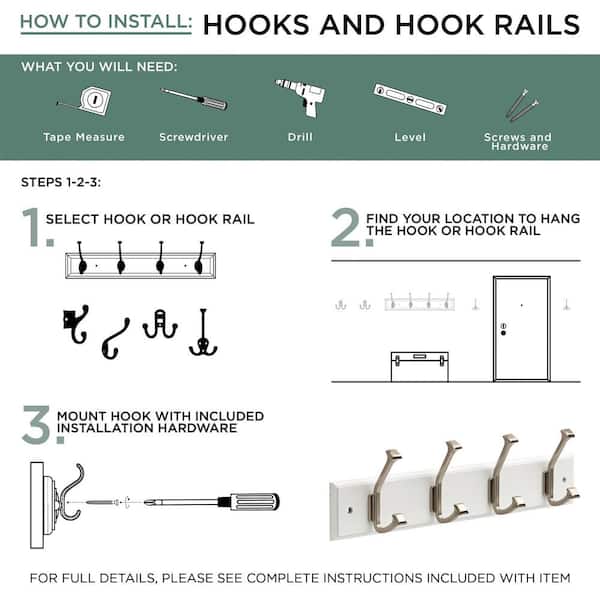
Gathering the right tools and materials makes hanging coat hooks easier and safer. Preparing everything in advance saves time and helps avoid mistakes. This section guides you through what you need to start your project.
Essential Tools List
Begin with a drill or screwdriver to fix screws into the wall. A tape measure helps mark the exact spots for hooks. Use a pencil to make light marks on the wall. A level ensures hooks hang straight. A stud finder locates strong wall spots for secure mounting. Lastly, a hammer might be needed for anchors or nails.
Safety Gear Recommendations
Protect your eyes with safety goggles. Wear gloves to avoid splinters or sharp edges. Use ear protection if drilling makes loud noise. Keep a dust mask handy to avoid breathing dust. Wear comfortable clothes that cover your skin to prevent scratches.
Choosing Suitable Anchors And Screws
Select anchors based on wall type: drywall, plaster, or brick. Plastic anchors suit lightweight hooks and small loads. Metal anchors hold heavier items firmly in place. Use screws that match the hook’s holes and wall anchors. The right screws prevent hooks from falling or damaging walls.
Preparing The Wall
Preparing the wall is the first step in hanging coat hooks securely. A well-prepared wall ensures your hooks stay firmly in place. It also makes the installation process smoother and safer.
Start by cleaning the wall surface to remove dust and dirt. This helps the hooks stick better and prevents damage. Next, mark the exact spots where you want the hooks. Careful marking makes sure the hooks are evenly spaced and look neat. Finally, check for studs behind the wall. Studs provide strong support and hold the hooks better than just drywall.
Cleaning The Surface
Use a damp cloth to wipe down the wall area. Remove all dust, dirt, and grease spots. Let the wall dry completely before drilling or nailing. A clean surface helps the hooks stay secure and prevents slipping.
Marking Hook Positions
Measure the distance between hooks for even spacing. Use a pencil to lightly mark the spots on the wall. Double-check the height to make sure the hooks are easy to reach. Straight lines and accurate marks help keep your coat hooks aligned.
Checking For Studs
Use a stud finder to locate studs behind the wall. Studs are wooden beams that hold screws firmly. Mark the stud locations near your hook marks. If no stud is found, use wall anchors to support the hooks. This step ensures your hooks won’t fall off easily.
Installing Coat Hooks
Installing coat hooks on your wall is a simple task that can add organization to any room. Proper installation ensures the hooks hold weight without damage. Follow these steps carefully for a strong and secure setup.
Drilling Pilot Holes
Start by marking the spots for your hooks on the wall. Use a pencil to make small marks where the screws will go. Choose a drill bit slightly smaller than your screws. Drill pilot holes at the marks to guide the screws. This prevents the wall from cracking or splitting.
Inserting Anchors
Use wall anchors for extra support, especially in drywall. Push or tap the anchors into the pilot holes gently. Anchors hold the screws tightly and stop them from pulling out. Make sure the anchors sit flush with the wall surface.
Attaching Hooks Securely
Place the coat hook over the anchor holes. Insert screws through the hook holes into the anchors. Tighten screws with a screwdriver until the hook feels firm. Avoid over-tightening, which can damage the wall or hook. Test the hook by gently pulling to confirm stability.

Credit: www.amazon.com
Finishing Touches
Finishing touches are important after hanging coat hooks. They ensure the hooks are strong, straight, and ready for use. Taking time to check and adjust the hooks makes a big difference. These steps help keep your wall looking neat and your hooks working well for a long time.
Testing Hook Stability
Gently pull each hook to check its strength. It should feel firm without moving. Try hanging a coat or bag to see if it holds well. If a hook feels loose, tighten the screws carefully. Stability ensures the hooks can hold weight safely.
Adjusting Hook Alignment
Step back and look at all hooks on the wall. Make sure they line up evenly and look balanced. Use a level tool if needed. Adjust screws slightly to straighten any hooks that tilt. Proper alignment makes the setup look neat and professional.
Maintaining Hooks Over Time
Check the hooks regularly for looseness or damage. Tighten screws if they become loose. Clean hooks with a soft cloth to remove dust. Avoid hanging very heavy items beyond the hook’s limit. Good care will keep hooks strong and useful longer.
Frequently Asked Questions
How Do I Choose The Right Wall For Coat Hooks?
Choose a sturdy wall like drywall with studs or solid wood. Avoid weak surfaces that can’t support weight. Use a stud finder to locate secure spots for mounting hooks.
What Tools Are Needed To Hang Coat Hooks Properly?
You need a drill, screws, wall anchors, a level, a pencil, and a measuring tape. These tools ensure precise and secure installation of coat hooks.
Can I Install Coat Hooks On Drywall Without Studs?
Yes, use heavy-duty wall anchors designed for drywall. They provide extra support and prevent hooks from pulling out under weight.
How High Should Coat Hooks Be Installed On The Wall?
Install coat hooks at about 5 to 6 feet from the floor. This height is convenient for most adults to hang coats comfortably.
Conclusion
Hanging coat hooks on your wall is simple and useful. Choose the right spot and tools before you start. Mark where each hook will go clearly. Use screws or anchors to keep hooks steady. Check that hooks hold weight well after installation.
This small project helps keep your space neat and organized. With care and patience, anyone can do it well. Try it yourself and enjoy a tidier home today.