Are you staring at that stubborn Command Hook on your wall, wondering how to get it off without damaging your paint or drywall? You’re not alone.
Removing these hooks can feel tricky, especially when you want to keep your walls looking perfect. But don’t worry—there’s a simple way to do it, and you can master it quickly. Keep reading, and you’ll learn the exact steps to remove your Command Hook safely and easily, so you can refresh your space without any hassle.
Tools Needed
Removing a Command Hook from your wall is simple with the right tools. Using proper tools helps avoid damage to the wall surface. This section lists the items needed for an easy and clean removal process.
Common Household Items
Start with items found in most homes. A hairdryer softens the adhesive behind the hook. A plastic card, like a credit card, helps lift the hook gently. Soap and water clean any leftover residue after removal. A soft cloth wipes the wall clean without scratching.
Specialized Tools
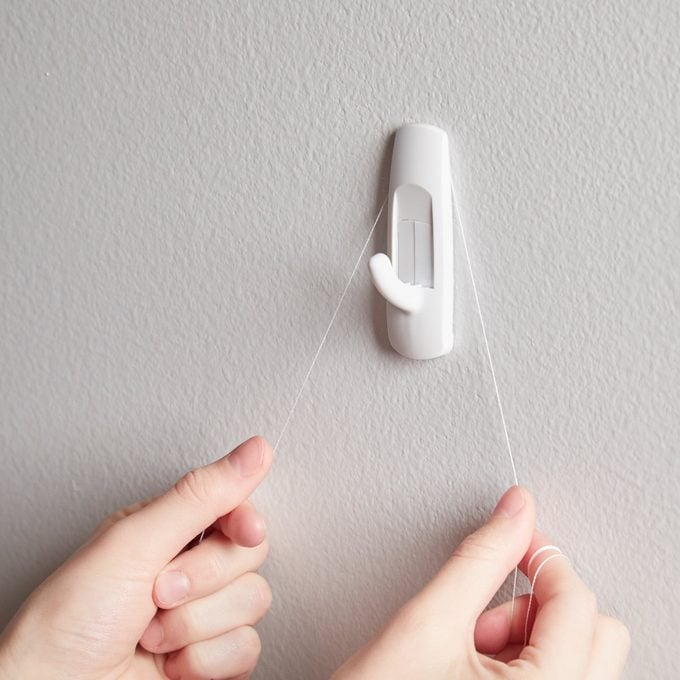
Some jobs need tools made for the task. A fishing line or dental floss can cut through adhesive under the hook. A putty knife removes stubborn glue without harming paint. Adhesive remover sprays break down sticky residue quickly. Use gloves to protect your hands during the process.
:max_bytes(150000):strip_icc()/how-to-remove-command-strips-5089679-05-e465545114cf4e9ebdf99ce163d520f8.jpg)
Credit: www.thespruce.com
Preparing The Area
Preparing the area before removing a Command hook is important. It helps avoid damage and keeps the process smooth. Taking simple steps makes the task easier and safer.
Clear Surrounding Space
Remove any items near the hook. Clear shelves, pictures, or furniture close by. This prevents accidents and gives you room to work freely. A clean space reduces the chance of knocking things over.
Protect The Wall Surface
Place a soft cloth or towel under the hook. This protects the wall if you need to apply pressure. Use painter’s tape around the hook edges to guard the paint. Small precautions keep your wall safe and clean.
Removing The Hook
Removing the hook from your wall can be simple and safe. The right method depends on the type of hook you have. Using the wrong way might damage your wall or leave marks. Follow the steps carefully to keep your walls clean and smooth.
For Adhesive Hooks
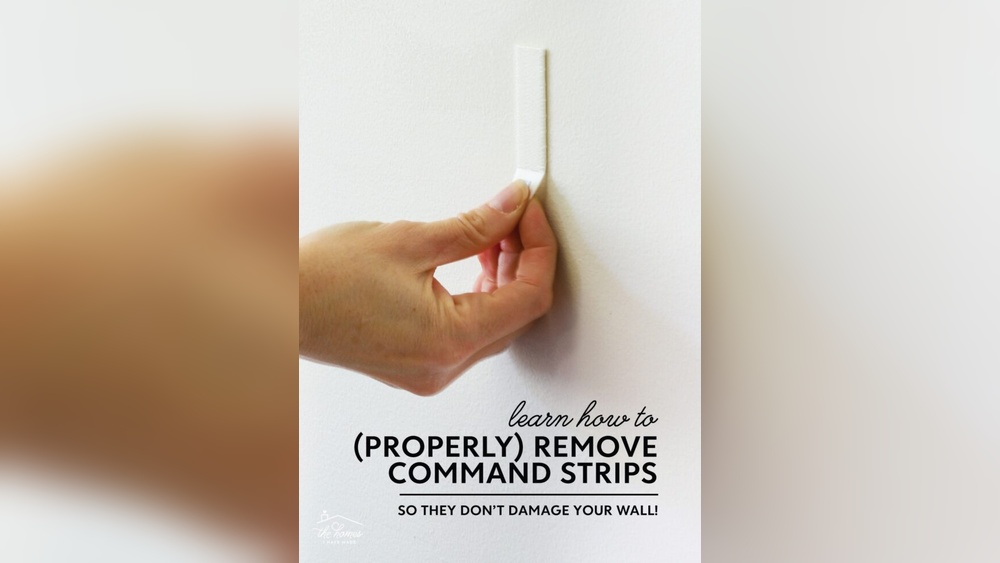
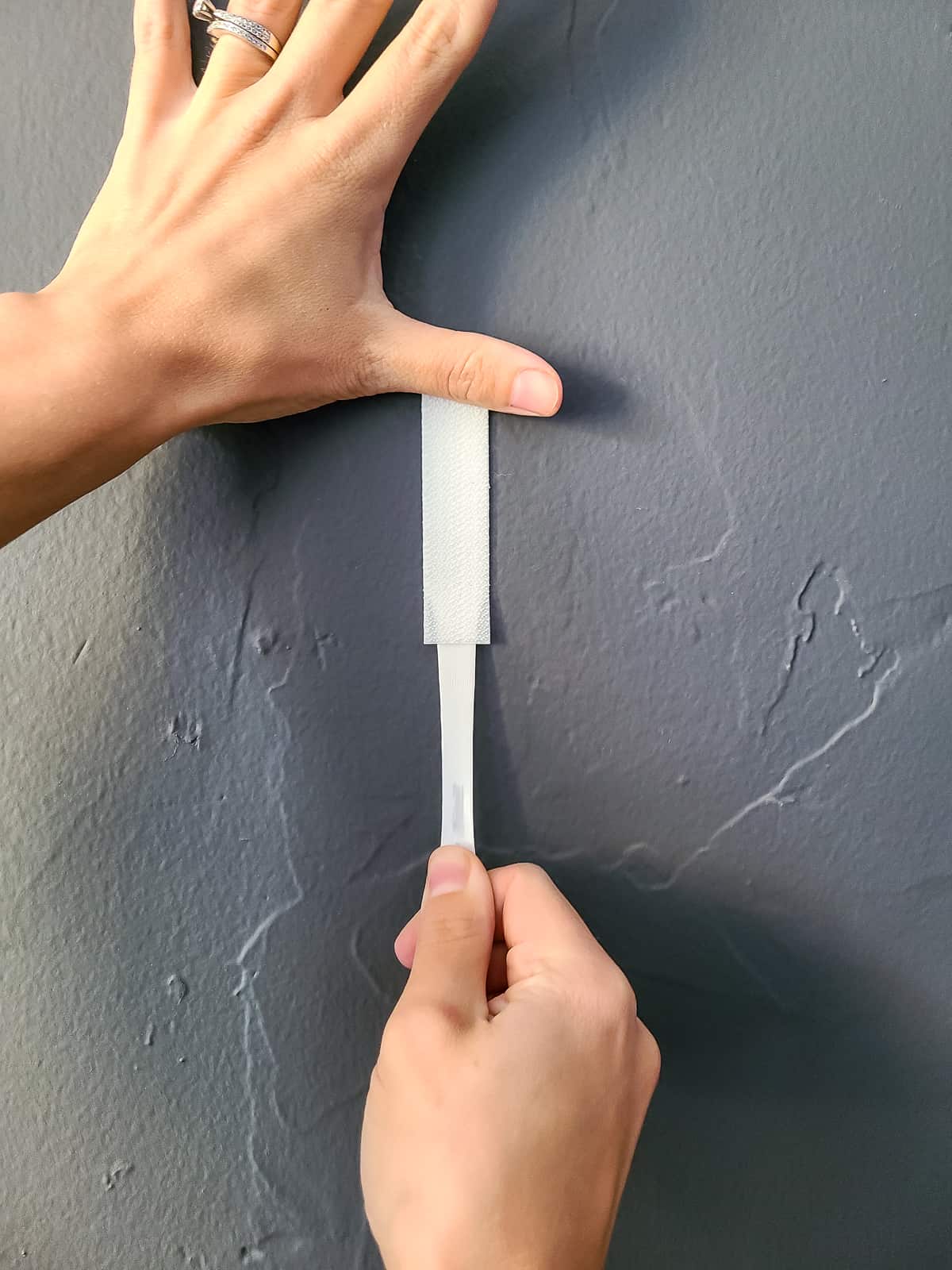
Start by holding the hook base gently. Pull the adhesive strip slowly downwards. Stretch the strip along the wall surface. Keep pulling until the strip releases completely. Do not pull the strip outwards or upwards. This can damage the wall paint. If the hook stays stuck, use a hairdryer to warm the adhesive. Warm adhesive becomes softer and easier to remove. Wipe the wall with a damp cloth to remove any residue.
For Screw-in Hooks
Use a screwdriver that fits the screw head. Turn the screw counterclockwise to unscrew it. Remove the hook carefully from the wall. Check the hole left behind for damage. Fill the hole with spackle or wall filler. Let the filler dry completely before painting. Sand the area lightly to smooth the surface. Painting over the patch will hide the repair well.
Handling Stubborn Residue
Removing Command hooks is easy, but stubborn residue can stay on the wall. This sticky leftover can be tough to clean with just water. Handling stubborn residue needs patience and the right tools. Use gentle methods to avoid wall damage. Here are two effective ways to remove sticky residue safely.
Using Heat
Heat softens the sticky glue, making it easier to remove. Use a hairdryer on low or medium heat. Hold it a few inches from the residue. Warm the area for about 30 seconds. Then, gently peel or rub off the soft residue. Avoid overheating to protect paint and wallpaper.
Applying Cleaning Solutions
Cleaning solutions break down sticky glue without harsh scrubbing. Use rubbing alcohol or a mixture of dish soap and warm water. Apply the solution to a cloth or cotton ball. Dab the residue carefully and let it sit for a minute. Wipe the area with a soft cloth in circles. Repeat if needed until the residue disappears.
Repairing Minor Wall Damage
Removing Command Hooks from walls can leave small holes or marks. Repairing these minor damages helps your wall look neat again. A quick fix can make a big difference. This section explains simple steps to repair small wall damage easily.
Filling Holes
Start by cleaning around the holes. Remove any loose paint or dust. Use a small putty knife to apply wall filler. Press the filler into the holes gently. Smooth the surface to match the wall. Let the filler dry completely before the next step.
Sanding And Painting
After the filler dries, sand the area lightly. Use fine-grit sandpaper for a smooth finish. Wipe away dust with a clean cloth. Match your wall paint color. Apply a thin layer of paint over the repaired spot. Let it dry and add a second coat if needed.
Credit: www.makingmanzanita.com
Preventing Future Damage
Preventing damage to your walls is key after removing Command hooks. Proper care helps keep walls smooth and clean. Avoiding marks or paint peeling keeps rooms looking fresh. Small steps before and after using hooks make a big difference.
Choosing The Right Hook
Select hooks that suit your wall type and weight needs. Use lighter hooks for small items to reduce stress. Check the package for wall compatibility before buying. Hooks with soft adhesive work better on painted walls. Avoid heavy-duty hooks on delicate surfaces to prevent damage.
Proper Installation Tips
Clean the wall surface with rubbing alcohol before applying hooks. Let the wall dry fully for better stickiness. Press the hook firmly for at least 30 seconds. Wait one hour before hanging anything to secure the bond. Remove hooks slowly and carefully by pulling the tab downwards. This lowers the risk of paint or drywall damage.
Credit: www.familyhandyman.com
Frequently Asked Questions
How Do I Safely Remove A Command Hook From The Wall?
To safely remove a command hook, gently pull the adhesive tab straight down. Avoid pulling outward to prevent wall damage. If stuck, use a hairdryer to warm the adhesive, softening it for easier removal. This method keeps your wall intact and clean.
Will Command Hooks Damage My Painted Wall?
Command hooks usually do not damage painted walls when removed correctly. Pull the adhesive strip slowly and straight down to avoid paint peeling. Using heat before removal can reduce the risk of damage, preserving your wall’s finish and appearance.
Can I Reuse Command Hooks After Removal?
Command hooks are designed for one-time use only. Once removed, the adhesive loses effectiveness. For best results, use new adhesive strips when reapplying. This ensures the hook stays securely attached and prevents wall damage.
How Do I Remove Command Hook Residue From Walls?
To remove residue, gently rub the area with a soft cloth dampened in warm soapy water. Avoid harsh scrubbing to protect paint. If sticky spots remain, use a small amount of rubbing alcohol on a cloth, then wipe clean.
Conclusion
Removing a Command Hook from your wall is simple with the right steps. Pull the tab slowly to avoid damage. Use heat if the adhesive feels strong. Clean any leftover residue gently with soap and water. This method keeps your walls safe and smooth.
Now, you can hang or remove hooks without worry. Easy, quick, and effective—just what you need.