
Is your floor jack leaking and causing frustration every time you need to lift your vehicle? A leaking floor jack not only wastes hydraulic fluid but also puts your safety at risk.
You don’t have to spend a fortune on a new one or take it to a shop just yet. With a few simple steps and some basic tools, you can fix the leak yourself and get your jack working like new.
Keep reading to discover easy, effective ways to repair your floor jack and save time, money, and stress.
Identifying Leak Sources
Finding the source of a floor jack leak is the first step to fix it. Without knowing where the fluid escapes, repairs may fail. Careful inspection helps pinpoint the exact problem area. This saves time and prevents extra damage.
Common Leak Areas
Leaks often start at seals and joints. The main places are around the pump piston and release valve. Worn-out O-rings also cause leaks. Check the hydraulic cylinder for cracks or holes. The oil reservoir cap can leak if it is loose or damaged. Look closely at all moving parts for signs of fluid.
Signs Of Hydraulic Fluid Loss
Low hydraulic fluid affects jack performance. The jack may not lift properly or hold weight. You might see puddles or stains under the jack. Fluid may appear dark or dirty. The handle may feel loose or spongy. These signs mean fluid is escaping somewhere inside the jack.

Credit: www.amazon.com
Preparing For Repairs
Preparing for repairs is the first step to fix a leaking floor jack. It sets the stage for smooth and safe work. Take time to organize everything before starting. This helps avoid mistakes and frustration.
Gathering Tools And Materials
Collect all tools and materials needed for the repair. Basic items include a wrench, screwdrivers, and a clean cloth. Also, get hydraulic fluid and replacement seals or O-rings. Having these ready saves time and keeps the process smooth. Check the jack’s manual for specific parts.
Safety Precautions
Safety matters during any repair. Wear gloves and safety glasses to protect your hands and eyes. Work in a well-ventilated area to avoid breathing harmful fumes. Place the jack on a flat, stable surface to prevent slipping. Never rush. Taking precautions keeps you safe and the repair effective.
Fixing Seal And O-ring Issues
Fixing seal and O-ring issues is key to stopping a floor jack from leaking. These parts keep the hydraulic fluid inside. When they wear out or break, leaks happen. Replacing them can restore your jack’s strength and safety.
Seals and O-rings are small but important. They fit tightly around moving parts. Over time, dirt and pressure cause cracks or breaks. That lets fluid escape. Fixing these parts prevents damage and keeps the jack working well.
Removing Old Seals
Start by cleaning the jack’s area around the seals. Use a cloth to remove dirt and oil. Then, carefully remove the old seals. Use a flat screwdriver or seal puller tool. Be gentle to avoid scratching the metal parts. Check for any damage around the seal groove. Clean the area again before installing new seals.
Installing Replacement Seals
Choose the right size seals and O-rings for your jack model. Lightly apply hydraulic oil on the new seals. This helps them slide into place easily. Press the seals gently into their grooves. Make sure they sit flat and even. Avoid stretching or twisting the seals. After installation, test the jack for leaks by pumping it a few times.

Credit: www.jalopyjournal.com
Addressing Hydraulic Fluid Problems
Hydraulic fluid issues often cause floor jack leaks. The fluid can get dirty or low, making the jack fail to lift properly. Fixing the hydraulic fluid is key to restoring the jack’s power and safety. Follow simple steps to drain old fluid and refill fresh oil correctly.
Draining Old Fluid
Start by placing the jack on a flat surface. Open the release valve to lower the jack fully. Use a wrench to remove the fill plug or drain bolt. Let the old hydraulic fluid drain into a container. Dispose of the old fluid safely. This step removes dirt and air bubbles from the system.
Refilling With Fresh Hydraulic Oil
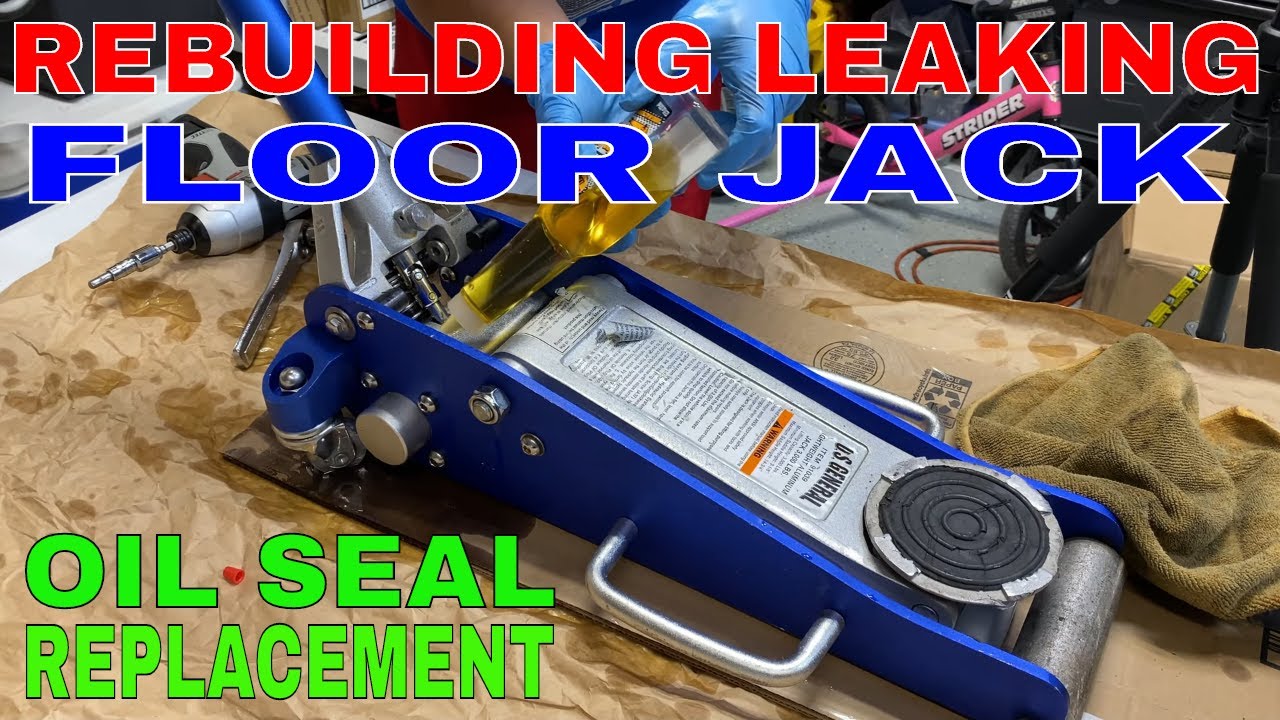
Choose the right hydraulic oil for your floor jack. Pour the new oil slowly into the fill hole. Fill until the fluid reaches the recommended level. Close the fill plug tightly to avoid leaks. Pump the jack several times to remove air inside. Check for leaks and test the jack’s lifting power.
Checking And Repairing Valves
Checking and repairing valves is key to fixing a leaking floor jack. Valves control the flow of hydraulic fluid. If they are damaged or dirty, leaks can happen. Proper valve maintenance keeps the jack working safely and smoothly.
Inspecting Release Valve
The release valve lets hydraulic fluid move back into the reservoir. This controls the jack’s lowering speed. Start by locating the release valve. Look for cracks, rust, or dirt around it. Turn the valve slowly and feel for resistance or roughness. Check if the valve seat is tight and clean. A loose or blocked release valve causes leaks and poor performance.
Cleaning Or Replacing Faulty Valves
Remove the valve carefully using the correct tools. Clean it with a soft brush and a mild solvent. Remove dirt, rust, and old grease. Dry the valve completely before reinstalling. If the valve is cracked, bent, or worn out, replace it. Use a valve that matches the jack model for best results. Test the jack after repair to ensure no leaks remain.
Credit: www.youtube.com
Testing The Floor Jack Post-repair
Testing the floor jack after repair is crucial. It ensures the fix works and the jack is safe to use. This step checks for any remaining leaks and confirms the jack holds pressure well. Proper testing avoids accidents and saves time by catching issues early. Follow these steps to test your floor jack effectively.
Pressure Testing
Start by pumping the jack to lift a small load. Watch the jack’s height carefully. It should stay steady without dropping. If it lowers, the jack still leaks or has air inside. Repeat the pumping and watching process several times. Use a stable object to test the jack’s lifting ability. Make sure the jack holds pressure for several minutes without losing height.
Leak Monitoring
Check the jack for oil spots or wet areas. Look around seals, valves, and the hydraulic cylinder. Use a clean cloth to wipe and then observe for fresh leaks. Test the jack under pressure and look closely for slow drips. A small leak can cause big problems later. Keep monitoring for leaks over the next few days of use.
Maintenance Tips To Prevent Future Leaks
Preventing leaks in a floor jack saves time and money. Simple maintenance keeps the jack working well. Small steps stop damage before it starts. Focus on regular checks and smart storage. These habits extend the life of your floor jack.
Regular Inspections
Check the floor jack often for signs of wear. Look for oil spots or wet areas around seals. Tighten loose bolts to avoid parts shifting. Inspect the hydraulic fluid level regularly. Replace dirty or low fluid to keep the jack strong. Early detection of leaks prevents bigger problems.
Proper Storage Practices
Store the floor jack in a dry place. Avoid damp spots that cause rust and seal damage. Keep the jack lowered to release pressure on seals. Cover the jack to protect it from dust and dirt. Proper storage stops leaks by preserving parts. Treat your floor jack with care to avoid leaks.
Frequently Asked Questions
What Causes A Floor Jack To Leak Hydraulic Fluid?
Leaks usually occur due to worn seals, damaged O-rings, or cracked hydraulic cylinders. Regular use and lack of maintenance accelerate wear. Identifying the leak source helps target the repair effectively and prevent further damage.
How Can I Fix A Leaking Floor Jack Seal?
To fix a leaking seal, first drain the hydraulic fluid. Replace the worn seal with a new one from a repair kit. Clean all parts thoroughly before reassembling. This restores proper pressure and stops fluid leaks.
Is It Safe To Use A Leaking Floor Jack?
Using a leaking floor jack is unsafe. Fluid loss reduces lifting power and can cause sudden failure. Always repair leaks promptly to ensure safety during vehicle lifting and avoid accidents.
How Often Should I Maintain A Hydraulic Floor Jack?
Maintain your floor jack every 6 months or after heavy use. Check fluid levels, inspect seals, and clean components. Regular maintenance prevents leaks and extends jack life.
Conclusion
Fixing a leaking floor jack is easier than it seems. Start by finding the leak source. Replace worn seals and refill hydraulic fluid. Test the jack carefully after repairs. Regular maintenance helps prevent future leaks. A working floor jack keeps your work safe.
Take your time and follow steps closely. You can save money by doing it yourself. Keep your tools ready for quick fixes. Simple care extends the life of your jack.


