Looking for a simple way to organize your space without drilling holes or damaging your walls? Suction hooks might be just what you need.
They offer a quick, hassle-free solution to hang your items securely and keep your rooms tidy. But how exactly do you use suction hooks on your wall to get the best hold? You’ll discover easy steps and smart tips that make using suction hooks a breeze.
By the end, you’ll know exactly how to hang your belongings safely and stylishly—no tools or mess required. Keep reading to transform your walls with suction hooks like a pro!

Credit: audend.com
Choosing The Right Suction Hooks
Choosing the right suction hooks is key for strong and lasting hold on walls. Picking hooks that fit your needs ensures your items stay secure. Consider the material, design, weight capacity, and surface type to get the best results. This guide helps you find the perfect suction hooks for your space.
Material And Design Options
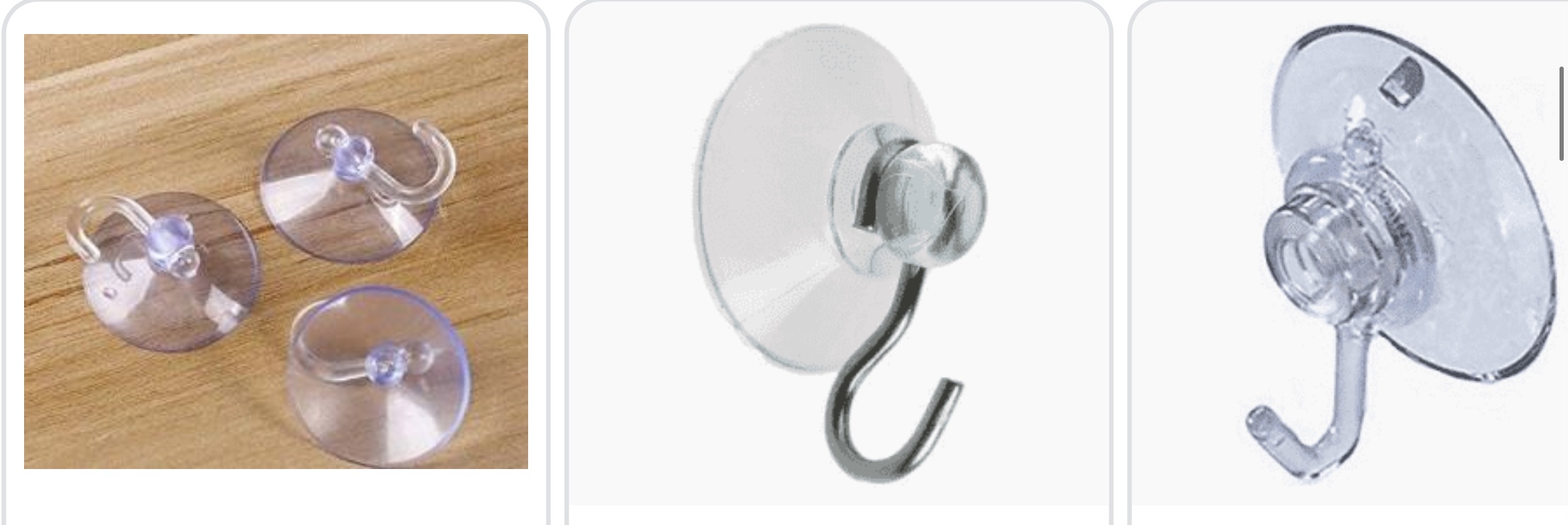
Suction hooks come in plastic, metal, and silicone types. Plastic hooks are light and affordable. Metal hooks offer more strength and durability. Silicone hooks provide extra grip on smooth surfaces. Designs vary from simple loops to multi-hook racks. Choose a design that fits your style and use.
Weight Capacity Considerations
Check the weight limit before buying suction hooks. Light hooks hold small items like keys or towels. Heavy-duty hooks support larger items like bags or kitchen tools. Always pick hooks with a weight capacity above your item’s weight. This prevents falling and damage.
Surface Compatibility
Suction hooks stick best on smooth, non-porous surfaces. Glass, tiles, and polished metal work great. Avoid rough, textured, or porous walls like brick or wallpaper. Clean the surface well before attaching hooks. This improves suction and prevents slipping.

Credit: www.amazon.com
Preparing The Wall Surface
Preparing the wall surface is the first step for using suction hooks effectively. A clean, smooth surface ensures strong suction and better hold. Dirt, dust, or moisture can weaken the suction power and cause the hook to fall. Follow simple steps to prepare the wall before attaching suction hooks.
Cleaning And Drying Techniques
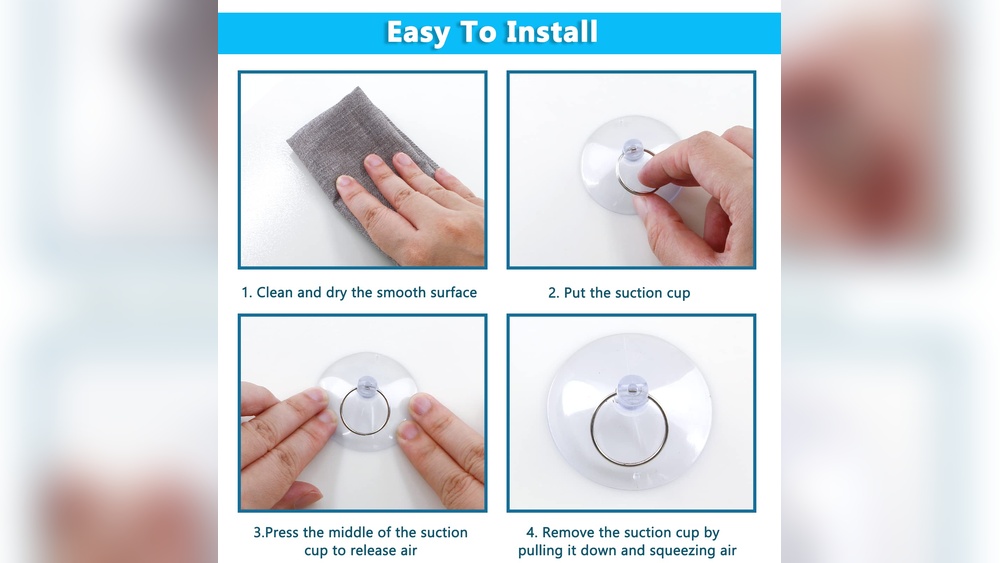
Start by wiping the wall with a damp cloth. Use mild soap to remove grease or stains. Avoid harsh chemicals that may damage the wall. After cleaning, dry the surface completely. Use a dry cloth or let it air dry. Any moisture left can stop the suction from sticking tightly.
Avoiding Textured Or Porous Walls
Suction hooks work best on smooth, flat surfaces. Avoid walls with rough textures or porous materials like brick or unpainted drywall. These surfaces have tiny holes that break the suction seal. Painted tiles, glass, or metal surfaces are ideal for suction hooks. Check the wall type before installing for the best results.
Proper Hook Installation
Proper hook installation is key to ensuring suction hooks stay firmly attached to your wall. Without careful setup, the hook might fall or lose grip quickly. Taking time to install correctly helps maximize the hold and keeps your items secure.
Follow each step precisely to avoid common mistakes. Clean surfaces and careful pressing make a big difference. A well-installed suction hook offers reliable support for daily use.
Positioning For Maximum Hold
Choose a smooth, flat surface like glass, tile, or metal. Avoid rough or porous walls because suction won’t stick well. Place the hook at eye level or where you need it most. Make sure the area is dry and free from dust or grease before attaching.
Pressing And Securing The Hook
Press the suction hook firmly against the wall. Use your palm or fingers to push out air. Hold it for about 30 seconds to create a strong seal. This pressure helps the suction cup stick tightly and hold weight better.
Checking For Air Bubbles
Look closely around the suction cup edges for air bubbles. Small bubbles can weaken the hold and cause the hook to fall. If you see bubbles, lift the hook gently and press again. Smooth out any trapped air to ensure a secure fit.
Maintaining Suction Strength
Maintaining suction strength is key to keeping suction hooks firmly attached. Strong suction stops hooks from falling unexpectedly. Dirt, moisture, and weight affect suction power. Proper care helps hooks hold better and longer. Follow simple steps to keep suction hooks working well.
Regular Cleaning Tips
Clean the suction cup and wall surface regularly. Use a damp cloth with mild soap. Avoid harsh cleaners or rough scrubbing. Let both surfaces dry completely before attaching. Dirt or oil reduces suction grip. Clean surfaces improve stickiness and prevent slipping.
Reapplying Suction Hooks
Remove suction hooks carefully to avoid damage. Check for any dirt or air bubbles on the cup. Press the cup firmly against the wall to push out air. Wetting the suction cup slightly can help. Attach it slowly and press hard to seal. Reapply hooks every few weeks for best hold.
Avoiding Overloading
Follow the weight limit given by the manufacturer. Heavy items strain suction cups and cause falls. Spread weight evenly across multiple hooks if needed. Use suction hooks for light to medium loads only. Avoid hanging sharp or uneven objects. Proper weight care keeps suction strong and safe.
Common Mistakes To Avoid
Using suction hooks on walls seems simple but often leads to mistakes. These errors reduce hook strength and cause falls. Avoid these common problems to keep hooks secure and reliable.
Using On Unsuitable Surfaces
Suction hooks work best on smooth, flat surfaces. Avoid rough, porous, or textured walls. Surfaces like wood, brick, or wallpaper do not hold suction well. Glass, tiles, or metal are ideal choices.
Using suction hooks on the wrong surface causes them to fall quickly. Check the wall type before sticking the hook.
Ignoring Weight Limits
Every suction hook has a weight limit. Do not hang items heavier than recommended. Overloading causes the hook to lose grip and fall.
Light objects like towels or small tools suit suction hooks well. For heavier items, use stronger hooks or wall anchors.
Neglecting Surface Preparation
Clean the wall surface before attaching the suction hook. Dirt, dust, or grease reduce suction power. Use a damp cloth and dry the area fully.
Ensure the hook itself is clean. This step improves suction and hook lifespan.
Creative Uses For Suction Hooks
Suction hooks offer simple, flexible ways to hang and organize items without drilling holes. Their easy installation and removal make them perfect for many creative uses around the home or office. These hooks hold well on smooth surfaces like glass, tiles, or metal.
Explore some smart ideas for using suction hooks. They help save space, add decoration, and provide quick hanging options that do not damage walls.
Organizing Small Spaces
Suction hooks help keep small areas tidy. Hang keys, kitchen utensils, or cleaning tools to free counter space. In bathrooms, use them to hold towels or loofahs. Closets benefit from extra hooks for bags or scarves. These hooks make it easy to find items and keep rooms neat.
Decorative Applications
Use suction hooks to display lightweight decorations. Hang string lights or paper garlands for parties or holidays. They support small plants or photo frames on windows or mirrors. Change decorations quickly without wall damage. Suction hooks add charm without effort or mess.
Temporary Hanging Solutions
Suction hooks work well for short-term needs. Hang holiday stockings or advent calendars during the season. Use them for event banners or signs that need quick setup. They are perfect for renters who cannot alter walls. Remove hooks cleanly when no longer needed.
Credit: engineering.stackexchange.com
Frequently Asked Questions
How Do Suction Hooks Stick To Walls?
Suction hooks create a vacuum seal when pressed against smooth, non-porous surfaces. This seal prevents air from entering, allowing the hook to stick firmly to the wall. Clean, dry surfaces improve adhesion and ensure the hook stays securely in place.
Can Suction Hooks Hold Heavy Items On Walls?
Suction hooks can hold light to medium-weight items, typically up to 5 pounds. For heavier objects, choose hooks designed with stronger suction or use multiple hooks. Always check the manufacturer’s weight limit to avoid damage or falling items.
What Surfaces Work Best For Suction Hooks?
Suction hooks work best on smooth, non-porous surfaces like glass, tiles, metal, or polished wood. Avoid textured, rough, or porous walls like painted drywall or wallpaper, as these surfaces prevent suction hooks from forming a proper seal.
How To Remove Suction Hooks Without Wall Damage?
To remove suction hooks, gently lift the edge of the suction cup to break the seal. Avoid pulling the hook directly, as this can damage paint or wallpaper. Clean any residue with mild soap and water afterward.
Conclusion
Suction hooks offer a simple way to organize your space. Clean the wall well before attaching the hook. Press firmly to create a strong hold. Avoid heavy items that may cause the hook to fall. Check the hook regularly to keep it secure.
These hooks work best on smooth, flat surfaces. Using them wisely keeps your walls damage-free. Small steps make a big difference in home organization. Try suction hooks for a quick, easy solution today.