Have you ever wondered how a floor jack lifts a heavy car with such ease? Whether you’re changing a tire or working on your vehicle, understanding how a floor jack works can save you time and keep you safe.
This simple tool uses clever mechanics to do the hard work for you. By the end of this article, you’ll know exactly how to use your floor jack like a pro and why it’s an essential part of your toolkit.
Ready to discover the secret behind this powerful device? Let’s dive in.
Credit: www.chegg.com
Basic Parts Of A Floor Jack
A floor jack lifts heavy vehicles with ease. Understanding its basic parts helps you use it safely and effectively. Each part has a specific role in the lifting process. Knowing these parts also helps in maintenance and troubleshooting.
Frame And Wheels
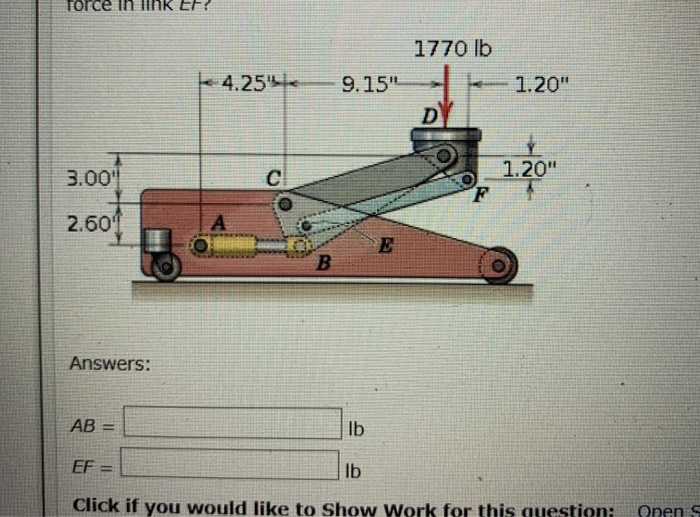
The frame is the main body of the floor jack. It holds all other parts together. The wheels make the jack easy to move. Strong wheels allow smooth rolling on different surfaces.
Hydraulic Cylinder
The hydraulic cylinder creates the lifting force. It uses fluid pressure to raise the saddle. This part is crucial for the jack’s power. The cylinder must be well-sealed to work properly.
Pump And Handle
The pump pushes fluid into the cylinder. You operate the pump using the handle. Moving the handle up and down activates the pump. This action raises the vehicle slowly and steadily.
Saddle And Release Valve
The saddle is the part that touches the vehicle. It supports the weight during lifting. The release valve controls the lowering of the jack. Turning the valve lets fluid flow back, lowering the vehicle safely.
How Hydraulic Pressure Lifts Heavy Loads
Hydraulic pressure is key to lifting heavy loads with a floor jack. It uses a simple but powerful system to raise objects safely and smoothly. The process depends on the movement of hydraulic fluid and force within the jack. This method allows even large weights to be lifted with little effort.
Creating Hydraulic Force
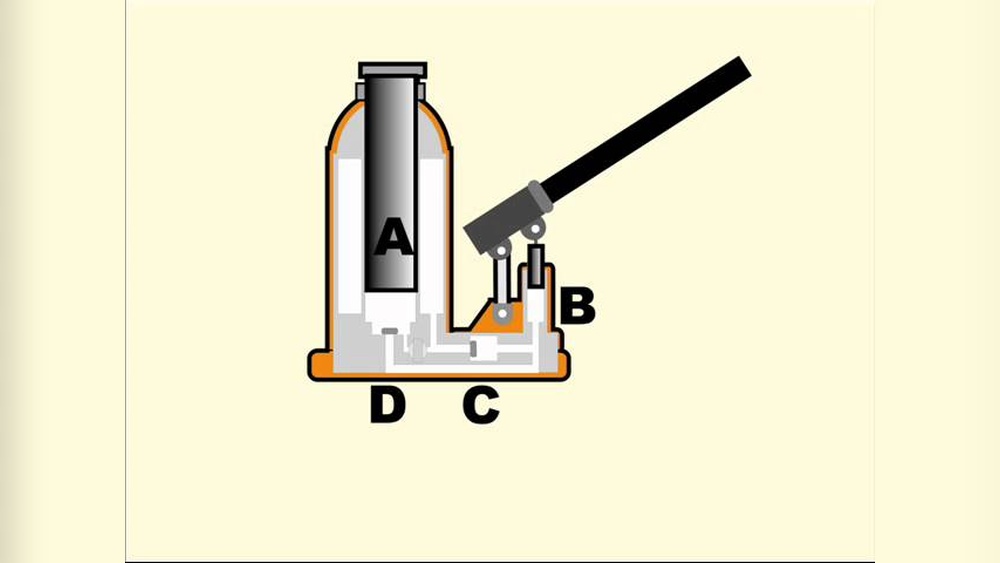
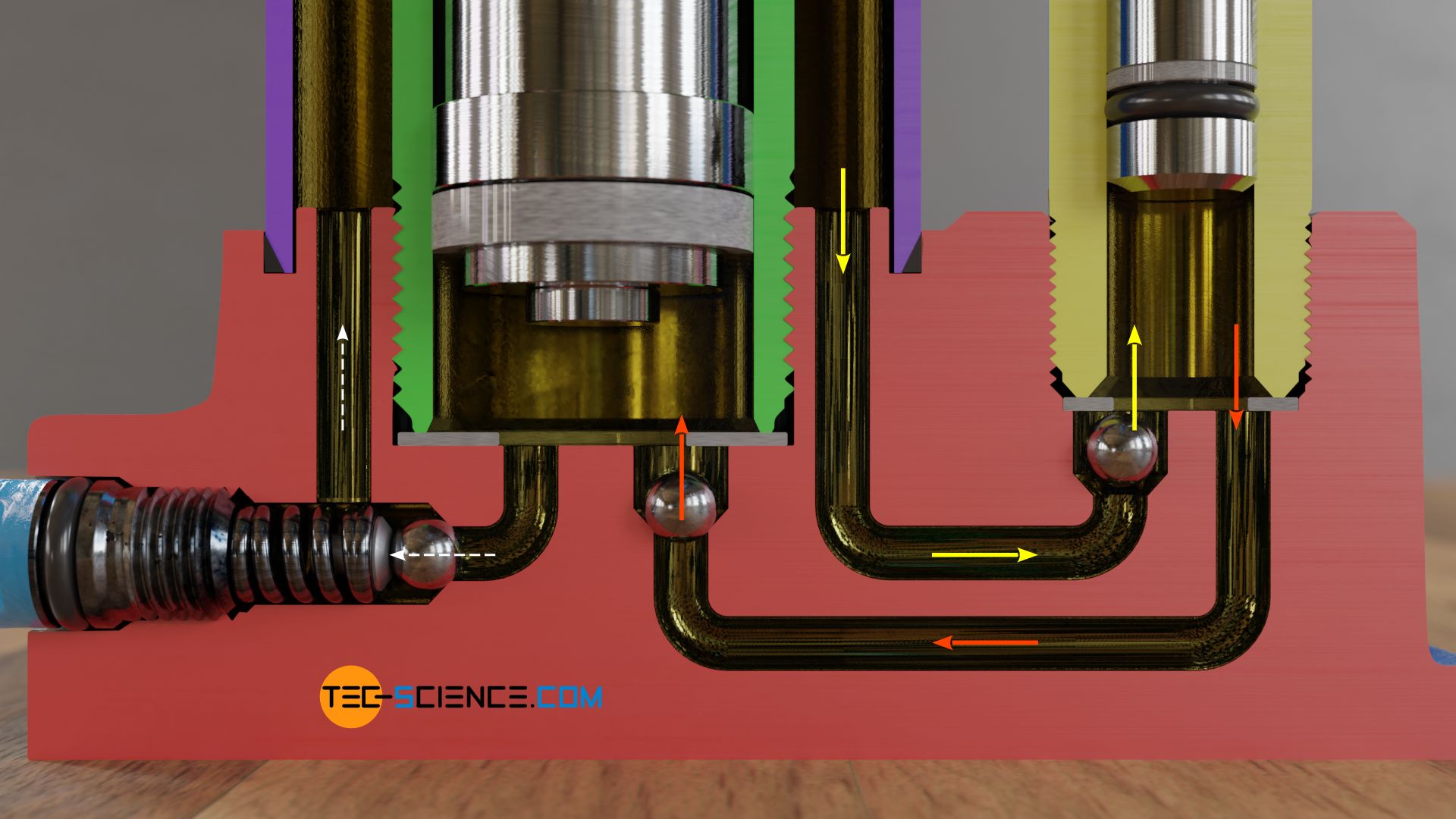
The floor jack has a small piston and a larger piston inside it. When you push the handle, it moves the small piston. This action pushes hydraulic fluid into the larger piston. The difference in piston sizes creates force. This force lifts the heavy load on the jack.
Role Of Hydraulic Fluid
Hydraulic fluid is a special liquid inside the jack. It does not compress, so it transfers force well. The fluid moves from the small piston to the large piston. This movement helps push the large piston up. Without the fluid, the force could not move the load.
Pressure Transmission
Pressure spreads evenly through the hydraulic fluid. This even pressure pushes on the larger piston. The larger piston lifts the load smoothly. The transmission of pressure makes lifting easier. It allows heavy loads to rise with less effort from you.
Step-by-step Lifting Process
The step-by-step lifting process with a floor jack is simple and effective. It lets you lift heavy objects safely and smoothly. Understanding each step helps you use the jack correctly and avoid accidents.
Follow these clear steps to lift a load with confidence. Each step plays an important role in the overall process.
Positioning The Jack
First, place the floor jack on a flat, solid surface. This keeps the jack stable during lifting. Next, align the jack’s saddle under the lifting point on the load. The lifting point is usually a strong metal area made for support. Proper positioning prevents slipping and damage.
Pumping The Handle
After positioning, start pumping the handle up and down. This action moves hydraulic fluid inside the jack. The fluid creates pressure that pushes the piston upward. Each pump raises the saddle slowly. Keep pumping steadily for smooth lifting.
Raising The Load
As you pump, the load begins to rise. Watch carefully to ensure the load lifts evenly. Stop pumping once the load reaches the desired height. Use jack stands to hold the load securely before working underneath. Never rely on the floor jack alone for support.
Safety Features And Mechanisms
Floor jacks help lift heavy vehicles safely. Their safety features keep users protected. These features stop accidents and make work easier.
Understanding these safety mechanisms helps you use the jack properly. It also ensures your safety and the jack’s durability.
Overload Protection
Overload protection stops the jack from lifting too much weight. This feature prevents damage to the jack. It also reduces the risk of accidents. The jack will not rise if the load is too heavy. This keeps users safe and avoids equipment failure.
Stable Base Design
The stable base design keeps the jack steady. It stops the jack from tipping over during use. Wide and strong bases hold the jack firmly on the ground. This design increases balance and safety. It is important on uneven or slippery surfaces.
Controlled Lowering
Controlled lowering lets you lower the vehicle slowly. It avoids sudden drops or quick falls. This mechanism uses a valve to control the speed. Slow lowering protects the vehicle and the user. It also helps in precise positioning of the vehicle.
Common Types Of Floor Jacks
Floor jacks come in several types to suit different needs. Each type has unique features for various lifting tasks. Understanding these types helps choose the right jack for your work.
Steel Vs. Aluminum
Steel jacks are heavy but very strong. They handle heavy loads easily. Aluminum jacks are lighter and easier to carry. They work well for quick jobs and smaller vehicles. Steel jacks last longer but weigh more. Aluminum jacks offer better portability.
Low Profile Jacks
Low profile jacks fit under cars with low ground clearance. Sports cars and lowered vehicles need these jacks. They have a shorter height but can lift high. They provide good stability and easy access. Ideal for garages with limited space.
Service And Racing Jacks
Service jacks are common in shops and garages. They lift various vehicles for repairs. Racing jacks are faster and lighter. They help pit crews change tires quickly. Racing jacks often have a compact design and smooth wheels.

Credit: www.youtube.com
Maintenance Tips For Longevity
Proper maintenance helps your floor jack last longer and work safely. Regular care prevents damage and keeps it ready for use. Simple checks and cleaning can save money and avoid accidents. Follow these maintenance tips to extend your floor jack’s life.
Checking Hydraulic Fluid
Hydraulic fluid is key for smooth lifting. Check the fluid level often to avoid low pressure. Use the fluid type recommended by the manufacturer. Top up the fluid if it is low. Replace old or dirty fluid to keep the jack working well.
Cleaning And Lubrication
Dirt and dust can block moving parts. Clean your floor jack after each use with a dry cloth. Avoid water near hydraulic parts. Lubricate joints and hinges with light oil. This reduces friction and prevents rust on metal parts.
Inspecting Seals And Wheels
Seals keep hydraulic fluid inside the jack. Check seals for cracks or leaks regularly. Replace damaged seals to stop fluid loss. Wheels help move the jack smoothly. Look for cracks or flat spots on wheels. Replace worn wheels to maintain easy movement.
Troubleshooting Common Issues
Troubleshooting common issues with a floor jack helps keep it working well. Many problems are simple to fix. Understanding the signs can save time and effort.
Check the jack often. Catch problems early to avoid big repairs. Basic care and small fixes keep the jack safe and ready.
Jack Not Lifting
When the jack does not lift, first check for air in the hydraulic system. Air stops the jack from building pressure. Bleed the jack by opening the release valve and pumping the handle several times.
Also, inspect the release valve. It should be tightly closed before pumping. If loose, the jack will not lift properly.
Slow Lifting Response
Slow lifting means the jack is working but not well. This often happens if the hydraulic fluid is low or dirty. Check the fluid level and add the correct type if needed.
Old or dirty fluid reduces pressure. Drain and replace it every year to keep the jack smooth and fast.
Fluid Leaks
Fluid leaks show as oil around the jack. Leaks lower fluid levels and cause poor lifting. Look for cracks or worn seals.
Replace damaged seals to stop leaks. Clean the jack regularly to spot leaks early. Fixing leaks keeps the jack safe and strong.
Credit: www.tec-science.com
Frequently Asked Questions
What Is The Primary Function Of A Floor Jack?
A floor jack lifts heavy vehicles safely to perform repairs or maintenance. It uses hydraulic pressure to raise the load smoothly and securely.
How Does A Hydraulic Floor Jack Operate?
Hydraulic fluid is pumped into a cylinder, creating pressure. This pressure pushes a piston, lifting the jack’s arm and the vehicle.
What Safety Precautions Should I Take Using A Floor Jack?
Always use jack stands after lifting. Ensure the jack is on a flat surface and never work under a vehicle supported only by the jack.
Can A Floor Jack Be Used On All Vehicle Types?
Most floor jacks suit cars, trucks, and SUVs. However, always check the jack’s weight capacity and compatibility with your vehicle type.
Conclusion
A floor jack lifts heavy vehicles with simple mechanical parts. It uses hydraulic pressure to raise objects safely. Understanding how it works helps you use it better. Always check the jack before starting any work. Keep safety first to avoid accidents or damage.
With the right care, a floor jack lasts long. Now, you know the basics of this useful tool. Use it wisely and keep your projects safe and easy.