Have you ever faced the frustration of a broken fastener ruining your project? Whether it’s a stripped bolt or a snapped screw, a stuck fastener can bring your work to a grinding halt.
But don’t worry—you’re not alone, and you don’t have to give up. In this guide, you’ll discover simple, effective ways to remove that stubborn broken fastener and get your project moving again. Keep reading, and you’ll learn tricks that save you time, money, and a lot of headaches.

Credit: diy.stackexchange.com
Common Causes Of Broken Fasteners
Broken fasteners cause many repair problems. Understanding why they break helps fix the issue fast. Knowing the common causes stops damage and saves time. Here are some reasons fasteners break during use or removal.
Improper Tightening
Too much force can snap fasteners. Over-tightening stresses the metal beyond its limit. Too little force causes looseness and wear. Both lead to breakage over time.
Corrosion And Rust
Rust weakens fasteners. Moisture and chemicals cause corrosion. Rusty fasteners become brittle and fragile. They break easily under pressure.
Poor Quality Material
Low-grade metals lack strength. Cheap fasteners break faster. Quality matters for durability and safety.
Wear And Tear
Fasteners face friction and vibration. Continuous use wears them down. Old fasteners lose grip and break.
Incorrect Tool Use
Wrong tools damage fasteners. Using pliers or the wrong screwdriver strips heads. Damaged heads break during removal.
Credit: www.metalartspress.com
Tools Needed For Removal
Removing a broken fastener needs the right tools. These tools make the job easier and safer. Using proper tools helps avoid more damage to the material or tool. Keep these tools ready before starting the removal process.
Safety Gear
Wear safety glasses to protect your eyes from metal shards. Use gloves to avoid cuts and scrapes. A dust mask can help if you work with rust or debris.
Penetrating Oil
Penetrating oil loosens rust and corrosion around the fastener. Spray it and wait a few minutes. This makes the fastener easier to remove.
Drill And Drill Bits
A drill helps create a hole in the broken fastener. Use the correct size drill bit. Start slow to avoid slipping or breaking the drill bit.
Extractor Kit
Extractor kits are designed to pull out broken screws or bolts. They have special bits that grip inside the drilled hole. Turn counterclockwise to remove the fastener.
Pliers Or Vise Grips
Pliers or vise grips can hold and twist out broken fasteners. Use them if part of the fastener sticks out. Grip tightly for better control.
Hammer
A hammer helps tap the drill bit or extractor gently. It can also loosen stuck fasteners. Use light taps to avoid damage.
Simple Techniques For Removal
Removing a broken fastener can seem tough. Simple tools and methods often work well. These techniques save time and avoid damage. Try these easy steps before using advanced tools.
Using Pliers Or Vise Grips
Grab the broken fastener firmly with pliers or vise grips. Twist slowly to loosen it. Keep a steady grip to avoid slipping. If the fastener sticks, try another method.
Applying Penetrating Oil
Spray penetrating oil on the broken fastener. Let it sit for 10 to 15 minutes. The oil loosens rust and dirt. After soaking, try to remove the fastener again.
Tapping With A Hammer
Tap the broken fastener gently with a hammer. Use light taps to avoid damage. This helps break rust bonds. After tapping, try turning the fastener with pliers or a wrench.
Advanced Removal Methods
Sometimes, broken fasteners need stronger methods to remove them. Basic tools may not work. Advanced techniques help to get the job done safely and quickly. These methods require care and some special tools.
Drilling Out The Fastener
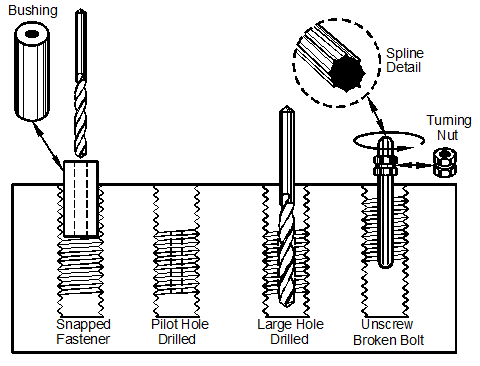
Drilling is a common way to remove stuck fasteners. Use a drill bit slightly smaller than the fastener’s core. Drill carefully into the center. This weakens the fastener and helps remove it. Keep the drill steady to avoid damage. Wear safety glasses to protect your eyes.
Using An Easy Out Extractor
An easy out extractor grips the broken fastener inside the hole. First, drill a small hole in the fastener. Then, insert the extractor and turn it counterclockwise. The tool bites into the metal and pulls it out. This method works best for bolts and screws.
Welding A Nut For Grip
Welding a nut onto the broken fastener creates a strong grip point. Attach the nut by welding it firmly in place. Let it cool, then use a wrench to turn the nut. This method is good when the fastener is flush with the surface. Welding needs proper skills and safety gear.
Preventing Future Breakage
Broken fasteners cause delays and extra costs. Preventing future breakage saves time and effort. Simple steps help keep fasteners strong and reliable. Focus on quality, correct fitting, and regular checks.
Choosing Quality Fasteners
Pick fasteners made from strong materials like stainless steel. Avoid cheap or weak fasteners that break easily. Match the fastener type to the job and environment. Quality fasteners last longer and hold better.
Proper Installation Tips
Use the right tools for tightening fasteners. Tighten fasteners to the recommended torque. Avoid over-tightening or under-tightening to prevent damage. Clean the area before installing fasteners for a secure fit.
Regular Maintenance Checks
Inspect fasteners regularly for signs of wear or rust. Replace damaged or worn fasteners immediately. Tighten loose fasteners to maintain safety. Regular checks catch problems early, avoiding breakage.

Credit: www.youtube.com
Frequently Asked Questions
How Do I Safely Remove A Broken Fastener?
Use penetrating oil to loosen the fastener. Then, try a screw extractor or pliers carefully. Avoid damaging the surrounding material for a safe removal.
What Tools Are Best For Removing Broken Fasteners?
Common tools include screw extractors, pliers, drills, and penetrating oil. Choose tools based on fastener size and location for effective removal.
Can Heat Help In Removing A Broken Fastener?
Yes, applying heat can expand the metal and loosen rust or corrosion. Use a heat gun or torch cautiously to avoid damage.
How To Prevent Fasteners From Breaking In The Future?
Use the correct fastener size and quality. Avoid over-tightening and apply anti-seize lubricant to reduce corrosion and stress.
Conclusion
Removing a broken fastener can feel tricky but is doable. Use the right tools and take your time. Small steps help avoid damage to your work. Practice makes the process easier and faster. Keep safety in mind to protect yourself.
With patience, you can fix many broken fasteners. Don’t rush; steady work leads to success. Now, you are ready to handle these repairs confidently.