Are you struggling to remove stubborn metal wall fasteners without damaging your walls? You’re not alone.
Whether you’re updating your décor or fixing a mistake, getting those fasteners out quickly and cleanly can save you time and frustration. You’ll discover simple, effective methods to remove metal wall fasteners fast—no special tools or expert skills needed. Keep reading to learn how to make this tricky task easier and protect your walls at the same time.
Tools Needed
Removing metal wall fasteners requires the right tools. Having these tools ready saves time and effort. Some tools are basic and common. Others are made specifically for fastener removal. Knowing which tools to use helps you work safely and quickly.
Common Tools For Removal
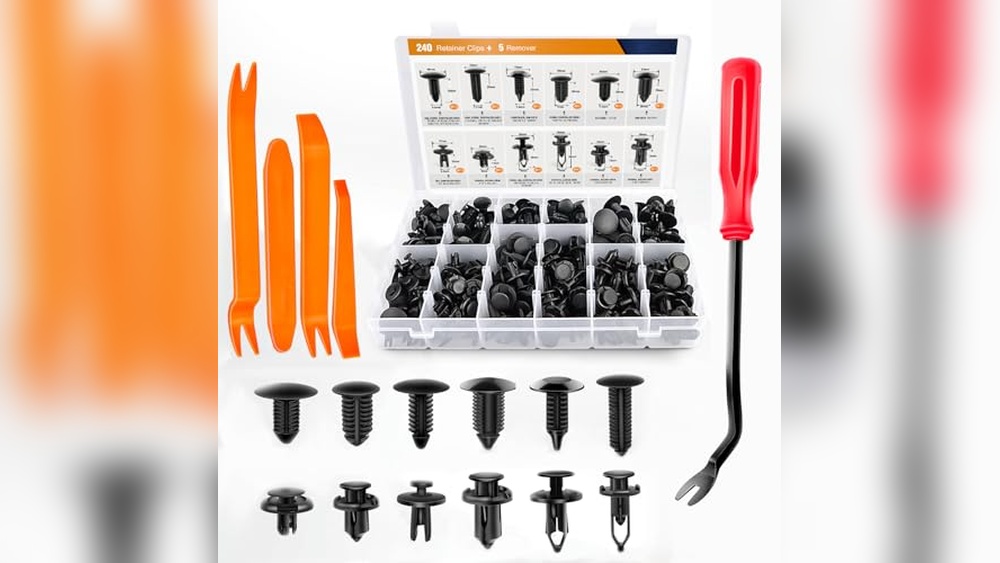
A claw hammer is useful for prying out fasteners gently. Flathead screwdrivers help lift fasteners from tight spots. Pliers give a strong grip on stubborn fasteners. A putty knife can slide under fasteners to loosen them. These tools are easy to find and work well for most jobs.
Specialized Equipment
Sometimes metal wall fasteners need special tools. A fastener removal tool is designed to pull nails or screws without damage. An electric drill with a screw extractor helps with stuck screws. A pry bar offers extra leverage for tough fasteners. These tools make removal faster and reduce damage to walls.

Credit: www.youtube.com
Safety Tips
Safety is important when removing metal wall fasteners. These small tools can cause injuries if handled carelessly. Follow simple safety tips to protect yourself and others around you. Stay focused and work carefully for the best results.
Protective Gear
Wear gloves to protect your hands from sharp edges. Use safety glasses to shield your eyes from flying debris. Choose sturdy shoes to avoid foot injuries. Long sleeves help prevent scratches on your arms. These items reduce the risk of cuts and bruises.
Work Area Preparation
Clear the area around the fasteners. Remove any objects that can cause tripping. Ensure good lighting to see clearly. Place a drop cloth to catch falling pieces. Keep children and pets away from the workspace. A clean area keeps accidents far away.
Identifying Fastener Types
Knowing the type of metal wall fastener helps to remove it quickly. Different fasteners need different tools and methods. Identifying fasteners first makes the job easier. It saves time and prevents damage to the wall or fastener.
Fasteners mainly fall into two groups: screws and nails or rivets. Each group has many types. Understanding their shapes and uses helps in choosing the right removal technique.
Screw Types
Screws have threads that grip the metal firmly. Common types include Phillips, flathead, and hex screws. Phillips screws have a cross-shaped slot. Flathead screws have a single straight slot. Hex screws need a wrench or hex key. Some screws are self-tapping, made to cut their own threads. Knowing the screw type guides the choice of screwdriver or bit.
Nail And Rivet Variations
Nails and rivets do not have threads. Nails are smooth or have small ridges. They often need a hammer or pry bar for removal. Rivets are permanent fasteners with a head and a tail. They hold tightly and need drilling to remove. Pop rivets are common for metal walls. Recognizing rivets avoids trying to unscrew them, saving effort and tools.

Credit: www.reddit.com
Quick Removal Methods
Removing metal wall fasteners can be quick and easy. Using the right tools speeds up the process. This section shows simple methods to get fasteners out fast. These methods need basic tools found in most toolkits. Follow these steps for smooth removal without damage.
Using Screwdrivers And Pliers
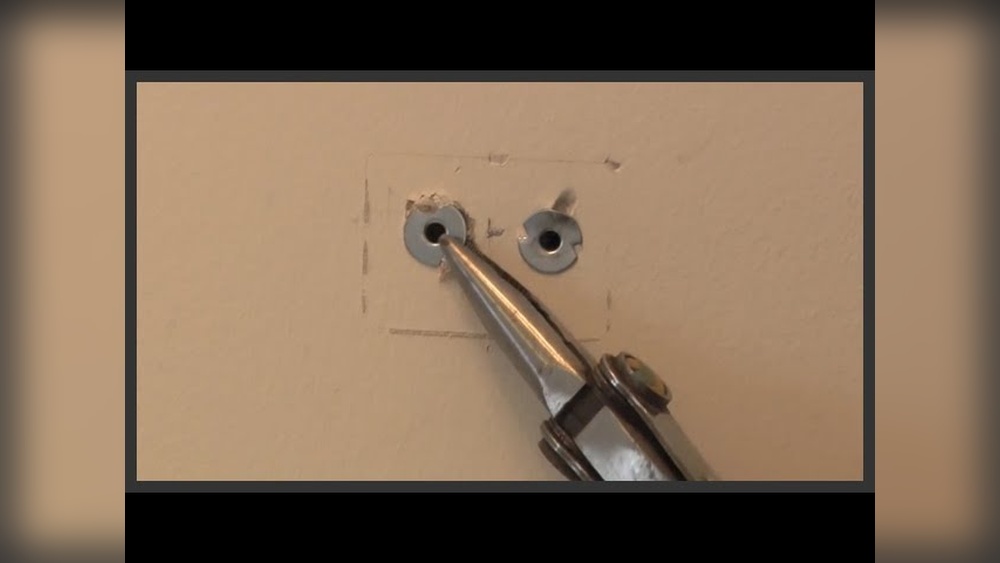
Start by choosing a flathead screwdriver that fits under the fastener’s edge. Gently pry the fastener up a little. Next, grab pliers to hold the fastener firmly. Pull it straight out while twisting slightly. This method works best for loose or shallow fasteners. It gives control and reduces wall damage.
Leveraging Pry Bars
A small pry bar helps remove stubborn fasteners. Place the pry bar’s tip under the fastener’s head. Push down slowly on the handle to lift the fastener. Use a block of wood under the pry bar to protect the wall. Pry bars give strong leverage for tight fasteners. This method is fast and reduces hand strain.
Easy Techniques For Stubborn Fasteners
Stubborn metal wall fasteners can be tough to remove. They often resist simple pulling or twisting. Using the right techniques helps loosen them quickly. These methods reduce damage to walls and save time. Below are two easy tricks to try next time you face a stuck fastener.
Applying Lubricants
Lubricants help reduce friction around the fastener. Spray a small amount of penetrating oil or WD-40. Let it sit for 5 to 10 minutes. The oil seeps into the threads and loosens rust or debris. After waiting, try to unscrew or pull the fastener gently. Repeat if it still feels tight. This method works well for fasteners stuck due to rust or dirt.
Heat Application
Heat can expand metal and break bonds holding the fastener. Use a hair dryer or heat gun on low heat. Aim the heat at the fastener for 30 to 60 seconds. Avoid overheating to protect the wall surface. Once warm, test the fastener by twisting or pulling. The heat softens rust and paint, making removal easier. This technique suits fasteners stuck from paint or corrosion.
Preventing Wall Damage
Removing metal wall fasteners can damage your walls. Preventing damage keeps your walls smooth and clean. Taking care during removal saves time and repair work. Use simple methods to protect your wall surface.
Protective Padding
Place soft padding between tools and the wall. Use cloth, sponge, or foam for cushioning. This stops scratches and dents during fastener removal. Padding absorbs pressure and protects paint and drywall. Always check the padding is thick enough.
Gentle Extraction Tips
Pull fasteners slowly and evenly to avoid wall damage. Use pliers or a fastener remover with care. Twist fasteners slightly to loosen them before pulling. Avoid using too much force or jerking motions. Take breaks if the fastener feels stuck. Patience helps keep walls intact.
Tips For Fastener Disposal
Removing metal wall fasteners creates waste that needs proper disposal. Proper disposal helps protect the environment and keeps your space safe. Following these tips will guide you on how to handle fastener waste responsibly.
Recycling Options
Metal fasteners can often be recycled. Separate them from other trash to avoid contamination. Many local recycling centers accept metal scraps. Check with your local facility for specific rules. Small fasteners may need to be collected in a container before recycling. Recycling saves resources and reduces landfill waste.
Safe Waste Management
Handle fasteners carefully to avoid injury. Use gloves when collecting sharp or rusty pieces. Store fasteners in a sturdy container before disposal. Do not throw them loosely in bins. Proper storage prevents accidents and keeps waste manageable. Follow local guidelines for metal waste disposal. Safe handling protects you and others around you.

Credit: www.youtube.com
Frequently Asked Questions
How Do I Remove Metal Wall Fasteners Safely?
Use a flathead screwdriver or pliers to gently pry the fastener. Work slowly to avoid wall damage. Apply steady pressure until the fastener loosens.
What Tools Are Best For Metal Wall Fastener Removal?
A flathead screwdriver, needle-nose pliers, or a pry bar work well. Choose tools that fit snugly and provide control during removal.
Can I Reuse Metal Wall Fasteners After Removal?
Yes, if the fasteners are undamaged and clean, they can be reused. Inspect them closely for bends or rust before reinstalling.
How To Prevent Wall Damage When Removing Fasteners?
Work slowly and apply even pressure. Use a putty knife to support the wall surface. Fill any small holes with spackle afterward.
Conclusion
Removing metal wall fasteners does not have to be hard. Use the right tools and take your time. Apply steady pressure to avoid damage. Keep the area clean and organized. Practice on a scrap piece first if possible. This helps you gain confidence and skill.
With patience, you can do the job quickly and safely. Remember, careful steps lead to better results. Now, you are ready to handle metal wall fasteners easily.