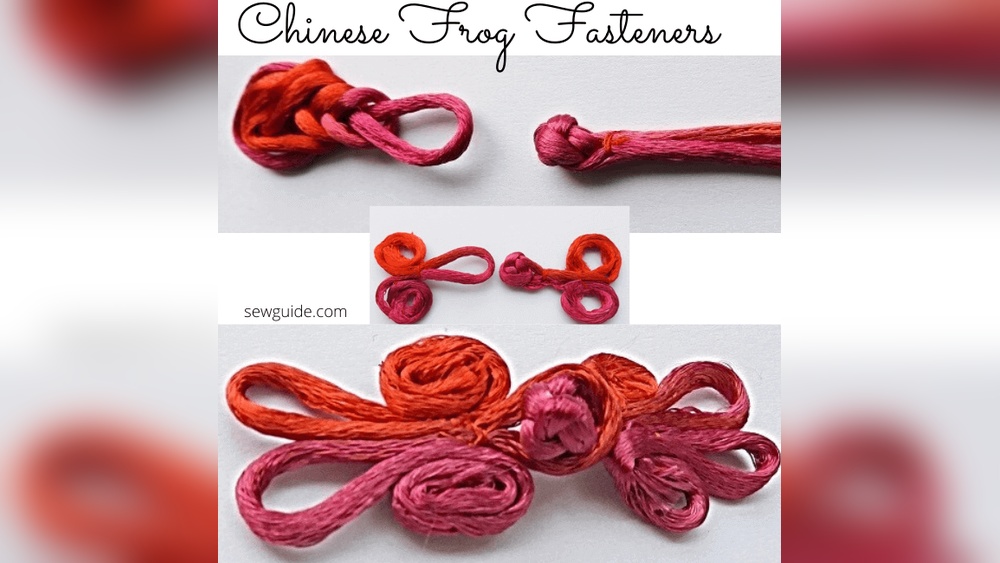
Are you looking to add a unique and beautiful touch to your crafts or home decor? Learning how to make a Chinese knot fastening is easier than you think, and it can instantly elevate your projects with its elegant and meaningful design.
Whether you want to create a stylish bracelet, a decorative tassel, or a special gift, mastering this skill will give you a creative edge. Keep reading, and you’ll discover simple steps to make your own Chinese knot fastening quickly and confidently.
Your creativity is about to get a whole new twist!

Credit: sewguide.com
Materials Needed
Gathering the right materials is the first step to creating a beautiful Chinese knot fastening. Using proper supplies ensures your knot looks neat and lasts long. Each item plays a specific role in shaping the final piece.
Let’s explore the materials needed to start your knotting project. This guide helps you pick the best cord and tools for success.
Choosing The Right Cord
Select a cord that is smooth and strong. Nylon and satin cords work well for Chinese knots.
These cords have a shiny surface and hold shapes nicely. They also resist fraying, which keeps your knot tidy.
Pick a thickness between 1mm and 3mm. Thin cords are easier to knot tightly.
Choose colors that match your design ideas. Bright reds and golds are traditional choices.
Additional Tools
Some tools make knotting easier and more precise. Scissors are essential to cut your cord cleanly.
Use a lighter or glue to seal the ends. This prevents the cord from unraveling.
A flat surface or knot board helps keep your work steady. Pins can secure the cord as you shape the knot.
Tweezers or a needle can assist with tight loops and small adjustments.

Credit: www.youtube.com
Basic Knot Types
Chinese knot fastening uses many basic knots. Each knot has a special shape and meaning. Learning these knots helps you create beautiful designs. They are simple but elegant. Practice these knots to start your Chinese knot journey.
Single Coin Knot
The Single Coin Knot looks like a circle. It is simple and quick to make. You loop the cord once and pull it tight. This knot symbolizes good luck and wealth. Use it as a base for many other knots.
Double Coin Knot
The Double Coin Knot has two loops that cross. It looks like two coins joined together. This knot means harmony and partnership. You create it by linking two Single Coin Knots. It adds more detail to your project.
Pan Chang Knot
The Pan Chang Knot is more complex and decorative. It has many loops and twists in a square shape. This knot represents eternity and long life. It is often used in jewelry and home decor. Practice slowly to make it neat and even.
Preparing The Cord
Preparing the cord is the first step in making a Chinese knot fastening. This step ensures the cord is ready and easy to work with. Proper preparation helps the knot look neat and last longer. Follow these key steps to get the cord ready for knotting.
Measuring And Cutting
Start by measuring the cord length. Use a ruler or tape measure. Make sure the cord is long enough for your knot. Cutting too short will cause problems later. Cut the cord with sharp scissors. A clean cut prevents fraying and makes knotting easier.
Sealing The Ends
Seal the ends of the cord to stop fraying. Use a lighter or candle flame carefully. Hold the cord end near the flame but do not burn it. The heat melts the fibers and keeps them together. Alternatively, use clear nail polish for sealing. This keeps the ends smooth and tidy.
Step-by-step Knotting
Step-by-step knotting helps you create a beautiful Chinese knot fastening. Follow simple steps to make the perfect knot. Patience and practice bring great results. This guide shows you how to start, weave, and finish your knot easily.
Starting The Knot
Begin by choosing a strong, smooth cord. Cut it to your desired length. Fold the cord to find the center point. Hold the center firmly between your fingers. Form a loop by crossing the cords carefully. This loop is the base of your knot. Make sure the loop is neat and even.
Weaving The Pattern
Take one end of the cord and pass it over the loop. Then weave it under the other cord. Follow a simple over-under pattern. Repeat weaving both ends around the loop. Keep the pattern tight but flexible. This weaving creates the unique design of the Chinese knot.
Tightening And Adjusting
Slowly pull both ends of the cord. Tighten the knot evenly from all sides. Adjust loops to keep the shape balanced. Smooth out any twists or bumps. Check the knot for symmetry and firmness. A well-tightened knot looks clean and holds strong.
Adding Decorative Elements
Adding decorative elements can make your Chinese knot more beautiful and unique. These touches give your knot a personal style. Simple decorations can turn a plain knot into a lovely accessory. Use beads and tassels to add color and texture. These small details bring life to your work.
Incorporating Beads
Beads add shine and color to the knot. Choose beads that match your thread color. Slide beads onto the thread before tying the knot. Place beads where the knot curves or loops. This makes your knot look elegant and rich. Use different bead sizes for a dynamic look. Secure beads tightly so they do not slip. Beads create a sparkling effect under light.
Using Tassels
Tassels add flow and movement to the knot. Attach a tassel to the end of the knot. Choose tassels with colors that blend or contrast. Soft tassels give a gentle, graceful touch. Make sure the tassel is secure and does not fall off. Tassels make your knot look traditional and stylish. They also add a nice finishing touch.
Finishing Touches
Finishing touches are key to perfecting your Chinese knot fastening. They keep the knot neat and strong. These final steps make sure your knot lasts long and looks great.
Securing The Knot
Hold the knot tight to avoid loosening. Use a small drop of clear glue on the ends. This helps the knot stay firm. Let the glue dry completely before moving on. Avoid too much glue to keep it neat.
Trimming Excess Cord
Cut off extra cord close to the knot. Use sharp scissors for a clean cut. Leave a tiny bit to prevent the knot from unraveling. After trimming, gently press the ends to smooth them. This step gives a tidy finish to your knot.
Common Mistakes To Avoid
Making a Chinese knot fastening looks simple, but many beginners face common problems. These mistakes can ruin the knot’s shape and strength. Avoiding them helps create a neat and strong knot every time.
Uneven Tension
Tension means how tight you pull the cords. Uneven tension makes the knot look messy. Some parts may be too tight, others too loose. This causes the knot to lose its shape.
Keep the tension even as you pull each section. Use your fingers to adjust the tightness slowly. Consistent tension makes the knot firm and beautiful.
Improper Cord Length
Using the wrong cord length causes frustration. Too short means you cannot finish the knot. Too long creates extra cord that is hard to manage.
Measure carefully before starting. Choose a length a bit longer than needed. This gives you space to work without running out of cord.
Creative Uses For Chinese Knots
Chinese knots are more than just decorative fastenings. They carry meaning and tradition. Their creative uses bring beauty and culture into daily life. These knots can enhance many items, making them special and unique.
Jewelry And Accessories
Chinese knots add charm to jewelry like bracelets and necklaces. They create elegant pendants or delicate charms. Their shapes and colors suit many styles. A simple knot can transform plain accessories into eye-catching pieces. People enjoy wearing knots that symbolize luck and happiness. They make great gifts with cultural meaning. Small knots also decorate handbags or keychains. They add a personal touch without much effort.
Home Decor
Chinese knots brighten home spaces with traditional flair. Hang them as wall art or window decorations. They look lovely on curtain ties or lampshades. Knots can be part of table settings or cushions. Their intricate designs bring texture and color. Use knots to decorate gift boxes or jars. They create a warm, inviting atmosphere. These decorations blend well with many styles, from classic to modern.

Credit: www.amazon.com
Frequently Asked Questions
What Materials Are Needed For Chinese Knot Fastening?
You need nylon or silk cord, scissors, a lighter, and a needle. These materials ensure durability and neatness in your Chinese knot fastening project.
How Do I Start Making A Basic Chinese Knot?
Begin by folding the cord into loops and crossing ends symmetrically. Tighten carefully to form the classic Chinese knot shape.
Can Chinese Knot Fastening Be Used For Clothing?
Yes, Chinese knots serve as decorative buttons or fasteners on garments. They add traditional charm and secure closures effectively.
How Long Does It Take To Make A Chinese Knot?
A simple Chinese knot usually takes 10 to 20 minutes. Complex designs may require more time and practice.
Conclusion
Making a Chinese knot fastening is simple with practice. Start with the basic steps and go slow. Each knot shows your patience and care. Use good quality cord for best results. These knots add beauty to clothes and gifts. Try different styles to find what you like.
Enjoy the process and keep creating. Your skills will grow with each knot tied. This traditional craft connects you to rich culture. Keep practicing, and soon you will make perfect knots.