If you’ve ever struggled with bulky screws or bolts when securing panels or access points, quarter turn fasteners offer a simple and efficient solution. These clever fasteners lock and unlock with just a quick twist—saving you time and hassle.
But how do you install them correctly to ensure a secure fit every time? In this guide, you’ll learn step-by-step how to install quarter turn fasteners with ease, whether you’re working on automotive panels, aircraft components, or custom projects. Keep reading to discover the tools you need, the right techniques, and tips to make your installation smooth and reliable.
Your projects deserve fasteners that work as hard as you do—let’s get started!
Quarter Turn Fasteners Basics
Quarter turn fasteners provide a quick and secure way to join panels and parts. They work by turning a stud just a quarter of a rotation to lock or unlock. These fasteners are easy to use and reliable for many applications. Understanding their basics helps with proper installation and use.
Types And Components
Quarter turn fasteners come in several types. The most common are stud and receptacle pairs. The stud is the part you turn, and the receptacle is where it locks. Some fasteners include washers or springs for better grip. Materials range from steel to plastic, depending on strength needs.
How They Lock And Unlock
To lock, insert the stud into the receptacle. Then turn it 90 degrees clockwise. This action pulls the parts tight and holds them firmly. To unlock, turn the stud 90 degrees counterclockwise. The fastener releases quickly without tools. This simple motion makes them very efficient.
Common Uses And Benefits
Quarter turn fasteners are used in aviation, automotive, and electronics. They secure panels, doors, and covers that need frequent access. Benefits include fast installation, strong hold, and easy removal. Their design reduces wear on parts and speeds up maintenance tasks.
Tools Needed
Installing quarter turn fasteners requires specific tools. These tools make the process easier and more precise. Having the right tools saves time and prevents damage. Below are the essential tools grouped by their use.
Installation Kits
Installation kits include all parts needed for fitting quarter turn fasteners. Kits often come with the fasteners, receptacles, and mounting hardware. Some kits include specialized drivers or wrenches for tightening. Using a kit ensures you have compatible parts and tools.
Drilling And Marking Tools
Marking tools help locate exact holes for fasteners. Use a pencil or scribe for clear marks. A center punch creates small indentations to guide drilling. Drill bits must match the fastener size for a snug fit. A power drill or hand drill is necessary for making holes.
Adjustment And Fabrication Tools
Adjustment tools help align and secure fasteners properly. A small screwdriver or hex key adjusts the fastener tension. Pliers assist in bending or holding parts during fitting. A file or deburring tool smooths rough edges after drilling. These tools improve the final fit and function.
Preparing For Installation
Preparing for installation is a key step in fitting quarter turn fasteners correctly. It ensures the fasteners hold firmly and the panels stay secure. Taking time to prepare reduces errors and saves effort later.
Start by checking all tools and materials needed. Clear your workspace for easy access. Focus on accuracy and cleanliness during the process.
Measuring And Marking Locations
Measure the exact spots where fasteners will go. Use a tape measure or ruler for precision. Mark these spots clearly with a pencil or marker. Double-check measurements to avoid mistakes.
Keep marks visible but neat. Proper marking helps align fasteners evenly. This step prevents uneven fitting and panel gaps.
Drilling Holes And Backing Plates
Choose the right drill bit size for your fasteners. Drill holes carefully at the marked points. Make sure holes are straight and clean. Remove any burrs or debris inside the holes.
Install backing plates if your fasteners require them. These plates provide extra support. Secure them firmly to prevent movement later.
Cleaning And Aligning Panels
Clean the surfaces of panels before attaching fasteners. Remove dust, grease, or any dirt. This ensures better contact and grip.
Align the panels precisely where they will be joined. Hold panels steady and check alignment from different angles. Proper alignment helps the fasteners work smoothly.
Installing The Fasteners
Installing quarter turn fasteners ensures secure and quick panel attachment. Proper installation prevents loosening and keeps parts aligned. Follow steps carefully for best results.
Attaching Lower And Upper Components
Start by positioning the lower component firmly on the panel or frame. Align the upper component above it, matching the holes accurately. Press the parts together gently but securely. This alignment helps the fastener work smoothly without damage.
Inserting And Securing Studs
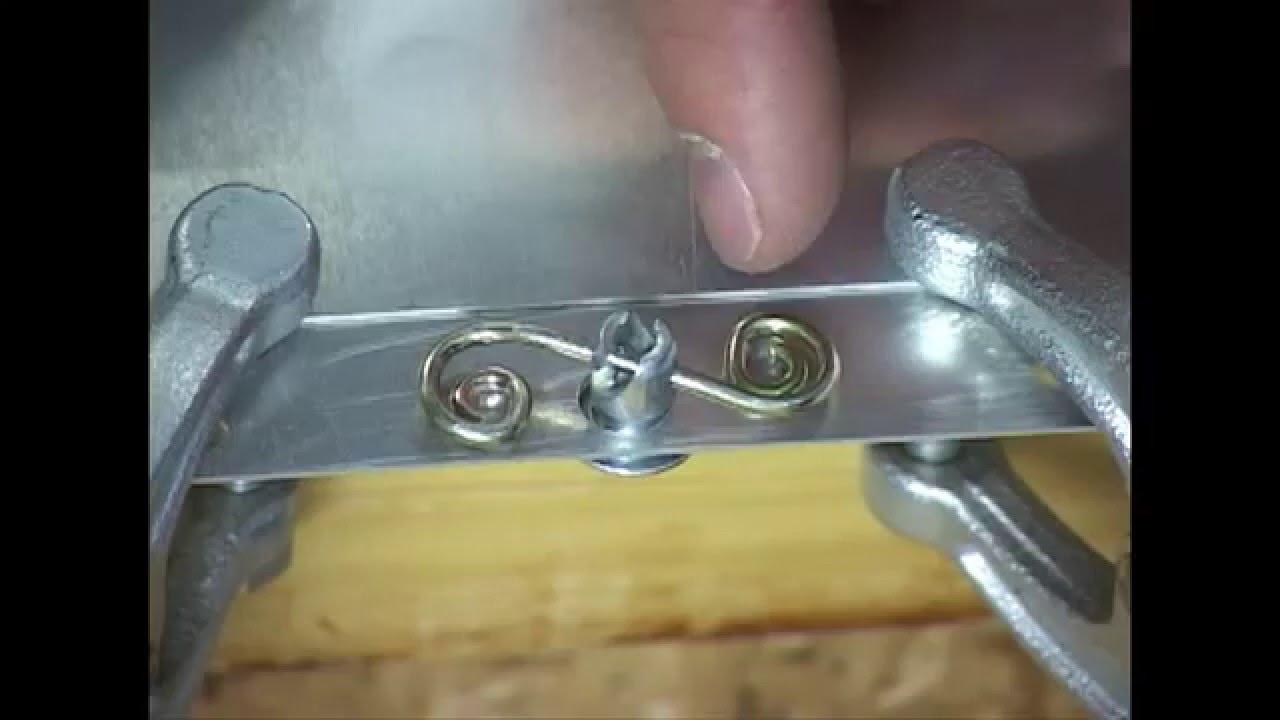
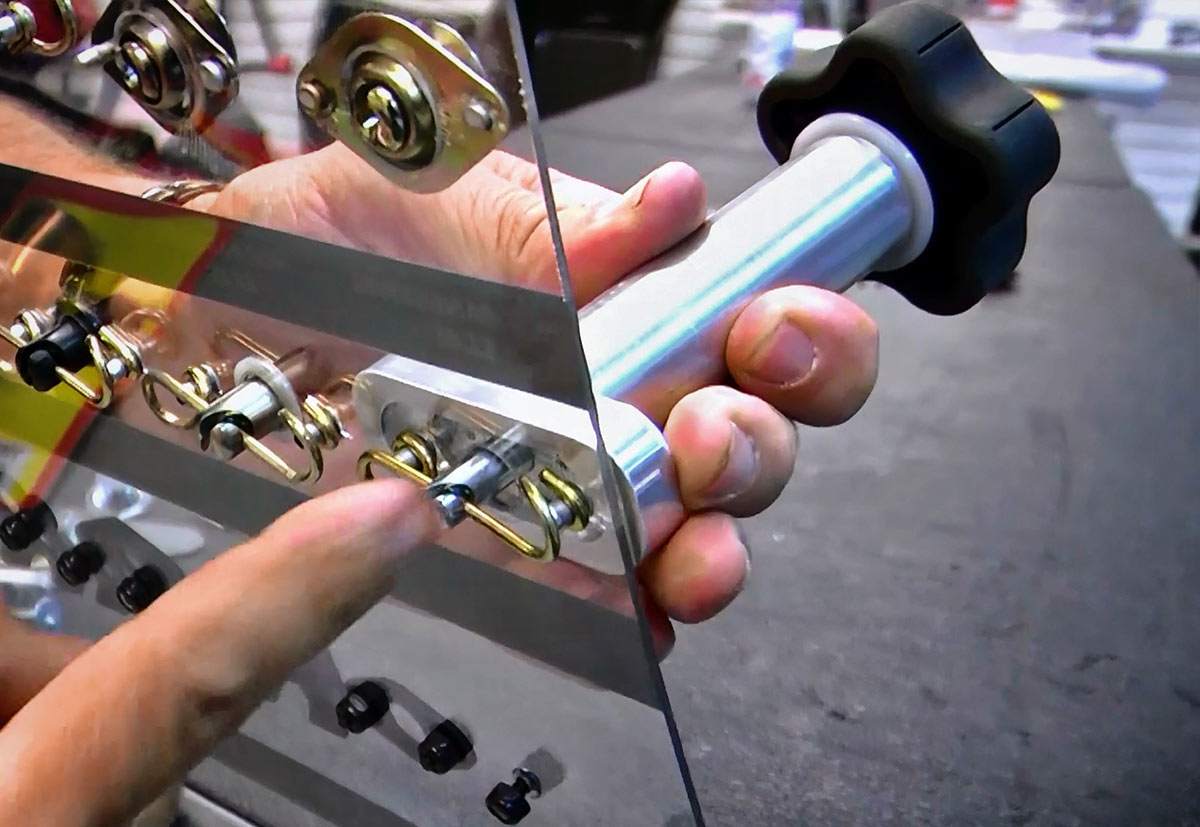
Insert the stud into the lower component’s hole with a straight motion. Push the stud fully until it fits snugly. Turn the stud clockwise about 90 degrees to lock it. The quarter turn locks the stud, holding the parts tightly together.
Using Springs And Tabs Correctly
Place the spring between the fastener components to add tension. Make sure tabs on the spring fit into designated slots. The spring keeps the fastener secure by maintaining pressure. Check tabs for proper engagement before final tightening.
Adjusting And Testing
Adjusting and testing quarter turn fasteners is a key step after installation. Proper adjustment ensures secure fastening and easy panel removal. Testing helps confirm the fastener works smoothly without damage.
Ensuring Proper Locking Tension
Turn the fastener clockwise until you feel resistance. The panel should hold firmly without wobbling. Avoid over-tightening as it can damage the fastener or panel. The correct tension keeps panels secure during use.
Releasing And Reinstalling Panels
To release, turn the fastener counterclockwise about a quarter turn. The panel should lift away easily without force. When reinstalling, align the fastener with the receptacle and twist it back to lock. This simple action saves time during maintenance.
Troubleshooting Common Issues
If the fastener does not lock, check alignment with the receptacle. Dirt or debris may block the locking mechanism; clean it carefully. If the panel moves after locking, tighten the fastener slightly. Replace damaged fasteners to maintain safety and function.

Credit: www.steevesagencies.com
Maintenance Tips
Maintaining quarter turn fasteners keeps them working smoothly and lasting longer. Simple care prevents damage and costly replacements. Follow these easy steps to ensure your fasteners stay reliable and safe.
Lubrication And Cleaning
Clean fasteners regularly to remove dirt and debris. Use a soft brush or cloth for gentle cleaning. Apply light lubricant to moving parts. This reduces friction and prevents rust. Avoid heavy oils that attract dust. Proper lubrication keeps the fastener turning easily.
Replacing Worn Parts
Check fasteners often for signs of wear or damage. Look for cracks, bent studs, or stripped threads. Replace parts that no longer fit securely. Using worn components risks failure and panel damage. Keep spare fasteners on hand for quick swaps.
Extending Fastener Life
Install fasteners correctly to avoid early wear. Use the right tools and avoid over-tightening. Store fasteners in a dry place to prevent corrosion. Inspect fasteners before each use. Small efforts add up to longer fastener life and better performance.
Safety And Best Practices
Installing quarter turn fasteners requires careful attention to safety and best practices. Following proper steps protects you and ensures the fasteners work well. Understanding safety rules helps avoid accidents and damage. Use the right tools and techniques during installation. This section covers key safety tips to keep your work safe and effective.
Welding And Mounting Precautions
Wear protective gear like gloves and a welding mask. Make sure the area is well-ventilated to avoid harmful fumes. Check that the parts are clean and free of grease before welding. Secure the fastener firmly to prevent movement during welding. Avoid overheating the fastener as it can weaken the metal. Allow the welded parts to cool naturally before handling.
Handling Tools Safely
Use tools designed for quarter turn fasteners only. Inspect tools before use to ensure they are in good condition. Keep your hands clear from moving parts and sharp edges. Work on a stable surface to avoid slips or falls. Store tools properly after use to prevent accidents. Follow manufacturer instructions for each tool carefully.
Avoiding Installation Mistakes
Measure and mark the mounting points accurately before starting. Do not force the fastener into the hole; it should fit smoothly. Check alignment often during installation to prevent misfits. Tighten fasteners only as much as needed to avoid damage. Test the fastener operation before finalizing the installation. Replace any damaged fasteners immediately to maintain safety.
Credit: www.youtube.com
Credit: dragrace.academy
Frequently Asked Questions
How To Use Quarter Turn Fasteners?
Insert the stud into the receptacle, then turn it a quarter clockwise to lock. Turn counterclockwise to release. Use consistent pressure while turning for secure fastening.
What Are Quarter Turn Fasteners?
Quarter turn fasteners secure panels by locking with a simple 90-degree turn. They offer quick, tool-free fastening and easy release.
How To Put On Prong Fasteners?
Align prong fasteners with holes. Slide prongs through completely. Press firmly to secure them in place.
How To Fit Dzus Fasteners?
Insert the Dzus fastener upside down through the hole. Twist it a quarter turn to lock securely in place.
Conclusion
Installing quarter turn fasteners is straightforward and efficient. Follow each step carefully for secure fitting. Use the right tools to avoid damage or misalignment. These fasteners provide quick access and strong hold for panels. Practice the twisting motion to lock and unlock smoothly.
With patience, you will install them like a pro. Keep your workspace organized for easier handling. Now, you can enjoy the convenience these fasteners bring to your projects.