Are you curious about how your motor starter stays safe from damage during those high-current startup moments? Understanding whether magnetic overloads are fastened to a starter is key to protecting your equipment and ensuring smooth operation.
You’ll discover exactly what magnetic overloads do, why they matter, and how they work alongside your starter to prevent costly overheating and failure. Keep reading to learn how this crucial component shields your motor and keeps your system running efficiently.
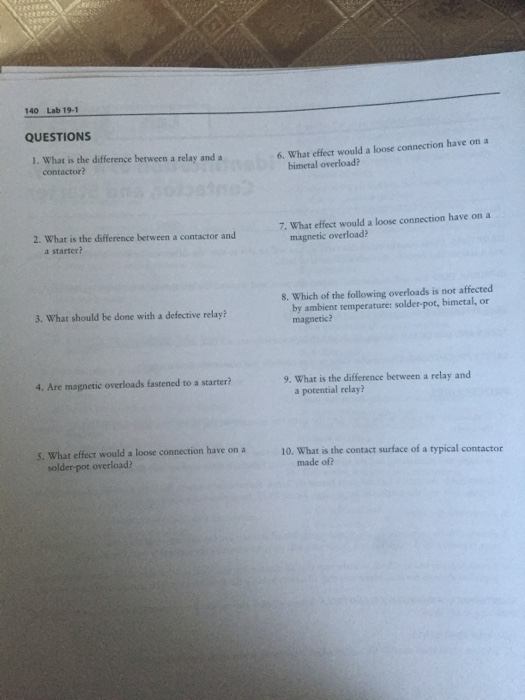
Credit: www.chegg.com
Role Of Magnetic Overloads
Magnetic overloads protect starter motors by detecting abnormal current levels. They work quickly to stop damage caused by overheating. These devices use magnetic forces to sense excess current. Once triggered, they interrupt the electrical flow to the starter motor.
Electromagnetic Operation
Magnetic overloads operate using electromagnetic principles. Inside, a coil creates a magnetic field when current passes through it. The strength of this field increases with higher current. This magnetic force moves a metal part linked to the switch mechanism.
Response To Current Surges
When current surges beyond a safe limit, the magnetic field becomes strong. It pulls the metal part quickly to activate the overload. This fast response prevents damage by stopping excessive heat buildup. The overload reacts only to sudden current spikes, not normal motor operation.
Triggering Circuit Interruption
The moving metal part opens the starter motor circuit. This breaks the electrical connection instantly. Cutting power prevents further current flow and protects the motor. After the overload trips, the system must be reset before restarting.

Credit: www.amazon.sa
Connection To Starter Systems
Installing and maintaining magnetic overloads on starters ensures motor protection and longevity. Proper handling avoids failures and costly repairs. Follow clear steps for mounting, inspections, and troubleshooting. This keeps the system running smoothly and safely.
Proper Mounting Practices
Secure the magnetic overload firmly to the starter base. Align it correctly to avoid strain on connections. Use the manufacturer’s recommended screws and torque values. Ensure all terminals are clean before connecting wires. Avoid loose fittings to prevent vibration damage.
Regular Inspection Procedures
Check the overload device monthly for any signs of wear or damage. Look for discoloration or burnt marks on terminals. Test the device by simulating overload conditions carefully. Clean dust and debris from the starter and overload area. Replace any worn parts immediately to maintain protection.
Troubleshooting Overload Issues
Identify frequent trips by checking motor load and wiring. Use a multimeter to test the resistance of the overload coil. Inspect for loose connections causing intermittent faults. Reset the overload only after confirming the cause of the trip. Consult the manual for error codes or abnormal readings.

Credit: breakeroutlet.com
Frequently Asked Questions
What Is A Starter Magnetic Switch?
A starter magnetic switch controls high current to the motor starter coil. It safely powers the starter motor during engine startup.
What Is A Magnetic Line Voltage Motor Starter?
A magnetic line voltage motor starter controls motor power using an electromagnetic switch. It safely starts and stops motors by handling high current loads.
Why Is A Motor Starter Equipped With Overload Protection For A System That Already Has A Fuse?
A motor starter’s overload protection prevents motor damage from prolonged overheating. Fuses only protect against short circuits, not gradual overloads. This ensures precise, adjustable protection for motor longevity and safe operation, complementing the fuse’s role in system safety.
What Causes The Overload Of A Starter To Open And Disable The Power Circuit?
Overload in a starter occurs due to excessive current from motor stalls or mechanical jams. This triggers the starter’s protective device to open and disable the power circuit, preventing motor damage and overheating.
Conclusion
Magnetic overloads connect directly to the starter to protect it. They stop too much current that can cause damage. This helps keep the starter motor safe and working well. Without magnetic overloads, starters might overheat or fail quickly. Knowing their role helps in maintaining engine starters properly.
Always check that magnetic overloads are correctly fastened to ensure safety. This simple step supports reliable engine starts every time.