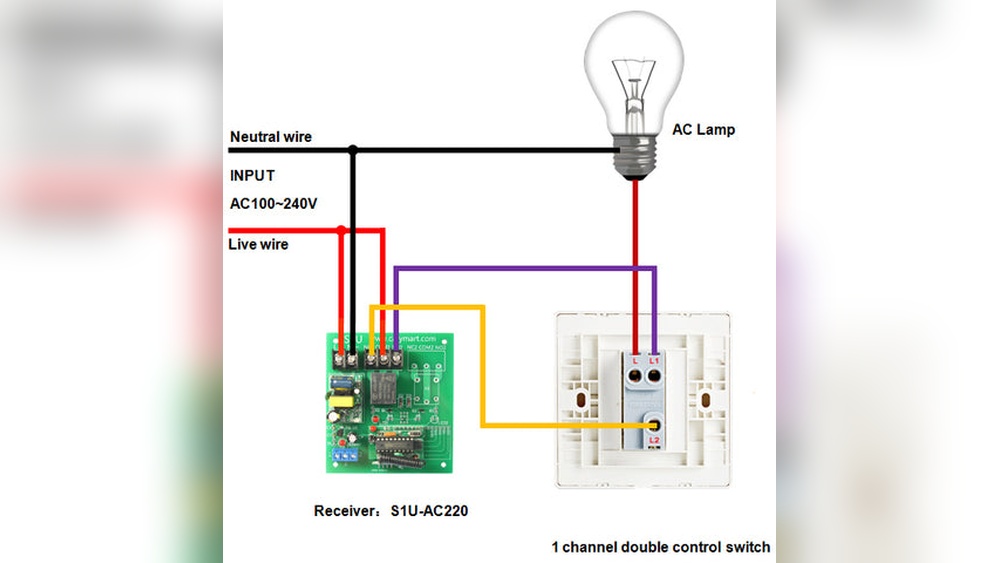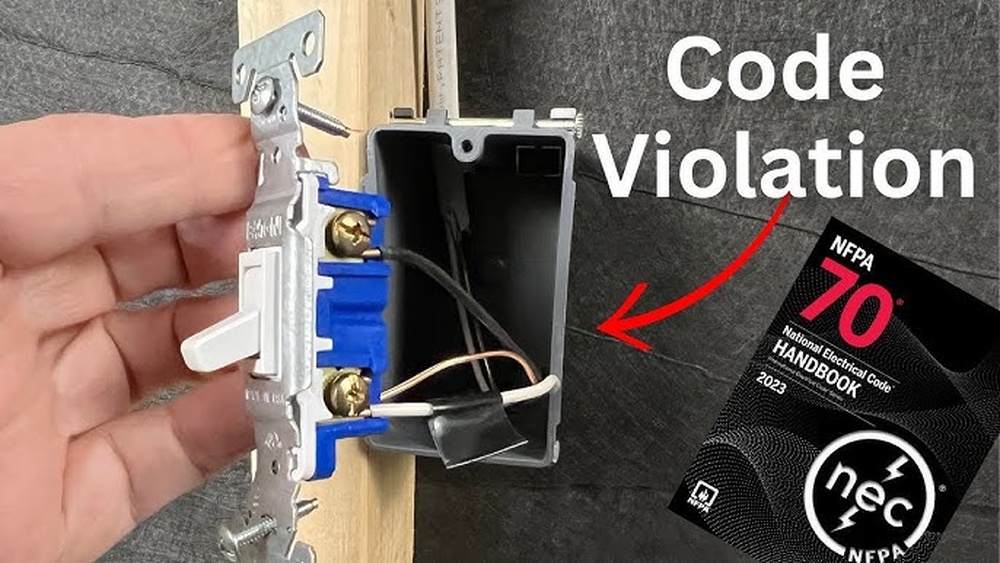
Have you ever wondered if electrical code allows you to run power to a light fixture before the switch? It’s a common question that can affect how you plan your wiring and keep your home safe.
Understanding the rules around this can save you time, money, and headaches during installation or repairs. You’ll discover what the code says, why it matters for your project, and how to handle your wiring the right way. Keep reading to make sure your lighting setup is both code-compliant and hassle-free.
Code Basics For Lighting Circuits
Understanding electrical codes is essential for safe lighting installation. Codes set clear rules to prevent hazards. These rules guide wiring, switches, and power sources.
Following codes ensures your lighting works correctly and safely. It also helps pass inspections and avoid costly mistakes.
Key Electrical Codes To Know
The National Electrical Code (NEC) is the main reference. It defines how lighting circuits should be wired. NEC requires proper grounding and correct circuit protection.
Wiring must meet local code requirements, which may vary by area. Always check local codes before starting any project. NEC Article 404 covers switch wiring rules. Article 410 focuses on lighting fixtures.
Wiring Requirements For Lighting
Lighting circuits usually use 14 or 12 gauge wire. The wire size depends on the circuit’s amperage. A 15-amp circuit uses 14 gauge wire. A 20-amp circuit requires 12 gauge wire.
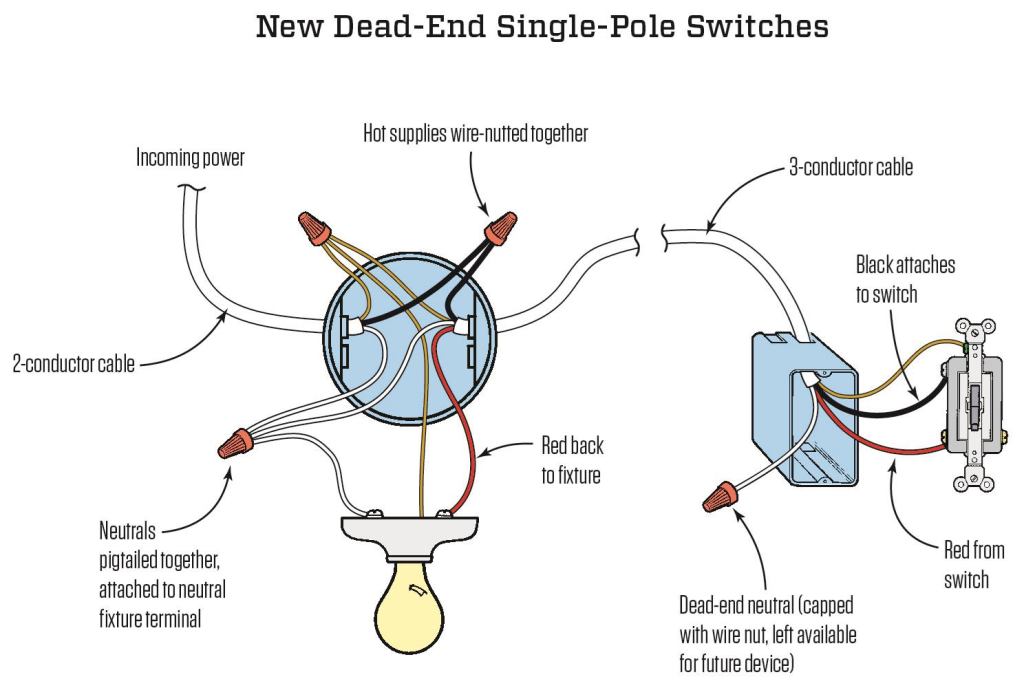
Power can be fed to the light fixture first or to the switch first. Both methods are allowed if done correctly. The switch must break the hot wire, not the neutral. Proper connections and wire nuts must be used.
Always label wires clearly. Use cable clamps to secure wiring inside boxes. Boxes must have enough space for wires and devices.
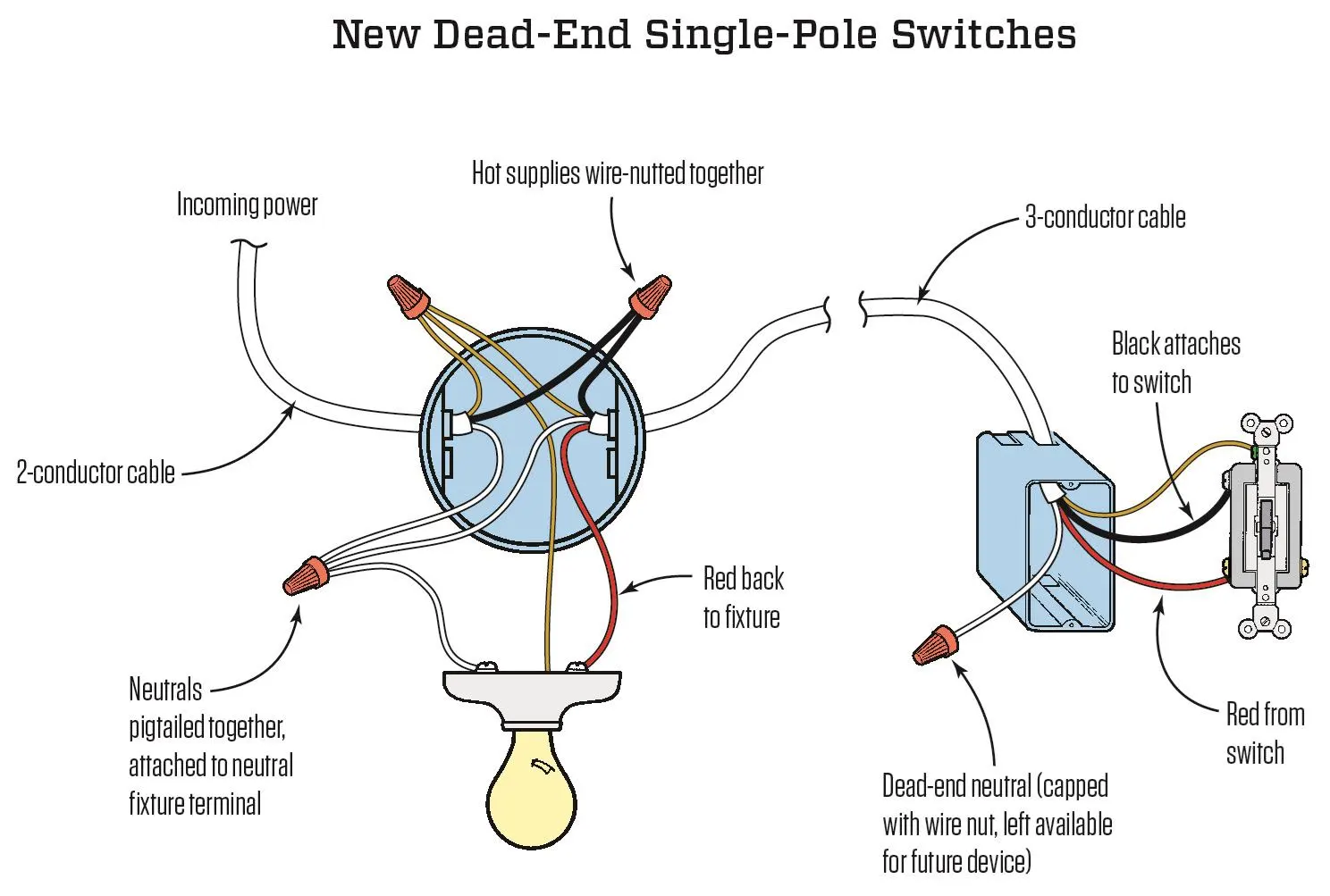
Credit: www.jlconline.com
Power-to-light Wiring Explained
Understanding power-to-light wiring is key for safe electrical work. It shows how electricity flows from the power source to the light fixture and then to the switch. This setup affects how you control your lights and how safe your wiring is. Knowing this helps with repairs, upgrades, or new installations.
This section breaks down the process. You will learn where power enters the light fixture and see common wiring setups. These details make wiring clear and easier to follow.
How Power Enters The Light Fixture
Power can come into a light fixture in two main ways. It may enter directly at the fixture box or at the switch box. This depends on your home’s wiring design.
When power enters the light fixture first, the hot wire connects to the fixture’s hot terminal. The neutral wire connects to the fixture’s neutral terminal. The switched hot wire runs from the fixture to the switch. This wire controls turning the light on and off.
Common Wiring Configurations
The two most common wiring setups are power-to-switch and power-to-light. In power-to-switch wiring, power comes first to the switch. Then it travels to the light fixture through the switch’s output wire.
In power-to-light wiring, power goes first to the light fixture. The switch connects by a wire that interrupts the hot line. This setup makes the light the main control point for power flow.
Each method has pros and cons. Power-to-light wiring often simplifies adding more switches. Power-to-switch wiring is common in older homes and can be easier for basic control.
Switch Location Rules
Switch location rules guide where light switches should be placed. These rules help with safety and convenience. Proper placement makes it easy to control lights and avoid accidents. The rules depend on the room type and building codes. Understanding these rules ensures your electrical setup is safe and user-friendly.
Switch Placement Guidelines
Switches must be near room entrances. This allows quick access when entering or leaving. The height should be between 42 and 48 inches from the floor. This height suits most adults and children. Switches should not be hidden behind doors or furniture. Clear visibility and easy reach are important. In hallways, switches should be at both ends. This lets people turn lights on or off from either side.
Exceptions To Standard Practices
Some areas need special rules. Bathrooms often require switches outside the room. This avoids electrical hazards near water. Outdoor switches must have weatherproof covers. This protects them from rain and dust. In large rooms, multiple switches may control one light. This setup uses three-way or four-way switches. They offer convenience in bigger spaces. Older homes might not follow current rules. Upgrading to meet new codes improves safety.
Benefits Of Power-to-light Wiring
Power-to-light wiring offers practical benefits for many home and building electrical systems. This setup sends power directly to the light fixture first, then to the switch. It changes the way electricians install and manage wiring. The benefits go beyond simple wiring differences. Efficiency and ease of troubleshooting stand out.
Installation Efficiency
Power-to-light wiring can speed up the installation process. Electricians work faster because they connect power at the fixture. This method reduces the number of wires running through walls. It also means fewer junction boxes are needed. Less material and less labor result in cost savings. For new construction or remodeling, this wiring style fits well.
Troubleshooting Advantages
Finding problems in a power-to-light circuit is simpler. Since power starts at the light, checking the fixture is the first step. Electricians can quickly test if power reaches the light. It narrows down where issues might occur. This method reduces guesswork during repairs. Quick diagnosis saves time and lowers repair costs.
Potential Code Violations
Understanding potential code violations is vital when wiring power to a light before a switch. Electrical codes ensure safety and proper function. Ignoring these rules can cause hazards and legal issues.
Electrical codes are clear about how power should flow in a circuit. Incorrect wiring often breaks these rules, leading to dangerous situations. Knowing common mistakes helps avoid costly errors.
Common Mistakes To Avoid
One common error is wiring power directly to the light without a proper switch loop. This setup can cause the switch to not fully control the light.
Another mistake is failing to use the correct wire colors. This confuses future repairs and inspections. White wires should never carry power unless properly marked.
Using the wrong type of cable or skipping grounding wires also violates code. Proper grounding prevents shocks and fires.
Safety Concerns
Powering the light before the switch can leave parts energized when off. This risk shocks anyone changing bulbs or working on the fixture.
Incorrect wiring increases the chance of short circuits and electrical fires. It also makes troubleshooting difficult and unsafe.
Following code protects everyone and ensures the electrical system works correctly. Never ignore these safety rules for convenience or cost savings.
Inspection And Compliance Tips
Inspection and compliance are key when installing electrical wiring. Following rules helps keep your home safe. Knowing what inspectors look for can save time and money. This section gives practical tips for passing inspections. It also explains how to meet electrical code requirements.
Preparing For Electrical Inspections
Check all wiring before the inspector arrives. Make sure wires are connected properly and securely. Label circuits clearly in the breaker box. Remove any debris or obstacles around electrical panels. Test switches and outlets to confirm they work well. Use proper tools to measure voltage and current. Keep your work area clean and organized.
Ensuring Code Compliance
Follow local electrical codes exactly. Use approved materials for all wiring and devices. Maintain correct wire size for each circuit. Ground all outlets and switches properly. Avoid overloading circuits with too many devices. Install GFCI outlets where required by code. Document your work with photos and notes for inspectors. Double-check connections to prevent loose wires or shorts.
Alternatives To Power-to-light Wiring
Choosing the right wiring method affects safety and functionality. Alternatives to power-to-light wiring offer different benefits. These options can simplify installation and improve control of your lighting system.
Power-to-switch Method
The power-to-switch method sends power first to the switch, then to the light. This setup uses fewer wires in some cases. It helps keep the switch box energized for smart controls. Electricians often prefer this method for upgrades and remodels. It allows easier installation of dimmers and timers. Safety codes usually accept this wiring style. Checking local rules before starting work is important.
Smart Switch Solutions
Smart switches control lights without changing wiring much. They connect to Wi-Fi or Bluetooth. This lets you use apps or voice commands to turn lights on and off. Smart switches often require a neutral wire in the box. They offer scheduling and remote control features. These switches improve energy efficiency by reducing wasted light. Installing smart switches is simple and cost-effective. They add convenience without major rewiring.
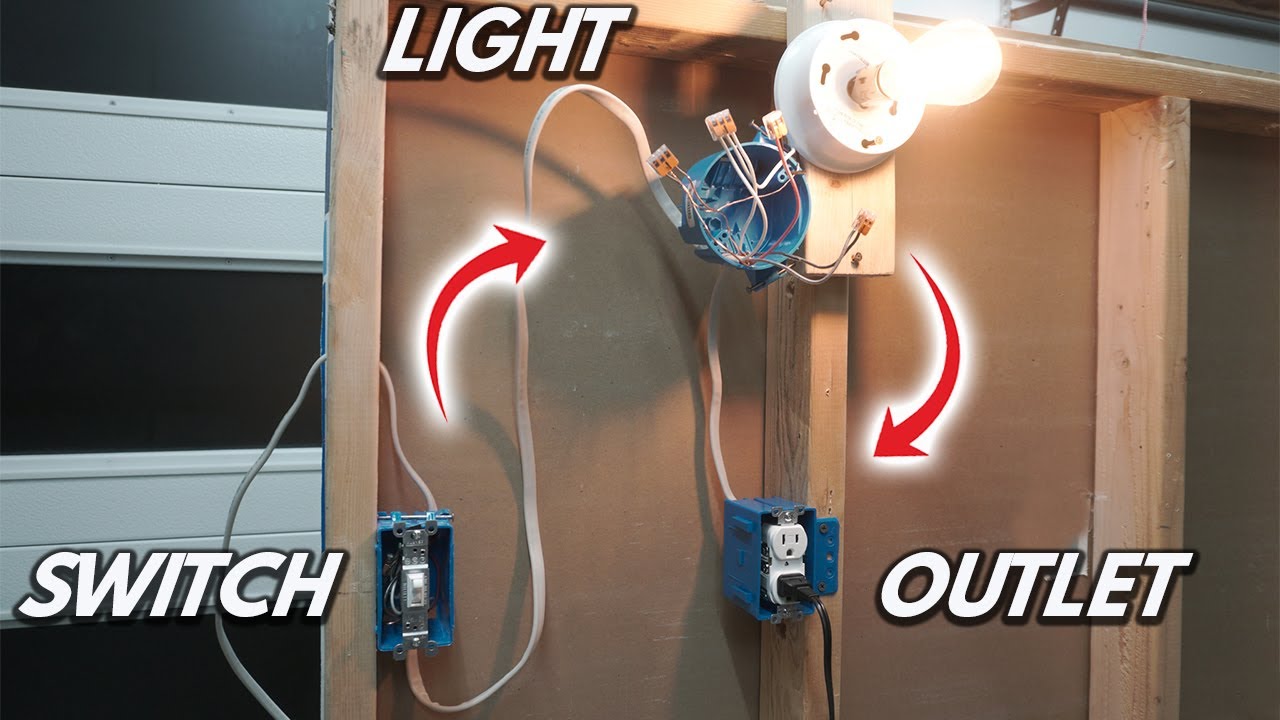
Credit: www.youtube.com
Credit: www.jlconline.com
Frequently Asked Questions
Does Electrical Code Allow Power To Light First?
Yes, most electrical codes permit power to be supplied first to the light fixture. This setup is common and allowed if wiring meets safety standards and local codes. It simplifies wiring but must ensure proper switch control and circuit protection.
Can Power Feed A Switch After The Light Fixture?
Electrical codes generally allow power to feed a switch after the light. This method is common in switch loops. It must comply with color coding and grounding rules to ensure safety and functionality.
Why Choose Power To Light Before Switch Wiring?
Power to light before switch wiring reduces cable runs and simplifies installation. It allows the light fixture to have constant power, making smart switches easier to install. Compliance with code and correct wiring is essential for safety.
Is It Safe To Power Light Then Switch?
Yes, powering the light before the switch is safe if installed correctly. It must follow code requirements, including proper grounding and wire identification. Always ensure the switch properly interrupts the circuit to control the light safely.
Conclusion
Code usually allows power to go to the light first, then to the switch. This setup helps keep the wiring safe and easier to control. Electricians follow specific rules to make sure everything works well and stays secure. Understanding this wiring method can help you spot issues or explain your needs.
Always trust a professional for electrical work to avoid risks. Remember, safety and code compliance go hand in hand for home wiring. Simple steps like this make your lighting reliable and safe every day.