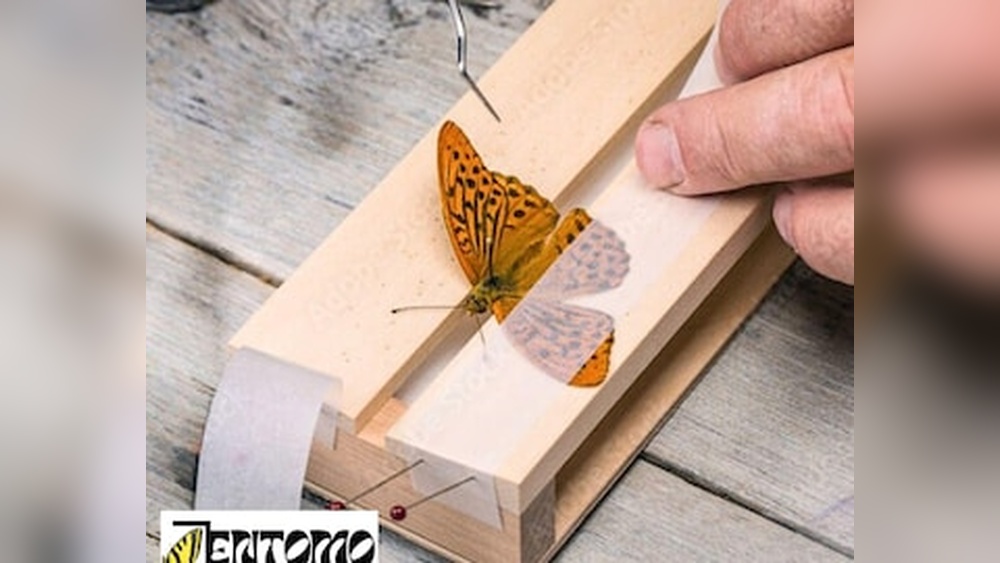
Have you ever wondered how insects are preserved so perfectly for study or display? If you’re into collecting bugs or need a reliable way to mount insects for your projects, understanding what insect mounting tape is can make all the difference.
This simple tool can help you keep your specimens intact and looking great for years to come. Keep reading to discover how insect mounting tape works and why it might be exactly what you need for your next collection.
Purpose Of Insect Mounting Tape
Insect mounting tape serves a vital role in preserving insect specimens for study and display. It helps keep the insects intact and in place. This tape is specially designed to hold delicate insect parts without causing damage. It simplifies handling and organizing insects, making it easier for scientists and collectors to examine them closely.
Role In Specimen Preservation
Insect mounting tape supports fragile insect bodies and wings. It prevents movement that can break or deform specimens. The tape also protects insects from dust and moisture. This helps keep the specimen’s natural colors and shapes for longer periods. Proper mounting ensures insects stay in good condition for years.
Advantages Over Traditional Methods
Traditional pins can damage soft insect parts or cause holes. Mounting tape avoids this by gently securing the insect without piercing it. It is easier to adjust or remove tape than pins. The tape also reduces the risk of insect loss during handling. This method is safer and more efficient for delicate specimens.
Types Of Mounting Tape
Insect mounting tape comes in different types. Each type has unique features. Choosing the right one depends on the insect specimen and the display method. Understanding the types helps you pick the best tape for your collection.
Paper-based Tape
Paper-based tape is common for insect mounting. It is thin and easy to cut. This tape holds insects gently without damage. It is breathable, preventing moisture buildup. Ideal for lightweight insects and delicate wings.
Plastic-based Tape
Plastic-based tape is stronger and more durable. It resists moisture and tearing well. This tape suits heavier insects or long-term displays. It offers a firmer hold but can be less flexible. Perfect for preserving specimens in varied conditions.
Double-sided Options
Double-sided tape sticks on both sides. It provides a clean and secure hold. This tape works well for mounting insects on cards or boards. It reduces the need for pins. Useful for fragile specimens that need extra care.
Materials And Quality
Insect mounting tape plays a key role in preserving and displaying insects. The materials used affect the tape’s performance and safety. High-quality tapes offer reliable adhesion and long-lasting durability. Choosing the right tape ensures your insect collections remain intact and look neat for years.
Adhesive Strength
The tape must hold insects firmly without damage. Strong adhesive keeps specimens in place during handling. It should not be too sticky to harm delicate insect parts. Balanced adhesive strength prevents insects from slipping or tearing.
Durability Factors
Durable tape resists wear, moisture, and aging. It keeps its shape and stickiness over time. Good tape does not yellow or become brittle after years. Quality materials protect insects from environmental damage.
Non-toxic Components
Safe, non-toxic ingredients protect both insects and users. Chemicals in the tape should not cause discoloration or decay. Non-toxic tapes are better for long-term preservation. Handling with such tape reduces health risks.
Credit: www.etsy.com
How To Use Mounting Tape
Using insect mounting tape is simple and effective. It helps keep your specimens safe and visible. Follow these steps for the best results.
Preparing The Specimen
Start by drying the insect completely. Moisture can cause damage later. Handle the specimen gently to avoid breaking wings or legs. Choose a clean, flat surface to work on. This makes the mounting process easier and cleaner.
Applying The Tape Correctly
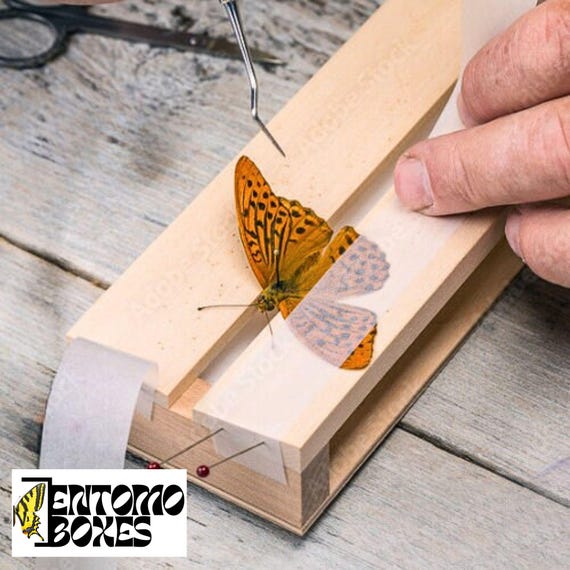
Cut a piece of mounting tape slightly larger than the insect. Peel off the backing carefully to avoid touching the sticky side. Place the insect on the sticky side gently. Press the tape edges down firmly but do not squish the insect. Make sure the tape covers the specimen fully for protection.
Tips For Secure Mounting
Use tweezers to handle small insects for accuracy. Avoid air bubbles by pressing the tape slowly. Check the edges of the tape to ensure they stick well. Store mounted insects in a dry place to prevent damage. Label each specimen clearly for easy identification.
Common Mistakes To Avoid
Using insect mounting tape correctly is key for good results. Many beginners make simple mistakes that hurt their work. Avoiding these errors helps preserve insect specimens and makes displays neat. Here are common mistakes to watch out for.
Overuse Of Adhesive
Applying too much tape or glue can damage the insect. Excess adhesive may cover important body parts. It also makes the specimen sticky and messy. Use just enough tape to hold the insect firmly in place.
Improper Placement
Placing tape in the wrong spot can break delicate parts. Tape should not touch fragile wings or legs. Position the tape where it supports the insect without hiding details. Careful placement keeps the specimen safe and visible.
Ignoring Tape Compatibility
Not all tapes work well with all insects. Some adhesives can discolor or harm specimens over time. Choose tape made for insect mounting or archival use. Testing tape on a small part first helps avoid damage later.
Where To Buy Mounting Tape
Finding the right insect mounting tape is key for collectors and hobbyists. The tape holds delicate specimens in place without damage. Knowing where to buy quality mounting tape saves time and effort. Several options exist, each with its own benefits. Choose the one that fits your needs and budget best.
Specialty Stores
Specialty stores that focus on entomology or hobby supplies often carry insect mounting tape. These stores offer products designed specifically for insect preservation. Staff can give advice on the best tape types. Visiting a specialty store lets you see the tape before buying. It also supports local businesses and experts.
Online Suppliers
Many online suppliers stock insect mounting tape in various sizes and qualities. Shopping online offers a wide selection and easy price comparison. Reviews from other buyers help pick the right tape. Online stores deliver the tape straight to your door. This option suits those who prefer convenience and variety.
Diy Alternatives
Some collectors use DIY alternatives for mounting insects. Thin strips of acid-free paper or clear adhesive tape can work in a pinch. These materials might not be as durable or safe as specialized tape. DIY solutions are budget-friendly and easy to find. They fit beginners or those with small collections.
Maintenance And Storage
Maintaining and storing insect mounting tape properly helps keep your specimens safe and intact. Good care extends the tape’s life and protects the insects from damage. Simple steps can make a big difference in preserving your collection for years.
Protecting Mounted Specimens
Keep mounted insects away from direct sunlight. Light can fade colors and weaken tape. Store specimens in a cool, dry place to stop mold and decay. Avoid touching insects with bare hands to prevent oils from damaging them. Use clean tools for adjustments or cleaning. Cover specimens with a glass or plastic case to shield them from dust and pests.
Tape Longevity Tips
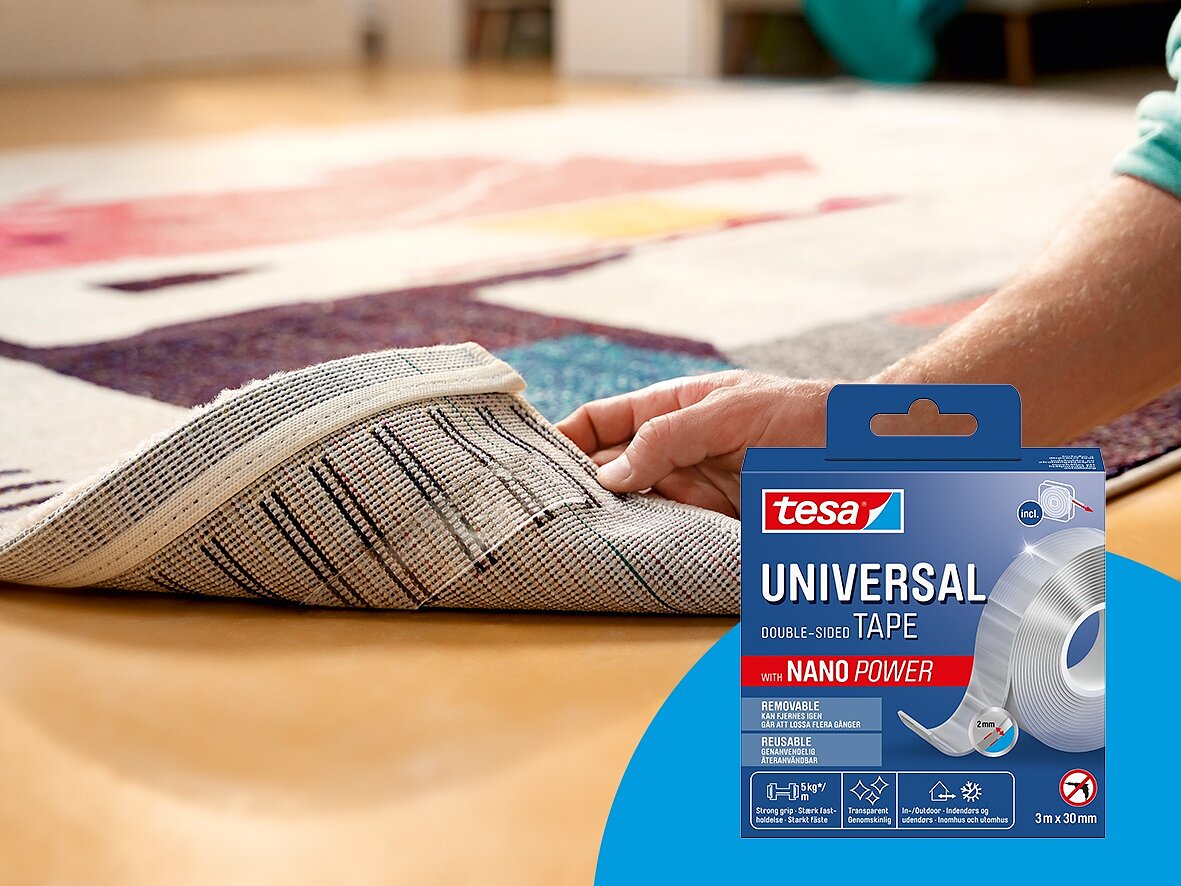
Store unused tape in a sealed container to keep it sticky and fresh. Avoid heat and humidity as they weaken the adhesive. Cut only the amount of tape needed to reduce waste. Use a sharp blade to get clean cuts and prevent peeling. Check mounted specimens regularly to catch any tape wear or damage early. Replace tape promptly if it starts to lose stickiness.
Credit: www.tesa.com

Credit: www.amazon.sa
Frequently Asked Questions
What Is Insect Mounting Tape Used For?
Insect mounting tape is used to securely attach insects to display boards or slides. It helps preserve specimens for study and presentation. The tape ensures insects stay intact without damage, making it ideal for entomologists and hobbyists.
How Does Insect Mounting Tape Preserve Insects?
The tape holds insects firmly in place while allowing air circulation. It prevents damage and moisture buildup, preserving delicate structures. This method helps maintain the insect’s natural form for long-term observation and storage.
Can Insect Mounting Tape Be Reused?
Generally, insect mounting tape is designed for single use. Once removed, it loses its adhesive quality and may damage specimens. For best results, use fresh tape for each mounting to ensure proper preservation and display.
Is Insect Mounting Tape Safe For All Insect Types?
Yes, insect mounting tape is safe for most insects. It is gentle enough to avoid harming delicate wings and bodies. However, very small or fragile insects may require specialized mounting techniques alongside the tape.
Conclusion
Insect mounting tape helps keep insects safe and secure. It makes studying and displaying insects easier. The tape sticks well without harming delicate parts. Many collectors and students use it for neat results. Choosing the right tape ensures long-lasting insect preservation.
Simple and effective, it suits both beginners and experts. Understanding this tool improves your insect collection experience. Try insect mounting tape for better, cleaner presentations. Small detail, big difference.