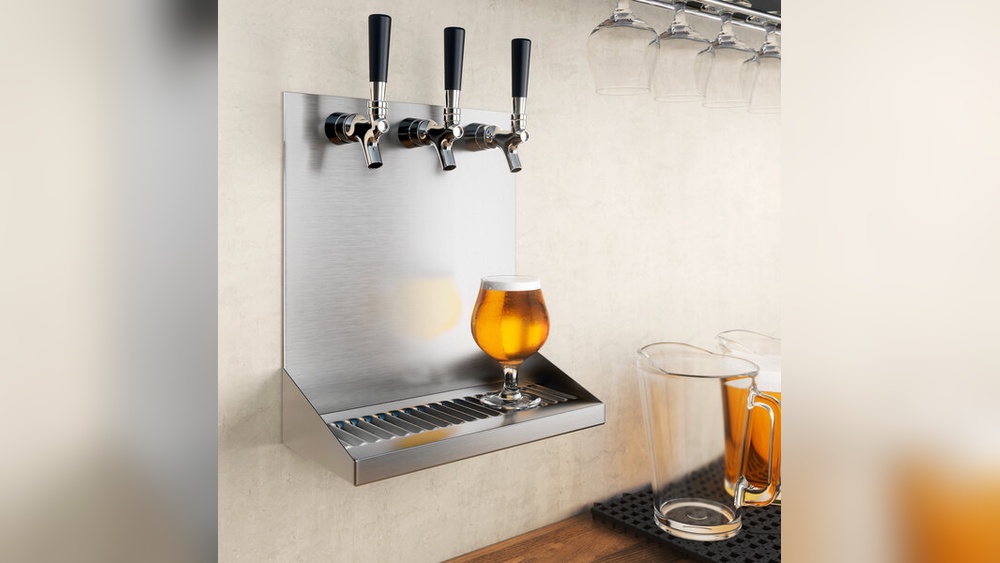
Have you ever wondered why the height of your tap above the drip tray matters? It’s a small detail that can make a big difference in how clean and efficient your setup is.
If your tap is too low, spills and splashes can create a mess. Too high, and you might waste water or struggle with awkward angles. Getting the height just right saves you time, keeps your space tidy, and makes your daily routine smoother.
Keep reading to find out exactly how high your taps should be mounted above the drip tray—and why this simple adjustment can improve your experience more than you think.
Ideal Tap Height
Setting the ideal height for taps above the drip tray is key for easy pouring and less mess. The right height helps avoid splashes and makes filling glasses smooth. Too low or too high can cause spills or awkward use. Understanding standard heights and what affects this setup helps choose the best spot for your taps.
Standard Measurements
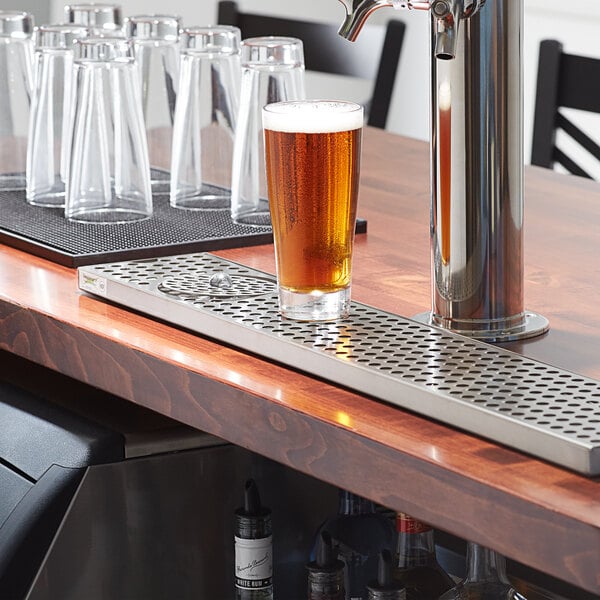
Most taps are set about 4 to 6 inches above the drip tray. This height fits most glass sizes and reduces splash. Bars and kitchens often use this range for comfort and cleanliness. Keeping taps within this range helps users pour drinks easily without hitting the tray. It also leaves space for larger mugs or pitchers.
Factors Influencing Height
Tap height depends on the glass size used most often. Taller glasses need more space under the tap. The drip tray size also plays a role. A larger tray can handle bigger spills, so taps can be set a bit lower. The type of beverage matters too. Foamy drinks like beer need more room to avoid overflow. User comfort and workspace design can change tap height as well.
Credit: www.webstaurantstore.com
Impact On Pour Quality
The height of taps above the drip tray plays a key role in pour quality. It affects how smoothly the liquid flows into the glass and how clean the serving area stays. Proper tap height ensures a good pour every time. It helps avoid problems like splashing and losing the beverage’s flavor.
Reducing Splash And Spills
Setting taps too high causes liquid to fall from a great distance. This creates splashes and spills. Splashing wastes drink and makes a mess on counters and floors. Keeping taps closer to the drip tray reduces the drop distance. This means the liquid hits the glass gently. Less splash means less cleanup and a better customer experience.
Maintaining Beverage Integrity
Beverage integrity means keeping the drink’s taste and appearance intact. Pouring from a high tap can cause too much foam or break the liquid’s texture. This changes how the drink tastes and looks. A lower tap height helps control the flow. It keeps the beverage smooth and fresh. Correct tap height protects the quality and satisfaction of every pour.
Drip Tray Design And Placement
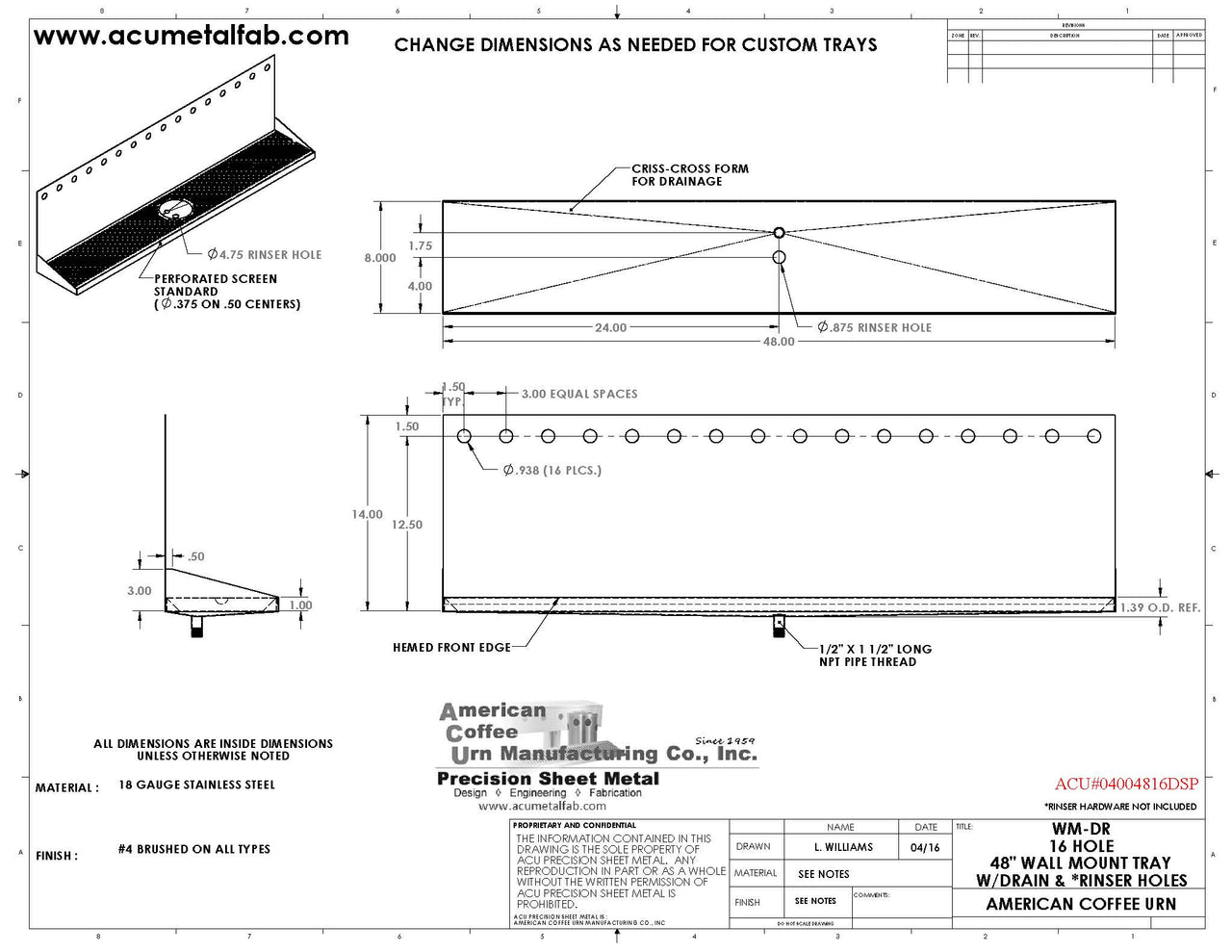
The drip tray plays a key role in tap installation. It catches spills and keeps the area clean. Proper design and placement help avoid water damage. This also makes cleaning easier. Choosing the right size and material improves function and durability.
Careful placement ensures the drip tray fits well under the tap. It must be easy to remove for emptying and cleaning. The height of the tap above the tray matters for splash control. This section explains important design details.
Size And Depth Considerations
The drip tray should be wide enough to catch drips from the tap. A small tray may cause water to spill over. The depth must hold enough liquid without overflowing. Shallow trays fill quickly and need frequent emptying. A deeper tray holds more water and reduces spills. Size depends on tap flow rate and usage volume. Measure the space below the tap before choosing the tray size.
Material And Drainage
Materials must resist rust and corrosion. Stainless steel and heavy-duty plastic are common choices. These materials last longer and are easy to clean. Proper drainage is critical to prevent standing water. Drip trays often have a drain hole or sloped bottom. This guides water to a drain pipe or container. Good drainage reduces smells and bacterial growth. Check that the drain is easy to access and unclog.
Installation Tips
Installing taps at the right height above the drip tray is important for smooth use. Careful installation ensures no spills and easy cleaning. Follow clear steps for accurate placement and a neat look. Preparation and precise measuring make the process simple and effective.
Measuring And Marking
Start by measuring the distance from the tap outlet to the drip tray. A good height is usually between 10 to 15 centimeters. Mark the spot clearly with a pencil. Double-check the marks to avoid mistakes. Accurate marking helps keep the tap steady and prevents water from splashing outside.
Tools And Equipment Needed
Gather tools before starting. You will need a tape measure, pencil, level, drill, and screws. A spirit level ensures the tap is straight. Use the right drill bit for the wall or surface type. Having all tools ready saves time and keeps the installation smooth.
Common Mistakes To Avoid
Mounting taps above drip trays may seem simple, but many make common mistakes. These errors affect function and cleanliness. Avoiding them ensures a better setup and easy maintenance. Below are key mistakes to watch for.
Mounting Too High Or Low
Placing taps too high causes splashing and spills. Drinks fall far from the tray, creating messes. Too low placement makes it hard to fit glasses under taps. It also causes slow pouring and dripping issues. Aim for a height that lets liquids flow directly into the tray. This keeps your area clean and efficient.
Ignoring Tap And Tray Compatibility
Not all drip trays fit every tap style. Some trays are too small or shallow for certain taps. This mismatch leads to overflow and constant spills. Using incompatible parts wastes space and causes frustration. Check tap size and flow rate before choosing a tray. Matching them ensures spills stay contained and cleanup is easy.

Credit: www.webstaurantstore.com
Adjusting For Different Tap Types
Tap height above the drip tray changes depending on the tap type used. Different taps need different space to work well and avoid spills. Setting the right height helps pour drinks smoothly and keeps the area clean. Adjusting for each tap type ensures better service and less mess.
Standard Vs. Oversized Taps
Standard taps usually need less space above the drip tray. Set them about 6 to 8 inches high for easy pouring. This height fits most glasses without splashing.
Oversized taps require more height. They are bigger and need room for larger glasses. Set these taps 10 to 12 inches above the drip tray. This prevents spills and allows the glass to fit comfortably.
Specialty Beverage Taps
Specialty taps like those for craft beer or cocktails need careful height adjustment. They often have unique shapes or pour styles. Measure the glass size and tap length before setting the height.
These taps may need 8 to 14 inches above the drip tray. This range helps avoid foam overflow and spilling. Adjust height based on the drink type and glass shape.
Maintenance And Cleaning
Proper maintenance and cleaning keep taps and drip trays working well. Dirt and water build-up cause damage and blockages. Setting taps at the right height helps with cleaning and care. This section explains why tap height matters for maintenance.
Access For Easy Cleaning
Taps mounted too low make cleaning hard. Dirt collects near the drip tray edges. Setting taps higher gives room to reach all parts. Easy access prevents mold and grime build-up. Cleaning becomes faster and less messy. It also helps to wipe the drip tray regularly.
Preventing Overflow And Damage
Water spills if taps sit too low above the tray. Overflow can damage counters and floors. Mounting taps at the right height stops spills. It allows water to fall directly into the tray. This reduces cleaning time and water waste. It also protects your space from water damage.
Credit: www.acumetalfab.com
Frequently Asked Questions
How High Should Taps Be Above The Drip Tray?
Taps should be mounted 6 to 8 inches above the drip tray. This height allows easy pouring and prevents splashing. It also ensures the tray catches all drips efficiently, keeping the area clean and hygienic.
Why Is Tap Height Important For Drip Trays?
Proper tap height prevents overflow and spills onto surfaces. It maintains cleanliness around the tap area and reduces waste. Correct mounting also ensures user comfort and improves overall functionality.
Can Tap Height Affect Beverage Quality?
Yes, if taps are too low, beverages may splash and lose carbonation. Too high can cause excessive foaming. Proper height helps maintain the drink’s quality and presentation.
What Standards Guide Tap Mounting Heights?
Industry standards recommend 6 to 8 inches above the drip tray. This range balances usability, hygiene, and efficiency. Following these standards ensures compliance and optimal performance.
Conclusion
Choosing the right height for taps above the drip tray matters a lot. It helps avoid spills and keeps the area clean. Too low or too high can cause problems. Measure carefully and follow recommended guidelines. This small step improves your tap setup and makes pouring easier.
It also saves time on cleaning. A simple adjustment can make a big difference in daily use. Keep it practical and user-friendly for the best results.