Are you struggling to remove stubborn 3M mounting tape without damaging your walls or surfaces? You’re not alone.
That sticky residue can be a real headache, especially when you want a clean, damage-free finish. But don’t worry—removing 3M mounting tape doesn’t have to be a frustrating experience. You’ll discover simple, effective methods that anyone can use to get rid of that tape quickly and safely.
Keep reading, and you’ll have your surfaces looking spotless in no time.
Tools Needed
Removing 3M mounting tape requires the right tools. These tools make the process easier and protect your surfaces. Some tools are common items found at home. Others are special tools designed for tape removal. Knowing what to use helps you remove the tape safely and quickly.
Common Household Items
Many household items work well to remove 3M mounting tape. A hairdryer is great for softening the adhesive. Warm air loosens the tape without damage. Rubbing alcohol or nail polish remover can dissolve sticky residue. Use a plastic scraper or old credit card to lift edges. These items cause little harm to walls or furniture.
Specialized Removal Tools
Special tools help remove tough mounting tape. A heat gun heats the tape faster than a hairdryer. It works well on thick or stubborn tape. A plastic putty knife is safer than metal blades. It scrapes tape without scratching surfaces. Adhesive removers designed for tapes clean sticky spots easily. These tools make removal faster and cleaner.

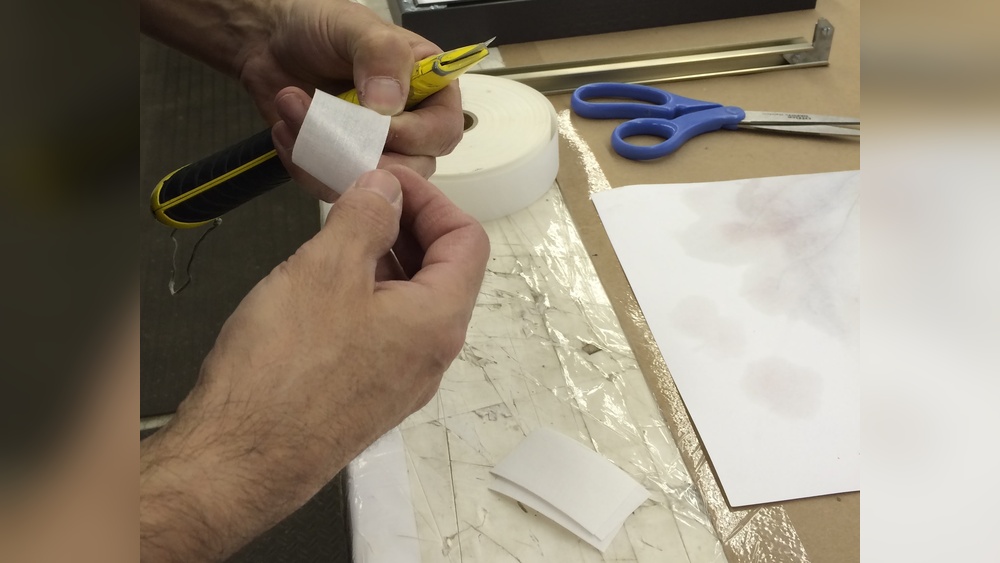
Credit: www.carbongraphicsgroup.com
Preparing The Surface
Preparing the surface is key to removing 3M mounting tape safely and easily. A clean, protected area prevents damage and makes tape removal smoother. Taking time to prep helps avoid extra work later.
Cleaning Around The Tape
Start by cleaning the area around the tape. Use a soft cloth with mild soap and water. This removes dust and dirt that could cause scratches. Avoid harsh chemicals that might damage the surface. Dry the area gently to prevent moisture from affecting the tape.
Protecting Surrounding Areas
Cover nearby surfaces to protect them from damage. Use painter’s tape or plastic wrap on edges close to the mounting tape. This stops accidental scratches or residue from spreading. Protecting these areas keeps the space neat and safe during removal.
Heat Method
The heat method works well to remove 3M mounting tape without damage. Heat softens the adhesive, making the tape easier to peel off. This method saves time and effort. It also reduces the chance of leaving sticky residue behind.
Using A Hair Dryer
Start by plugging in a hair dryer. Set it to medium heat. Hold the dryer about 6 inches from the tape. Move it slowly over the tape’s surface. Warm the tape for one to two minutes. The heat loosens the adhesive under the tape. Gently lift the edge of the tape with your fingernail or a plastic card. Pull the tape slowly while applying heat again if needed. Avoid rushing to prevent tearing the tape or damaging the surface.
Applying Heat Safely
Keep the hair dryer moving to avoid overheating one spot. Too much heat can damage paint or plastic surfaces. Do not use a heat source that is too hot, like a blowtorch. Test the heat on a small, hidden area first. Use gloves if the surface becomes hot. Stop heating if you notice any discoloration or warping. This method works best on hard, flat surfaces like glass or metal. Always prioritize safety to protect yourself and your belongings.
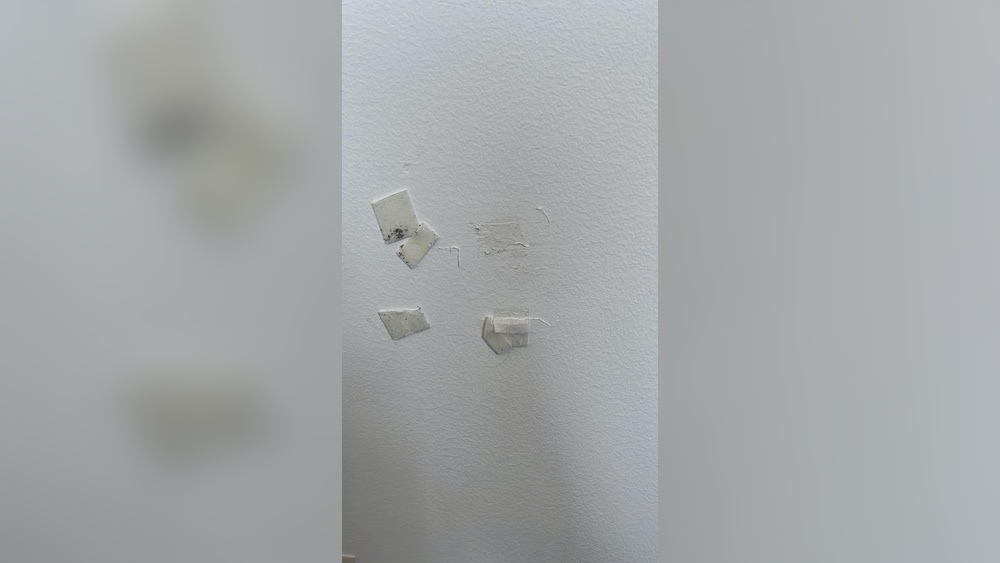
Credit: www.scotchbrand.com
Solvent Method
The solvent method is a practical way to remove 3M mounting tape. It softens the adhesive, making tape removal easier. This method works well on hard surfaces like glass, metal, and plastic. Using the right solvent is important to avoid damage. Follow careful steps to apply the solvent safely and effectively.
Choosing The Right Solvent
Choose a solvent that breaks down the tape adhesive. Common options include rubbing alcohol, acetone, or citrus-based removers. Test the solvent on a small hidden spot first. This prevents damage or discoloration. Avoid harsh chemicals on delicate surfaces. Use gentle solvents for painted walls or plastics.
Applying Solvent Correctly
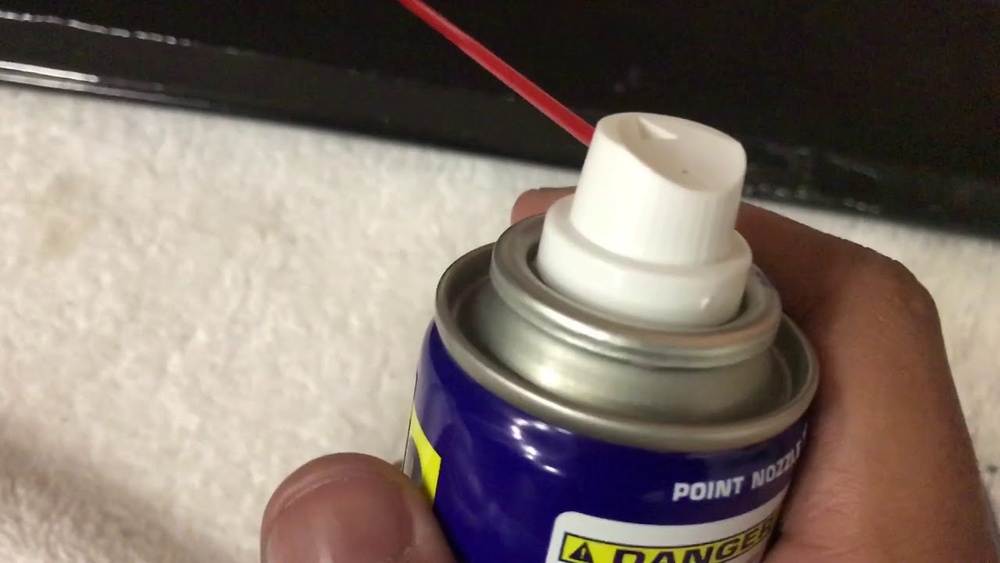
Apply the solvent to the tape with a cloth or cotton ball. Do not pour solvent directly onto surfaces. Let the solvent soak into the tape for a few minutes. This softens the adhesive and loosens the tape. Gently peel off the tape using your fingers or a plastic scraper. Repeat the process if any residue remains. Clean the area with soap and water to remove leftover solvent.
Mechanical Removal
Mechanical removal is a direct way to take off 3M mounting tape. This method uses physical force to lift and pull the tape from a surface. It works best on flat, solid surfaces where the tape sticks firmly.
Mechanical removal avoids chemicals and heat, making it cleaner. It needs care to stop damage to the surface underneath. Using the right tools and techniques makes this process easier and safer.
Peeling Techniques
Start peeling the tape slowly from one corner. Pull the tape back on itself at a low angle. This reduces stress on the surface below. Use steady, even pressure to prevent tearing the tape. If the tape breaks, try lifting from another edge. Patience helps avoid leaving sticky residue behind.
Scraping Without Damage
Use a plastic scraper or a soft-edged tool. Avoid metal tools that can scratch or gouge surfaces. Slide the scraper gently under the tape edge. Lift slowly to separate the tape from the surface. Work in small sections for better control. Keep the scraper flat to prevent marks. Stop if the surface feels rough or damaged. Clean the area after scraping to remove leftover bits.
Cleaning Residue
Removing 3M mounting tape often leaves behind sticky residue. This residue can be tough to clean but does not have to be a problem. Proper cleaning helps restore the surface’s original look and feel. The right methods make the process easier and faster.
Removing Sticky Leftovers
Start by gently peeling off any large tape pieces. Use your fingers or a plastic scraper to avoid damage. Next, apply a small amount of rubbing alcohol or adhesive remover. Let it sit for a few minutes to loosen the residue. Wipe the area with a soft cloth in circular motions. Repeat if needed until the sticky parts dissolve.
Final Surface Cleanup
After removing the residue, clean the surface with warm soapy water. This removes any leftover adhesive remover or dirt. Dry the area with a clean cloth to avoid streaks. Check the surface for any spots you missed. This step ensures a smooth, clean finish ready for use.
Safety Tips
Removing 3M mounting tape can be tricky and needs care. Safety should be your top priority during the process. Using the right safety methods helps avoid skin irritation and breathing problems. Follow these tips to keep yourself safe and comfortable while removing the tape.
Protecting Your Skin
Wear gloves to protect your hands from chemicals and sticky residue. Use gentle tools to avoid cuts or scrapes. Avoid touching your face or eyes while handling the tape. Wash your hands thoroughly after finishing the job. Use a moisturizer if your skin feels dry or irritated.
Ventilation And Precautions
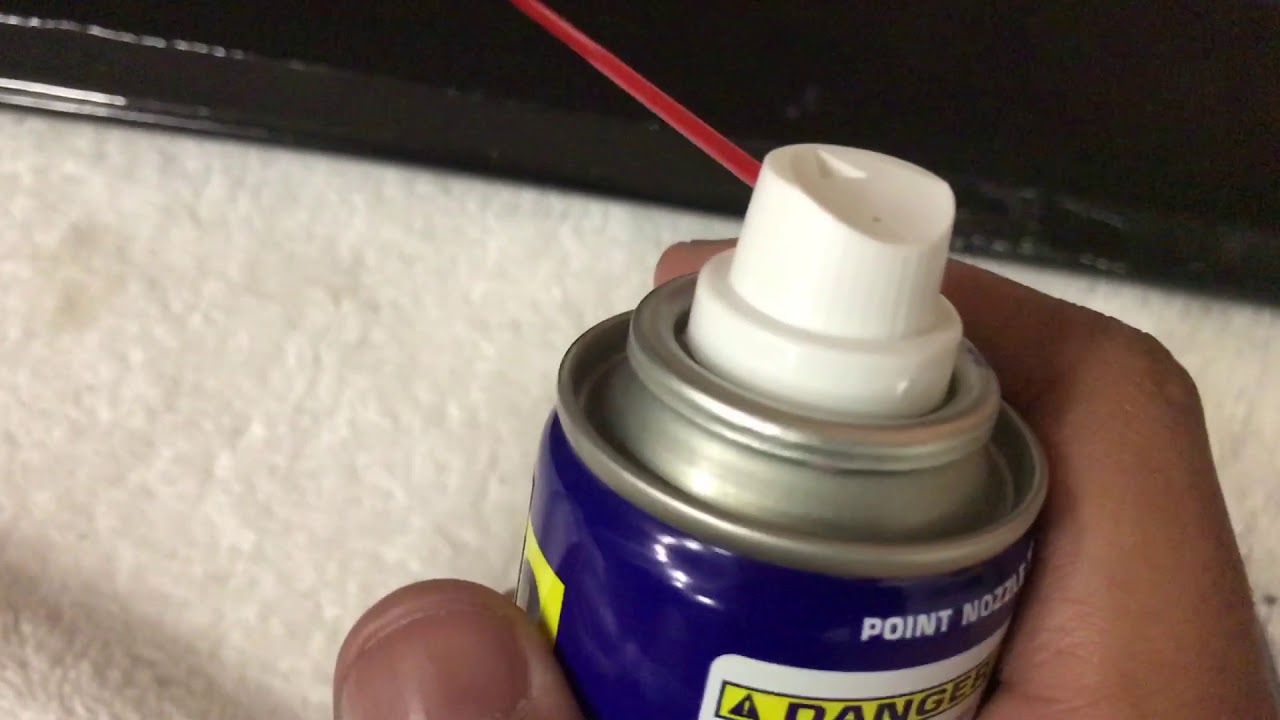
Work in a well-ventilated area to avoid breathing harmful fumes. Open windows or use fans to improve airflow. Do not use strong chemicals in small, closed spaces. Keep children and pets away during the removal process. Read product labels and follow all safety instructions carefully.
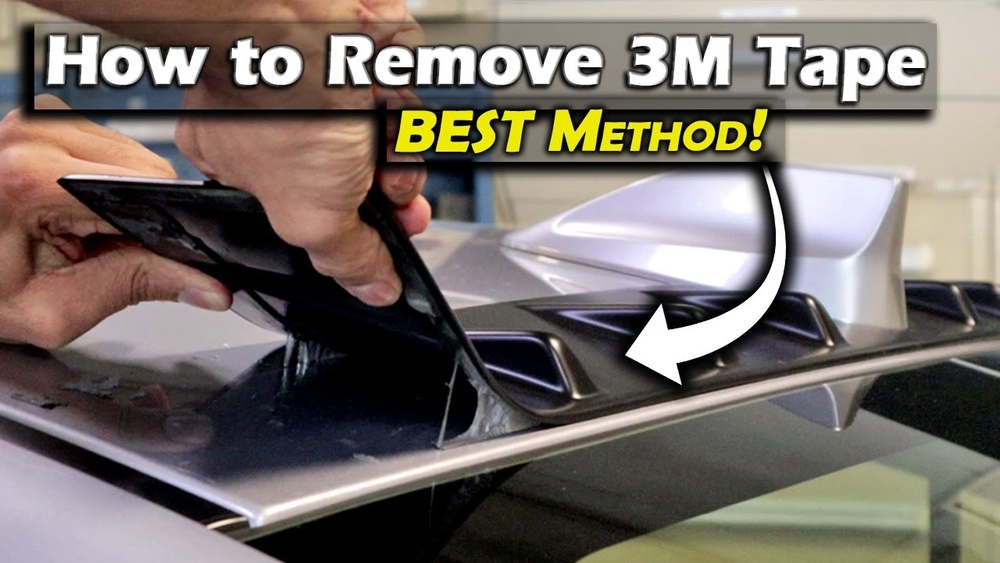
Credit: www.youtube.com
Preventing Damage
Removing 3M mounting tape can be tricky without harming your surfaces. Preventing damage is key to keeping walls, furniture, or electronics safe. Careful steps protect finishes and keep things looking new. This section covers simple ways to avoid damage during removal.
Avoiding Surface Scratches
Use gentle tools like plastic cards or soft cloths for scraping. Avoid metal scrapers or knives that can scratch easily. Pull tape slowly at a low angle to reduce surface stress. Apply heat with a hairdryer to soften the adhesive first. This reduces the force needed and lowers scratch risk.
Minimizing Residue Build-up
Use rubbing alcohol or adhesive removers to clean leftover sticky parts. Test removers on a small hidden area first to avoid damage. Apply remover with a soft cloth and rub gently in circles. Avoid strong chemicals that can discolor or damage surfaces. Wipe clean with water and dry thoroughly afterward.
Frequently Asked Questions
How Do I Safely Remove 3m Mounting Tape?
To safely remove 3M mounting tape, heat the tape with a hairdryer. This softens the adhesive. Then, gently peel it off using a plastic scraper or your fingers. Avoid using sharp tools to prevent surface damage.
What Household Items Help Remove 3m Mounting Tape?
Common items like rubbing alcohol, vinegar, or cooking oil help dissolve the adhesive. Apply with a cloth, let it sit for a few minutes, then wipe or scrape off the softened tape residue.
Can I Remove 3m Mounting Tape Without Damaging Surfaces?
Yes, use gentle heat and non-abrasive tools. Avoid harsh chemicals or scraping hard, which may damage paint or finishes. Test a small area first to ensure safety.
How Long Does It Take To Remove 3m Mounting Tape?
Removing 3M mounting tape usually takes 5 to 15 minutes. Time depends on tape size, surface type, and adhesive strength. Heating and patience speed up the process.
Conclusion
Removing 3M mounting tape is easier than it seems. Start by warming the tape to soften the adhesive. Gently peel it off using your fingers or a plastic scraper. Clean any leftover sticky residue with rubbing alcohol or oil. Take your time to avoid damage to surfaces.
These steps help keep walls and objects neat. Now, you can remove tape without stress or mess. Simple and effective.