Imagine walking into a room and having the lights turn on automatically—no need to fumble for a switch in the dark. Programming a motion sensor light switch can make this a reality for your home or office.
If you want to save energy, add convenience, and boost safety, learning how to set up your motion sensor light switch is easier than you think. In this guide, you’ll discover simple steps to program your device quickly, so you can enjoy hands-free lighting that works just the way you want.
Ready to take control of your lighting? Let’s get started.
Choosing The Right Motion Sensor Switch
Choosing the right motion sensor switch is the first step to a smooth installation. It affects how well your light responds to movement. The right switch saves energy and adds convenience. Understanding different types and features helps you pick the best one. Also, compatibility with your home wiring is key to avoid problems.
Types Of Motion Sensors
There are two main types of motion sensors: infrared and ultrasonic. Infrared sensors detect body heat and work well indoors. Ultrasonic sensors use sound waves to sense movement and cover a wider area. Some switches combine both types for better accuracy. Choose the type based on where you want to install the light.
Key Features To Look For
Look for adjustable sensitivity to control how much motion triggers the light. Time delay settings let you set how long the light stays on. Some switches have daylight sensors to avoid turning on during the day. Energy-saving modes help reduce power use. A manual override lets you turn the light on or off anytime.
Compatibility With Existing Wiring
Check if the switch works with your home’s wiring setup. Most motion sensor switches need a neutral wire. Older homes may lack this wire, which limits your options. Some models work without a neutral wire but may be less reliable. Confirm voltage and wire type before buying to ensure smooth installation.

Credit: support.lutron.com
Gathering Necessary Tools And Materials
Before programming a motion sensor light switch, gather all tools and materials. Proper preparation makes the process smoother. You avoid delays and ensure safety. This section lists what you need to start your project. Keep these items ready for easy access.
Essential Tools
Several tools are required to install and program the sensor switch. A screwdriver set helps remove and attach screws. Wire strippers prepare wires for connection. A voltage tester checks if the power is off. Needle-nose pliers assist with small wire bends. Having these tools ensures you work efficiently.
Safety Gear
Safety is crucial during electrical work. Wear insulated gloves to protect from shocks. Safety goggles shield your eyes from debris. Use a dust mask if you work in a dusty area. Proper safety gear reduces the risk of injury. Never skip this important step.
Additional Supplies
Extra supplies can help complete your project. Electrical tape secures wire connections. Wire nuts join wires safely. A flashlight or headlamp helps in dark spaces. Keep the motion sensor light switch manual nearby. These items make installation easier and safer.
Preparing For Installation
Preparing for installation is the first step in setting up a motion sensor light switch. It ensures safety and smooth installation. Taking time to prepare helps avoid mistakes and saves time.
Follow clear steps before starting the actual installation. This will make the process easier and safer for you.
Turning Off Power
Safety is the top priority. Locate the circuit breaker that controls the light switch. Turn it off to cut power to the switch. Use a voltage tester to confirm no electricity flows. Never work on a live circuit. This step prevents electric shocks and accidents.
Removing The Old Switch
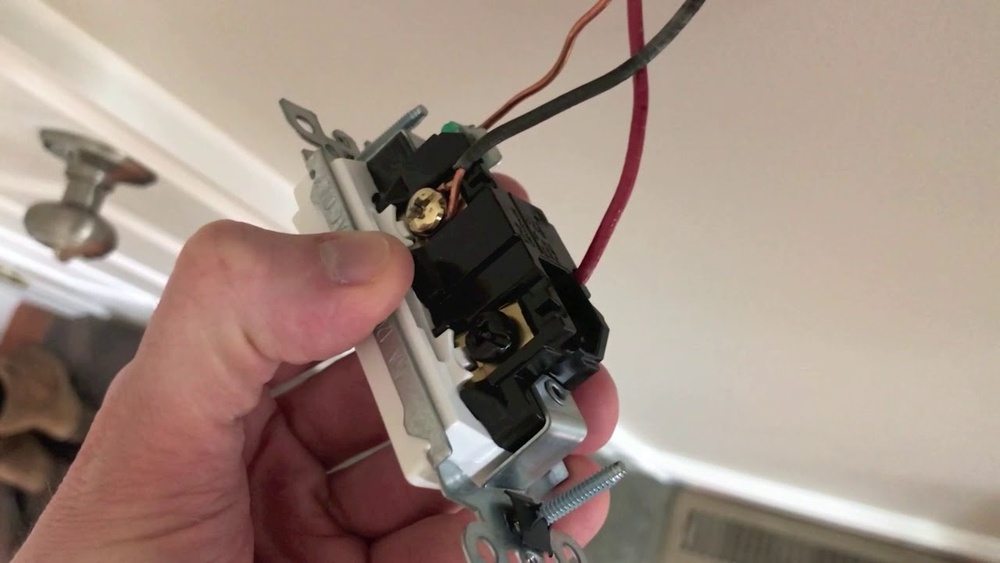
Remove the switch cover plate with a screwdriver. Unscrew the old switch from the electrical box. Gently pull it out to expose the wires. Take note of how wires connect to the switch. Label wires if needed. This will help during the new switch installation.
Checking Wiring Layout
Examine the wires inside the electrical box. Look for black, white, and ground wires. Check if the wires are in good condition and not damaged. Confirm the wiring matches the new motion sensor switch’s instructions. Correct wiring is crucial for the switch to work properly.
Installing The Motion Sensor Switch
Installing a motion sensor light switch is a simple way to add convenience and save energy. The process involves a few careful steps to ensure safety and proper function. Follow the instructions below to install your new switch correctly.
Connecting Wires Correctly
Turn off the main power before touching any wires. Identify the wires: usually, black is live, white is neutral, and green or bare is ground. Connect the live wire from the wall to the switch’s live terminal. Attach the neutral wire to the switch’s neutral terminal. Connect the ground wire to the switch’s ground screw. Use wire nuts to secure each connection tightly. Double-check that no wires are loose or exposed.
Securing The Switch
Carefully push the connected wires back into the electrical box. Align the switch with the box screw holes. Use a screwdriver to fasten the switch screws tightly. Make sure the switch sits flush against the wall. Avoid overtightening, which can damage the switch or wall plate. Attach the faceplate over the switch and secure it with screws.
Restoring Power Safely
Turn the main power back on at the circuit breaker. Test the motion sensor by moving in front of it. The light should turn on automatically. Adjust the sensor settings if needed, following the switch manual. If the light does not work, turn off the power and recheck connections. Always ensure the switch works before finishing the installation.
Programming The Motion Sensor Settings
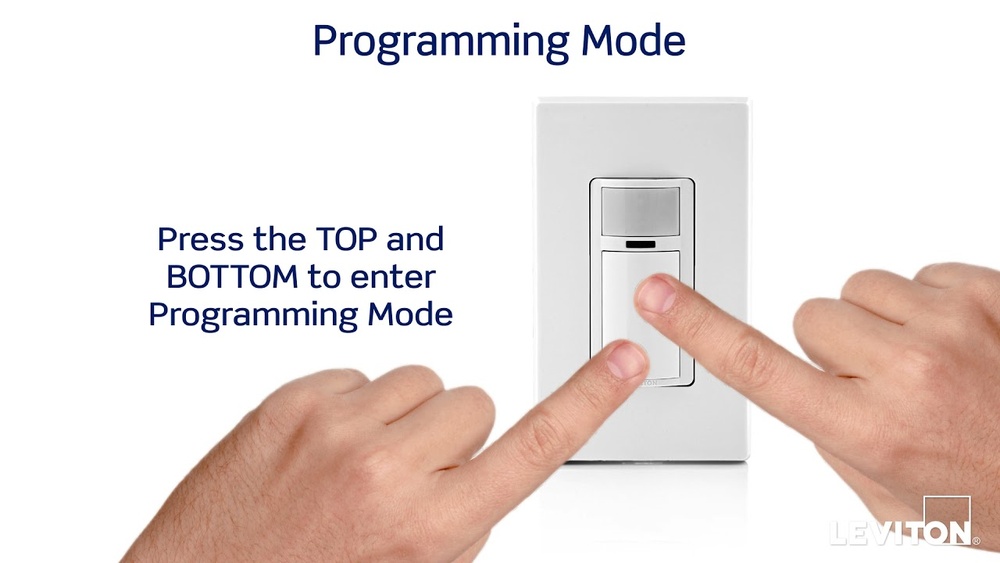
Programming the motion sensor settings lets you control how the light switch reacts. You can change how sensitive the sensor is, how long the light stays on, and the light level that triggers the sensor. These settings help save energy and make the switch work best for your space.
Adjusting Sensitivity
Sensitivity controls how much movement the sensor detects. Higher sensitivity means the light turns on with small movements. Lower sensitivity means the sensor only reacts to bigger movements. Adjust this based on the room size and activity level. Test different levels to find the best fit.
Setting Time Delay
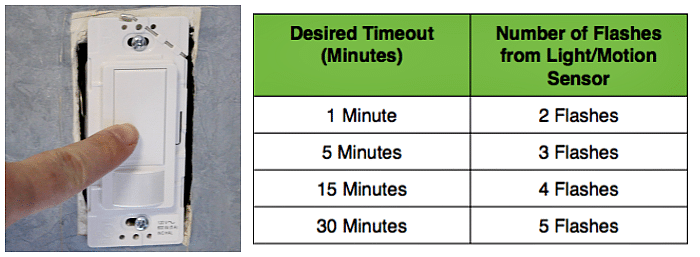
Time delay sets how long the light stays on after no movement is detected. Short delays save more energy but may turn off too soon. Longer delays keep the light on longer for comfort. Choose a time that matches your needs, such as 30 seconds to 10 minutes.
Configuring Light Levels
This setting controls the light level needed to activate the sensor. It prevents the light from turning on during the day or when there is enough natural light. Set it to low for dark rooms or higher for rooms with windows. Adjust to save energy and avoid unnecessary lighting.
Credit: homerepairtutor.com
Testing And Troubleshooting
Testing and troubleshooting your motion sensor light switch is important to ensure it works properly. This step helps catch any problems early. It also allows you to make small adjustments for better function. Follow these simple steps to check and fix your device.
Verifying Sensor Activation
Start by walking in front of the sensor. The light should turn on quickly. If it does not, check the power connection. Make sure the switch is set to “auto” or “motion” mode. Test at different angles and distances. This confirms the sensor detects movement properly.
Common Issues And Fixes
The light may stay on or not turn on at all. This can be due to loose wiring. Tighten all electrical connections carefully. Dirt or obstructions on the sensor block detection. Clean the sensor lens gently with a soft cloth. Adjust the sensor’s sensitivity if the light triggers too easily or misses motion.
Optimizing Performance
Place the sensor away from heat sources like vents or sunlight. These can cause false triggers. Set the timer delay to suit your needs. Shorter delays save energy; longer delays provide more light. Test the light during day and night to ensure consistent performance.
Maintaining Your Motion Sensor Switch
Maintaining your motion sensor switch helps it work well for a long time. Dirt, dust, and damage can stop the sensor from detecting motion. Simple care keeps the switch reliable and saves energy by turning lights on only when needed. Regular checks prevent problems and keep your home safe and bright.
Cleaning The Sensor
Dust and dirt block the sensor’s view. Use a soft cloth to wipe the sensor gently. Avoid using water or harsh chemicals. Clean the sensor at least once a month. This keeps the sensor clear and sensitive to movement.
Periodic Testing
Test the motion sensor switch every few weeks. Walk in front of the sensor to see if the light turns on. Check if the light stays on for the set time. Testing helps find issues early. Fix small problems before they get bigger.
When To Replace
Replace the sensor switch if it stops working often. Flickering lights or no response to motion are warning signs. Old sensors may not detect motion well. A new switch improves safety and saves electricity. Buy a replacement that fits your home and wiring.

Credit: www.youtube.com
Frequently Asked Questions
How Do I Program A Motion Sensor Light Switch?
To program a motion sensor light switch, first turn off power. Set sensitivity and timer settings using the switch buttons. Test motion detection by walking in front of the sensor. Adjust settings as needed for optimal performance.
What Tools Are Needed To Program The Sensor Switch?
You generally need a screwdriver and a voltage tester. Some models include a programming remote or buttons on the switch. Always ensure power is off before installation or programming. Check the user manual for specific tools required.
How Long Does It Take To Program A Motion Sensor?
Programming typically takes 5 to 15 minutes. It depends on your familiarity and the switch model. Basic settings include sensitivity, light duration, and ambient light threshold. Follow the manufacturer’s instructions for quick setup.
Can I Customize The Sensor’s Detection Range?
Yes, most motion sensor switches allow range adjustment. Use the sensitivity settings to increase or decrease detection distance. Adjust based on room size and traffic patterns. Proper calibration ensures efficient lighting control.
Conclusion
Programming a motion sensor light switch is simple with clear steps. You can save energy and add convenience to your home. Adjust settings to fit your needs and space. Test the sensor to make sure it works well. Small changes bring big benefits in daily life.
Try it today and enjoy hands-free lighting easily.