Are you ready to give your cabinets a fresh new look without the hassle of taking off all the hardware? Painting your cabinet doors can transform your space, but removing knobs and handles often feels like a big, messy chore.
What if you could skip that step and still get a smooth, professional finish? In this guide, you’ll discover easy, practical tips to paint your cabinet doors without removing any hardware. Keep reading to learn how to save time, avoid frustration, and achieve stunning results that will make your cabinets look brand new.
Prepare Your Workspace
Preparing your workspace is the first step to a smooth cabinet painting project. A clean, organized area makes painting easier and helps you avoid mistakes. Taking time to set up saves effort later and keeps your work neat.
Gather Essential Tools
Collect all the tools you need before starting. You will need paint, brushes, painter’s tape, drop cloths, and cleaning supplies. A small brush helps paint around hardware without removing it. Keep everything close to avoid interruptions.
Protect Surrounding Areas
Cover counters, floors, and nearby walls with drop cloths or old sheets. Use painter’s tape to guard edges and hardware from paint splashes. Protecting these areas keeps your home clean and your paint job tidy. It also saves time on cleanup later.

Credit: www.youtube.com
Clean And Sand The Door
Cleaning and sanding cabinet doors are key steps before painting. They help paint stick well and last longer. This process removes dirt and smooths the surface. It ensures a neat, fresh look without removing the hardware.
Start by clearing away all dirt and grease. Then, sand the door lightly. Both steps prepare the door for a smooth paint finish.
Remove Dirt And Grease
Dirt and grease stop paint from sticking properly. Use a gentle cleaner or soap with warm water. Wipe the door with a soft cloth or sponge. Pay close attention to corners and edges. Let the door dry completely before moving on.
Lightly Sand For Better Adhesion
Use fine-grit sandpaper to sand the door gently. Sanding removes old paint gloss and rough spots. It creates a surface that helps paint hold tight. Avoid sanding too hard to protect the door. After sanding, wipe away dust with a clean cloth.
Mask Hardware And Surroundings
Masking hardware and surroundings is a key step before painting cabinet doors. It protects knobs, hinges, and nearby walls from paint. Proper masking saves time and avoids messy cleanup. Taking care at this stage ensures a neat and professional look.
Use Painter’s Tape Effectively
Choose good quality painter’s tape for sharp paint lines. Press the tape firmly along edges of hardware and cabinet frames. Overlap tape on areas you want to protect fully. Replace tape if it loses stickiness during the project. Remove tape soon after painting dries to avoid peeling paint.
Cover Hinges And Knobs Carefully
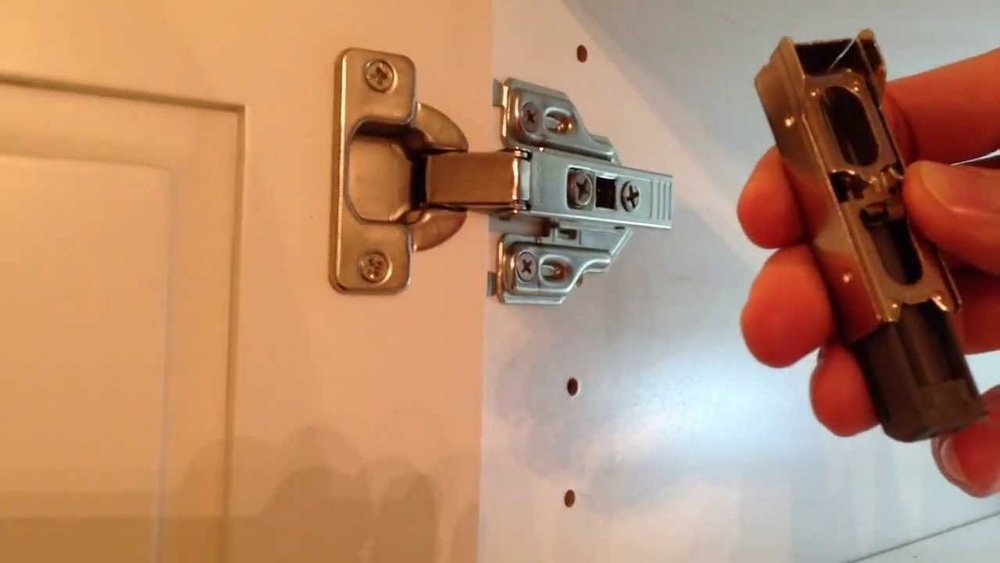
Wrap hinges and knobs with plastic wrap or small bags. Secure covers with painter’s tape to keep them in place. Make sure no paint can sneak under the covers. Use a small brush to paint close to the hardware edges. This technique keeps hardware clean without removing it.
Choose The Right Paint And Primer
Choosing the right paint and primer is key to a smooth cabinet door painting project without removing hardware. The right products help the paint stick well and last longer. They also protect the surface from damage and wear. Using a good primer and paint makes the finish look neat and professional.
Select Suitable Primer
Pick a primer made for cabinets or wood surfaces. It should stick well to the existing finish. A good primer blocks stains and helps paint bond to the surface. Choose a primer that dries quickly to save time. Some primers also prevent peeling and chipping. Always check if the primer works with your paint type.
Pick Durable Paint Types
Use paint that stands up to frequent use and cleaning. Satin or semi-gloss finishes work best for cabinets. These paints resist scratches and moisture. They also clean easily without losing shine. Water-based acrylic paint is a popular choice. It dries fast and has low odor. Oil-based paint lasts long but takes more time to dry.
Apply Primer And Paint
Applying primer and paint to cabinet doors without removing hardware takes care and patience. Primer prepares the surface, helping paint stick better. It also hides old stains and gives a smooth base.
Painting over hardware needs careful brush control and thin paint layers. This way, paint won’t drip or pool around knobs and hinges. The goal is a clean, even finish that lasts.
Use Smooth Brush Strokes
Use a good-quality brush with soft bristles. Dip the brush lightly into the paint or primer. Brush in long, smooth strokes following the wood grain. Avoid going back and forth too much. This keeps the paint layer even and neat. Take extra care around hardware edges. Light strokes prevent paint from building up or dripping.
Apply Multiple Thin Coats
Thin coats dry faster and look better than thick ones. Start with a light coat of primer. Let it dry fully before adding more. Repeat with two or three thin coats of paint. This builds color slowly and avoids drips. Thin layers also reduce the chance of paint sticking to hardware. Patience pays off with a smooth, professional look.
Dry And Cure Properly
Drying and curing are key steps to ensure a smooth, lasting finish on your cabinet doors. Proper drying prevents smudges and dents in the paint. Curing makes the paint hard and durable enough for daily use. Skipping these steps may ruin your hard work and cause peeling or chipping.
Allow Adequate Drying Time
Let the paint dry fully before touching the cabinet doors. This may take several hours or more, depending on the paint type and room conditions. Follow the paint manufacturer’s instructions for drying time. Good airflow helps paint dry faster. Avoid rushing to speed up the process.
Avoid Touching Until Fully Cured
Curing takes longer than drying. It can take days or weeks for paint to fully cure. During this time, the paint is soft and easy to damage. Avoid opening and closing cabinet doors too often. Keep hardware and cleaning tools away from the painted surface until it hardens completely.
Remove Tape And Touch Up
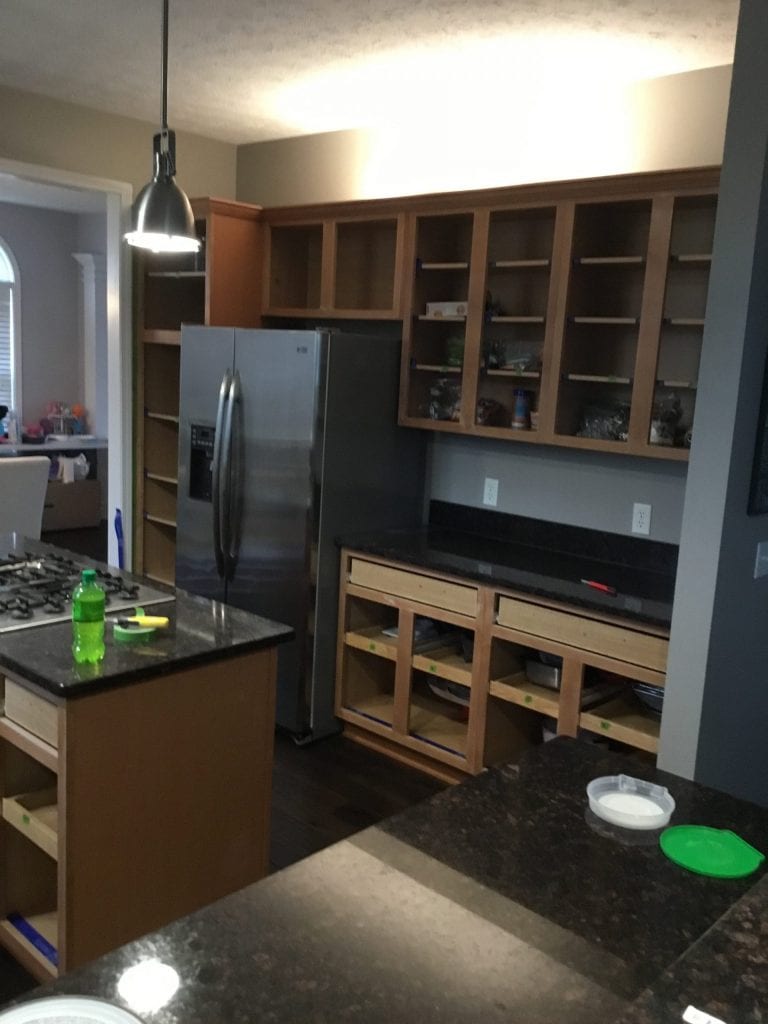
After painting your cabinet doors without removing the hardware, the next step is removing the tape and touching up any areas that need it. This step is key to getting a neat, clean finish. Take your time to avoid damaging the paint or hardware.
Peel Tape Gently
Start peeling the tape slowly. Pull it back at a 45-degree angle. This stops the paint from peeling off with the tape. Remove the tape while the paint is still slightly wet or just dry. This helps prevent cracks or chips. If you see any paint lifting, stop and press the tape back down. Then peel again more slowly.
Fix Any Paint Imperfections
Look closely for small spots where paint may have bled or missed. Use a small brush to fix these areas. Dab paint gently on chips or uneven spots. Let the touch-up paint dry completely. Check again for smoothness. Repeat if needed for a perfect finish. Clean edges make your cabinets look professionally done.
Credit: thepickypainters.com
Maintain Painted Cabinets
Maintaining painted cabinets keeps them looking fresh and new for years. A little care helps protect your work and saves time on repairs. You want your cabinets to stay bright and smooth without chips or stains. Follow these simple tips to keep your painted cabinet doors in great shape.
Clean Without Damaging Paint
Use a soft cloth or sponge to clean painted cabinets. Avoid abrasive scrubbers that can scratch the paint. Choose mild soap mixed with warm water for the best results. Wipe gently to remove dirt and grease without harming the finish. Dry the surface with a clean towel to prevent water marks. Regular cleaning stops buildup that dulls paint.
Handle Hardware With Care
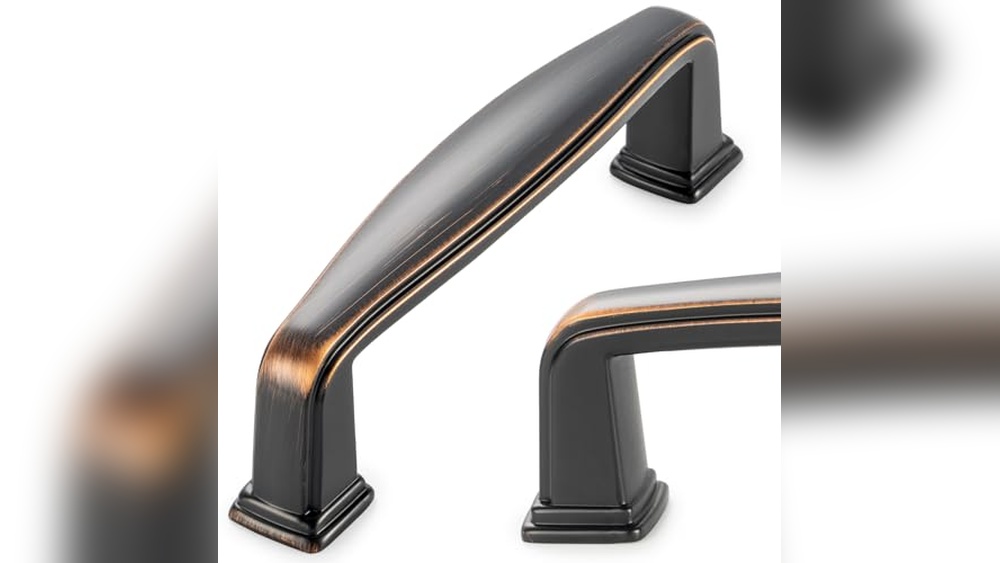
Be gentle with knobs and handles to avoid loosening or scratching paint. Use a soft cloth for cleaning hardware instead of harsh chemicals. Tighten screws carefully without stripping them or damaging the wood. Avoid pulling hardware roughly when opening doors. Keeping hardware in good shape helps the painted surface last longer.

Credit: www.housemixblog.com
Frequently Asked Questions
How Can I Paint Cabinet Doors Without Removing Hardware?
You can paint around hardware by taping it carefully and using angled brushes. Clean surfaces well before painting to ensure good adhesion.
What Type Of Paint Works Best For Cabinet Doors?
Use durable, smooth-finish paints like semi-gloss or satin latex. These resist moisture and wear, making them ideal for cabinets.
How Do I Protect Hardware During Cabinet Painting?
Cover hardware with painter’s tape or plastic wrap. This prevents paint from sticking and keeps your hardware clean.
Can I Paint Cabinet Doors With Hinges Attached?
Yes, painting with hinges attached is possible. Use precision brushes and take care to avoid paint buildup on moving parts.
Conclusion
Painting cabinet doors without removing hardware saves time and effort. Take your time to clean and tape around the hardware carefully. Use the right paint and brush for smooth, even coats. Let each layer dry fully before adding the next.
This simple process refreshes your cabinets without extra work. You can enjoy a fresh look with less mess. Try these steps to update your kitchen easily and quickly. Small changes can make a big difference in your space.