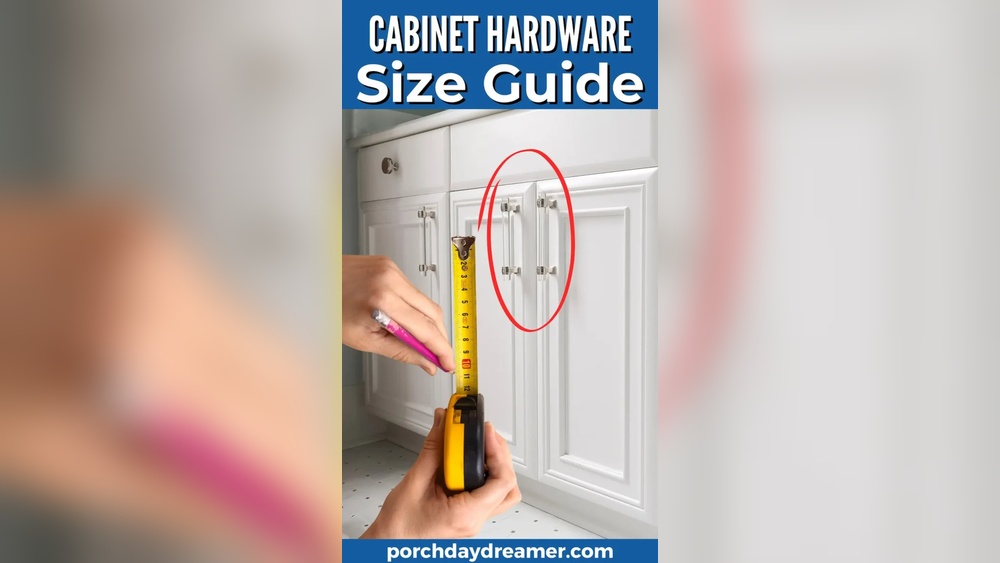
Choosing the right size hardware for your kitchen cabinets might seem like a small detail, but it can change the entire look and feel of your space. When you pick hardware that fits perfectly, your cabinets not only look better—they feel better to use every day.
If you’ve ever struggled with knobs or handles that are too big, too small, or just awkward, you know how frustrating it can be. This guide will help you avoid those mistakes. By the end, you’ll know exactly how to find the perfect size hardware that matches your kitchen style and makes your daily routine smoother.
Keep reading, and take the first step toward a kitchen you’ll love.
Types Of Kitchen Cabinet Hardware
Choosing the right hardware for kitchen cabinets means knowing the types available. Hardware affects both look and use. It is important to pick pieces that fit your style and needs. Understanding the basic types helps in making better choices.
Hardware for cabinets comes in many forms. Each type serves a different purpose. Some pieces are mainly for decoration. Others help open and close cabinets smoothly. Knowing these types guides your selection process.
Knobs Vs Pulls
Knobs are small and round or square pieces. They attach with one screw. Knobs are easy to use and simple in design. Pulls are longer and need two screws. They offer a better grip for heavy doors. Pulls suit larger cabinets well.
Hinges And Slides
Hinges connect doors to the cabinet frame. They allow doors to swing open and closed. Different hinges fit various door styles. Slides are for drawers. They help drawers open smoothly and fully. Quality hinges and slides improve cabinet function.
Decorative Vs Functional Hardware
Decorative hardware adds style without much use. It enhances the cabinet’s appearance. Functional hardware makes cabinets easier to use. It includes knobs, pulls, hinges, and slides. Good hardware blends function with design.
Measuring For Hardware
Measuring for hardware is a key step in choosing the right size for your kitchen cabinets. Proper measurements ensure the hardware fits well and looks balanced. This process helps avoid mistakes and extra costs later. Take your time and measure carefully for the best results.
Determining Drawer Pull Length
Measure the drawer width first. Drawer pulls come in different lengths. Choose a pull size that fits the drawer’s width well. A good rule is to pick a pull about two-thirds the width of the drawer front. This size is comfortable to use and looks balanced.
Measuring Door Knob Placement
Decide where the knob will go on the door. Most knobs are placed 2 to 3 inches from the edge. Measure the distance from the top or side edge, depending on door style. Keep the placement consistent on all doors for a neat look.
Spacing And Alignment Tips
Keep hardware aligned across all cabinets and drawers. Use a ruler or tape measure to check spacing. Mark the spots with a pencil before drilling. Equal spacing makes your kitchen look organized and professional. Double-check measurements to avoid uneven hardware.
Matching Hardware Size To Cabinet Style
Choosing the right hardware size for kitchen cabinets improves both function and style. Hardware must fit the cabinet style to look balanced. Too big or too small hardware can spoil the cabinet’s appearance. Matching hardware size to the cabinet style creates a smooth, pleasing look.
Traditional Cabinets
Traditional cabinets often feature raised panels and detailed edges. Medium to large hardware works best here. Look for knobs and pulls with classic shapes and curves. Hardware should feel sturdy but not too bulky. This size complements the cabinet’s rich details without overwhelming them.
Modern And Minimalist Designs
Modern kitchens use flat surfaces and clean lines. Small to medium hardware suits these cabinets well. Choose simple, sleek pulls or knobs. Thin, straight handles keep the look neat and uncluttered. Hardware size should be subtle to match the minimalist style.
Rustic And Vintage Looks
Rustic and vintage cabinets have a warm, worn feel. Larger, bold hardware fits this style best. Look for handles and knobs with aged finishes or unique textures. Bigger hardware adds character and matches the rough, natural cabinet look. It brings charm without being too delicate.
Material And Finish Considerations
Choosing the right material and finish for kitchen cabinet hardware affects both look and function. These choices influence how well the hardware lasts and matches your kitchen style. Understanding these factors helps pick hardware that fits your needs and design.
Durability And Maintenance
Hardware material impacts durability. Metals like stainless steel resist rust and scratches. Brass offers strength but needs regular polishing. Consider how often you clean your kitchen. Some finishes hide fingerprints and stains better. Choose materials that suit your cleaning habits and kitchen use.
Coordinating With Kitchen Fixtures
Match hardware finish with sinks, faucets, and appliances. Consistent finishes create a balanced look. For example, chrome handles work well with chrome faucets. Mixing finishes can create visual confusion. Pick hardware that blends smoothly with other fixtures.
Trends In Hardware Finishes
Matte black and brushed gold are popular finishes now. They add modern and stylish touches. Satin nickel remains a classic choice for flexibility. Trends change but focus on what fits your kitchen style best. Choose finishes that feel timeless and personal.
Ergonomics And Functionality
Choosing the right hardware size for kitchen cabinets affects comfort and function. Ergonomics ensures that handles and knobs feel good in hand. Functionality means hardware should work well for daily use. Both factors improve kitchen experience and ease of use.
Comfortable Grip And Use
Hardware must fit the hand easily. Handles too small or too large cause discomfort. Choose sizes that allow a firm, natural grip. Smooth edges prevent hand strain. This helps avoid slips and accidents.
Accessibility For All Users
Hardware should suit all family members. Consider children and elderly users. Larger handles are easier to grab for weak hands. Avoid designs that require tight pinching. Choose hardware that anyone can use without effort.
Avoiding Hardware Clutter
Too many large handles can crowd the cabinet surface. This looks messy and reduces workspace. Select hardware sizes that match cabinet size. Keep spacing consistent for a clean, organized look. Simple, balanced designs help maintain kitchen flow.

Credit: porchdaydreamer.com
Installation Tips
Installing hardware on kitchen cabinets needs care and accuracy. Proper installation improves the look and function of your kitchen. Small mistakes can cause big problems later. Follow these tips to ensure a smooth installation process.
Tools Needed
Gather the right tools before starting. A drill with bits, a screwdriver, a tape measure, and a pencil are essential. A level helps keep hardware straight. Use a ruler or template for marking drill points.
Precise Drilling Techniques
Mark spots carefully on the cabinet surface. Double-check measurements before drilling. Use a drill bit that matches the screw size. Drill slowly to avoid splitting the wood. Keep the drill steady and straight for clean holes.
Common Mistakes To Avoid
Do not rush the process. Avoid drilling holes too close to edges. Missing measurements leads to crooked hardware. Using the wrong screws can damage cabinets. Always test hardware fit before final attachment.
Budgeting For Cabinet Hardware
Budgeting for cabinet hardware is an important step in kitchen design. Choosing the right size hardware affects both style and function. Budget helps guide your choices without overspending. It ensures you get good quality and the right look for your kitchen.
Cost Vs Quality
Cheap hardware may save money but often lacks durability. High-quality hardware lasts longer and feels better to use. It can resist rust and wear, keeping your kitchen fresh. Balance cost and quality to avoid frequent replacements.
When To Invest More
Invest more in hardware for cabinets you use daily. Handles and knobs on main cabinets see the most wear. Spending extra here improves comfort and durability. Choose sturdy materials like metal or solid wood for these parts.
Finding Affordable Options
Affordable hardware can look stylish and work well. Look for sales, discounts, or bulk buying deals. Consider simple designs that match your kitchen style. Mixing affordable pieces with a few high-end ones creates balance and saves money.
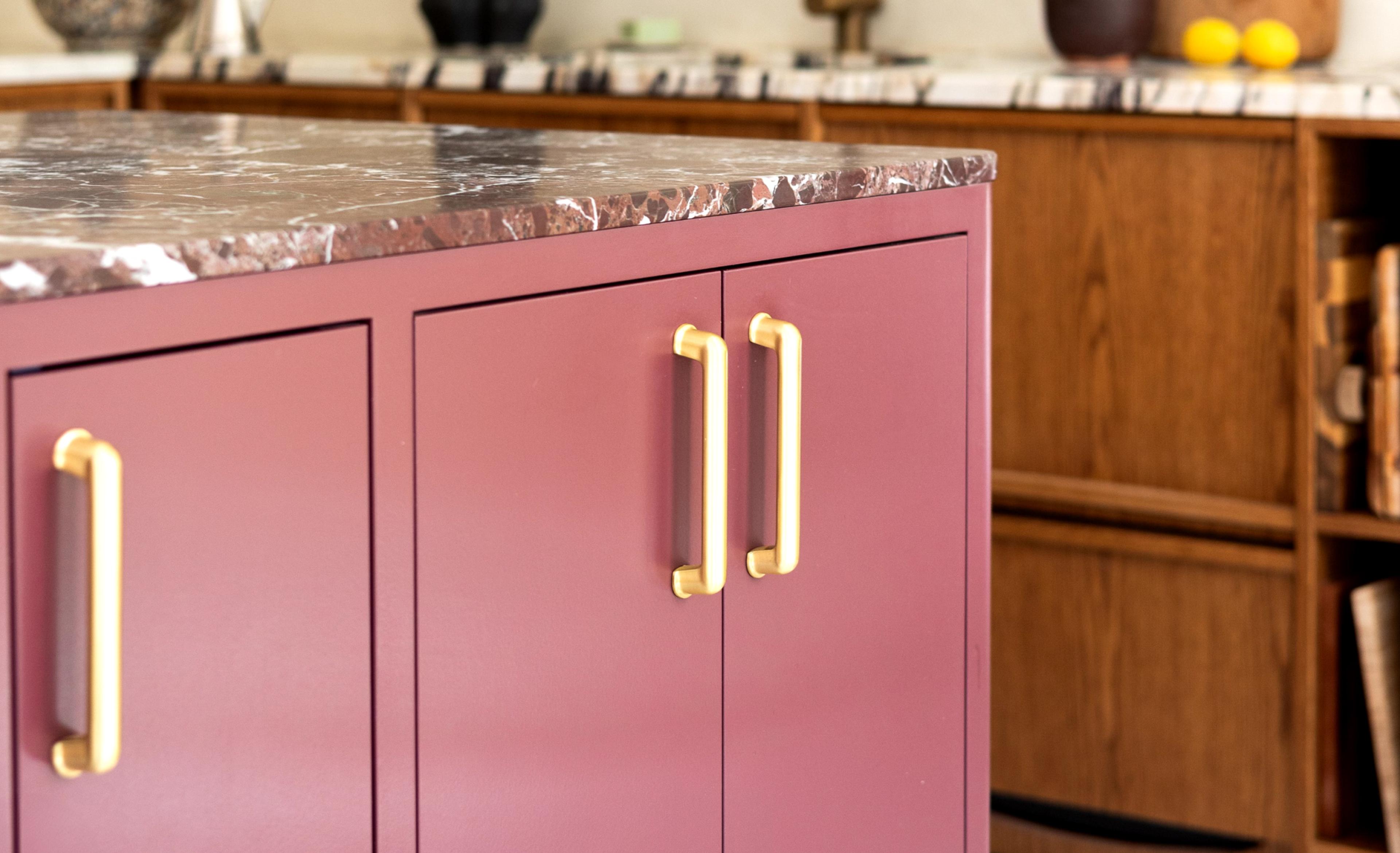
Credit: schoolhouse.com

Credit: doorcorner.com
Frequently Asked Questions
What Size Cabinet Hardware Fits Standard Kitchen Cabinets?
Standard kitchen cabinets typically use hardware sizes between 3 to 5 inches. Measure your cabinet door or drawer width to choose the right fit. Smaller cabinets benefit from hardware around 3 inches, while larger drawers need 4 to 5 inches for proper proportion and functionality.
How To Measure For Kitchen Cabinet Hardware?
Measure the distance between existing screw holes or the desired placement points. Use a ruler or tape measure for accuracy. This measurement is usually called the “center-to-center” distance and helps you select hardware that fits perfectly without extra drilling or patching.
Why Does Hardware Size Matter For Kitchen Cabinets?
Proper hardware size ensures ease of use and aesthetic balance. Too large hardware can overwhelm small cabinets, while too small hardware may look disproportionate and be hard to grip. Correct sizing enhances kitchen functionality and complements your cabinet design.
Can I Mix Different Hardware Sizes In One Kitchen?
Yes, but consistency is key for a cohesive look. Use similar sizes for cabinets and drawers, or vary sizes subtly to highlight certain areas. Mixing sizes can add visual interest but avoid drastic differences to maintain harmony in your kitchen design.
Conclusion
Choosing the right size hardware makes your kitchen look neat and work well. Measure carefully before buying to fit your cabinet style. Small details like handles and knobs change the whole room’s feel. Simple steps help avoid mistakes and save time.
Trust your measurements and pick what feels right. This makes your kitchen both useful and nice to see. Easy choices lead to a better kitchen every day.