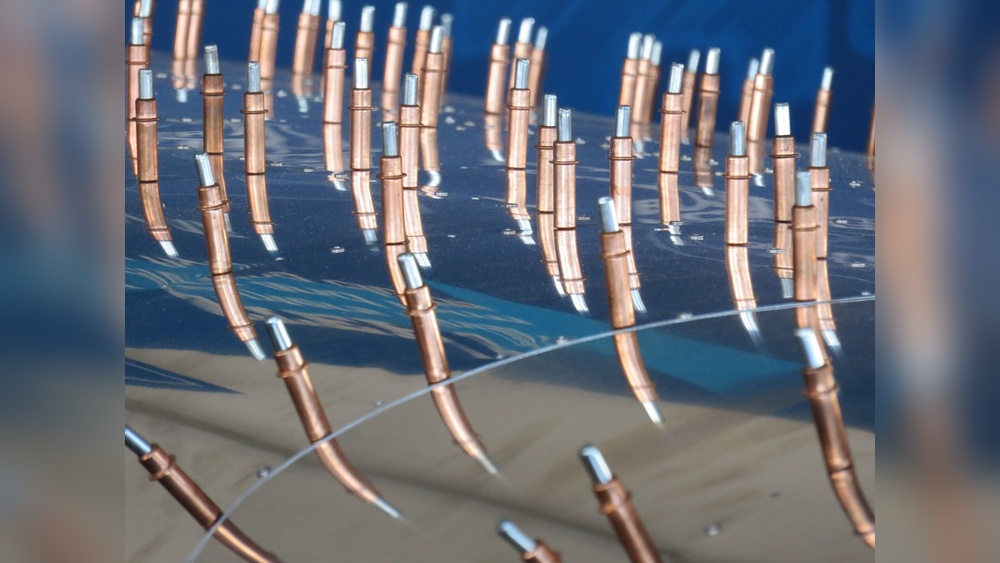
Have you ever wondered what holds your favorite gadgets, furniture, or even buildings together? The secret lies in fasteners—small but mighty components that keep everything secure and stable.
Knowing the different types of fasteners can save you time, money, and frustration when working on your projects. Whether you’re fixing something at home or diving into a big DIY task, understanding fasteners will give you the confidence to choose the right one every time.
Keep reading, and you’ll discover the key types of fasteners that make the world stick together seamlessly.
Common Fastener Types
Fasteners hold things together in construction and everyday projects. They come in many shapes and sizes. Each type serves a special purpose. Understanding common fasteners helps choose the right one for your task.
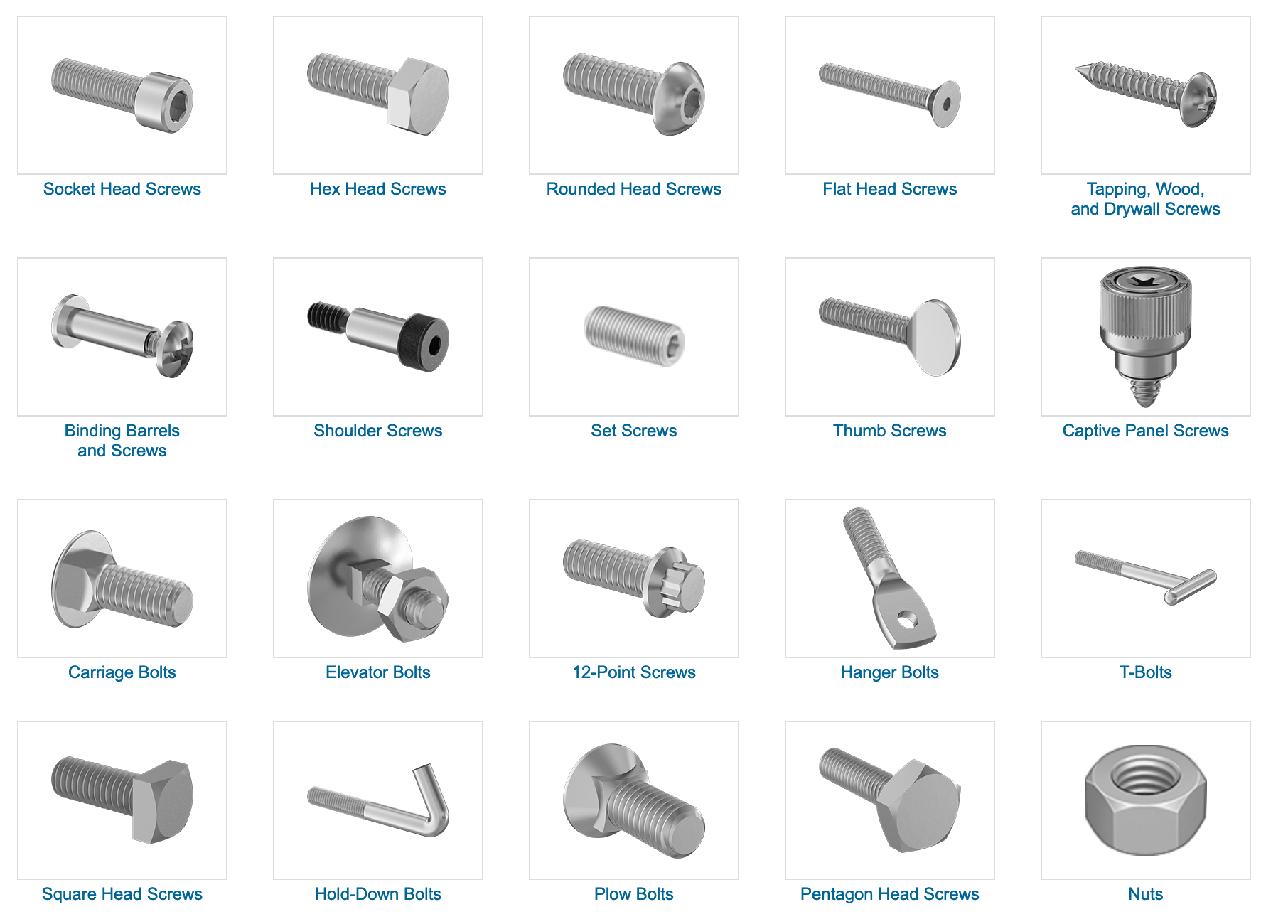
Screws
Screws have a spiral thread that digs into materials. They hold pieces tightly and resist pulling apart. You use screws in wood, metal, and plastic. Screws come with different heads, like flat, Phillips, and hex.
Nails
Nails are simple metal pins with a flat head. They are driven into materials with a hammer. Nails work best for quick, strong holding in wood. They come in many lengths and thicknesses for different jobs.
Bolts
Bolts are threaded fasteners used with nuts. They join heavy parts or metal components firmly. Bolts need a hole to pass through and a nut to tighten. They come in various sizes and strengths.
Rivets
Rivets fasten materials by expanding after insertion. They create a permanent bond that does not loosen. Rivets are common in metalwork and aircraft construction. They require special tools for installation.

Credit: www.nikofasteners.com
Specialty Fasteners
Specialty fasteners serve unique roles in construction and manufacturing. They provide solutions where standard fasteners fall short. These fasteners enhance strength, safety, and stability in specific tasks. Understanding the different types can help you choose the right one for your project.
Washers
Washers are thin discs placed under nuts or bolts. They spread the load of the fastener evenly. This prevents damage to surfaces and loosens fastening. Some washers also reduce vibration and protect against corrosion. They come in various materials like metal, plastic, and rubber.
Anchors
Anchors fix fasteners firmly into walls or concrete. They provide extra grip in weak or hollow materials. Different types include expansion anchors, sleeve anchors, and toggle bolts. Anchors ensure that screws or bolts do not pull out easily. They are essential for heavy or load-bearing installations.
Clips And Clamps
Clips and clamps hold objects tightly together. Clips often snap or slide onto parts for quick fastening. Clamps apply pressure to secure items during work or assembly. Both types help in organizing cables, pipes, and panels. They offer flexibility and ease of use in many applications.
Materials Used In Fasteners
Fasteners come in many materials. Each material offers different strength, durability, and resistance. Choosing the right material depends on the project needs and environment. Understanding these materials helps pick the best fastener.
Steel And Stainless Steel
Steel is the most common fastener material. It offers high strength and durability. Steel fasteners suit heavy-duty tasks and construction. Stainless steel resists rust and corrosion. It works well outdoors and in moist areas. Stainless steel fasteners keep their shine and strength longer.
Brass And Copper
Brass fasteners are softer but resist corrosion. They work well with wood and decorative projects. Copper fasteners resist corrosion and conduct electricity. Both are ideal for electrical and marine uses. These metals add a classic look to fasteners.
Plastic And Nylon
Plastic and nylon fasteners resist rust and chemicals. They are lightweight and non-conductive. These fasteners suit electronics and light-duty uses. Nylon fasteners also absorb shock and vibration. They come in many colors and shapes.
Fastener Head Types
Fastener heads come in many shapes. Each type suits specific jobs. Choosing the right head affects the strength and look of your project.
Fastener heads also affect how you use tools. Some heads hold better in tight spaces. Others give a flat or rounded finish.
Flat Head
Flat head fasteners have a flat top and a tapered underside. They sit flush with the surface after installation. This type is great for smooth finishes. It prevents catching or snagging on surfaces.
Pan Head
Pan head fasteners have a rounded top with a flat underside. They rise above the surface but offer a wide bearing area. This design gives good holding power on thin materials. It also works well where a flat finish is not needed.
Round Head
Round head fasteners have a smooth, domed top. They stand out from the surface, making them easy to grip. This type is common in decorative or visible applications. They provide a classic, strong fastening option.
Hex Head
Hex head fasteners have six flat sides. They allow easy turning with a wrench or socket. This type is strong and used in heavy-duty projects. Hex heads offer great torque and durability for tough jobs.
Thread Variations
Thread variations play a crucial role in fasteners. They affect how fasteners grip and hold materials together. Understanding different thread types helps select the right fastener for each job. Threads come in many shapes and sizes. Each type offers unique benefits for specific applications.
Coarse Threads
Coarse threads have fewer threads per inch. They are thicker and deeper than fine threads. These threads provide strong grip in soft materials like wood or plastic. Coarse threads resist stripping and are easier to install. They also work well in dirty or rough conditions.
Fine Threads
Fine threads have more threads per inch. They are thinner and closer together than coarse threads. Fine threads offer better holding power in metal parts. They allow precise adjustments and are less likely to loosen under vibration. Fine threads are common in machinery and automotive parts.
Self-tapping Threads
Self-tapping threads cut their own path as they are driven in. They do not need a pre-drilled hole. These threads save time and effort during assembly. Self-tapping fasteners work well in thin metals and plastics. They create tight, secure joints without extra tools.
Choosing The Right Fastener
Choosing the right fastener is key for any project. The right fastener holds parts together firmly. It also makes the whole structure safe and strong. Picking the best fastener depends on many things. This guide will help you understand what to consider before choosing.
Load And Strength Requirements
First, think about the load the fastener must hold. Some fasteners hold heavy weight better. Others work well for light jobs. Choose a fastener that matches the strength needs of your project. Using a weak fastener can cause failure. A strong fastener keeps everything secure and stable.
Environmental Factors
Fasteners face different weather and conditions. Some fasteners resist rust and corrosion well. Others may weaken in wet or salty environments. Pick a fastener that can survive where it will be used. This helps the fastener last longer and work better. Outdoor projects often need special rust-proof fasteners.
Material Compatibility
The fastener must fit well with the materials joined. Metal fasteners work well with wood, metal, or plastic. Sometimes, fasteners react with certain materials and cause damage. Use fasteners made from materials that do not harm your project parts. Matching materials helps avoid rust and weak connections.
Fastener Installation Methods
Fastener installation methods vary depending on the type of fastener and the project needs. Choosing the right method ensures a secure and lasting hold. Proper installation also saves time and effort. It helps avoid damage to the materials.
Hand Tools
Hand tools are common for installing fasteners like screws and nails. Tools such as screwdrivers, hammers, and wrenches offer control and precision. They work well for small jobs or tight spaces. Hand tools require physical effort but provide accuracy. They are easy to carry and use anywhere.
Power Tools
Power tools speed up fastener installation. Drills, impact drivers, and nail guns reduce manual work. These tools handle larger projects quickly and with less fatigue. Power tools offer better torque and speed control. They improve efficiency and consistency for many fastener types.
Specialized Equipment
Specialized equipment suits unique fasteners or heavy-duty tasks. Examples include rivet guns, torque wrenches, and pneumatic tools. These tools ensure precise installation and proper tension. They are essential for industrial or complex assemblies. Using the right equipment prevents fastener failure and material damage.

Credit: abalegal.eu
Credit: www.fusiondesigninc.com
Frequently Asked Questions
What Are The Most Common Types Of Fasteners?
Common fasteners include screws, bolts, nuts, washers, and rivets. Each serves a unique purpose in joining materials securely.
How Do Screws Differ From Bolts In Fastening?
Screws typically thread into materials directly, while bolts require nuts to secure parts together tightly.
When Should You Use Rivets Instead Of Screws?
Rivets are ideal for permanent fastening where disassembly is not needed, offering strong, vibration-resistant joints.
What Materials Are Fasteners Commonly Made From?
Fasteners are often made from steel, stainless steel, brass, aluminum, and plastic, chosen for strength and corrosion resistance.
Conclusion
Fasteners hold things tightly and keep them secure. They come in many types, like screws, nails, bolts, and clips. Each type works best for certain jobs and materials. Knowing which fastener to use saves time and effort. Choose the right fastener for strong and lasting results.
Simple tools and the right fastener make projects easier. Keep these basics in mind for any building or repair task.