Are you struggling to securely attach a stud to a brick wall? Whether you’re building a shelf, mounting a cabinet, or setting up a frame, knowing the right way to anchor a stud to brick is key to making your project strong and lasting.
In this guide, you’ll discover simple, step-by-step instructions that anyone can follow—even if you’re new to DIY. By the end, you’ll have the confidence and know-how to get your stud firmly fixed, so your project stands the test of time.
Keep reading to unlock easy solutions and avoid common mistakes that could cost you time and effort.

Credit: blog.delafleur.com
Tools And Materials Needed
Before starting to anchor a stud to a brick wall, gather all necessary tools and materials. This preparation saves time and helps you work smoothly. The right tools and anchors ensure a strong and safe hold. Safety gear protects you during the process. Below are the key items needed for this task.
Essential Tools
You need a hammer drill to make holes in the brick. Use a masonry drill bit that matches the anchor size. A tape measure helps to mark precise spots for drilling. A pencil or marker is useful for marking the wall. A hammer and screwdriver will secure the anchors and screws. A level keeps the stud straight. A vacuum or brush clears dust from drilled holes.
Types Of Anchors
Choose anchors made for brick walls. Sleeve anchors are strong and easy to install. Wedge anchors provide a tight grip in solid brick. Plastic expansion anchors work for light loads. Tapcon screws are good for medium loads and easy to use. Pick anchors based on the weight the stud will hold and the wall type.
Safety Gear
Wear safety glasses to protect your eyes from dust and debris. Use ear protection to reduce noise from the drill. Gloves protect your hands from sharp tools and rough bricks. A dust mask prevents inhaling brick dust. Wear sturdy shoes to protect your feet during work. Safety gear keeps you safe and comfortable.
Preparing The Brick Wall
Preparing the brick wall is a key step before anchoring a stud. This part ensures the wall is ready for a strong hold. Taking time here saves effort later. You can avoid weak spots and mistakes by careful prep. Follow three simple tasks to get ready.
Inspecting The Wall
First, check the brick wall for damage. Look for cracks, loose bricks, or crumbling mortar. Avoid spots that seem weak or brittle. A solid wall holds anchors better. Mark any damaged areas to skip them later.
Marking Anchor Points
Next, decide exactly where to place the anchors. Measure and mark points on the wall with a pencil. Keep marks spaced evenly for good balance. Check that marks line up with the stud’s holes. Clear, accurate marks make drilling easier.
Cleaning The Surface
Finally, clean the wall surface around each mark. Remove dust, dirt, and loose mortar with a brush. A clean surface helps anchors grip tightly. Wipe away debris before drilling holes. Clean walls lead to stronger, longer-lasting anchors.
Drilling Into Brick
Drilling into brick requires care and the right tools. This step is key when anchoring a stud to a brick wall. A clean, precise hole ensures a strong hold for your fasteners. The right drill bit and technique make the job easier and safer.
Choosing The Right Drill Bit
Use a masonry drill bit made for brick and stone. These bits have a special tip that cuts through hard surfaces. Pick a size that matches your anchor or screw. Avoid using wood or metal bits; they wear out fast on brick.
Drilling Techniques
Start by marking the spot on the brick where you want the hole. Use a hammer drill for better power and control. Drill slowly at first to prevent the bit from slipping. Apply steady pressure without pushing too hard. Clear dust from the hole often by pulling the bit out.
Avoiding Common Mistakes
Do not drill into mortar between bricks; it won’t hold anchors well. Avoid forcing the drill too fast; this can crack the brick. Keep the drill straight to make a clean hole. Make sure the bit stays sharp for smooth drilling. Always wear safety glasses to protect your eyes from dust.
Credit: www.blok-lok.com
Installing The Anchor
Installing the anchor in a brick wall is a key step to hold the stud firmly. The process needs care to ensure a strong and lasting fit. Follow these steps carefully to avoid loose or weak connections.
Inserting The Anchor
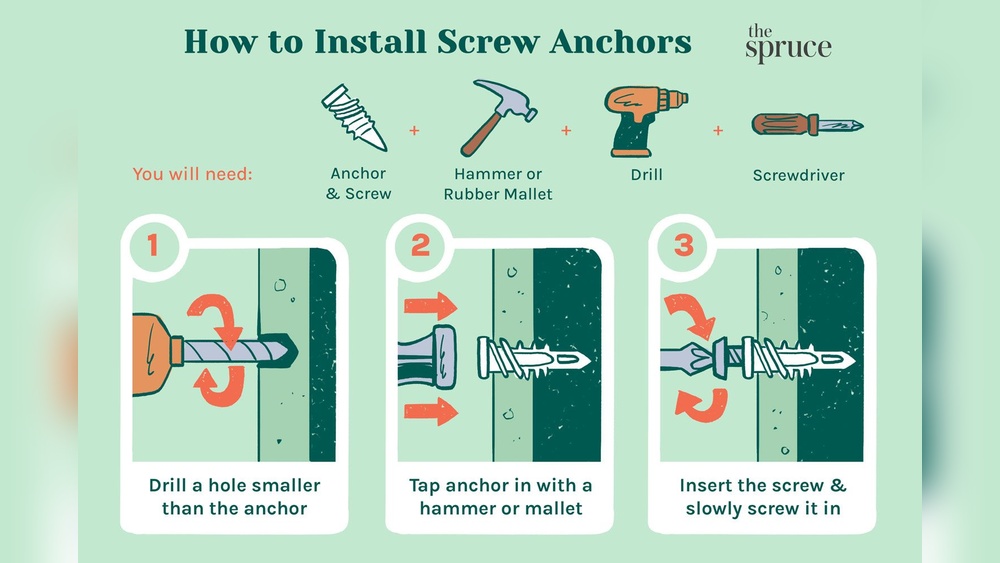
Start by cleaning the drilled hole to remove dust and debris. Use a brush or blow air inside the hole. Take the anchor and push it into the hole. Tap gently with a hammer to seat it fully. Make sure the anchor sits flush with the wall surface.
Securing The Stud
Place the stud against the wall, aligning it with the anchor. Insert the screw through the stud and into the anchor. Turn the screw clockwise using a screwdriver or drill. Tighten until the stud feels firmly held. Avoid over-tightening to prevent damage to the brick or anchor.
Checking Stability
After tightening, test the stud for movement. Push and pull gently to check if it holds steady. If it wobbles, loosen the screw and adjust the anchor. Tighten again and recheck stability. A solid hold means the anchor installation is successful.
Tips For Strong Support
Strong support is key when anchoring a stud to a brick wall. It ensures stability and safety. Small details make a big difference in holding power. Follow these tips to create a firm and lasting anchor.
Using Correct Anchor Size
Choose an anchor that fits the stud and wall thickness. Too small anchors may slip or break easily. Too large anchors can crack the brick. Measure carefully before buying. Use anchors made for brick walls for best results.
Distributing Weight Evenly
Spread the load across several anchors. This reduces stress on any single point. Place anchors at equal distances along the stud. Balanced weight helps prevent damage to the wall. It also keeps the stud steady and secure.
Regular Maintenance
Check anchors regularly for looseness or damage. Tighten screws if needed to keep support strong. Replace worn or cracked anchors immediately. Clean the area around anchors to avoid dirt buildup. Routine care extends the life of your installation.

Credit: www.reddit.com
Frequently Asked Questions
What Tools Are Needed To Anchor Stud To Brick Wall?
You need a drill with masonry bits, hammer, screwdriver, wall plugs, anchors, and screws. These tools ensure a secure stud attachment to the brick wall. Always wear safety goggles for protection during the process.
How Do You Choose The Right Anchor For Brick Walls?
Select anchors based on wall thickness and stud weight. Expansion anchors work well for solid brick, while sleeve anchors suit hollow bricks. Proper anchor choice ensures strong, durable fixing and prevents damage to the wall.
Can I Anchor A Stud Without Drilling Holes?
No, drilling holes is essential to secure anchors firmly in the brick. Surface adhesives or nails won’t provide the necessary support for studs. Drilling ensures stability and safety for any mounted structures.
How Deep Should Holes Be Drilled In Brick Walls?
Drill holes at least 1. 5 times the length of the anchor. This depth allows the anchor to expand properly and hold the stud securely. Measure accurately to avoid weak fixing or wall damage.
Conclusion
Anchoring a stud to a brick wall is simple with the right steps. Use proper tools and anchors for strong support. Drill carefully and measure twice before drilling. Tighten screws firmly but avoid cracking the brick. This method keeps your structure safe and stable.
Try it yourself to see how easy it is. A secure anchor means your project lasts longer and stays safe. Keep these tips in mind for your next brick wall project.