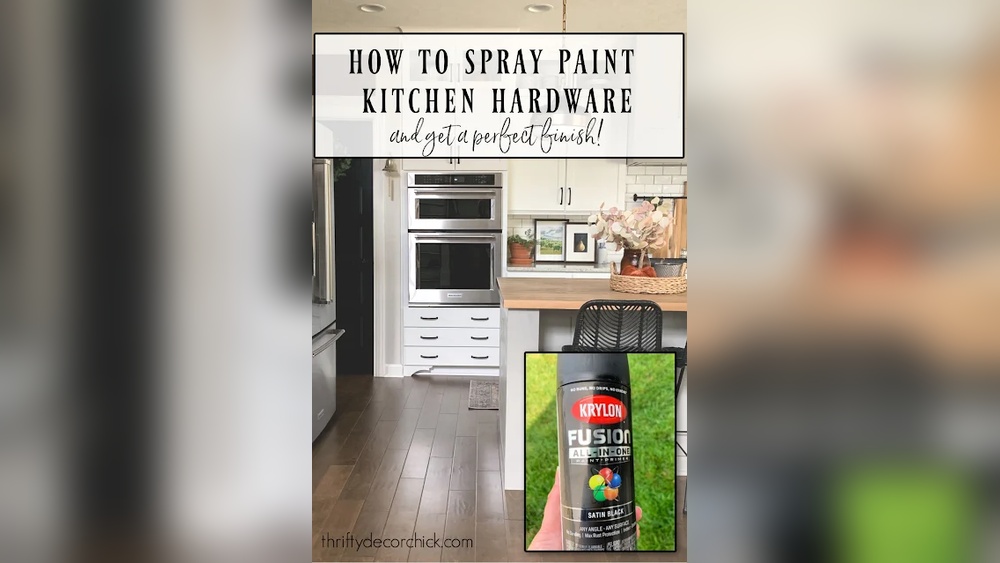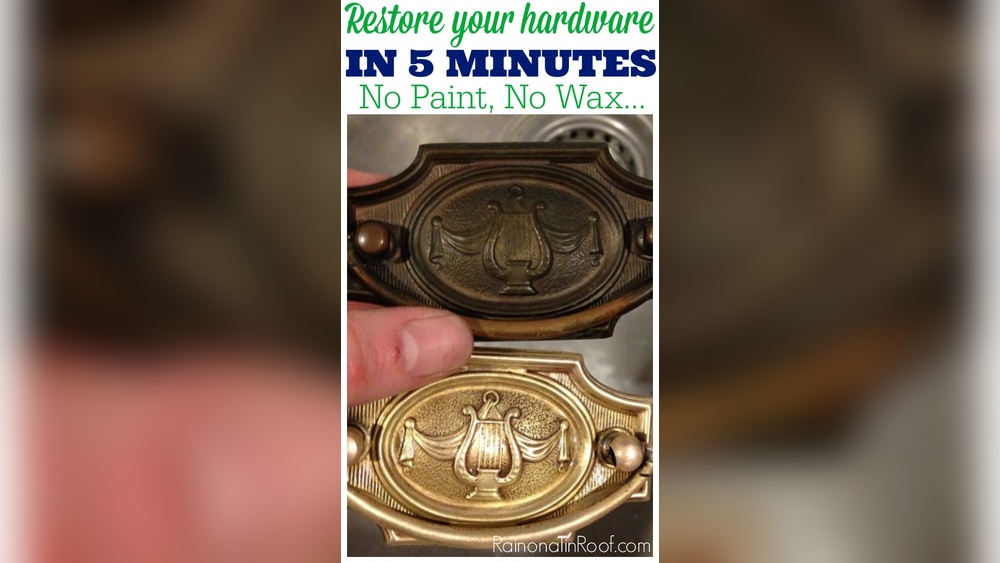
Are your cabinet handles and knobs looking dull, dark, or tarnished? You don’t have to replace them to bring back their shine.
With a few simple ingredients you probably already have at home, you can easily clean and restore your cabinet hardware to look like new. Whether your hardware is brass, nickel, or another metal, the right cleaning method can make a huge difference.
Keep reading, and you’ll discover easy, effective ways to remove tarnish and brighten your cabinets without harsh chemicals or expensive products. Your kitchen or bathroom will thank you for it!

Credit: www.reddit.com
Removing Hardware Safely
Start by carefully unscrewing cabinet hardware to avoid damage. Place screws and pieces safely aside. Handling hardware gently prevents scratches and makes cleaning easier.
Gather The Right Tools
Use a screwdriver that fits your hardware screws well. A wrong size can strip the screw head. Prepare a soft cloth or towel to place the hardware on after removal. This protects them from scratches or damage.
Turn Off Cabinet Locks Or Latches
Check if your cabinets have locks or latches. Unlock or release them gently. This step prevents damage to the locking mechanism during removal.
Remove Screws Carefully
Turn screws slowly and steadily. Avoid forcing them out quickly. Keep your hand steady to prevent slips that could scratch the cabinet surface.
Label Each Piece
Keep track of the screws and hardware pieces. Label them with tape or place them in small bags. This helps during reinstallation and avoids confusion.
Protect Cabinet Surfaces
Cover the cabinet area around the hardware with painter’s tape. This prevents accidental scratches or paint peeling. Use gentle tools when prying off hardware if needed.

Credit: www.reddit.com
Baking Soda And Lemon Paste
Baking soda and lemon paste is a natural and effective cleaner for tarnished cabinet hardware. This simple mixture uses common kitchen ingredients to remove grime and restore shine. It works well on metals like brass, copper, and nickel. The mild abrasiveness of baking soda lifts dirt, while lemon juice’s acidity breaks down tarnish. This paste is safe, eco-friendly, and easy to make at home.
Mixing The Paste
Start by placing two tablespoons of baking soda in a small bowl. Slowly add fresh lemon juice, about one tablespoon at a time. Stir the mixture until it forms a thick paste. The paste should be spreadable but not too runny. Avoid using bottled lemon juice for best results. Use fresh lemon juice for stronger cleaning power and a fresh scent.
Applying And Rinsing
Use a soft cloth or old toothbrush to apply the paste to the hardware. Cover all tarnished areas with a thin, even layer. Let the paste sit for 10 to 15 minutes to work on the tarnish. Gently scrub the hardware in circular motions to lift dirt and stains. After scrubbing, rinse the hardware under warm water. Dry completely with a clean towel to prevent water spots and future tarnish.
Vinegar Soak Method
The vinegar soak method is a simple and effective way to clean tarnished cabinet hardware. Vinegar’s natural acidity breaks down tarnish and grime without harsh chemicals. This method is safe for most metal finishes and requires only a few household items.
Removing the hardware before soaking helps ensure a thorough clean. The vinegar soak loosens dirt and restores shine, making scrubbing easier. Follow these steps for the best results.
Preparing The Solution
Mix equal parts of white vinegar and warm water in a container. Use enough liquid to fully cover the hardware pieces. Avoid using vinegar straight, as it may be too strong for some metals. This gentle solution will help dissolve tarnish effectively.
Soaking Duration
Place the cabinet hardware in the vinegar solution. Let it soak for 15 to 30 minutes. Check the pieces occasionally to avoid damage. Longer soaking may be needed for heavy tarnish, but do not exceed one hour to protect the finish.
Scrubbing And Drying
Remove the hardware from the solution. Use a soft toothbrush or cloth to scrub away loosened tarnish. Focus on crevices and detailed areas. Rinse the hardware with clean water to remove vinegar residue. Dry each piece thoroughly with a soft towel to prevent water spots or rust.
Vinegar, Salt, And Flour Paste
The vinegar, salt, and flour paste is a simple, natural way to clean tarnished cabinet hardware. This mixture helps remove dullness and restores shine without harsh chemicals. It works by breaking down tarnish and lifting it from metal surfaces gently.
This paste is easy to make and effective on various metals like brass, copper, and bronze. It uses common kitchen ingredients, making it a budget-friendly cleaning option. The process requires only a few minutes of preparation and application.
Creating The Mixture
Start by combining 1/2 cup of vinegar with 1 teaspoon of salt in a bowl. Stir until the salt dissolves completely. Next, add enough flour to the mixture to form a thick paste. The texture should be smooth and spreadable, not runny.
Mix the ingredients well to ensure even consistency. Use fresh ingredients for the best results. Avoid adding too much flour, as it can make the paste difficult to apply.
Cleaning Process
Remove the cabinet hardware from the furniture before cleaning. Apply the paste evenly over the tarnished areas using a soft cloth or your fingers. Cover all surfaces and let the paste sit for about 30 minutes.
After waiting, gently rub the hardware with a soft toothbrush or cloth. This action helps lift the tarnish without scratching the metal. Rinse the hardware under warm water to wash away the paste and loosened tarnish.
Dry the pieces thoroughly with a clean towel to prevent water spots. Repeat the process if tarnish remains. This method restores shine and freshness to old cabinet hardware effectively.
Boiling And Scrubbing Technique
The boiling and scrubbing technique is a simple way to clean tarnished cabinet hardware. It uses heat and gentle scrubbing to remove dirt and oxidation. This method is safe for most metals and restores shine without harsh chemicals. It works well for knobs, pulls, and hinges. Follow these steps carefully to bring back the hardware’s original look.
Preparing The Boiling Solution
Start by filling a pot with equal parts water and white vinegar. The vinegar helps break down tarnish. Bring the mixture to a boil on the stove. Make sure the pot is large enough to hold all the hardware. Remove any dirt or grease by rinsing the pieces before boiling. Use tongs to place the hardware carefully into the boiling solution.
Handling And Scrubbing Hardware
Let the hardware soak in the boiling solution for 10 to 15 minutes. This softens the tarnish and grime. After soaking, use a soft toothbrush or cloth to scrub each piece gently. Focus on crevices and detailed areas. Avoid using abrasive pads that can scratch the metal surface. Scrubbing removes loosened dirt and restores shine.
Rinsing And Drying
Once scrubbed, rinse the hardware under warm running water. This removes any vinegar and loosened tarnish. Dry each piece thoroughly with a soft towel. Leaving moisture can cause rust or new tarnish. For best results, air dry the hardware completely before reattaching to cabinets.
Tools And Materials Needed
Gathering the right tools and materials makes cleaning tarnished cabinet hardware easier. Having everything ready saves time and avoids frustration. Simple supplies can restore shine and remove tarnish effectively.
Soft Cloths
Soft cloths are essential to clean and polish hardware gently. Avoid rough fabrics that can scratch surfaces. Microfiber or cotton cloths work best for wiping and drying.
Toothbrush
A toothbrush helps reach small crevices and detailed areas. Use a soft-bristled toothbrush to avoid damage. It is perfect for scrubbing stubborn tarnish.
Baking Soda
Baking soda is a natural cleaner that removes tarnish well. It can be mixed with liquids to create a paste. This paste gently cleans without harsh chemicals.
Lemon Juice
Lemon juice contains acid that breaks down tarnish. It brightens metal and leaves a fresh scent. Combine lemon juice with baking soda for a powerful cleaner.
White Vinegar
White vinegar is great for soaking hardware and dissolving tarnish. Mix it with water to reduce strength and protect delicate finishes. It works well for brass and other metals.
Salt
Salt enhances the cleaning power of vinegar and lemon juice. It helps scrub away tough spots without scratching. Mix salt carefully to avoid abrasive damage.
Flour
Flour is used to make a thick cleaning paste with vinegar and salt. This paste sticks to hardware and removes tarnish effectively. It is easy to rinse off after cleaning.
Steel Wool Or Fine Sandpaper
Steel wool or fine sandpaper can remove heavy tarnish and rust. Use very gently to avoid scratching the hardware. Only use on sturdy metal pieces, not delicate finishes.
Gloves
Gloves protect your hands from acids and cleaning solutions. Use rubber or latex gloves to avoid skin irritation. They also keep hardware clean from oils on your skin.
Tips For Protecting Hardware
Protecting your cabinet hardware keeps it looking shiny and new longer. Simple care steps reduce tarnish and wear. Follow these tips to guard your hardware against damage and discoloration.
Clean Hardware Regularly
Wipe hardware with a soft cloth often. Remove dust and dirt before buildup occurs. Use mild soap and water for gentle cleaning. Avoid harsh chemicals that can erode finishes.
Apply A Protective Coating
Use clear wax or a lacquer spray to shield metal. This layer blocks moisture and air. Reapply coating every few months for best results. It helps prevent tarnish and keeps hardware bright.
Avoid Excess Moisture
Keep cabinets dry around hardware areas. Wipe up spills quickly to stop rust. Use ventilation in kitchens and bathrooms. Moisture causes metal to corrode and tarnish fast.
Handle With Care
Open and close cabinets gently. Rough handling can scratch and wear finishes. Use clean hands or gloves when cleaning. Oils and dirt from skin speed tarnish.
Use Protective Pads
Place soft pads behind hardware if possible. Pads prevent metal from rubbing against wood. This reduces scratches and wear over time. It helps hardware stay smooth and shiny.
Dealing With Stubborn Tarnish
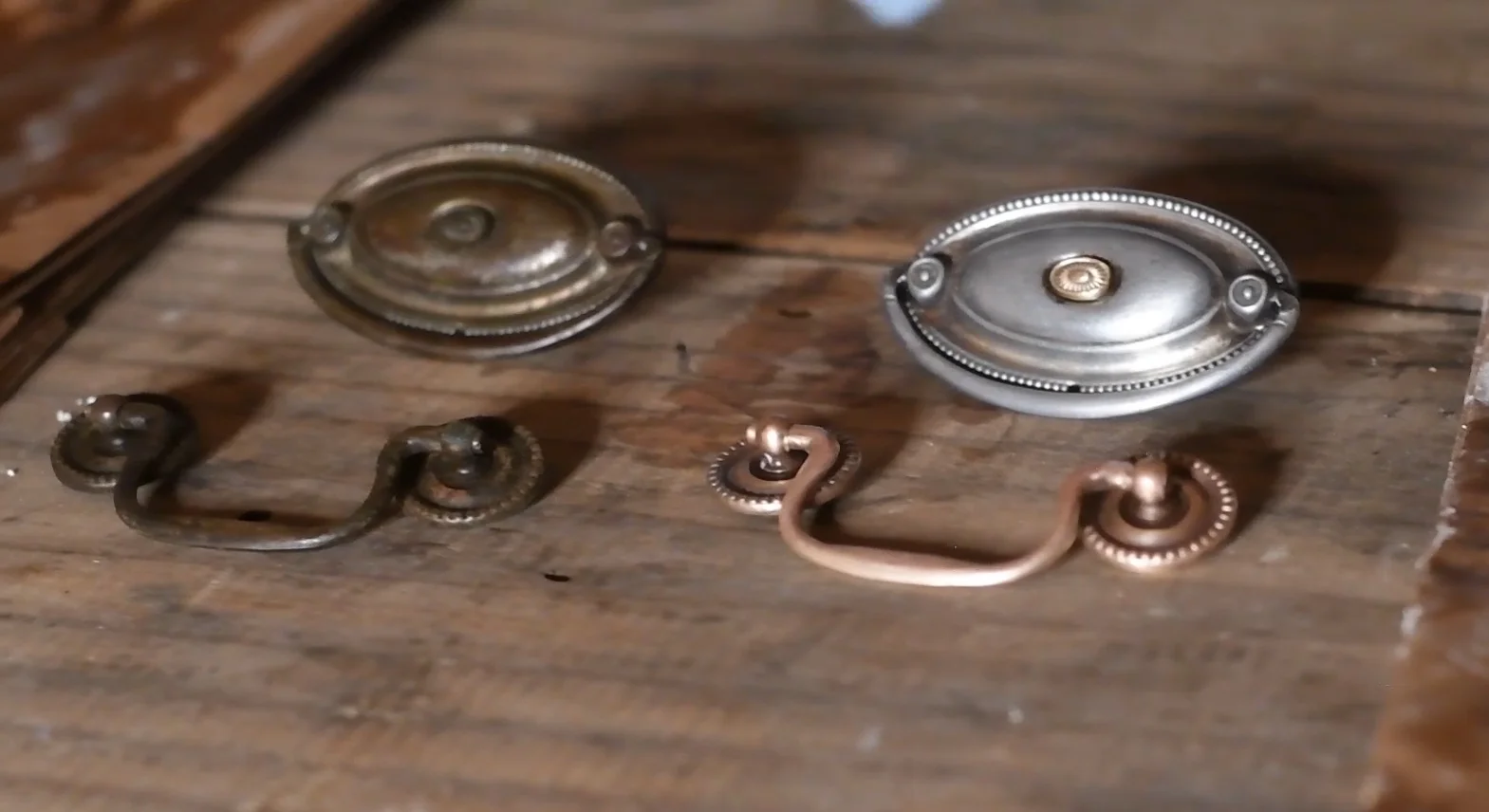
Stubborn tarnish on cabinet hardware can be tough to remove. Simple cleaning might not work for deep, dark stains. It takes patience and the right methods to restore the shine. Using gentle but effective techniques helps protect the hardware while cleaning.
Start by removing the hardware from the cabinets. This step prevents damage to the wood or paint. Soaking the pieces in a cleaning solution softens the tarnish. Then, scrubbing carefully removes the buildup without scratching.
Use A Baking Soda And Lemon Paste
Mix baking soda with fresh lemon juice to form a thick paste. Apply it to the tarnished spots using a soft cloth. Let it sit for 10 to 15 minutes. The natural acids break down the tarnish gently. Wipe off the paste and rinse with warm water. Dry the hardware completely with a clean towel.
Soak In Vinegar And Water Solution
Combine equal parts white vinegar and water in a bowl. Submerge the hardware and let it soak for 30 minutes. Vinegar dissolves tough tarnish without harsh chemicals. After soaking, scrub lightly with a soft toothbrush. Rinse well and dry each piece thoroughly to prevent water spots.
Try A Flour, Salt, And Vinegar Mixture
Mix flour, salt, and vinegar into a smooth paste. Spread the mixture on the hardware and allow it to sit for an hour. This old-fashioned remedy works well on heavy tarnish. Afterward, rinse with warm water and buff with a soft cloth. The hardware should look brighter and cleaner.
Credit: www.markethouserestorations.com
Frequently Asked Questions
How Do I Make My Cabinet Hardware Look New?
Remove hardware and soak in vinegar-water or apply baking soda-lemon paste. Scrub gently, rinse, and dry thoroughly to restore shine.
How To Clean Tarnish Hardware?
Remove hardware from furniture. Use a baking soda and lemon juice paste or soak in equal parts vinegar and water. Scrub gently with a soft cloth or brush. Rinse and dry thoroughly. For stubborn tarnish, soak in boiling vinegar water and scrub with steel wool.
How To Clean Very Badly Tarnished Brass?
Remove brass from furniture. Apply a paste of baking soda and lemon juice or vinegar, salt, and flour. Soak in vinegar-water mix for hours if needed. Gently scrub with a soft brush or steel wool. Rinse thoroughly and dry completely to restore shine.
How To Bring Old Hardware Back To Life?
Remove hardware from furniture. Clean with baking soda-lemon paste or soak in vinegar-water mix. Scrub gently, rinse, and dry. For tough tarnish, use vinegar-salt-flour paste or boil in vinegar-water before scrubbing. Polish to restore shine and functionality.
Conclusion
Cleaning tarnished cabinet hardware can refresh your entire space. Use simple household ingredients like baking soda, lemon juice, vinegar, or salt. Apply gently with a soft cloth or toothbrush to avoid damage. Soaking helps loosen tough tarnish before scrubbing. Always dry hardware thoroughly to prevent new tarnish.
Regular cleaning keeps hardware bright and extends its life. Small efforts bring big improvements to your cabinets’ look. Try these easy steps and enjoy hardware that shines like new.