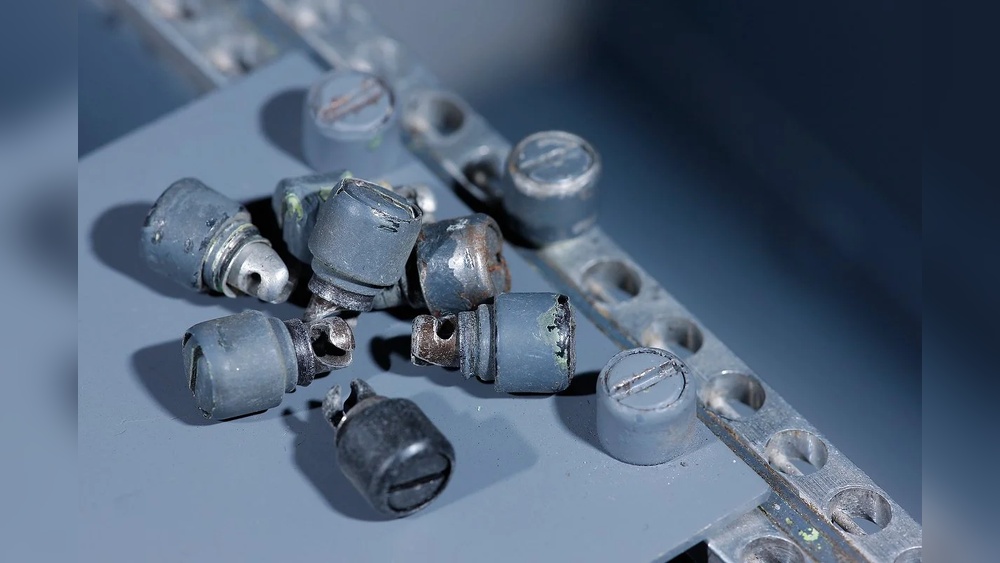
If you’re working with aircraft panels, race cars, or custom machinery, you’ve likely come across Dzus fasteners. These quick-release fasteners are great for securing panels but can be tricky when it’s time to remove them.
You might be wondering how to take them out quickly without damaging your parts or wasting time. In this guide, you’ll discover simple, step-by-step tips to remove Dzus fasteners fast and hassle-free. Keep reading—you’ll save effort and get back to your project sooner.
What Are Dzus Fasteners
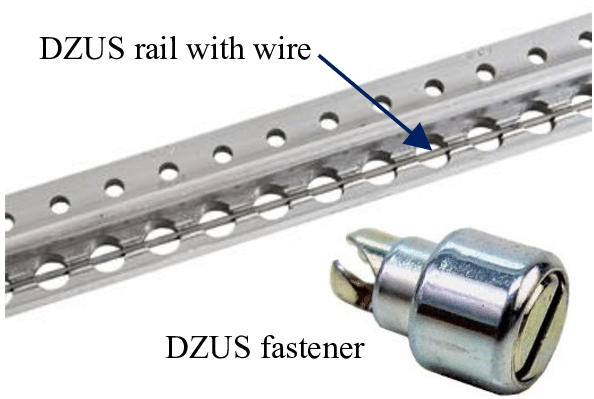
Dzus fasteners are small, quick-release fasteners. They secure panels and parts tightly. These fasteners allow easy access to inside parts. They are simple to open and close without tools. This makes maintenance faster and safer.
Designed for repeated use, Dzus fasteners hold parts firmly. They resist vibration and movement during operation. Their design ensures a strong, reliable connection each time.
Common Uses
Dzus fasteners appear in many industries. Aircraft use them to secure access panels. Automobiles have them on body parts and hoods. Racing cars rely on them for quick repairs. Electronics and machinery also use these fasteners. Anywhere quick panel removal is needed, Dzus fasteners help.
Types Of Dzus Fasteners
Several types of Dzus fasteners exist. The most common type is the quarter-turn fastener. It locks with a simple twist. Another type includes stud and spring fasteners. These use a spring to hold the stud tight. Different sizes and finishes fit various needs. Choose based on the material and application.

Credit: www.reddit.com
Tools Needed
Removing Dzus fasteners needs the right tools. Using proper tools makes the job easier and safer. It also helps avoid damage to the fasteners and surrounding parts.
Screwdrivers And Pliers
Screwdrivers are basic tools for removing Dzus fasteners. A flat-head screwdriver fits most fastener slots. It helps turn the fastener to unlock it. Use a screwdriver with a comfortable grip for better control.
Pliers assist in gripping and pulling the fastener out. Needle-nose pliers work well for small or tight spaces. They provide a strong hold without slipping. Combine screwdrivers and pliers for efficient removal.
Specialized Removal Tools
Specialized tools are made just for Dzus fasteners. They fit the fastener shape perfectly. These tools reduce the risk of stripping or damaging fasteners. A Dzus fastener removal tool often has a spring-loaded tip.
These tools save time and effort. They also increase safety during removal. Investing in specialized tools is worth it for frequent users.
Safety Precautions
Removing Dzus fasteners requires care and attention to safety. These small parts hold panels tightly, and removing them fast can cause injury or damage. Following safety precautions protects you and your workspace.
Protective Gear
Wear gloves to protect your hands from sharp edges. Safety glasses shield your eyes from flying debris. Use a long-sleeve shirt to cover your arms. Closed-toe shoes keep your feet safe from falling tools or parts.
Workspace Preparation
Clear the area of any clutter to avoid tripping. Work in a well-lit space to see the fasteners clearly. Use a sturdy workbench to hold the parts securely. Keep tools organized and within reach for quick access.
Credit: hangar45.net
Preparing The Fastener
Preparing the fastener is the first step to remove Dzus fasteners quickly. This step makes the removal process easier and safer. Taking time to prepare helps avoid damage to the fastener or the surface it holds.
Cleaning The Area
Start by cleaning the area around the fastener. Dirt and grease can make removal harder. Use a soft cloth and mild cleaner to wipe the surface. This clears dust and debris from the fastener. A clean area helps tools grip better. It also prevents dirt from falling inside the mechanism.
Inspecting The Fastener
Next, closely inspect the fastener for damage or wear. Look for cracks, bends, or rust. Check if the spring mechanism moves freely. A damaged fastener may need careful handling or replacement. Understanding its condition guides how to remove it safely. This step prevents further damage during removal.
Step-by-step Removal Process
Removing Dzus fasteners is simple with the right steps. Follow this process carefully for quick removal. Each step helps avoid damage to parts and tools. Stay patient and work steadily through each stage.
Loosening The Fastener
Start by turning the fastener head counterclockwise. Use your fingers or a flat tool to grip it. Turn slowly to loosen the tension. Avoid using too much force to prevent stripping.
Releasing The Catch
Once loose, press or pull the catch on the fastener. This unlocks the spring mechanism inside. You may hear a slight click as it releases. Keep the fastener steady while doing this.
Removing The Fastener Completely
After the catch releases, pull the fastener straight out. Hold the panel or part steady to avoid bending. Check the fastener for any dirt or damage. Store it safely for reuse or replacement.
Troubleshooting Stuck Fasteners
Stuck Dzus fasteners can slow down your work and cause frustration. These fasteners sometimes seize due to dirt, rust, or tight fitting. Knowing how to troubleshoot stuck fasteners helps you remove them safely and quickly. Below are easy methods to try before forcing the fastener.
Applying Lubricants
Use a penetrating oil or spray lubricant on the stuck fastener. Let it sit for 10 to 15 minutes. The lubricant loosens rust and dirt, making turning easier. Apply more if needed and try to turn the fastener gently. Avoid using too much force right away.
Using Heat Or Cold
Heat can expand metal parts and free stuck fasteners. Use a heat gun or hair dryer to warm the fastener for a few minutes. Be careful not to overheat surrounding materials. Cold can also help by contracting metal. Use an ice pack or cold spray for a short time, then try to remove the fastener.
Avoiding Damage
Use the correct tool size to prevent stripping the fastener head. Turn the fastener slowly and steadily, not fast or jerky. If it still won’t budge, try tapping the fastener lightly with a hammer to break rust. Protect surrounding surfaces with tape or cloth. Avoid using power tools that may damage parts.
Maintaining And Reinstalling Fasteners
Maintaining and reinstalling Dzus fasteners ensures they work well and last longer. Proper care prevents damage and keeps parts secure. Follow clear steps to clean, check, and reinstall fasteners for best results.
Cleaning And Inspecting
Start by wiping fasteners with a clean cloth. Remove dirt, grease, and old lubricant. Check for cracks or bends in the fasteners. Look for worn threads or broken springs. Replace any damaged fasteners immediately. Clean fasteners fit and work better.
Proper Reinstallation Tips
Align fasteners carefully with their slots. Push or twist them gently to lock in place. Avoid forcing fasteners to prevent damage. Use light lubricant to ease installation. Tighten fasteners just enough to hold parts firmly. Over-tightening can cause wear and breakage.

Credit: www.youtube.com
Frequently Asked Questions
What Tools Are Needed To Remove Dzus Fasteners?
To remove Dzus fasteners, you need a flathead screwdriver or a specialized Dzus removal tool. These tools fit the fastener slot for easy twisting. Using the correct tool prevents damage and speeds up the removal process.
How Do You Safely Remove Dzus Fasteners?
Insert the screwdriver into the fastener slot and turn it counterclockwise. Apply steady pressure to avoid stripping. Remove the fastener once it loosens. Handle with care to prevent damage to surrounding panels.
Can I Reuse Dzus Fasteners After Removal?
Yes, Dzus fasteners can be reused if undamaged. Inspect for wear or deformation before reinstallation. Proper removal ensures they maintain their locking strength for future use.
Why Are Dzus Fasteners Popular In Aviation?
Dzus fasteners offer quick, secure panel fastening with easy removal. Their spring-loaded design provides vibration resistance, ideal for aircraft maintenance and inspections. This makes them a trusted choice in aviation industries.
Conclusion
Removing Dzus fasteners is simple with the right tools and steps. Always work carefully to avoid damage. Keep your fasteners clean and organized for easy reuse. Practice makes the process faster and smoother. This guide helps you save time and effort.
Now, you can handle Dzus fasteners confidently and safely.