If you’re working with aerospace, automotive, or high-performance machinery, you already know the importance of using the right fasteners. Hi Lok fasteners are a go-to choice when strength, reliability, and precision are non-negotiable.
But do you really know how to install them correctly? Getting the installation right isn’t just about tightening a bolt—it’s about ensuring safety, durability, and peak performance. In this guide, you’ll discover clear, step-by-step instructions on how to install Hi Lok fasteners the right way.
By the time you finish reading, you’ll have the confidence and know-how to handle your fastener installation like a pro, avoiding common mistakes that could cost you time and money. Ready to master this essential skill? Let’s dive in!
Hi-lok Fastener Basics
Hi-Lok fasteners form a reliable fastening system widely used in aerospace. They combine strength, precision, and easy installation. Understanding the basics helps in proper use and installation of these fasteners.
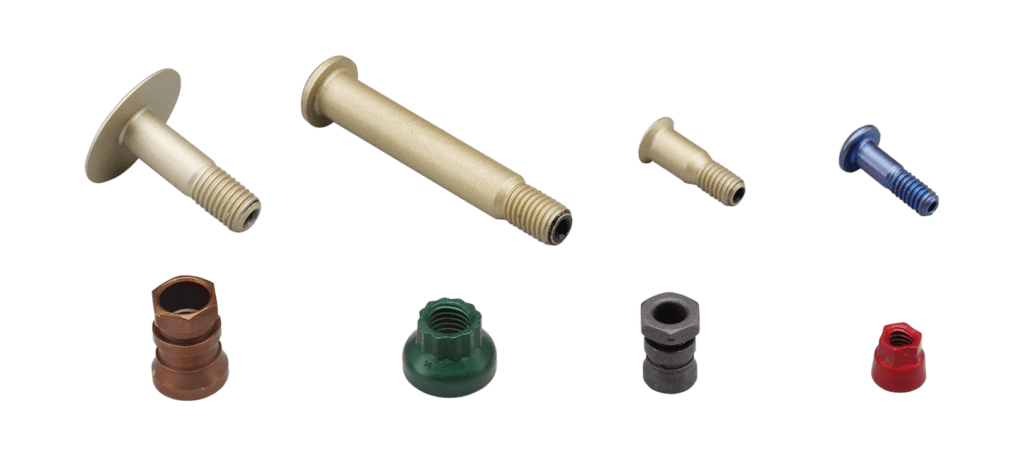
Each Hi-Lok fastener consists of a pin and a collar. The pin inserts through the parts to be joined. The collar fits over the pin and is tightened to create a secure connection. This design ensures strong, permanent fastening.
Types Of Hi-lok Fasteners
Hi-Lok fasteners come in several types to suit different needs. Standard Hi-Lok pins and collars are common for general use. Hi-Lite fasteners offer improved strength and controlled preload for critical areas. Hi-Tigue fasteners resist corrosion and fatigue. Each type fits specific aerospace demands.
Key Features And Benefits
Hi-Lok fasteners provide high strength with low weight, essential in aircraft. Their one-sided installation saves time and reduces labor. The collar shears off at the correct torque, preventing over-tightening. This ensures consistent, reliable joints. They also resist vibration and fatigue, increasing safety.
Applications In Aerospace
Hi-Lok fasteners secure many aircraft parts. They join wing panels, fuselage sections, and engine components. Their strength and precision keep aircraft safe under extreme conditions. Maintenance teams prefer them for fast, error-free installation. Hi-Loks meet strict aerospace standards for quality and durability.
Credit: www.howmet.com
Tools Needed
Installing Hi Lok fasteners requires specific tools to ensure proper fit and function. Using the right tools helps achieve a secure and reliable connection. This section explains the essential tools needed for installation.
Hand Tools
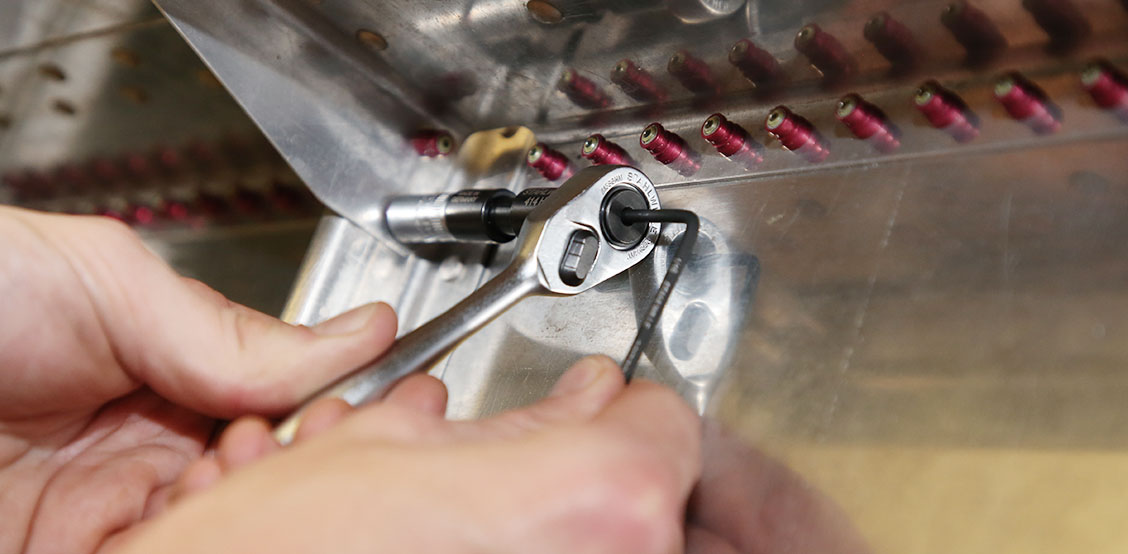
Basic hand tools include wrenches and torque wrenches. These tools help tighten the fastener collar manually. A calibrated torque wrench ensures the correct torque level. Hand tools are useful for small jobs or tight spaces.
Pneumatic Equipment
Pneumatic tools speed up the installation process. They provide consistent torque and reduce operator fatigue. Air-driven wrenches and torque guns are common pneumatic tools. These tools require an air compressor to operate.
Specialized Installation Tools
Special tools are designed specifically for Hi Lok fasteners. Installation tools hold the pin steady while tightening the collar. A driving tool applies torque and shears off the collar’s hex portion. These tools ensure precise and safe installation.
Preparing For Installation
Preparing for the installation of Hi Lok fasteners is crucial for a secure and lasting fit. This phase ensures all components and conditions meet the requirements. Proper preparation helps avoid errors and saves time during assembly.
Selecting Correct Fastener Size
Choose the fastener size based on the design specifications. Using the wrong size can cause weak joints or damage parts. Check the diameter and length carefully. Always follow the manufacturer’s recommendations for size selection.
Checking Hole Dimensions
Inspect the holes where fasteners will go. The hole diameter must match the fastener size exactly. Holes that are too large or small can reduce strength. Ensure the holes are clean and free from debris or burrs. Measure the hole depth to confirm it suits the fastener length.
Material Compatibility
Verify the materials of both the fastener and the parts being joined. Some metals can corrode when combined, weakening the joint. Select fasteners made from compatible materials to prevent corrosion. Consider the operating environment and any exposure to moisture or chemicals.

Credit: www.scribd.com
Installation Steps
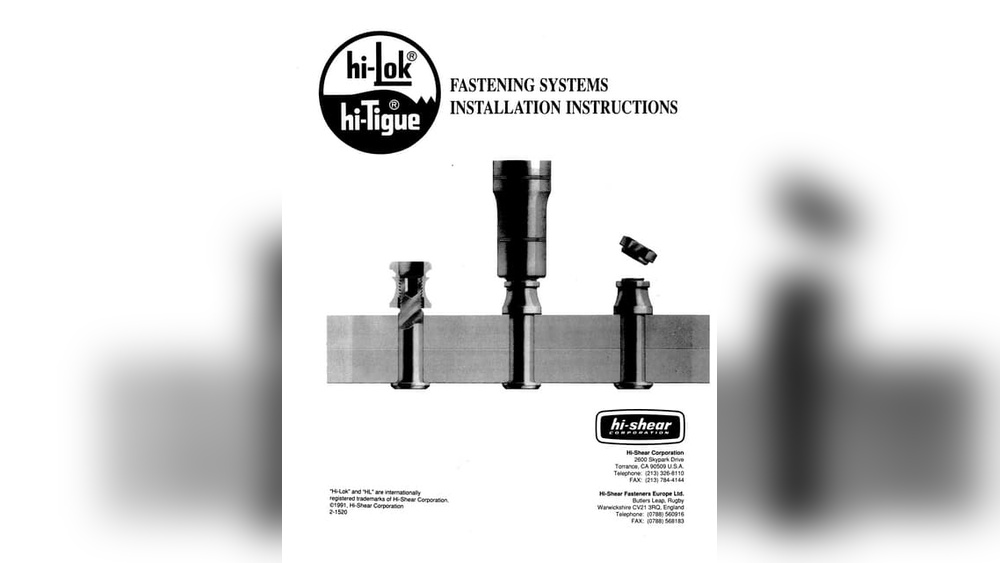
Installing Hi Lok fasteners requires precision and care. Follow these clear steps to ensure a strong and secure fit. Each step builds on the previous one, so work methodically for best results. Proper installation guarantees the fastener’s durability and safety in your project.
Pin Insertion
Begin by placing the Hi Lok pin through the components you need to join. Make sure the pin slides smoothly without forcing it. The pin must be fully seated to avoid gaps. Verify the pin is straight and properly aligned with the holes.
Collar Placement
Next, slide the collar onto the exposed end of the pin. The collar should fit snugly but not be forced. Position it flush against the surface of the material. Correct collar placement ensures even pressure during tightening.
Applying Torque
Use a calibrated torque tool to tighten the collar. Apply steady, even pressure to avoid damaging parts. The tool rotates the collar, pulling the pin tight. Stop applying force once you reach the specified torque level.
Automatic Collar Shearing
At the correct torque, the tool will shear off the collar’s hex head automatically. This action locks the fastener in place. The sheared collar remains flush with the surface for a clean finish. This feature prevents over-tightening and ensures safety.
Ensuring Proper Torque
Ensuring proper torque during the installation of Hi Lok fasteners is critical for safety and performance. Correct torque ensures the fastener holds parts tightly without damage. It maintains structural integrity and prevents loosening during use.
Applying the right torque helps avoid costly repairs and ensures the fastener performs as designed. Below are key points to consider for achieving proper torque.
Torque Specifications
Each Hi Lok fastener has a specific torque value. This value depends on the fastener size and material. Always check the manufacturer’s torque charts before installation. Using the correct torque ensures a secure fit and prevents damage.
Ignoring torque specifications can lead to loose or damaged fasteners. Follow the guidelines carefully for best results.
Avoiding Over-torquing
Over-torquing can damage the fastener or the materials being joined. Excessive torque may cause threads to strip or fastener heads to break. It can reduce the fastener’s strength and safety.
Stop tightening as soon as the specified torque is reached. Be gentle and precise. Over-torquing does more harm than under-torquing in most cases.
Using Torque Wrenches
Torque wrenches provide precise control over the applied torque. They help apply the exact amount of force needed. Select a torque wrench suitable for the required torque range.
Calibrate the wrench regularly for accuracy. Use smooth, steady pressure when tightening. This practice ensures consistent and reliable installation every time.
Troubleshooting Installation Issues
Installing Hi Lok fasteners can sometimes present challenges that slow down your progress. Troubleshooting these issues ensures your fasteners perform well and maintain safety. This section guides you through common installation problems and practical fixes.
Dealing With Misalignment
Misalignment occurs when the fastener parts do not line up correctly. This can cause damage or poor fastening. To fix it, check the hole and fastener alignment before insertion. Use alignment tools or guides to help position parts accurately. Avoid forcing the fastener, as this can worsen the issue.
Handling Damaged Threads
Damaged threads reduce the fastener’s grip and strength. Inspect threads for burrs or dents before installation. Clean threads gently with a wire brush if dirty. If threads are severely damaged, replace the fastener or use a thread repair tool. Proper care prevents thread damage during installation.
Correcting Improper Clamping
Improper clamping leads to loose or uneven fasteners. Ensure the collar is tightened to the correct torque using a calibrated tool. Avoid over-tightening, which can shear the collar prematurely. If clamping feels uneven, remove and re-install the fastener carefully. Correct clamping improves joint strength and durability.
Maintenance And Inspection
Maintaining and inspecting Hi Lok fasteners is essential for safety and durability. Regular care helps detect problems early and keeps fasteners working well. Follow simple steps to ensure fastener reliability and avoid failures.
Routine Checks
Perform visual inspections regularly. Look for loose collars or missing parts. Check if the fastener surface shows damage or corrosion. Confirm that the fastener is properly seated. Use a torque wrench to verify correct tightness. Keep records of all inspections for future reference.
Identifying Wear And Fatigue
Look for cracks or deformation on the fastener head and collar. Notice any unusual movement or play in the fastener. Surface discoloration or rust may indicate fatigue. Pay attention to signs of metal fatigue such as hairline cracks. Any sign of wear reduces the fastener’s strength and safety.
Replacement Guidelines
Replace fasteners showing cracks, corrosion, or damage immediately. Use only manufacturer-approved replacement parts. Avoid reusing fasteners that have been removed. Follow torque specifications strictly during reinstallation. Always replace the collar after removal. Proper replacement ensures the fastener maintains its strength and function.
Comparison With Other Fasteners
Understanding how Hi-Lok fasteners compare to other fastening options helps in choosing the right one. Each type offers unique features suited to different needs. This section breaks down the differences between Hi-Lok fasteners and common alternatives.
Hi-lok Vs. Rivets
Hi-Lok fasteners provide higher strength than standard rivets. They use a threaded collar tightened to a set torque. Rivets simply deform to hold materials together. This makes Hi-Lok fasteners more reliable under stress. Removal and replacement are easier with Hi-Lok fasteners. Rivets require drilling out, which may damage the parts.
Hi-lok Vs. Hi-lite Fasteners
Hi-Lite fasteners are an improved version of Hi-Lok pins. They offer better control over preload and tension. Hi-Lite fasteners maintain consistent clamping force for longer. Both use similar installation tools and methods. Hi-Lite fasteners are preferred for newer aerospace designs.
Advantages In Critical Applications
Hi-Lok fasteners excel in critical applications needing high strength and fatigue resistance. They deliver precise torque, reducing the chance of loosening. Their lightweight design helps in aerospace and automotive uses. Hi-Lok fasteners resist vibration better than many alternatives. These traits ensure safety and durability in demanding conditions.
Credit: stahlwille.com
Frequently Asked Questions
How Are Hi-lok Fasteners Installed?
Hold the Hi-Lok pin stationary with an installation tool. Rotate the collar to tighten progressively. Apply torque until the collar’s hex shears off automatically.
Can Hi-lok Fasteners Be Over Torqued?
Hi-Lok fasteners cannot be over-torqued due to their design. The collar shears off at the correct torque automatically.
Are Hi-lok Fasteners Permanent?
Hi-Lok fasteners are permanent high-strength fasteners used mainly in aerospace. They combine bolt and rivet features for secure, one-sided installation.
What Is The Difference Between Hi-lok And Hi Lite Fasteners?
Hi-Lok fasteners use a collar that shears off at torque, while Hi-Lite fasteners offer improved controlled preload for better reliability.
Conclusion
Installing Hi Lok fasteners is straightforward with the right tools. Follow each step carefully to ensure a secure fit. Tighten the collar until the hex head shears off naturally. Avoid rushing to maintain the fastener’s strength and reliability. Proper installation guarantees lasting performance in your project.
Practice patience for the best results every time.