If you’ve ever wondered how long Fastenal has been in business, you’re not alone. Understanding a company’s history can give you valuable insight into its reliability and growth.
Whether you’re a customer, investor, or just curious, knowing Fastenal’s journey helps you see why it stands strong in the competitive world of industrial supplies. You’ll discover how many years Fastenal has been serving its customers, what makes it unique, and how it compares to its biggest competitors.
Keep reading to learn the story behind one of the leading names in the industry—and why it might matter to you.
Fastenal’s Founding And Early Years
Fastenal’s journey began in the late 1960s, marking the start of a long-standing presence in industrial supply. The company quickly gained attention for its practical approach and deep understanding of customer needs. Its early years laid a strong foundation for what would become a major player in the market.
Fastenal’s founders focused on building trust and reliability. They concentrated on providing essential products to industries that depended on consistent supply and quality. This focus helped Fastenal grow steadily in a competitive environment.
Origins In Industrial Supply
Fastenal started as a small industrial supply store. The company served local businesses with fast and reliable access to tools and fasteners. It filled a gap by offering products that were hard to find elsewhere quickly.
The founders saw an opportunity to serve industries needing bulk supplies. Their goal was to reduce downtime for customers by providing ready inventory. This approach helped Fastenal build strong relationships in its early markets.
Initial Product Focus
Fastenal’s first products were mainly fasteners like bolts, screws, and nuts. These items were essential for manufacturing and construction businesses. The company made sure these products were always available and affordable.
This clear product focus allowed Fastenal to specialize and become known for quality. The company expanded its inventory slowly, but kept fasteners as its core. This helped the brand develop a loyal customer base early on.
Credit: manufacturing-today.com
Growth Through Decades
Fastenal has steadily grown since its start in 1967. The company began as a small fastener supplier in Winona, Minnesota. Over the years, it expanded its reach and product offerings. This steady growth helped Fastenal become a major player in the industrial supply market.
Fastenal’s success comes from adapting to market needs and investing in new technologies. The company focused on expanding its products, opening branches, and improving inventory systems. These moves helped Fastenal serve customers better and grow its business.
Expansion Of Product Lines
Fastenal started by selling only fasteners. Over time, it added many products like tools, safety gear, and industrial supplies. This broad range attracted more customers. Offering diverse products helped Fastenal meet different needs in manufacturing and construction.
Opening Of Branch Locations
Fastenal grew its network by opening new branches across the U.S. and internationally. These locations allowed faster delivery and better customer service. Branch offices helped Fastenal stay close to clients and understand local market demands.
Adoption Of Inventory Technologies
Fastenal invested in inventory technology to improve stock management. Automated systems track products and reorder supplies on time. This reduced delays and improved availability. Technology also helped Fastenal lower costs and increase efficiency.
Key Products And Services
Fastenal offers a wide range of products and services that serve many industries. Its key offerings focus on providing quality supplies and efficient solutions. These products and services support construction, manufacturing, and maintenance tasks.
The company’s inventory includes essential items used daily by businesses. Fastenal also provides tools and safety equipment to protect workers. Beyond products, Fastenal offers solutions to help companies manage their inventory and supply chains better.
Fasteners And Hardware
Fastenal stocks a vast selection of fasteners. This includes screws, bolts, nuts, and washers. These items come in many sizes and materials. Customers find products for heavy industrial needs and small repair jobs. The hardware category also covers anchors, nails, and rivets. Quality and variety make Fastenal a trusted supplier.
Tools And Safety Equipment
The company supplies hand tools and power tools for various uses. These tools help workers perform tasks safely and efficiently. Fastenal offers safety gear like gloves, helmets, and eye protection. The safety equipment meets industry standards to reduce risks. Reliable tools and gear keep workers productive and secure.
Inventory Management Solutions
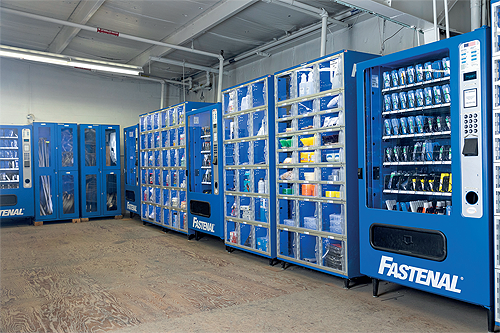
Fastenal provides inventory control systems to track supplies. These solutions reduce waste and prevent stock shortages. Customers can use vending machines and automated reordering. This technology helps businesses save time and money. Fastenal’s inventory solutions simplify supply management for many companies.
Supply Chain Services
The company offers services to streamline the supply chain. These include vendor-managed inventory and just-in-time delivery. Fastenal works closely with clients to improve efficiency. Customized supply plans help reduce downtime and costs. Their services ensure materials reach the job site on time.
Competitive Landscape
Fastenal operates in a highly competitive market for industrial and construction supplies. The company faces strong rivals across various sectors. These competitors range from specialized industrial suppliers to large retail chains. Understanding this landscape helps explain Fastenal’s strategies and market position.
W.w. Grainger And Msc Industrial Direct
W.W. Grainger is one of Fastenal’s main competitors. Both companies serve the maintenance, repair, and operations market. They often compete for large commercial and industrial contracts. MSC Industrial Direct also competes closely with Fastenal. MSC focuses on industrial tools and supplies, targeting similar customers. These competitors challenge Fastenal with extensive product lines and distribution networks.
Retail Competitors: Home Depot And Lowe’s
Home Depot and Lowe’s are major retail players in the construction supply space. They serve both professionals and DIY customers. Fastenal competes with them primarily in construction and building materials. These retailers have large physical stores and online platforms. Their broad customer base and product variety create significant competition for Fastenal.
Global Players And Niche Distributors
Fastenal also competes with global distributors like The Wuerth Group. Wuerth operates mainly in Europe but influences the global market. Niche distributors focus on specific product categories or regions. Companies such as Ferguson Enterprises specialize in plumbing and HVAC supplies. These players carve out market share by serving targeted customer needs.
Ownership And Institutional Investors
Understanding Fastenal’s ownership and the role of institutional investors sheds light on the company’s stability and growth. Ownership structure affects decision-making and long-term strategy. Institutional investors often hold large shares, influencing company policies and market performance.
Major Stakeholders
Fastenal’s major stakeholders include several well-known investment firms. The Vanguard Group owns a significant portion of the company. BlackRock is another key shareholder with a large stake. These investors hold shares on behalf of millions of individual investors. Their involvement often signals confidence in Fastenal’s business model. Besides these, individual shareholders and smaller institutional investors also own parts of the company.
Influence Of Asset Management Firms
Asset management firms like BlackRock and Vanguard shape Fastenal’s strategic direction. They use their voting power to influence corporate governance and executive decisions. These firms prioritize long-term value and stable growth. Their presence encourages Fastenal to maintain strong financial health and transparency. Their investment decisions can affect the stock price and market perception. Overall, asset managers play a crucial role in supporting Fastenal’s continued success.

Credit: en.wikipedia.org
Fastenal’s Business Model
Fastenal’s business model has helped it stay strong in the industrial supply market for decades. The company focuses on being close to its customers. It builds a network of local stores and offers easy access to products. This approach makes Fastenal a reliable partner for many businesses. Their strategy mixes local presence with smart solutions to serve customers better and faster.
Local Density Strategy
Fastenal uses a local density strategy to reach customers quickly. They open many stores in a small area. This makes it easy for customers to find what they need nearby. It also helps Fastenal keep products in stock. Fastenal’s stores are often close to industrial areas. This allows workers to get supplies without long trips. The local density model reduces delivery times and boosts service quality.
Customer Proximity And Service
Fastenal focuses on staying close to its customers. Store employees know the local market well. They provide personal service and expert advice. Customers can get help choosing the right products. Fastenal also offers on-site visits for some clients. This helps solve problems fast and keeps projects moving. Proximity to customers helps Fastenal build trust and loyalty. It also supports long-term business relationships.
Vending And Point-of-use Solutions
Fastenal offers vending machines to supply products at job sites. These machines store tools and parts for easy access. Workers can get what they need without leaving the site. Fastenal tracks usage to help manage inventory. This reduces waste and saves money for customers. Point-of-use solutions help companies control costs and improve efficiency. Fastenal’s vending service is a key part of its customer support.
Market Presence And Impact
Fastenal has built a strong market presence over the decades. Its impact spans across many industries, serving customers nationwide. The company’s steady growth reflects its commitment to quality and service. Understanding its market reach and influence shows why it remains a key player in industrial supply.
National Footprint
Fastenal operates thousands of stores across the United States. Its locations cover urban and rural areas, ensuring broad access. The company also offers online sales and local distribution services. This extensive network helps Fastenal serve customers quickly and efficiently. Its presence in nearly every state strengthens its market hold.
Role In Construction And Industrial Sectors
Fastenal plays a crucial role in construction and industrial supply chains. It provides essential products like fasteners, tools, and safety equipment. Many contractors and manufacturers rely on Fastenal for timely deliveries. The company supports large projects and small businesses alike. Its consistent product availability helps keep worksites running smoothly.

Credit: umaine.edu
Frequently Asked Questions
Who Is Fastenal’s Biggest Competitor?
Fastenal’s biggest competitor is W. W. Grainger, a leading industrial and MRO supply company. Other competitors include MSC Industrial Direct, Home Depot, and Lowe’s.
What Company Owns Fastenal?
Fastenal is an independent public company. It is not owned by any other company but has major institutional investors like The Vanguard Group and BlackRock.
What Is Fastenal Known For?
Fastenal is known for distributing industrial and construction supplies, especially fasteners. It excels in supply chain and inventory management solutions.
Who Are Fastenal’s Biggest Customers?
Fastenal’s biggest customers include manufacturing, construction, and government sectors. They rely on Fastenal for industrial and maintenance supplies.
Conclusion
Fastenal has been serving customers since 1967. It grew steadily from a small store in Minnesota. Today, it stands as a leading industrial supplier. The company focuses on quality products and strong customer service. Its long history shows stability and trustworthiness.
Many industries rely on Fastenal’s wide range of supplies. Understanding its past helps appreciate its current success. Fastenal continues to adapt and meet market needs. This makes it a key player in its field.