Have you ever stumbled upon a word that looks familiar but suddenly means something completely different? That’s exactly what a homograph does—it shares spelling but changes meaning.
Now, imagine this with a metal fastener. Intrigued? You should be. Understanding a metal fastener homograph will not only sharpen your language skills but also surprise you with how one word can connect two very different ideas. Ready to unlock this clever twist of language and see how it might change the way you think about everyday words?
Let’s dive in and explore the fascinating world of metal fastener homographs together.

Credit: www.reddit.com
Metal Fasteners Basics
Metal fasteners hold parts together in many projects and structures. They come in different shapes and sizes. Each type fits specific needs and materials. Understanding the basics helps choose the right fastener for a job.
Types Of Metal Fasteners
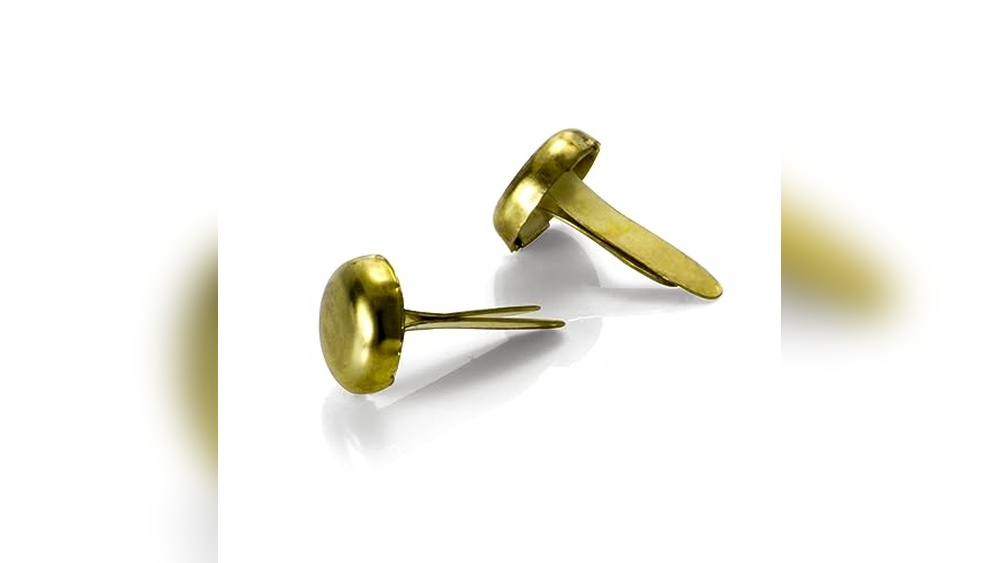
Common metal fasteners include screws, bolts, and nails. Screws have threads that grip tightly into materials. Bolts usually work with nuts for strong holds. Nails are simpler and fast to use. Rivets join materials permanently by deforming the fastener. Clips and clamps hold parts without damage. Each type serves a unique purpose.
Permanent Vs Non-permanent Fasteners
Permanent fasteners stay fixed once installed. Rivets and welds create lasting bonds. Removing them often damages the materials. Non-permanent fasteners can be taken off and reused. Screws and bolts often fall in this group. They allow repairs and adjustments. Choose based on how often the joint needs changing.

Credit: www.reddit.com
Homographs In Language
Homographs are words that share the same spelling but have different meanings. They often cause confusion in reading and speaking. Understanding homographs helps improve language skills and comprehension.
These words can sound the same or different. Context is important to know which meaning applies. English has many homographs, especially in everyday conversation and writing.
Definition And Examples
A homograph is a word spelled exactly like another word. It has at least two meanings. Pronunciation may be the same or different.
For example, “lead” can mean to guide or a type of metal. Another example is “bow,” which can mean to bend forward or a weapon for shooting arrows.
In the case of metal fasteners, “bolt” is a homograph. It refers to a metal screw and also means to run away quickly.
Common Confusions With Homographs
People often mix meanings of homographs in speech and writing. This can change the message or cause misunderstanding.
For example, “clip” can mean a metal fastener or the action of cutting something. Without context, the meaning is unclear.
Homographs require attention to sentence clues. This helps readers and listeners understand the correct meaning.
Metal Fastener Homographs
Metal fastener homographs are words that share the same spelling but have different meanings. Some of these words describe a type of metal fastener. Others mean something else entirely. These homographs often cause confusion in reading and speaking. They also show the richness of the English language.
Understanding metal fastener homographs helps in clear communication. It also makes learning English more interesting. Below are examples of famous metal fastener homographs and their meanings.
Famous Metal Fastener Homographs
Many common metal fasteners double as other words. These homographs appear in daily conversation and writing. Knowing them reduces misunderstandings. It also improves vocabulary and spelling skills. Some well-known examples include bolt and clip. Both have clear fastener meanings and different secondary meanings.
Bolt As A Homograph
The word “bolt” can mean a metal fastener. It is a threaded pin used with a nut. Bolts hold parts tightly together in machines and buildings.
“Bolt” also means to run away quickly. People say, “He bolted from the room.” This action sense differs completely from the fastener.
Clip As A Homograph
“Clip” is a small metal fastener. It holds papers, hair, or parts in place. Clips come in many shapes, such as paper clips or hair clips.
The word “clip” can also mean to cut or trim. For example, “She clipped the hedge.” This meaning has no connection to the fastener.

Credit: www.engclub.in
Language And Engineering Intersection
Language and engineering often meet in surprising ways. Words used in engineering can have multiple meanings. This overlap creates an interesting mix of language and technical terms. One clear example is the homograph related to metal fasteners. A homograph is a word spelled the same but has different meanings. In engineering, these words can cause confusion or spark creativity.
How Homographs Affect Communication
Homographs can make technical communication tricky. For example, the word “bolt” can mean a metal fastener or to run away quickly. In engineering talks, this dual meaning might cause misunderstandings. Clear context is needed to avoid mistakes. Engineers and writers must explain terms carefully. This helps both experts and beginners understand the message. Miscommunication can lead to errors in projects or safety issues.
Wordplay And Puns In Engineering Terms
Homographs also add fun to engineering language. They allow wordplay and puns that lighten technical discussions. For example, using “clip” to mean both a metal fastener and the sound of fingers snapping. Such puns make presentations or articles more engaging. They help readers remember important concepts. Wordplay brings creativity into a field often seen as rigid. It bridges the gap between language and engineering in a playful way.
Frequently Asked Questions
What Is Another Word For Metal Fastener?
Another word for metal fastener includes screw, bolt, rivet, nail, tack, pin, and clip. These terms describe various fastening devices.
What Is A Homophone For Metal?
A homophone for “metal” is “medal. ” Both sound alike but differ in meaning and spelling.
What Are 10 Examples Of Homographs?
Ten examples of homographs are: band, bat, bear, can, class, crane, fair, bow, lead, and tear.
What Are Metal Fasteners Called?
Metal fasteners are called screws, bolts, rivets, nails, clamps, pins, or clips. They join materials securely.
Conclusion
Understanding homographs like a metal fastener enriches your English skills. These words show how one spelling can have different meanings. Recognizing them helps avoid confusion in reading and speaking. It also makes learning more interesting and fun. Keep exploring language quirks to improve your communication every day.
Small steps lead to better understanding and clearer expression.