Have you ever wondered why some bolts hold tight while others loosen over time? The secret lies in something called fastener preload.
Understanding fastener preload can save you from costly repairs, improve safety, and ensure your projects stay strong and reliable. You’ll discover exactly what fastener preload is, why it matters to your work, and how to get it right every time.
Keep reading to unlock the key to stronger, longer-lasting connections.

Credit: engineering.stackexchange.com
Fastener Preload Basics
Understanding fastener preload is key to building strong and safe assemblies. Preload means the tension created in a fastener when it is tightened. This tension keeps parts held together tightly. Without the right preload, fasteners can loosen or fail.
This section covers the basics of fastener preload. Learn what preload is, why it matters, and which fasteners usually need it. Knowing these basics helps improve your projects and avoid common fastening problems.
What Is Fastener Preload
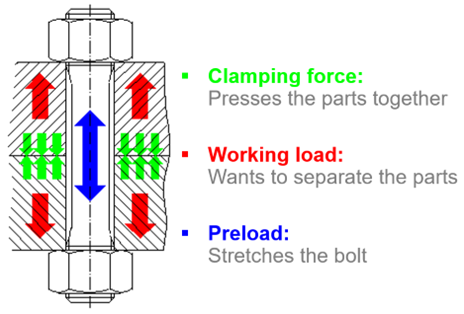
Fastener preload is the force applied inside a fastener during tightening. It stretches the fastener slightly, creating tension. This tension pulls parts together and resists forces that try to pull them apart. Preload helps keep joints stable under different loads and vibrations.
Why Preload Matters
Preload prevents fasteners from loosening over time. It also spreads the load evenly across the joint. Without enough preload, vibrations or external forces can cause the fastener to back out. Too much preload can damage the fastener or the parts being joined. Correct preload ensures safety and durability.
Types Of Fasteners Involved
Bolts and screws are the most common fasteners needing preload. Studs and threaded rods also require preload in many cases. Nuts work with these fasteners to apply and maintain preload. Different fastener types have various preload needs based on size and material.
How Preload Works
Fastener preload is the force applied to a fastener during installation. It keeps parts tightly joined and prevents loosening. Understanding how preload works helps ensure strong, safe connections.
Generating Preload
Preload starts with applying force to the fastener. This force pulls the fastener and the parts together. The tighter the fastener, the higher the preload. Proper preload stops movement between parts under load.
Role Of Torque
Torque is the twisting force used to tighten the fastener. It controls the amount of preload created. Too little torque means low preload and weak joints. Too much torque risks damaging the fastener or parts.
Stretching The Fastener
As torque increases, the fastener stretches slightly. This stretch creates tension inside the fastener. The tension holds parts tightly together. The small stretch is key to maintaining preload over time.
Benefits Of Proper Preload
Proper preload in fasteners is vital for strong and lasting joints. It ensures the right clamping force between parts. This force keeps the joint tight and stable during use. Correct preload improves safety and performance in many applications. Below are key benefits of applying proper preload to fasteners.
Enhanced Joint Strength
Proper preload increases the strength of the joint. It pulls the parts tightly together. This reduces the stress on the fastener itself. The load spreads evenly across the joint. As a result, the joint can handle more force without failing.
Vibration Resistance
Fasteners with correct preload resist vibrations better. Tight joints prevent parts from moving or shaking. This reduces noise and wear over time. Vibration resistance is crucial in machines and vehicles. It keeps parts secure during constant motion.
Preventing Loosening
Correct preload helps stop fasteners from loosening. The clamping force holds the fastener in place. This prevents nuts or bolts from backing out. Loosening can cause leaks, damage, or accidents. Proper preload keeps the joint safe and reliable.
Credit: www.nord-lock.com
Factors Affecting Preload
Preload in fasteners is the initial tension applied during tightening. This tension holds parts together firmly. Several factors influence how much preload a fastener achieves. Understanding these factors helps ensure strong, reliable joints.
Material Properties
The strength and elasticity of the fastener material affect preload. Stronger materials can handle higher preload without breaking. Elastic materials stretch slightly, maintaining tension over time. Different metals behave differently under load. This impacts how well the preload holds.
Surface Conditions
Surfaces between the fastener and parts affect preload. Smooth surfaces reduce friction, allowing more accurate preload. Rough or dirty surfaces increase friction and lower preload. Lubrication can improve preload by reducing friction. Clean, well-prepared surfaces help achieve the right tension.
Installation Techniques
How a fastener is tightened changes preload levels. Using torque wrenches helps apply correct force. Over-tightening can cause damage or reduce preload. Under-tightening may lead to loose joints. Consistent, careful installation ensures proper preload every time.
Measuring And Controlling Preload
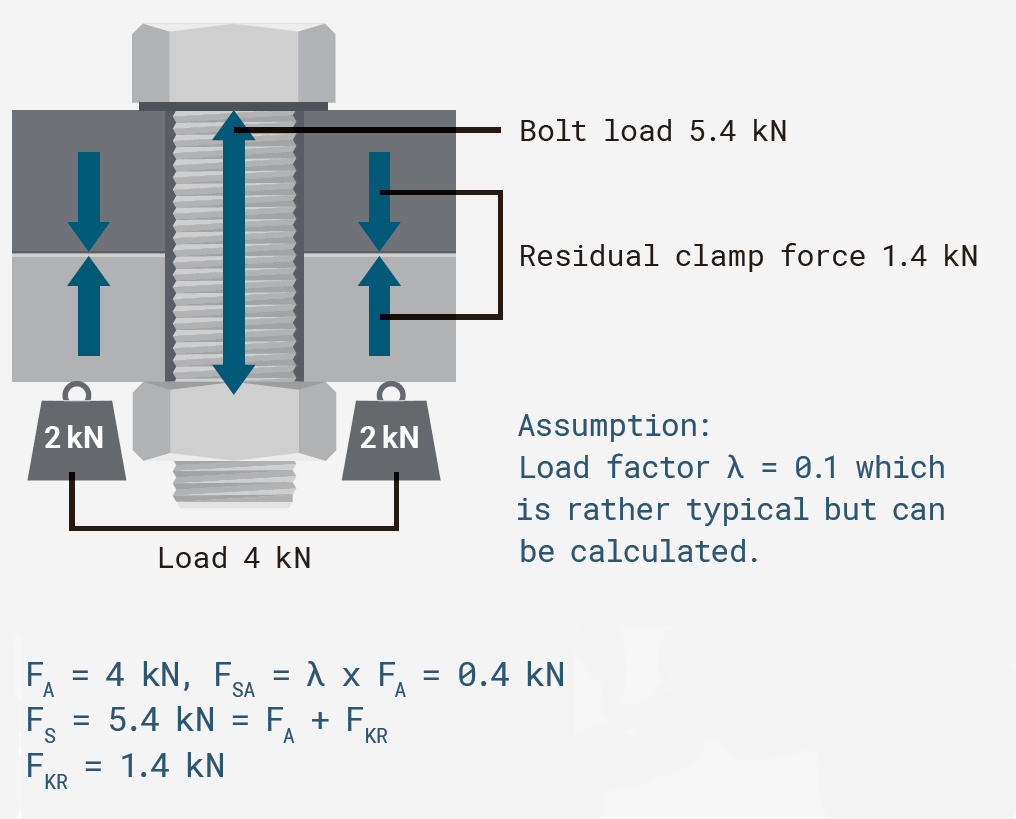
Measuring and controlling fastener preload is key to strong, safe joints. Preload is the tension created when a fastener is tightened. Too little preload can cause loosening. Too much can damage parts or the fastener itself. Accurate measurement ensures the right amount of tension every time. Various tools and methods help achieve this control.
Torque Wrenches And Tools
Torque wrenches are common tools to control preload. They apply a specific turning force to a fastener. This force correlates to the tension inside the fastener. Using the correct torque wrench reduces guesswork. Different types include click, beam, and digital wrenches. Each type offers varying accuracy and ease of use.
Direct Tension Measurement
Direct tension measurement checks the actual stretch of the fastener. This method is more accurate than torque alone. Tools like ultrasonic devices or load indicating washers measure tension directly. It helps detect if the fastener reaches the desired preload. This method is useful in critical applications needing precise control.
Using Washers And Indicators
Special washers and indicators help monitor preload visually. Some washers change shape or color under tension. Others have marks that move as tension increases. These simple tools give quick feedback on fastener tension. They are easy to use and cost-effective. Ideal for routine checks and maintenance.
Credit: www.nord-lock.com
Common Preload Problems
Fastener preload is crucial for strong joints. Common preload problems can cause failures and safety risks. These issues often happen due to wrong tightening. Understanding these problems helps avoid costly repairs and accidents.
Under-tightening Risks
Under-tightening means not enough force on the fastener. This causes the joint to loosen over time. Vibrations can make the parts separate. Leaks may occur in sealed joints. Machines may break down due to loose parts. Safety hazards increase with weak connections.
Over-tightening Damage
Over-tightening puts too much force on the fastener. It can stretch or break the bolt. Threads may strip, making the fastener useless. The material around the fastener can crack. Over-tightening wastes time and money on repairs. It also reduces the life of the joint.
Fatigue And Creep Issues
Fatigue happens when preload changes repeatedly. This weakens the fastener over time. Small cracks can grow and cause failure. Creep is slow deformation under constant load. Materials may bend or flow, loosening the joint. Both fatigue and creep reduce safety and reliability.
Applications Of Fastener Preload
Fastener preload plays a key role in many industries. It ensures that bolts and screws hold parts tightly. This prevents loosening and keeps structures safe. The right preload improves strength and durability. Here are some common applications of fastener preload.
Automotive Industry
Fastener preload keeps car parts secure under stress. Engine components rely on it to avoid leaks and damage. It helps maintain tight joints in suspension systems. Proper preload reduces vibrations and noise in vehicles. This improves safety and performance on the road.
Aerospace Connections
In aerospace, fastener preload is critical. It ensures aircraft parts stay firmly connected during flight. High preload prevents loosening from extreme forces and vibrations. This enhances the reliability of wings, engines, and fuselage. Safety depends on precise preload control in this field.
Construction And Machinery
Construction uses fastener preload to hold heavy structures together. It keeps steel beams and supports stable under heavy loads. Machinery parts also depend on preload to avoid breakdowns. Correct preload extends the life of equipment. It helps machines work smoothly and safely every day.
Best Practices For Secure Fastening
Fastener preload is vital for strong and lasting connections. Secure fastening avoids loosening and parts failure. Follow key steps to keep fasteners tight and safe.
Proper Torque Specifications
Use the correct torque value for each fastener. Too little torque causes weak connections. Too much torque can damage parts or threads. Always check the manufacturer’s guide. Use a calibrated torque wrench for accuracy. This ensures the right preload and safe fastening.
Regular Inspection
Check fasteners regularly to find any loosening or damage. Inspections help catch problems early. Look for signs like rust, cracks, or movement. Tighten or replace fasteners as needed. Set a schedule based on use and conditions. Consistent checks keep assemblies secure and reliable.
Using Locking Devices
Locking devices stop fasteners from loosening. Examples include lock washers, thread lockers, and nylon inserts. These add extra grip and prevent vibration loosening. Choose the right locking method for your application. This simple step greatly improves fastening security.
Frequently Asked Questions
What Is Fastener Preload In Mechanical Joints?
Fastener preload is the initial tension created when a fastener is tightened. It holds parts together securely, preventing loosening under load or vibration. Proper preload ensures joint stability, durability, and safety in mechanical assemblies.
Why Is Fastener Preload Important For Joint Integrity?
Preload maintains clamping force, reducing joint movement and fatigue. It prevents fastener loosening, leaks, and structural failure. Correct preload maximizes load distribution and extends the lifespan of mechanical connections.
How Do You Measure Fastener Preload Accurately?
Preload is measured using torque wrenches, tension gauges, or ultrasonic devices. Torque values provide an indirect preload estimate. Ultrasonic methods offer precise tension measurements, ensuring correct clamping force without over-tightening.
What Factors Affect Fastener Preload Values?
Material properties, thread condition, lubrication, and tightening method affect preload. Surface finish and temperature also influence tension levels. Understanding these factors helps achieve optimal preload for reliable joint performance.
Conclusion
Fastener preload keeps parts tight and safe during use. It stops bolts from loosening under pressure or vibration. Proper preload helps machines work well and last longer. Without it, parts may fail and cause damage. Understanding preload helps in choosing the right bolt tension.
It makes assembly stronger and more reliable. Remember, correct preload is key to secure and durable joints. Keep this concept in mind for better mechanical performance.