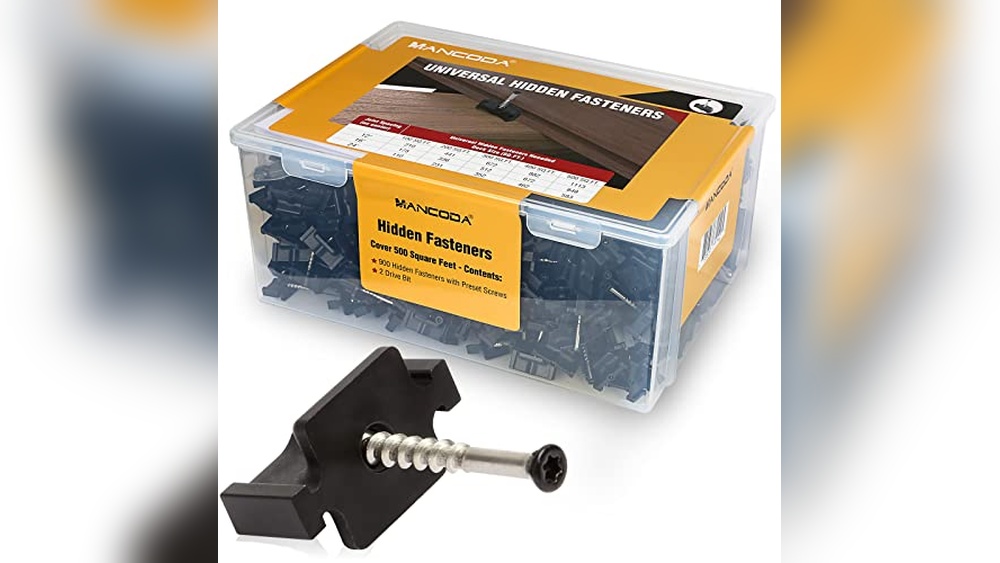
Have you ever wondered how machines, buildings, and everyday objects stay firmly together? The answer lies in something small but incredibly important: fasteners.
Whether you’re fixing a chair, assembling a bike, or working on a big engineering project, fasteners play a crucial role in holding everything in place. Understanding what a fastener is and how it works can make a huge difference in your work or hobby.
Keep reading, and you’ll discover the key types of fasteners, why they matter, and how to choose the right one for your needs. This knowledge will empower you to create stronger, safer, and more reliable connections in whatever you build.
Fastener Basics
Fasteners are small but essential parts in engineering. They hold objects together securely. Without fasteners, machines and structures would fall apart. Understanding the basics helps in choosing the right one for any task.
Definition And Role
A fastener is a device used to join two or more parts. It creates a non-permanent or semi-permanent connection. This allows easy assembly and disassembly. Fasteners keep parts aligned and stable under stress.
Materials Used
Fasteners come in many materials. Steel is common for strength and durability. Stainless steel resists rust and corrosion. Brass offers good electrical conductivity. Plastic fasteners are lightweight and resist chemicals.
Common Shapes And Sizes
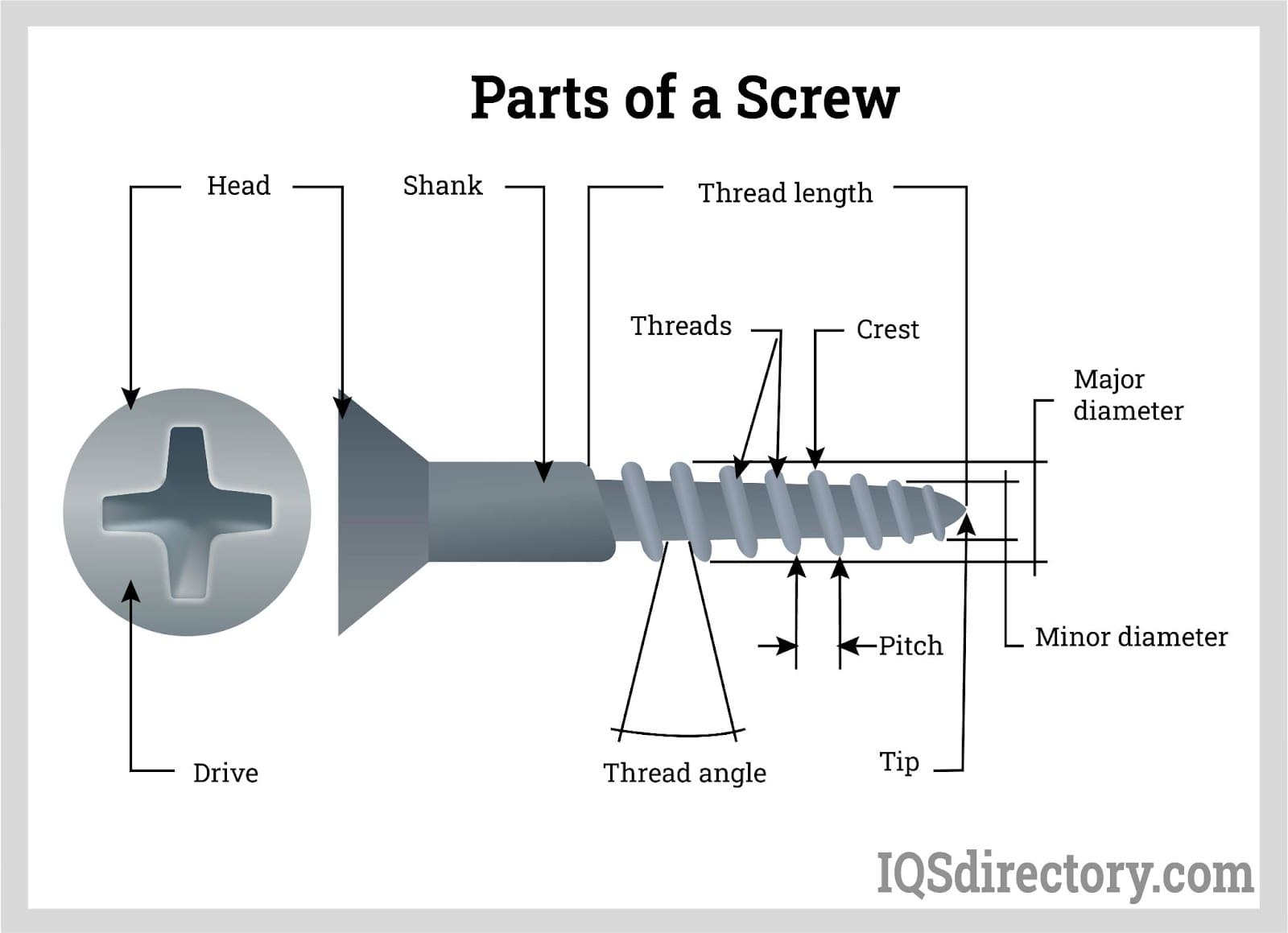
Fasteners have various shapes to fit different needs. Bolts, screws, and nuts are popular types. Sizes range from tiny screws in electronics to large bolts in construction. Choosing the correct size ensures a strong hold.
Credit: www.iqsdirectory.com
Mechanical Fasteners
Mechanical fasteners hold parts together in machines and structures. They are essential in engineering for creating strong, removable joints. These fasteners come in many types, each with a specific role. Understanding their function helps in choosing the right one for any project.
Bolts And Nuts
Bolts are threaded fasteners designed to pass through parts. Nuts screw onto bolts to clamp pieces tightly. This pair creates a secure joint that can be disassembled easily. Bolts vary in size, length, and thread pitch to fit different needs.
Screws And Thread Types
Screws are similar to bolts but often thread directly into materials. They come in many thread types like coarse, fine, and self-tapping. The thread type affects grip strength and ease of installation. Choosing the right screw ensures strong and lasting connections.
Washers And Their Functions
Washers are flat discs placed under bolts or nuts. They spread the load to avoid damage to surfaces. Washers also reduce vibration and prevent loosening of fasteners. Different washers serve specific purposes, like locking or sealing joints.
Non-mechanical Fasteners
Non-mechanical fasteners hold parts together without using nuts, bolts, or screws. They rely on chemical, thermal, or physical methods for joining materials. These fasteners suit applications where removing or adjusting parts is less common. They also provide smooth surfaces without protruding hardware.
Adhesives
Adhesives bond surfaces by using sticky substances. They work by creating a strong layer between two materials. Glues, epoxies, and tapes are common types of adhesives. These fasteners spread the load over a large area. They prevent damage to delicate materials that mechanical fasteners might cause.
Welding And Soldering
Welding joins metals by melting their edges together. It creates a permanent bond that is strong and durable. Soldering uses a lower melting point metal to join parts. It is common in electronics and plumbing. Both methods require heat and skilled techniques to ensure safety and quality.
Clips And Clamps
Clips and clamps hold parts by pressure or tension without drilling holes. They are easy to install and remove. These fasteners work well for temporary or adjustable connections. Springs, hooks, and snap-fit clips are examples. Clips and clamps protect surfaces from damage and reduce assembly time.

Credit: www.engineeringexpress.com
Specialized Fasteners
Specialized fasteners play a crucial role in engineering projects. They provide strong, reliable connections for specific applications. These fasteners go beyond simple bolts and screws. They are designed for unique tasks and environments. Understanding these can help you choose the right fastener for your project.
Rivets
Rivets are permanent fasteners used to join materials tightly. They are common in metalwork and aircraft construction. A rivet works by inserting it into a hole. The end is then deformed to hold materials together. Rivets do not loosen from vibration, which makes them very reliable.
Pins And Cotter Pins
Pins are simple fasteners that hold parts in place. Cotter pins are a type of pin with a split end. The split end bends to keep the pin secure. They are often used in machinery to lock bolts or shafts. Pins and cotter pins are easy to install and remove.
Anchors And Inserts
Anchors secure fasteners in materials like concrete or drywall. They expand inside the material to provide a strong hold. Inserts are threaded fasteners placed inside softer materials. Inserts allow bolts to be screwed in and out repeatedly. Both anchors and inserts improve fastening strength in weak materials.
Choosing The Right Fastener
Choosing the right fastener is important for any engineering project. The right fastener keeps parts together and ensures safety. It also affects how long the product lasts. Different projects need different types of fasteners. Understanding the key factors helps in making the best choice.
Load And Strength Considerations
Fasteners must handle the forces on the joint. Choose a fastener strong enough for the load. Consider tension, shear, and bending forces. Using a weak fastener can cause failure. Check the material strength and size before selecting.
Environmental Factors
Fasteners face different environments like moisture or heat. Select fasteners that resist rust and corrosion. Stainless steel or coated fasteners work well in wet places. High temperatures need fasteners that keep strength when hot. Think about chemicals and weather too.
Cost And Availability
Balance quality with budget limits. Some fasteners cost more but last longer. Choose fasteners easy to get for faster work. Local availability can reduce delays. Avoid very expensive fasteners for simple jobs.
Installation Techniques
Installing fasteners correctly is key in engineering projects. Proper techniques ensure strong, safe connections. Poor installation can cause failure and costly repairs.
This section covers important methods for installing fasteners. It explains how to choose the right tools, follow torque specs, and stay safe during installation.
Tool Selection
Selecting the correct tool is crucial for fastening tasks. Use tools designed for the specific fastener type and size. Avoid using worn or damaged tools to prevent slipping or stripping. Common tools include wrenches, screwdrivers, and torque wrenches. Choosing the right tool reduces installation time and improves connection quality.
Torque Specifications
Torque means the force used to tighten a fastener. Each fastener has a recommended torque level. Applying the right torque prevents over-tightening or under-tightening. Over-tightening can strip threads or break fasteners. Under-tightening may cause loosening and joint failure. Use a torque wrench for precise control. Always check manufacturer guidelines for torque values.
Safety Tips
Safety is important during fastener installation. Wear protective gear like gloves and safety glasses. Keep work areas clean and well-lit. Use tools properly to avoid injuries. Check fasteners for defects before use. Never rush the installation process. Taking safety measures protects workers and ensures quality work.
Common Applications
Fasteners are essential in many fields. They hold parts together and allow easy assembly and repair. Different industries rely on fasteners for strength and reliability. Below are some common applications where fasteners play a key role.
Automotive Industry
Fasteners keep car parts secure and safe. They hold engines, doors, and wheels in place. Cars need strong fasteners to handle vibrations and movement. Bolts, screws, and nuts are common in vehicle assembly. Fasteners also help during maintenance and repairs.
Construction
Fasteners join beams, panels, and other building materials. They ensure buildings stay stable and safe. Nails, screws, and anchors are used in walls and roofs. Fasteners must resist weather and heavy loads. They allow quick construction and easy adjustments.
Electronics
Small fasteners hold circuit boards and components inside devices. Precision is vital to avoid damage. Screws and clips secure parts without adding bulk. Fasteners help protect delicate electronics during use. They also make repairs and upgrades easier.

Credit: en.wikipedia.org
Maintenance And Inspection
Maintenance and inspection are key to keeping fasteners safe and strong. Regular checks help catch problems early. They prevent failures that can stop machines or cause accidents. Simple care extends the life of fasteners and the equipment they hold.
Signs Of Wear
Look for rust, cracks, or bending on fasteners. Loose or missing fasteners show wear too. Threads that are worn or stripped reduce holding power. Fasteners that feel loose after tightening need attention. These signs mean fasteners might fail soon.
Replacement Guidelines
Replace fasteners if they are damaged or worn. Follow manufacturer advice on how often to replace. Use the same type and size as the original. Never reuse fasteners that stretch or deform. Proper replacement keeps machines safe and working well.
Preventive Measures
Clean fasteners before inspection to spot issues easily. Apply anti-corrosion coatings to protect from rust. Tighten fasteners to the recommended torque levels only. Use thread-locking compounds to stop loosening. Schedule regular inspections as part of maintenance plans.
Frequently Asked Questions
What Is A Fastener In Engineering?
A fastener is a hardware device used to join or secure two or more objects. Common fasteners include screws, bolts, nuts, and rivets. They provide mechanical strength and stability in structures and machinery.
Why Are Fasteners Important In Engineering?
Fasteners ensure the structural integrity of assemblies. They allow easy disassembly and maintenance. Without fasteners, many mechanical and structural systems would fail or be difficult to repair.
What Are Common Types Of Fasteners Used?
Typical fasteners include screws, bolts, nuts, washers, rivets, and pins. Each type serves a specific purpose based on strength, application, and environmental conditions.
How Do Fasteners Differ From Adhesives?
Fasteners physically join components, offering mechanical strength. Adhesives bond surfaces chemically or physically without hardware. Fasteners allow easy disassembly, unlike most adhesives.
Conclusion
Fasteners hold parts together in many machines and structures. They come in different types, such as bolts, screws, and nuts. Each fastener has a specific use and strength. Choosing the right fastener helps keep things safe and working well. Understanding fasteners is important for engineers and builders.
They make sure designs stay strong and last long. Simple yet vital parts in engineering work.