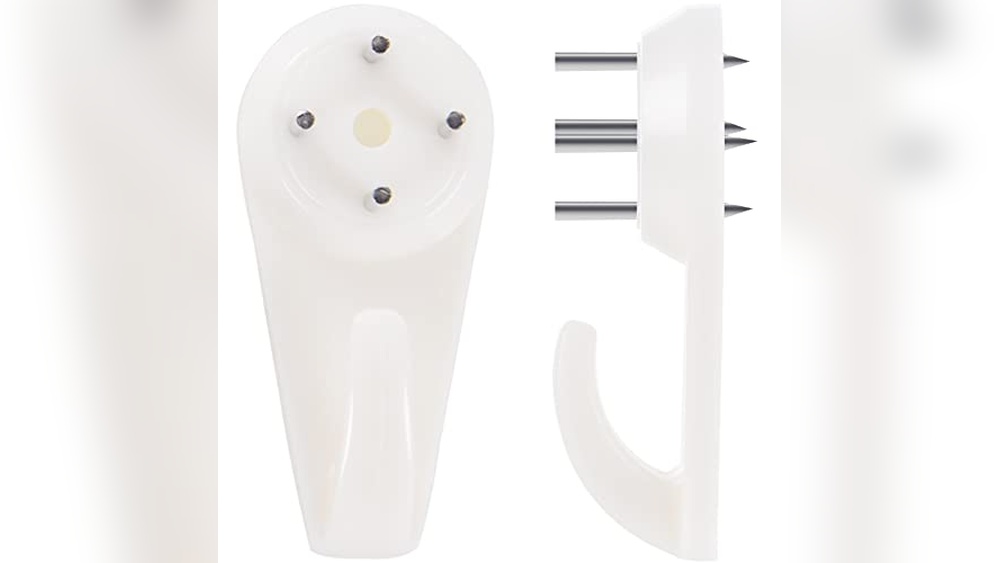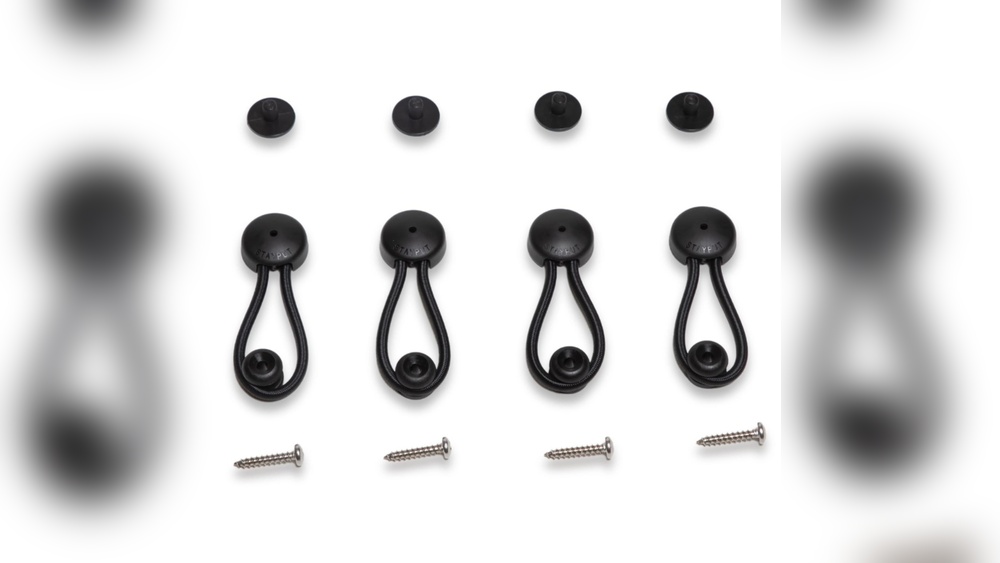
Have you ever wondered what fasteners really mean and why they matter so much in everyday life? Whether you’re fixing something at home, building a project, or just curious about how things hold together, understanding fasteners is key.
These small but mighty components are everywhere, quietly keeping your world connected and secure. Stick with me, and you’ll discover exactly what fasteners are, why they’re essential, and how knowing about them can make your next task easier and more efficient.
Ready to unlock the secret behind every tight connection? Let’s dive in!
Fasteners Basics
Fasteners are small but essential parts in many projects. They hold things together securely. Understanding the basics helps in choosing the right fastener for the job.
Fasteners come in many shapes and sizes. Each type serves a specific purpose. Knowing their materials also matters for strength and durability.
Definition And Purpose
Fasteners are devices used to join two or more objects. They keep parts connected firmly. Common fasteners include screws, bolts, nuts, and nails. Their main role is to provide strength and stability. Fasteners allow easy assembly and disassembly of parts.
Common Materials
Fasteners are made from different materials depending on use. Steel is the most common due to its strength. Stainless steel resists rust and works well outdoors. Brass offers good corrosion resistance and looks attractive. Plastic fasteners are lightweight and resist chemicals. Choosing the right material affects the fastener’s lifespan and performance.
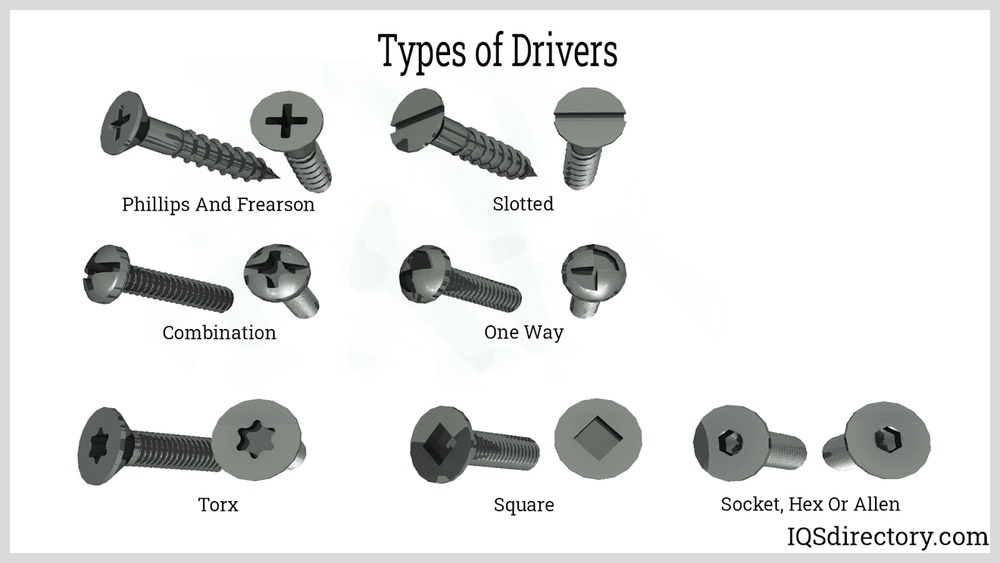
Credit: www.iqsdirectory.com
Types Of Fasteners
Fasteners are small tools that hold objects together. They come in many forms. Each type has a special job in construction, repair, and manufacturing. Understanding the main types helps choose the right one for each task.
Bolts And Screws
Bolts and screws join parts by threading into materials. Bolts need nuts to hold parts tightly. Screws dig directly into wood, metal, or plastic. Both provide strong, lasting connections.
Nuts And Washers
Nuts fit on bolts to secure parts. Washers sit under nuts or bolt heads. They spread pressure and stop damage to surfaces. Nuts and washers work together for firm fastening.
Rivets And Pins
Rivets permanently join two pieces of metal. They are hammered to hold tightly. Pins slide through holes to hold parts in place. Both offer reliable, long-term fastening without threads.
Clips And Clamps
Clips and clamps hold parts without screws or bolts. Clips snap into place for quick fastening. Clamps press parts tightly during work or repair. Both types provide temporary or adjustable holding power.
Anchors And Studs
Anchors fix fasteners into walls or concrete. They prevent bolts from pulling out. Studs are threaded rods that hold parts in place. Both support heavy loads and secure objects firmly.
Choosing Fasteners
Choosing the right fasteners is important for any project. The right fastener keeps parts secure and safe. Picking the wrong one can cause problems and damage. Consider some key factors before making a choice.
These factors help find fasteners that fit your needs. Fasteners come in many types, sizes, and materials. Understanding these points makes your work easier and stronger.
Material Compatibility
Fasteners must match the materials they join. Different metals and plastics react differently. Some fasteners cause rust or damage to certain materials. Choose materials that work well together. This avoids corrosion and extends the life of your project.
Strength And Load Requirements
Fasteners hold parts under stress and weight. Know how much load the fastener will bear. Stronger fasteners suit heavy or high-pressure jobs. Weak fasteners work for light or decorative uses. Use the right strength to keep everything safe and stable.
Environmental Factors
Where will the fastener be used? Outdoors or indoors? Near water, heat, or chemicals? These conditions affect the fastener’s durability. Some fasteners resist rust and weather better than others. Pick fasteners that survive the environment. This keeps your project lasting longer.
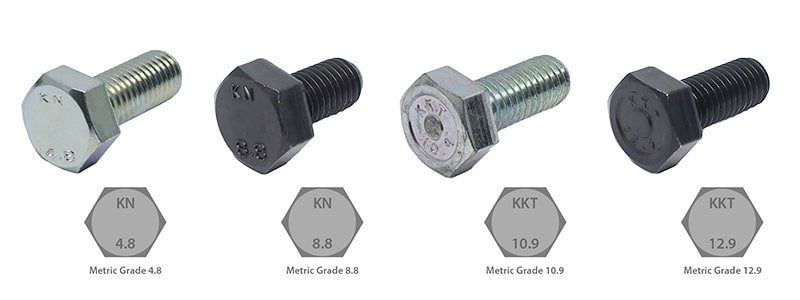
Credit: www.hanshin-neji.com
Fastener Applications
Fasteners are small but vital parts used to join materials together. They hold things in place and ensure structures stay strong. Fasteners come in many shapes and sizes, each designed for specific tasks. They are essential in many industries and everyday objects.
Understanding where fasteners are used helps appreciate their importance. They play a key role in building, manufacturing, and assembling products. Below are some common areas where fasteners are widely applied.
Construction Uses
Fasteners secure beams, panels, and frames in buildings. Nails, screws, and bolts join wood, metal, and concrete parts. They keep walls, roofs, and floors stable. Fasteners help create safe and durable structures. Construction workers rely on them for quick and strong connections.
Automotive Industry
Cars and trucks contain thousands of fasteners. Bolts and screws hold engines, doors, and seats in place. Fasteners ensure vehicle parts fit tightly to reduce noise and vibration. They also allow easy repairs and part replacements. Without fasteners, vehicles could not be assembled efficiently.
Electronics And Appliances
Small fasteners join circuit boards, casings, and buttons. They keep electronic parts secure inside devices like phones and TVs. Fasteners protect delicate components from damage. They also make maintenance and upgrades easier. Appliances rely on fasteners to stay reliable and safe.
Furniture Assembly
Fasteners connect wood, metal, and plastic pieces in furniture. Screws, nails, and dowels help build chairs, tables, and cabinets. They provide strength and stability for everyday use. Fasteners allow quick assembly and disassembly. This makes moving and repairs simple for users.
Installation Tips
Proper installation is key for fasteners to hold things tightly and last long. Using the right tools and methods makes the job easier. It also helps avoid damage to the materials and fasteners. Safety should always be a top priority during installation. Regular checks and care keep fasteners working well over time.
Tools And Techniques
Select the correct tool for the fastener type. Wrenches, screwdrivers, and drills are common choices. Use the proper size to prevent slipping or stripping. Apply the right amount of force. Tighten fasteners firmly but not too much. Follow the manufacturer’s instructions for best results.
Safety Precautions
Wear safety glasses to protect your eyes from debris. Use gloves to avoid cuts and blisters. Keep work areas clean and free of hazards. Secure materials before fastening to prevent slips. Handle tools carefully to avoid accidents. Stay focused and avoid distractions during work.
Maintenance And Inspection
Check fasteners regularly for loosening or rust. Tighten loose fasteners promptly to maintain strength. Replace damaged or corroded fasteners quickly. Clean fasteners to remove dirt and grime. Use lubricants if recommended to reduce wear. Routine care extends the life of fasteners and structures.
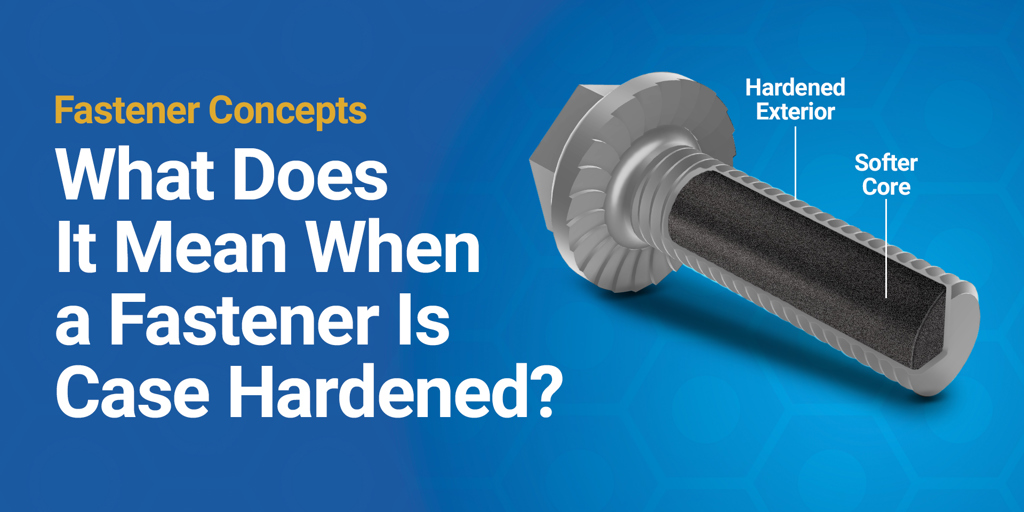
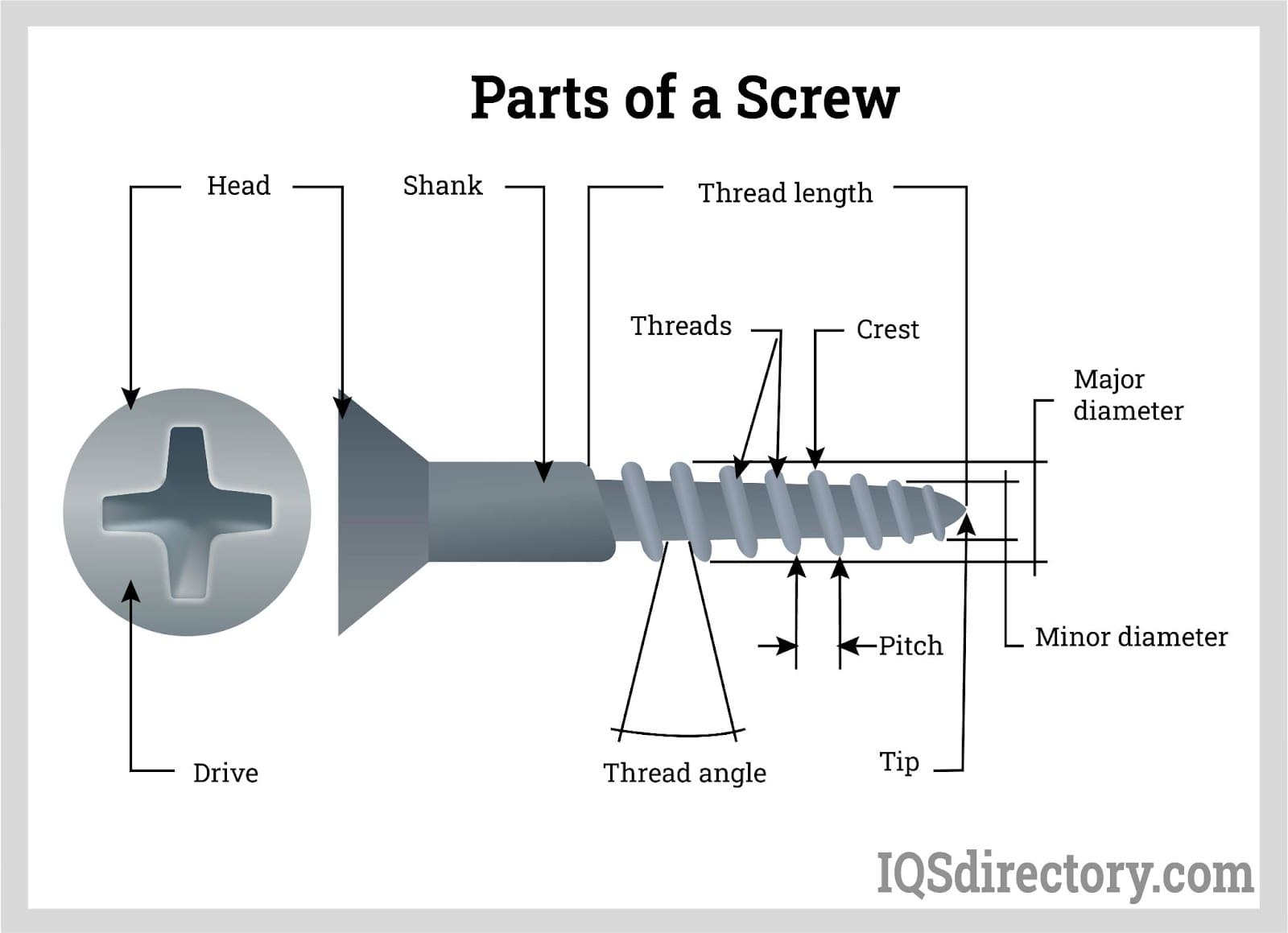
Credit: www.earnestmachine.com
Frequently Asked Questions
What Are Fasteners Used For In Construction?
Fasteners are essential for joining materials securely in construction. They hold parts together, ensuring stability and strength. Common types include screws, nails, bolts, and rivets. Proper fasteners improve the safety and durability of structures.
How Do Different Fasteners Work?
Different fasteners work by gripping, threading, or clamping materials. Screws create threads in surfaces, while nails rely on friction. Bolts use nuts to tighten joints. Each fastener type suits specific materials and applications for optimal performance.
What Materials Are Fasteners Made From?
Fasteners are typically made from steel, stainless steel, brass, or aluminum. Steel offers high strength, while stainless steel resists corrosion. Brass provides good conductivity, and aluminum is lightweight. Material choice depends on application and environmental factors.
Why Is Choosing The Right Fastener Important?
Choosing the right fastener ensures structural integrity and safety. Using incorrect fasteners can cause failures or damage. Factors like material compatibility, load requirements, and environmental conditions influence fastener selection for effective performance.
Conclusion
Fasteners hold things together in everyday life. They come in many shapes and sizes. Each type serves a special purpose. Choosing the right fastener matters for safety and strength. Knowing what fasteners mean helps in repairs and building projects. They keep our world connected and secure.
Simple yet essential pieces we often overlook. Understanding fasteners makes work easier and more efficient. Small parts, big impact.