When it comes to choosing cabinet hardware, you might wonder what sets brass and zinc apart. Both materials are popular, but they offer very different benefits that can change the look and feel of your space.
Understanding these differences will help you make the best choice for your cabinets. You’ll discover how brass and zinc compare in durability, style, cost, and maintenance. By the end, you’ll know exactly which one fits your needs and style perfectly.
Keep reading to find out what makes brass and zinc cabinet hardware unique—and which one is right for your home.
Material Properties
Material properties play a key role in choosing cabinet hardware. They affect strength, look, and how long the hardware lasts. Brass and zinc differ in these properties. Understanding these differences helps pick the best option for your cabinets.
Composition Of Brass
Brass is an alloy made mainly of copper and zinc. Copper gives brass its yellow-gold color. The zinc content varies but usually stays between 5% and 40%. This mix makes brass strong and resistant to rust. It also gives brass a warm and shiny look.
Composition Of Zinc
Zinc hardware is mostly made from pure zinc or zinc alloys. Zinc alloys often include small amounts of aluminum, magnesium, or copper. These extras improve zinc’s strength and durability. Zinc has a silver-gray color and resists corrosion well.
Durability Comparison
Brass is durable and resists corrosion for many years. It does not rust and holds up well in moist places. Zinc hardware is also strong but less tough than brass. Zinc can corrode over time if not coated or sealed. Brass usually lasts longer but costs more.

Credit: www.amazon.com
Appearance And Finish
Appearance and finish play a big role in choosing cabinet hardware. They affect the style and feel of your space. Brass and zinc offer different looks and finishes. Understanding these differences helps pick the right hardware for your cabinets.
Color And Texture
Brass has a warm, golden color. It looks rich and classic. The texture is smooth and often shiny. Zinc has a cooler, silver-gray color. It can look more modern or industrial. Zinc’s texture can be smooth or slightly rough.
Common Finishes
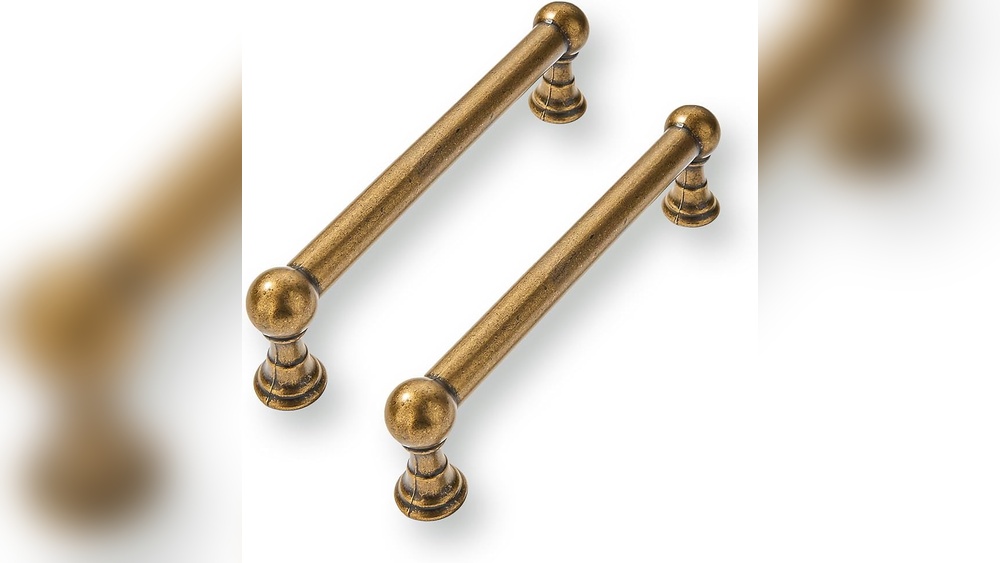
Brass hardware often comes in polished, satin, or antique finishes. Polished brass is bright and shiny. Satin brass has a soft, matte look. Antique brass shows darker tones for a vintage feel. Zinc hardware usually has matte, brushed, or plated finishes. Matte zinc looks flat and dull. Brushed zinc has tiny lines for a subtle shine. Plated zinc can mimic other metals like chrome or nickel.
Aging And Patina
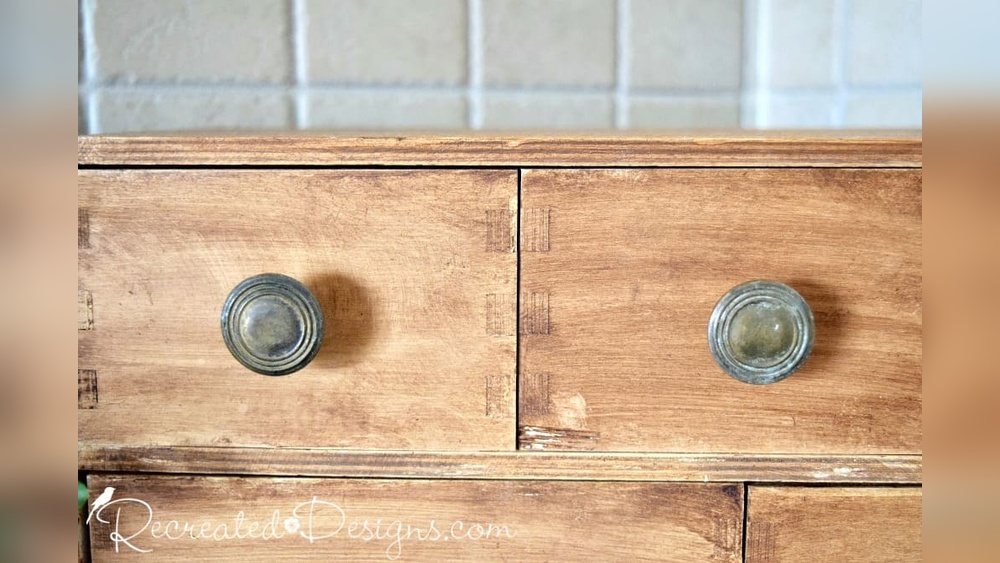
Brass changes color over time. It develops a warm, greenish-brown patina. This natural aging adds character and charm. Zinc does not patina like brass. It may dull or darken but stays mostly the same color. Zinc’s aging is less noticeable and more uniform.
Cost Factors
Cost plays a big role when choosing cabinet hardware. Brass and zinc have different costs. These differences affect the final price you pay. Understanding these cost factors helps you pick the right hardware for your budget.
Raw Material Costs
Brass comes from copper and zinc mixed together. Copper is more expensive than zinc. This makes brass raw materials costlier. Zinc is more common and cheaper to buy. This lowers the raw material cost for zinc hardware.
Manufacturing Expenses
Brass is harder to shape and polish. It needs more time and skilled labor. This adds to the cost of making brass hardware. Zinc is easier to mold and finish. It costs less to produce zinc pieces in factories.
Price Differences
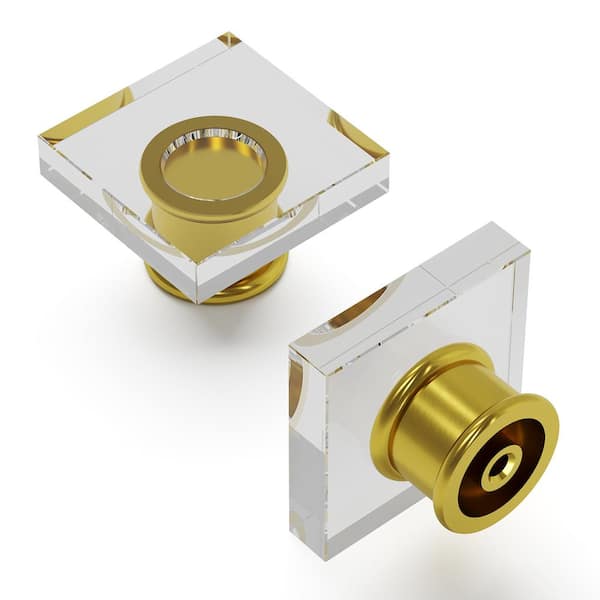
Brass hardware usually costs more than zinc. The price gap comes from raw materials and work needed. Zinc offers a budget-friendly option without losing style. Brass gives a classic look but at a higher price point.
Credit: www.homedepot.com
Performance In Use
Performance in use is a key factor when choosing between brass and zinc cabinet hardware. It affects how long the hardware lasts and how well it works every day. Understanding the differences helps you pick the right material for your needs.
Resistance To Corrosion
Brass resists corrosion very well. It does not rust and holds up in moist areas. Zinc hardware can corrode over time, especially in humid places. Brass is better for kitchens or bathrooms where moisture is common.
Strength And Weight
Brass is stronger and heavier than zinc. It feels solid and durable in your hand. Zinc is lighter but can be less sturdy. Heavy use may cause zinc to wear out faster than brass.
Maintenance Needs
Brass needs regular cleaning to keep its shine. Wiping with a soft cloth often is enough. Zinc hardware requires less cleaning but may discolor with age. Both materials need care to look their best over time.
Design And Style Options
Design and style play a big role in choosing cabinet hardware. Brass and zinc offer different options that suit many tastes. Each material brings its own look and feel to your cabinets. Understanding these differences helps you pick the best fit for your space.
Variety Of Designs
Brass hardware often has a classic and timeless look. It suits traditional and vintage styles well. You can find many shapes and patterns in brass, from simple knobs to detailed handles.
Zinc hardware offers a modern and versatile style. It works well in both classic and contemporary kitchens. Zinc pieces come in many finishes, like matte, shiny, or brushed, giving you many choices.
Customization Possibilities
Brass can be easily polished or aged to change its appearance. This allows for unique, custom looks on your cabinets. You can also find hand-crafted brass options for a personal touch.
Zinc is highly adaptable for custom finishes. It can be painted or coated to match any color scheme. Zinc also allows for creative shapes and textures, making it great for unique designs.
Trends In Cabinet Hardware
Brass is growing popular again due to its warm, rich look. Many designers use brass to add a touch of elegance. It fits well with both rustic and modern design trends.
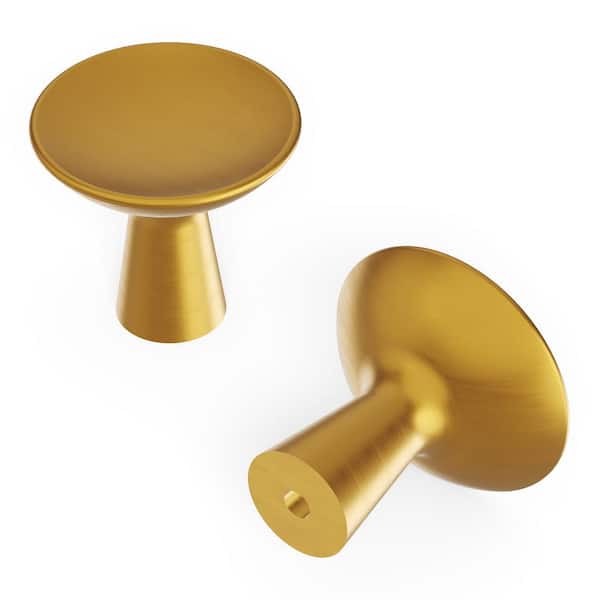
Zinc remains popular for its durability and sleek style. It fits well in minimalist and industrial kitchens. Zinc hardware often follows trends like matte black and soft gold finishes.
Credit: www.homedepot.com
Environmental Impact
Choosing cabinet hardware affects more than style and cost. It also impacts the environment. Brass and zinc, two popular materials, have different environmental footprints. Understanding these differences helps make eco-friendly choices for your home.
Sustainability Of Materials
Brass is made mainly from copper and zinc. Copper is a natural metal but mining it can harm nature. Zinc also comes from mining but in smaller amounts. Zinc production often uses less energy than copper. Brass needs more raw materials than zinc, which can affect sustainability.
Recyclability
Both brass and zinc are recyclable metals. Brass can be melted and reused many times without losing quality. Zinc also recycles well but can lose some properties after recycling. Recycling brass helps save energy and reduce mining. Choosing recycled brass or zinc hardware lowers environmental impact.
Manufacturing Footprint
Making brass hardware uses more energy due to alloy mixing and processing. Zinc hardware production is simpler and often uses less energy. Brass manufacturing can release more pollutants compared to zinc. Factories producing zinc parts usually have a smaller carbon footprint. The choice affects pollution and energy use in production.
Choosing The Right Hardware
Choosing the right cabinet hardware is important for your kitchen or bathroom. The right choice can improve the look and feel of your space. Brass and zinc are popular materials. Each has unique qualities. Understanding these can help you pick the best option for your needs.
Matching With Cabinet Styles
Brass hardware suits traditional and classic cabinets well. It adds warmth and a vintage feel. Zinc hardware fits modern and minimalist designs. It often has a sleek, simple look. Consider your cabinet style before choosing the material. This creates a balanced and attractive appearance.
Budget Considerations
Zinc hardware usually costs less than brass. It is a good choice for tight budgets. Brass is more expensive but offers a luxurious look. Think about how much you want to spend. Choose hardware that fits your budget without sacrificing style.
Longevity And Usage
Brass is very durable and resists corrosion. It is good for heavy use and humid areas. Zinc is less durable but still strong enough for most homes. It can wear out faster in harsh conditions. Select hardware based on how often it will be used and the environment.
Frequently Asked Questions
What Are The Main Differences Between Brass And Zinc Hardware?
Brass is an alloy of copper and zinc, known for durability and classic look. Zinc is a lighter, more affordable metal with good corrosion resistance. Brass offers better strength and a warm tone, while zinc is versatile and budget-friendly for cabinet hardware.
Which Material Lasts Longer, Brass Or Zinc?
Brass generally lasts longer due to its strong corrosion resistance and durability. Zinc hardware can wear faster, especially in humid conditions. However, zinc with protective coatings can also provide decent longevity for cabinets.
Is Brass Or Zinc Hardware More Cost-effective?
Zinc hardware is usually more cost-effective because it is cheaper to produce. Brass hardware tends to be more expensive due to the copper content and higher durability. Choose zinc for budget projects and brass for premium quality.
How Do Brass And Zinc Hardware Differ In Appearance?
Brass has a warm, golden hue that ages beautifully with time. Zinc hardware typically has a silver-gray finish, often coated for varied colors. Brass offers a classic, elegant look, while zinc provides modern versatility in cabinet design.
Conclusion
Brass and zinc cabinet hardware each has its own strengths. Brass offers a classic look and strong durability. Zinc is budget-friendly and resists corrosion well. Your choice depends on style, budget, and use. Think about where you will install the hardware.
Both materials can enhance your cabinets in different ways. Choose what fits your needs best. This helps make your space look great and last longer. Simple decisions can have a big impact on your home.