Are you struggling to find the right tool for your project because you don’t have a brad fastener on hand? You’re not alone.
Sometimes, the perfect fastener just isn’t available, and that can bring your work to a halt. But don’t worry—there are simple, effective alternatives that can keep your project moving forward without compromising quality. You’ll discover easy-to-use options that can replace a brad fastener, saving you time and frustration.
Ready to find the best solution for your needs? Keep reading to learn what works—and why.

Credit: en.wikipedia.org
Types Of Brad Fasteners
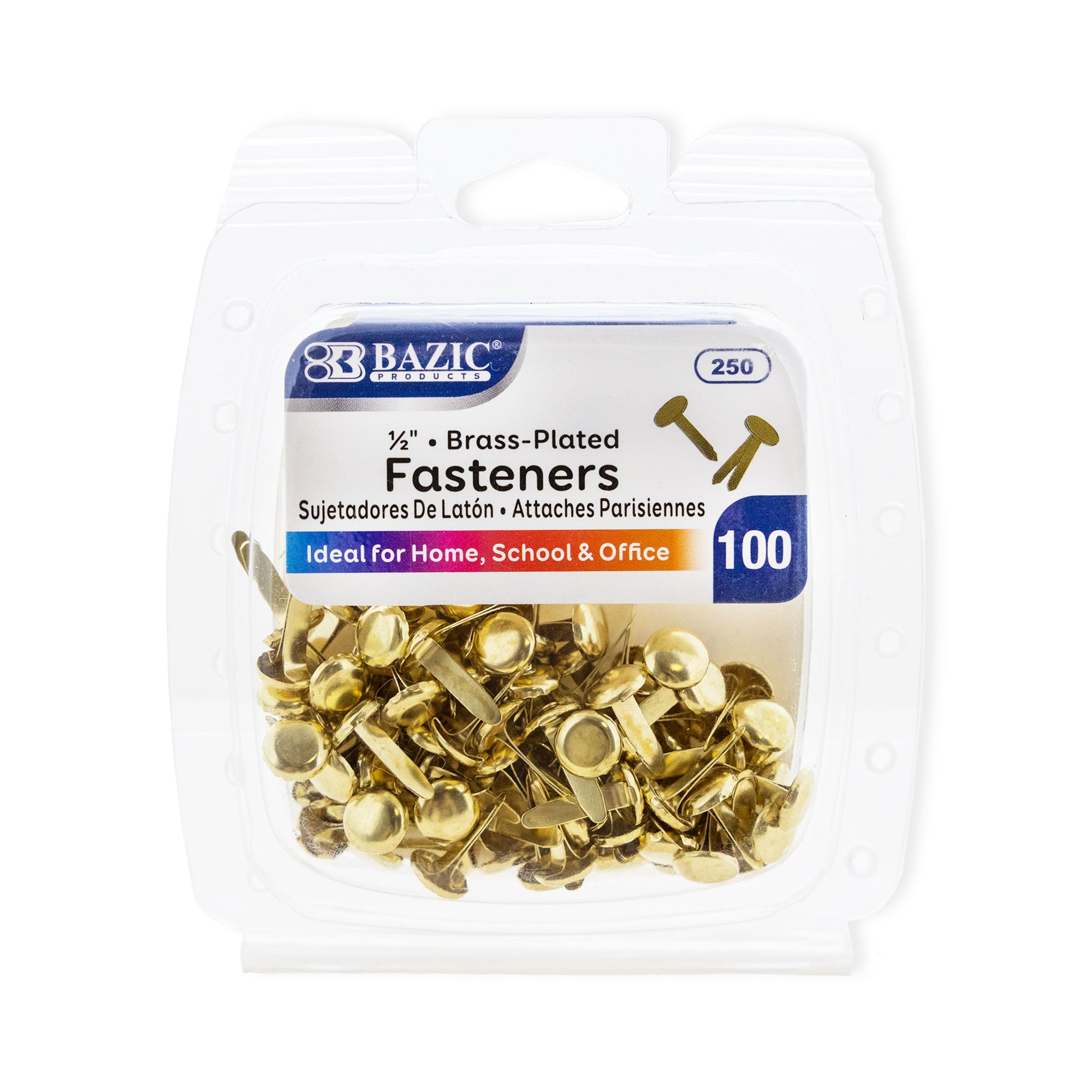
Brad fasteners come in different types. Each type has its own use and design. Understanding these types helps you pick the right one for your project. This knowledge also helps when you need an alternative to a brad fastener.
Wire Brad Fasteners
Wire brad fasteners are thin metal wires bent into a U-shape. They are easy to insert through papers or light materials. These fasteners hold items securely but can be removed without damage.
Plastic Brad Fasteners
Plastic brad fasteners use flexible plastic prongs instead of metal. They are gentle on materials and come in many colors. These fasteners suit craft projects and lightweight papers.
Metal Brad Fasteners
Metal brad fasteners are strong and durable. They usually have two sharp prongs that fold behind the material. These are perfect for holding thick papers or multiple layers together.
Decorative Brad Fasteners
Decorative brad fasteners add style to your work. They come in various shapes and finishes. These fasteners offer both function and a decorative touch for art projects.
Credit: www.bazicstore.com
Nail Alternatives
Nail alternatives offer solid options for replacing brad fasteners. Each type of nail fits different projects and materials. Choosing the right nail can improve your work’s strength and look. Understanding the main types helps you decide quickly and easily.
Finish Nails
Finish nails have small heads that are easy to hide. They provide strong holding power for trim and molding work. Their thin bodies reduce wood splitting. These nails are great for delicate wood pieces that need a clean finish.
Common Nails
Common nails are thicker and stronger than finish nails. They work well for framing and heavy wood projects. Their large heads hold materials firmly in place. Common nails are good for outdoor or rough carpentry jobs.
Pin Nails
Pin nails are tiny and have almost no heads. They are perfect for very thin or fragile wood pieces. Pin nails hold parts together without leaving marks. Use them for small crafts or detailed woodworking tasks.
Screw Options
Screws are a strong and reliable choice instead of brad fasteners. They hold materials tightly and last a long time. Screws come in many types. Each type fits different projects well. Choosing the right screw helps your work stay secure and neat.
Wood Screws
Wood screws are designed for wood projects. Their sharp threads grip wood fibers firmly. They prevent wood from splitting when installed correctly. Wood screws come in many lengths and thicknesses. Choose a size that fits your wood thickness. They work well for furniture and framing jobs.
Drywall Screws
Drywall screws attach drywall panels to wooden or metal studs. They have a thin, sharp point to pierce drywall easily. Drywall screws have coarse threads for wood or fine threads for metal. These screws hold drywall sheets tightly in place. They help create smooth walls ready for painting or wallpaper.
Trim Head Screws
Trim head screws have small, narrow heads. These heads hide well under paint or wood filler. They work great for trim and molding. Trim head screws keep trim pieces flush and secure. They are easier to cover up than regular screws. Use them for a clean, professional finish.

Credit: www.amazon.com
Adhesive Solutions
Adhesive solutions offer a strong and clean alternative to brad fasteners. They hold materials together without the need for nails or screws. Using adhesives can save time and create a smooth finish on your project. Different types of adhesives suit various materials and tasks. Here are some common adhesive options you can use instead of a brad fastener.
Wood Glue
Wood glue works best for joining wooden pieces. It creates a bond that is often stronger than the wood itself. Apply a thin layer on both surfaces before pressing them together. Clamp the pieces for several hours to ensure a tight hold. Wood glue dries clear and sands well for a neat look.
Construction Adhesives
Construction adhesives are versatile and strong. They work on wood, metal, and plastic. These adhesives come in tubes and fit into a caulking gun for easy application. Construction adhesive bonds heavy materials quickly. It also resists moisture and temperature changes, making it good for outdoor use.
Hot Glue
Hot glue offers a fast and simple solution for light projects. It melts in a glue gun and hardens quickly. Hot glue is perfect for crafts and temporary holds. It sticks to many surfaces but is not as strong as wood glue or construction adhesive. Use hot glue for small repairs or when speed matters.
Staple Alternatives
Staples offer a quick way to hold materials together. They work well for many tasks. Yet, not all staples fit every need. Different projects call for different types of staples. Here are some strong staple alternatives that can replace brad fasteners effectively.
Heavy-duty Staples
Heavy-duty staples hold thick or tough materials. They are larger and stronger than regular staples. These staples can secure heavy fabrics, wood, or insulation. Use them with a heavy-duty stapler or staple gun. They provide a firm grip and last longer under pressure. Heavy-duty staples are perfect for demanding jobs that need extra strength.
Narrow Crown Staples
Narrow crown staples work well in tight spaces. They have a smaller width on the crown, making them less visible. These staples suit thin wood, furniture, and delicate trims. They provide a neat finish without damaging the material. Narrow crown staples fit well in light construction and craft projects. They offer a clean look while keeping pieces firmly attached.
Choosing The Best Alternative
Choosing the best alternative to a brad fastener depends on several key factors. Each project has unique needs. Materials vary in type and thickness. Strength requirements differ based on use. Ease of installation also matters. Understanding these points helps pick the right option.
Consider the purpose of your project first. This guides the choice of fastening tools or materials. The right alternative ensures a secure hold and good appearance.
Project Type And Material
Think about what you are building or repairing. Soft materials like fabric or paper need gentle fasteners. Hard materials like wood or metal require stronger options. Some fasteners work better with thin materials. Others suit thick or layered items. Match the alternative to the material for best results.
Strength And Durability
How strong must the connection be? Temporary projects may use light fasteners. Permanent or load-bearing work demands tough options. Consider weather and wear too. Some fasteners resist rust and corrosion. Choose one that lasts as long as your project needs.
Ease Of Use
Pick a fastener easy to handle and install. Simple tools save time and reduce mistakes. Some alternatives require special equipment. Others can be applied by hand. Select a method that fits your skill level and tools available.
Frequently Asked Questions
What Are Alternatives To Brad Fasteners?
Common alternatives include staples, screws, and nails. Each offers different holding strengths and ease of use. Choose based on your project’s material and durability needs.
Can I Use Staples Instead Of Brad Fasteners?
Yes, staples work well for lightweight materials. They are quicker to install but may not offer the same finish or strength as brad fasteners.
Are Screws A Better Option Than Brad Fasteners?
Screws provide stronger hold and durability. However, they require pre-drilling and may be more visible, affecting the appearance of delicate projects.
What Nails Can Replace Brad Fasteners?
Finish nails or small wire nails are good substitutes. They offer similar holding power but may need a nail set for a clean finish.
Conclusion
Choosing the right fastener matters for your project’s success. Nails, screws, or staples can replace brad fasteners easily. Each option has its own strength and use. Consider what holds best for your materials. Test a few choices to see what works.
This helps ensure your work stays strong and neat. Simple tools often do the job well. Keep your project secure with the right fastener. Your work will look clean and last longer.