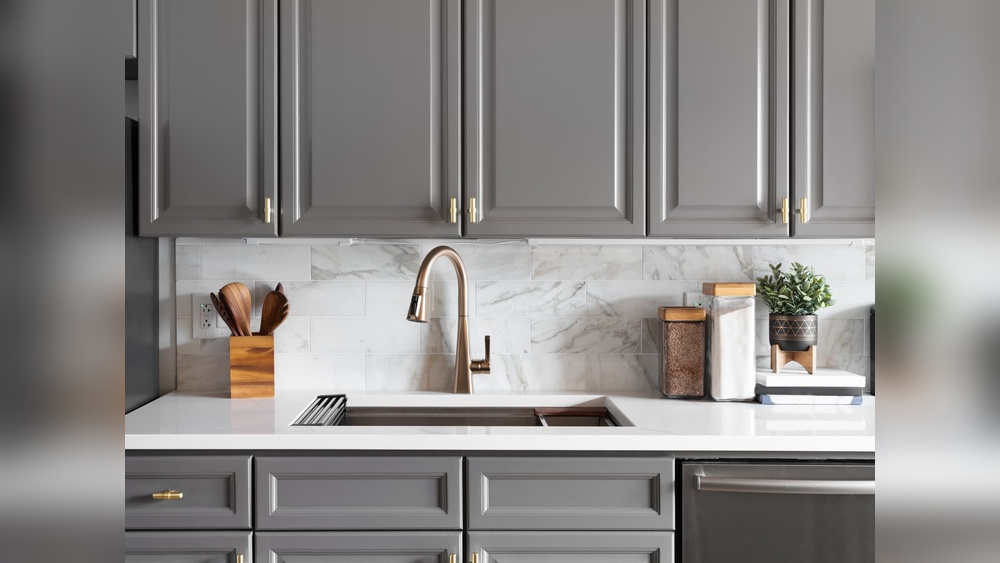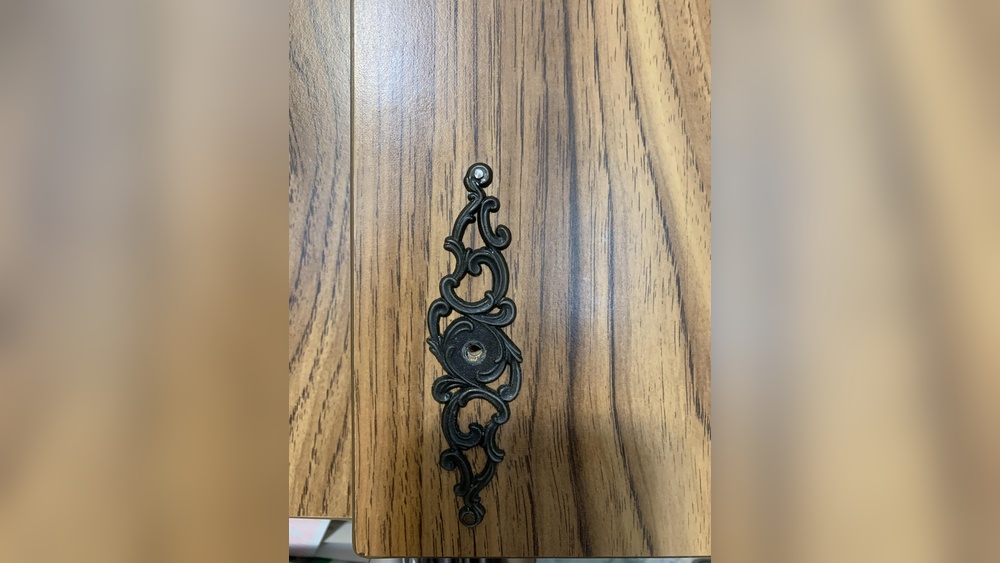
Are your cabinets looking tired and outdated? Changing your cabinet hardware is one of the quickest ways to give your kitchen or bathroom a fresh, new look.
But before you can add stylish knobs and pulls, you need to remove the old ones—and that’s where many people get stuck. Don’t worry, though. You don’t have to be a pro or spend hours struggling with stuck screws. In this guide, you’ll learn simple, effective steps to remove old cabinet hardware easily and safely.
Keep reading, and you’ll be ready to transform your space in no time.
Tools Needed
Removing old cabinet hardware is simple with the right tools. Having these tools ready saves time and effort. Each tool plays a key role in making the process smooth and safe.
Screwdriver
A screwdriver is essential for removing screws from the hardware. Use a flathead or Phillips screwdriver depending on the screw type. A proper fit prevents damage to the screws and cabinets.
Pliers
Pliers help pull out stubborn hardware pieces. They provide a strong grip to remove handles or knobs stuck in place. Needle-nose pliers work well for tight spots.
Putty Knife
A putty knife loosens paint or caulk around the hardware. It helps lift old hardware without scratching the cabinet surface. Use it gently to avoid damage.
Drill
A drill speeds up removing screws, especially many of them. Use a drill with the correct bit size for best results. It reduces hand strain during the job.
Protective Gloves
Gloves protect your hands from sharp edges and splinters. They provide a better grip on tools and hardware pieces. Always wear gloves for safety.
Prepare The Workspace
Preparing the workspace is a key step before removing old cabinet hardware. A clean and organized area helps make the task easier and safer. Taking time to set up the workspace will save effort later.
Clear the cabinets and counters around the area. This gives you space to work and prevents damage to items. Remove any fragile or valuable objects nearby.
Gather Necessary Tools
Collect all tools needed for the job. Common tools include a screwdriver, drill, and a putty knife. Having tools ready avoids interruptions during the process.
Protect The Cabinet Surface
Cover the cabinet surface with painter’s tape. This prevents scratches and damage while removing hardware. Use soft cloth or paper towels under your tools for extra protection.
Arrange Proper Lighting
Set up bright lights to see screws and hardware clearly. Good lighting reduces mistakes and speeds up work. Use a portable lamp if the area is dim.
Prepare A Container For Hardware
Use a small bowl or box to hold screws and hardware parts. This keeps them from getting lost. Label the container if you plan to reuse the hardware.
Remove Cabinet Handles
Removing old cabinet handles is simple with the right steps. It helps refresh your kitchen or bathroom look quickly. Start by preparing your tools and workspace. A clean area and basic tools make the job easier.
Take your time to avoid damage. Handle removal is the first step in updating your cabinets.
Unscrew With A Screwdriver
Find the screws holding the handle on the inside of the cabinet door. Use a screwdriver that fits the screw head. Turn the screwdriver counterclockwise to loosen the screws. Hold the handle steady as you unscrew. Remove both screws completely. Gently pull the handle away from the door. Place the screws and handles aside for reuse or disposal.
Handle Stuck? Try Penetrating Oil
Sometimes handles stick due to rust or paint. Apply a small amount of penetrating oil to the screw area. Let it sit for a few minutes to loosen the parts. Use the screwdriver again to try unscrewing. If needed, wiggle the handle gently to break free. Avoid forcing the handle hard to prevent cabinet damage.

Credit: www.youtube.com
Remove Cabinet Knobs
Removing old cabinet knobs is simple with the right steps. Start by checking the back of the cabinet door. Most knobs attach with a single screw. Use a screwdriver to take out the screws. Keep the screws safe if you plan to reuse them.
Sometimes screws can be hard to remove. Prepare a few tools in case you face problems. A little patience helps a lot. Clear space around the cabinet to work comfortably.
Locate And Remove Screws
Open the cabinet door. Look for the screw behind the knob. Use a Phillips or flat-head screwdriver. Turn the screw counterclockwise. Keep steady pressure to avoid slipping. Remove the screw fully, then pull off the knob. If the knob is stuck, wiggle it gently.
Dealing With Stripped Screws
Stripped screws lose their grip. Use a rubber band for extra traction. Place it over the screw head. Press the screwdriver into the rubber band. Turn slowly to remove the screw. Use pliers if the head is exposed. For tough screws, try a screw extractor tool. Take care not to damage the cabinet surface.
Clean The Surface
Cleaning the surface after removing old cabinet hardware is important. It prepares the cabinets for new hardware or a fresh coat of paint. A clean surface helps the new hardware fit well and look good. Take time to clear away dirt and fix any damage.
Remove Dirt And Residue
Start by wiping the cabinet surface with a damp cloth. Use mild soap mixed with water to remove grease and sticky residue. A soft brush can help clean around edges and small holes. Avoid harsh chemicals that can damage the wood or paint. Dry the area well with a clean cloth.
Fix Damaged Areas
Check the surface for scratches, holes, or dents left by old hardware. Fill small holes with wood filler or putty. Let the filler dry completely before sanding it smooth. Sand rough patches lightly to create an even surface. This step ensures the new hardware sits firmly and looks neat.

Credit: www.reddit.com
Prepare For New Hardware
Preparing your cabinets for new hardware is an important step. It helps ensure the new handles or knobs fit well and look great. Old holes and worn paint can affect the final look. Fixing these issues first creates a smooth surface. This makes installation easier and the result more polished.
Fill Old Holes
Old holes from previous hardware can cause problems. Fill them with wood filler or putty. Press the filler firmly into each hole. Let it dry completely before moving on. This step prevents gaps and uneven surfaces. It also helps the cabinet look clean and fresh.
Sand And Repaint If Needed
Sanding smooths the filled areas and any rough spots. Use fine-grit sandpaper for best results. Wipe away dust with a damp cloth. If the paint is chipped or faded, repaint the cabinet. Choose a paint that matches your kitchen style. A fresh coat brightens the cabinet and protects the surface.
Tips For A Smooth Process
Removing old cabinet hardware can be tricky without a good plan. Following simple tips makes the job easier and faster. This way, you avoid damage and save time.
Stay organized and work step by step to keep things smooth. Small efforts now prevent big problems later.
Work Systematically
Start at one end of the cabinet and move in order. Remove hardware from one door or drawer before moving to the next. This keeps the process neat and less confusing. Avoid skipping parts or jumping around.
Use the same tools for all screws to keep your work steady. Take your time and remove each piece carefully. This reduces the risk of damaging the cabinet surface.
Keep Screws Organized
Place screws in small containers or labeled bags as you remove them. Mark each container with the cabinet part it belongs to. This helps when you install new hardware or reuse old pieces.
Organizing screws prevents losing small parts. It also speeds up the reassembly process. Keep containers close to your work area for easy access.

Credit: www.youtube.com
Frequently Asked Questions
How Do I Safely Remove Old Cabinet Hardware?
Use a screwdriver to unscrew each piece carefully. Avoid forcing to prevent cabinet damage. Work slowly to keep the surface intact.
What Tools Are Needed To Remove Old Cabinet Hardware?
You need a screwdriver, drill, and possibly pliers. A cloth helps protect surfaces from scratches during removal.
Can Old Cabinet Hardware Be Reused After Removal?
Yes, if hardware is in good condition and not damaged. Clean thoroughly before reinstalling for best results.
How To Prevent Damage When Removing Cabinet Handles?
Apply gentle pressure and use the correct screwdriver size. Protect the cabinet with tape around screws before unscrewing.
Conclusion
Removing old cabinet hardware is easier than it seems. Start by gathering the right tools. Unscrew the handles carefully to avoid damage. Clean the surface before adding new hardware. Take your time and work step by step. Small efforts lead to a big difference in your cabinets.
Now, enjoy your refreshed space with confidence. Your cabinets look neat and updated without much hassle. Simple steps can improve your home’s style quickly. Ready for the next project?