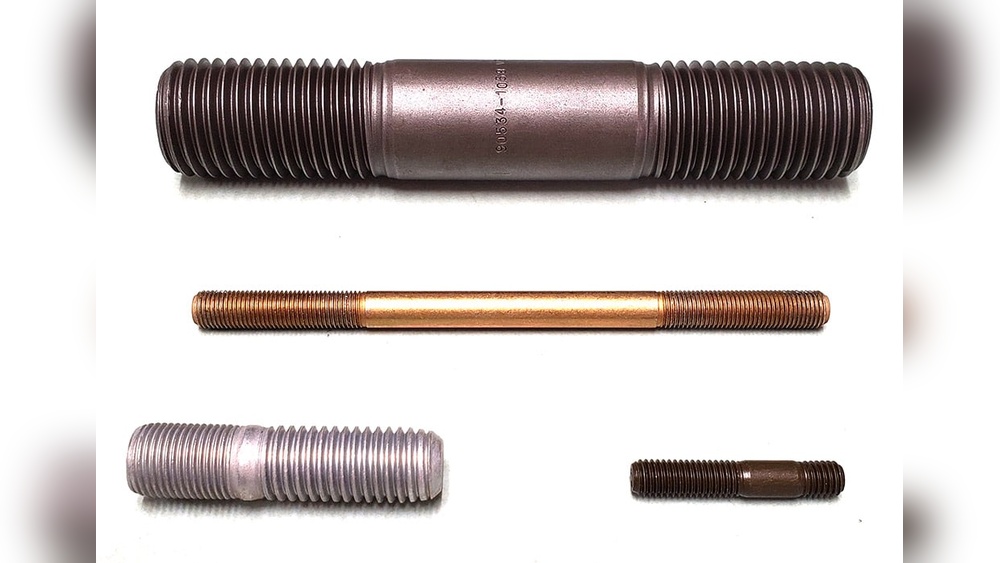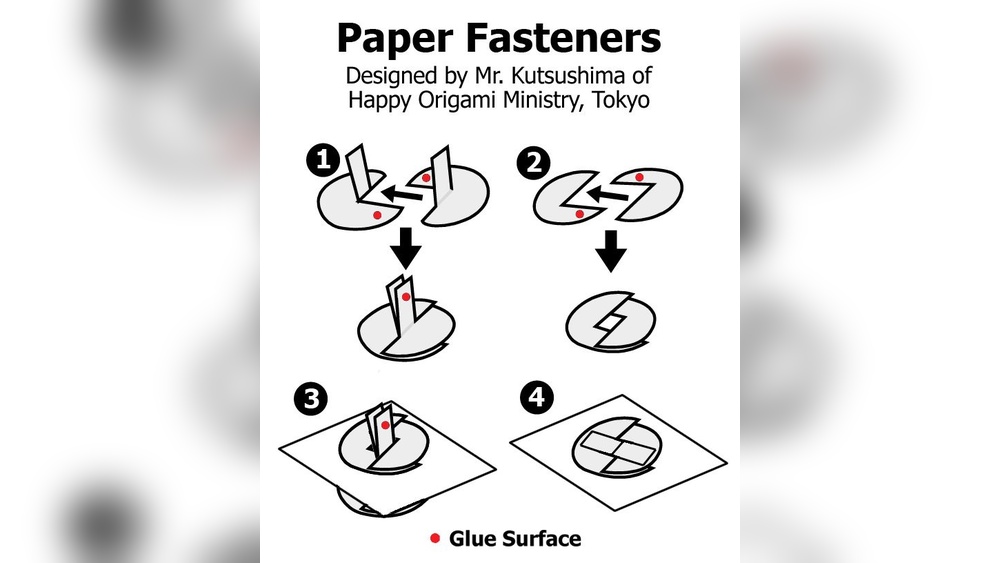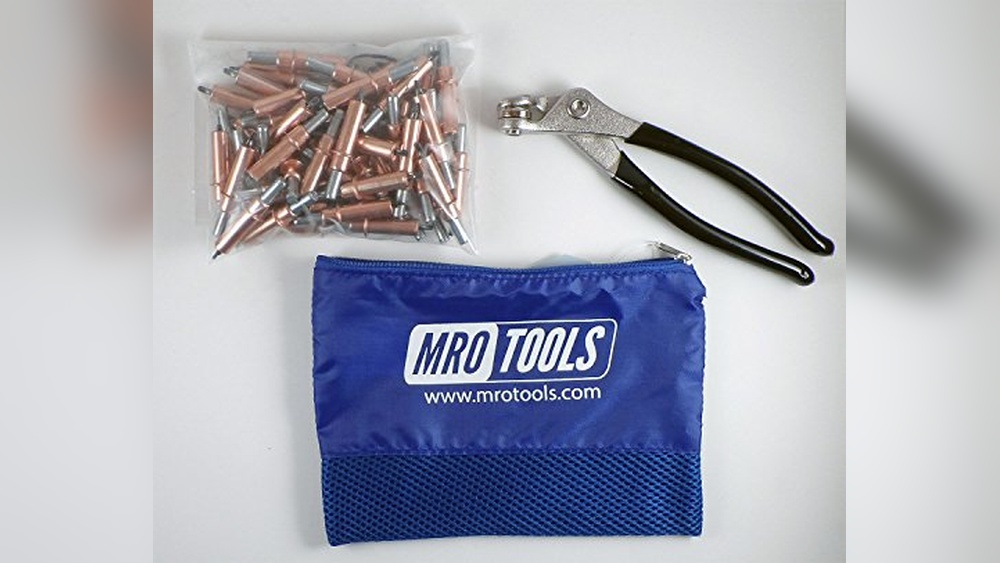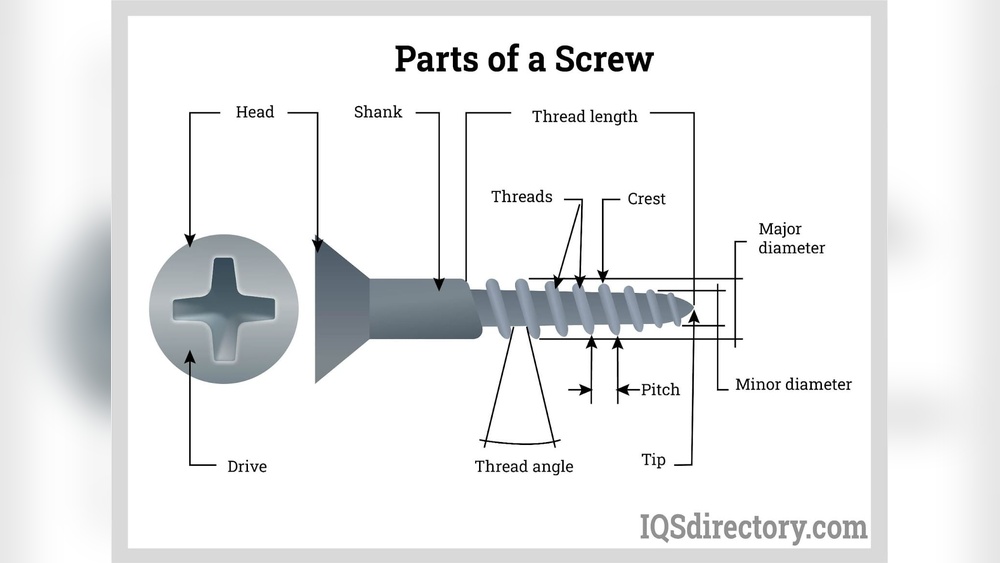
Have you ever wondered what keeps your furniture sturdy or your gadgets securely put together? The answer often lies in something small but mighty—screw fasteners.
These tiny components play a huge role in holding things in place, yet many people don’t fully understand what they are or how they work. If you want to know how screw fasteners can make your projects stronger and more reliable, keep reading.
By the end of this article, you’ll see why these simple tools are essential for your DIY tasks and everyday fixes.
Credit: www.3erp.com
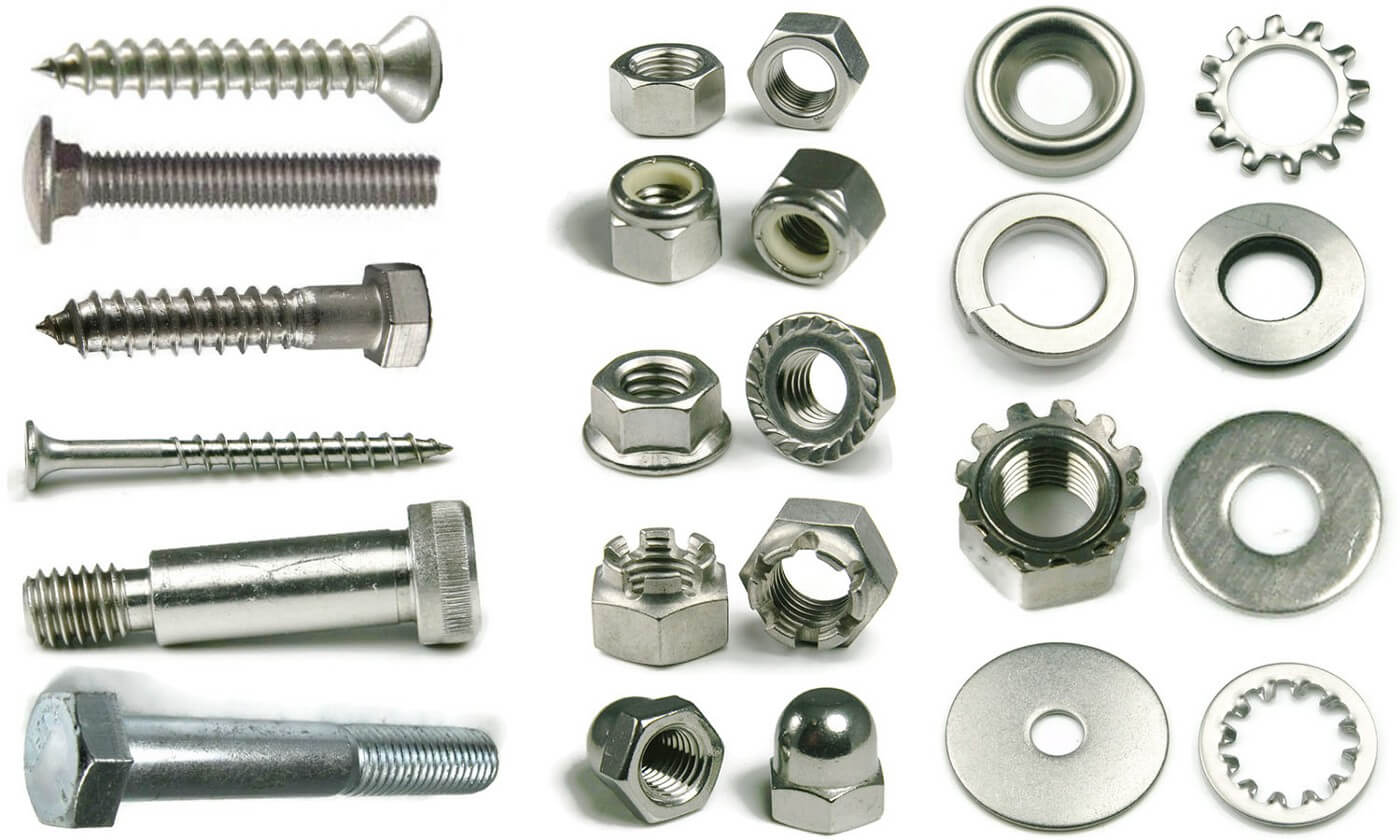
Basics Of Screw Fasteners
Screw fasteners are simple tools used to hold objects together. They are found in many places, from furniture to electronics. Understanding their basics helps in choosing the right screw for any project.
Below are the key points about screw fasteners that explain what they are, what materials they are made from, and how they work.
Definition And Purpose
A screw fastener is a type of hardware. It has a threaded shaft and a head. Screws join two or more parts by digging into the material. They create a strong hold that resists pulling apart. Screws can be removed and reused, unlike nails.
Common Materials
Screws come in many materials. Steel is the most common, offering strength and durability. Stainless steel resists rust and works well outdoors. Brass screws are used for decorative purposes. Plastic screws fit lightweight or electrical parts. Each material suits different uses.
How Screws Work
The threads on a screw cut into the material. This holds the screw firmly in place. Turning the screw pulls parts together tightly. The head allows tools to apply torque. Different heads fit different screwdrivers or bits. This design makes screws reliable fasteners.
Types Of Screw Fasteners
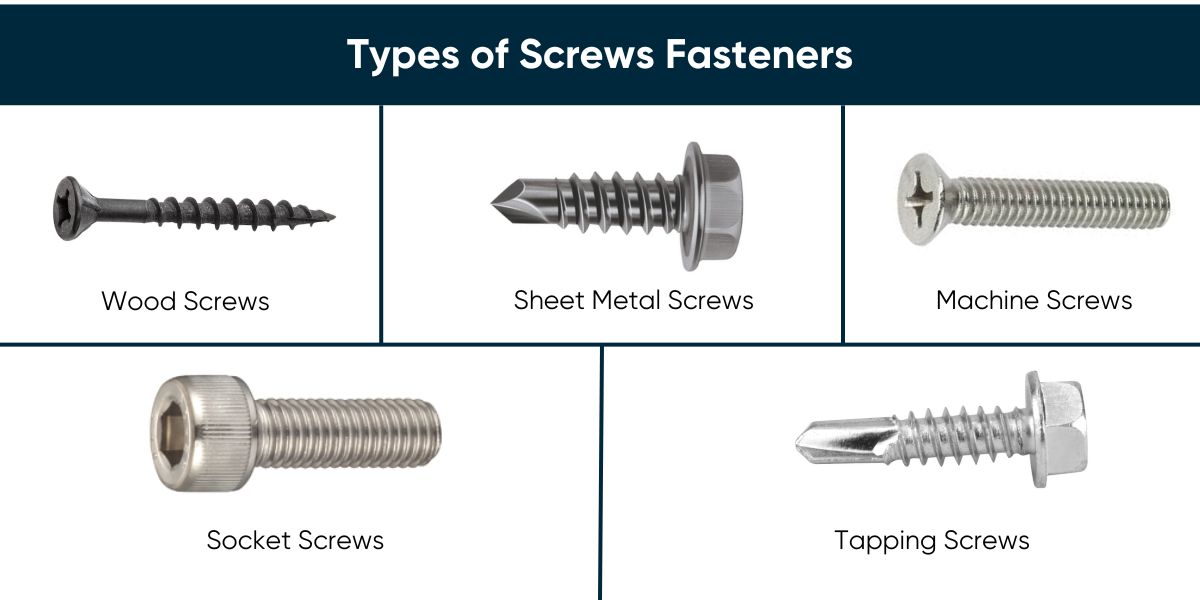
Screw fasteners come in many types, each made for different jobs. Choosing the right screw helps your project last longer and stay strong.
Below are some common types of screw fasteners. Each type has unique features and uses.
Wood Screws
Wood screws are designed to join pieces of wood. They have sharp threads that grip wood tightly. These screws often have a smooth shank to pull wood pieces together firmly.
Machine Screws
Machine screws fasten metal parts. They work with nuts or threaded holes. These screws usually have uniform threads along the entire shaft.
Sheet Metal Screws
Sheet metal screws are made for thin metal surfaces. They have sharp threads that cut into metal for a strong hold. These screws can also fasten plastic and wood.
Self-tapping Screws
Self-tapping screws create their own threads in materials. They save time by removing the need for pre-drilling. These screws are common in metal and plastic work.
Lag Screws
Lag screws are thick and strong. They are used for heavy wood structures. These screws need a pilot hole before installation to prevent splitting the wood.
Deck Screws
Deck screws resist rust and corrosion. They are perfect for outdoor wood projects like decks. These screws have a coating to protect them from weather damage.
Head Styles And Drives
Screw fasteners come in many head styles and drives. These affect how screws fit and work in projects. Choosing the right head style and drive improves durability and ease of use.
Head styles change how the screw sits on or in a surface. Drives affect what tool fits the screw. Both matter for the best results.
Flat Head
Flat head screws have a flat top and angled sides. They sit flush with the surface after installation. These screws work well for wood and metal. They give a clean, smooth finish.
Pan Head
Pan head screws have a rounded top and flat underside. They sit above the surface, offering good holding power. Pan heads work well in machines and electronics. Their shape allows easy tightening and loosening.
Round Head
Round head screws have a fully rounded top. They stand out from the surface. These screws are common for decorative or light-duty use. Their shape adds a classic look to projects.
Phillips Drive
Phillips drive screws have a cross-shaped slot. They fit Phillips screwdrivers. This design prevents the tool from slipping out easily. Phillips drives are common in construction and household tasks.
Slotted Drive
Slotted drive screws have a simple straight slot. They need a flathead screwdriver. Slotted screws are easy to use but can slip more than others. They are often found in older furniture and fixtures.
Torx Drive
Torx drive screws have a star-shaped pattern. They provide better grip and torque. Torx screws reduce cam-out, or slipping. Used in electronics and automotive industries for strong fastening.
Selecting Screws For Projects
Selecting the right screws is key to any project’s success. Screws hold parts together tightly and safely. Choosing the wrong type can cause damage or weak joints. Focus on matching screws to the material, picking the correct size, and considering corrosion resistance. These steps ensure the best fit and durability for your work.
Matching Screws To Materials
Different materials need different screws. Wood screws have sharp threads for gripping wood fibers. Metal screws have finer threads for metal parts. Plastic often requires special screws with wider threads to avoid cracking. Using the right screw type improves strength and prevents damage.
Choosing Length And Diameter
The screw must be long enough to hold parts firmly. Too short, and the joint will be weak. Too long, and it may poke out or split the material. Diameter matters too. Thicker screws hold better but may crack thin materials. Measure carefully and choose size based on material thickness and project needs.
Corrosion Resistance Options
Some screws face moisture or outdoor conditions. Rust can weaken screws and ruin the project. Stainless steel screws resist rust well and last long. Zinc-coated screws offer good protection on a budget. Pick corrosion-resistant screws for outdoor or damp locations to keep your work strong and safe.
Proper Screw Installation
Proper screw installation ensures a strong and lasting hold. It helps avoid damage to materials and tools. Correct installation makes your project safer and more durable. Follow simple steps for the best results.
Tools Needed
Use the right tools for easy screw installation. A screwdriver or drill is essential. Choose a bit that fits the screw head well. A tape measure and pencil help mark spots. Safety goggles protect your eyes during work.
Pre-drilling Tips
Pre-drilling prevents wood from splitting. Select a drill bit slightly smaller than the screw. Mark the spot before drilling. Drill straight holes to guide the screws. Clear any dust from the hole before inserting screws.
Avoiding Common Mistakes
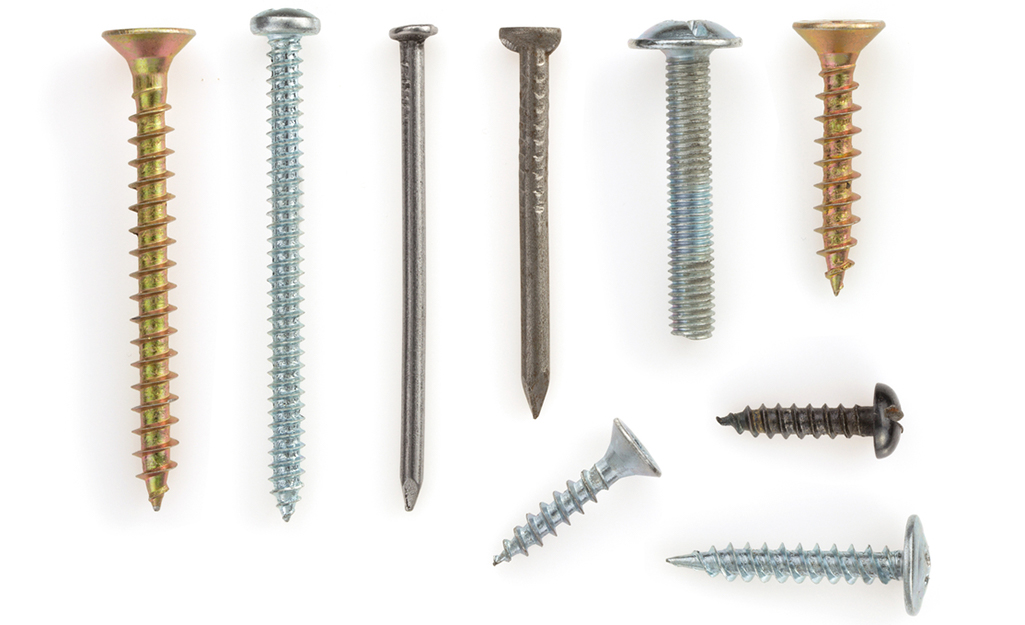
Do not overtighten screws; it weakens the hold. Avoid using the wrong screwdriver bit size. Do not skip pre-drilling on hard materials. Keep screws straight to prevent bending. Always check screw length matches material thickness.
Credit: www.homedepot.com
Special Uses Of Screws
Screws have many special uses across different fields. Their design allows for strong, reliable connections. Screws hold parts firmly and can be removed if needed. This makes them very useful in many industries. Below are some key areas where screws play an important role.
Electronics Assembly
Screws secure delicate parts inside electronic devices. They hold circuit boards, screens, and casings tightly. Small screws prevent damage during use and transport. These fasteners help in repairing and upgrading gadgets too. Their size and strength suit tiny, precise components well.
Furniture Building
Screws join wood pieces firmly in furniture. They allow for strong frames and smooth surfaces. Wood screws create lasting bonds that resist loosening. Easy to install, screws also enable quick furniture assembly. This helps in making chairs, tables, and cabinets sturdy.
Automotive Applications
Cars rely on screws for assembling many parts. Engines, panels, and interiors use screws for tight fits. Screws handle vibrations and heat without failing. They make repairs easier and keep vehicles safe. Different screw types work in various car components.
Construction And Framing
Screws are essential in building walls and roofs. They hold wood, metal, and other materials securely. Screws resist strong forces like wind and pressure. Builders choose screws for fast, reliable construction. These fasteners help create safe, long-lasting structures.
Maintaining And Removing Screws
Maintaining and removing screws is an important skill for any DIY project. Proper care helps screws last longer and work better. Removing screws without damage saves time and effort. Understanding how to handle screws carefully prevents common problems.
Preventing Stripping
Stripping happens when the screw head gets damaged. Use the right screwdriver size for each screw. Press the screwdriver firmly into the screw head. Turn the screwdriver slowly and steadily. Avoid using worn or damaged tools. Keep screw heads clean from dirt and rust.
Effective Removal Techniques
Use a screwdriver that fits well to avoid slipping. Apply steady, even pressure while turning. If the screw is stuck, try a lubricant like oil. Let it sit for a few minutes before turning again. Use pliers for screws with damaged heads. Heat can help loosen very tight screws.
Replacing Old Screws
Remove old screws carefully to avoid damage. Check the size and type before buying new ones. Use new screws that match the original for best fit. Tighten new screws just enough to hold parts firmly. Avoid over-tightening, which can cause damage. Regularly check screws in important areas.
Credit: bhansalitechno.com
Frequently Asked Questions
What Are Screw Fasteners Used For?
Screw fasteners join materials by threading into surfaces. They provide strong, removable, and reusable connections in wood, metal, and plastic projects.
How Do Screw Fasteners Differ From Nails?
Screws have threads that grip materials tightly. Nails rely on friction and are less secure for heavy-duty holds compared to screws.
What Materials Are Screw Fasteners Made From?
Common materials include stainless steel, carbon steel, brass, and aluminum. Each type offers different strength, corrosion resistance, and cost benefits.
What Types Of Screw Fasteners Exist?
Popular types include machine screws, wood screws, sheet metal screws, and self-tapping screws. Each suits specific materials and applications.
Conclusion
Screw fasteners hold things tightly and securely. They come in many types for different jobs. Using the right screw fastener makes work easier and safer. These small tools play a big role in building and fixing. Knowing their purpose helps you pick the best one.
Simple, strong, and reliable—that’s what screw fasteners are. Keep them in mind for your next project. Easy to use, they join materials fast and well. A small part with a big impact.