If you or your loved one has a G tube, you might be wondering how to safely remove the T-fasteners. These small devices help keep the tube in place, but knowing when and how to remove them is important for comfort and healing.
In this guide, you’ll find clear, step-by-step instructions that make the process simple and less stressful. By the end, you’ll feel confident handling the removal with care and ease. Keep reading to learn exactly what to do next.

Credit: www.jpedsurg.org
What Are G Tube T-fasteners
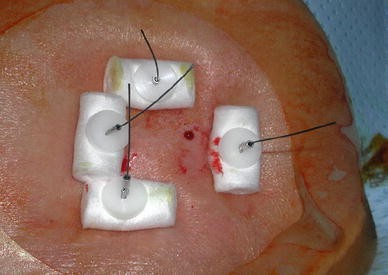
G Tube T-Fasteners are small devices used in medical care. They help keep a gastrostomy tube (G Tube) in place. These fasteners attach the stomach wall to the skin. This holds the tube steady and prevents movement. They are important for patients who need long-term feeding through a G Tube.
Purpose Of T-fasteners
T-Fasteners stop the G Tube from moving or falling out. They create a safe tunnel between the stomach and skin. This reduces the risk of leaks and infections. The fasteners also help the stomach heal around the tube. They keep the tube stable during daily activities.
Types Of T-fasteners
There are different types of T-Fasteners used in hospitals. Some are made of plastic, others of metal. Some fasteners dissolve over time and do not need removal. Others stay until a doctor removes them. The choice depends on the patient’s needs and treatment plan.
When To Remove T-fasteners
Knowing the right time to remove G Tube T-fasteners is important. These small devices hold the tube in place after surgery. Removing them too early or too late can cause problems. Understanding when to remove T-fasteners helps ensure healing and comfort.
Signs Indicating Removal
Watch for redness or swelling around the fasteners. If the area looks infected, removal might be needed. Pain or discomfort near the fasteners can also signal removal time. Sometimes, the fasteners loosen on their own. Loose fasteners should be taken out to avoid irritation.
Recommended Time Frame
Doctors usually suggest removing T-fasteners between 7 to 14 days. This period gives the body enough time to heal. Waiting longer than two weeks can increase infection risk. Removing them too soon may cause the tube to move. Always follow your healthcare provider’s advice about timing.
Tools Needed For Removal
Removing G Tube T-fasteners requires specific tools. Using the right tools makes the process safe and quick. Having these tools ready helps avoid problems during removal.
Sharp Scissors Or Small Wire Cutters
Sharp scissors or small wire cutters help cut the fastener threads. Choose tools that can cut cleanly without pulling on the skin. Keep them sterile to prevent infection.
Forceps Or Tweezers
Forceps or tweezers help grip and pull the fasteners gently. They give control to avoid hurting the skin. Use tools with a fine tip for precision.
Antiseptic Solution
Antiseptic solution cleans the skin around the fasteners. Clean skin reduces the risk of infection. Use a mild antiseptic suitable for sensitive skin.
Gloves
Wear gloves to keep your hands clean and protect against germs. Use disposable gloves for hygiene. Change gloves if they become contaminated during the process.

Credit: www.nm.org
Preparation Before Removal
Before removing G Tube T-fasteners, proper preparation is key. It helps reduce pain and prevents infection. Taking time to prepare ensures a safer and smoother removal process. This section covers essential steps for preparation before removal.
Cleaning The Area
Start by washing your hands thoroughly. Use warm water and soap to kill germs. Clean around the T-fasteners gently with mild soap. Avoid harsh scrubbing to prevent skin irritation. Use a soft cloth or gauze to pat the area dry. Keeping the area clean reduces infection risk.
Ensuring Comfort And Safety
Find a comfortable, well-lit place to sit or lie down. Make sure you have all supplies ready, such as gloves and sterile tools. Use a clean towel or pad to protect clothing and surfaces. Have someone nearby to assist if needed. Stay calm and breathe slowly to ease any tension.
Step-by-step Removal Process
Removing G Tube T-fasteners requires care and patience. This step-by-step process helps avoid pain and injury. Follow each step closely for a smooth removal.
Loosening The Fasteners
Start by cleaning the area around the fasteners. Use warm water and mild soap to reduce germs. Gently massage the skin near the fasteners. This softens the tissue and eases removal. Avoid pulling or tugging at this stage.
Gently Pulling Out
Hold the fastener firmly with clean fingers or tweezers. Slowly and steadily pull the fastener straight out. Do not twist or jerk it. Pulling too fast can cause pain or bleeding. Stop if you feel strong resistance.
Handling Resistance
If the fastener does not come out easily, pause. Apply warm compresses to relax the skin and muscle. Try to loosen the fastener again after a few minutes. Do not force it. Contact a healthcare professional if removal is difficult.
Aftercare Tips
After removing G Tube T-fasteners, proper aftercare is very important. It helps the skin heal well and stops infections. Careful attention to the site will make recovery smoother and safer.
Cleaning The Site
Keep the area clean and dry. Use mild soap and water to gently wash the site daily. Avoid harsh chemicals or scrubbing hard. Pat the skin dry with a clean towel. Use a fresh dressing if advised by your healthcare provider. Clean hands before touching the site to prevent germs.
Monitoring For Complications
Watch the site for signs of infection. Redness, swelling, or pain may signal a problem. Check for any unusual discharge or bad smell. Fever or feeling unwell also needs attention. Report any changes to your doctor quickly. Early care prevents serious complications and speeds healing.
When To Seek Medical Help
Removing G tube T-fasteners requires care and attention. Sometimes, problems can arise that need professional help. Knowing when to seek medical help can keep you safe and avoid complications.
Signs Of Infection
Watch for redness, swelling, or warmth around the site. Pain that gets worse over time is a warning. Pus or unusual discharge means infection may be present. Fever can also signal an infection. Contact a doctor if any of these signs appear.
Excessive Bleeding
Minor bleeding can happen but heavy bleeding is dangerous. If blood soaks through the dressing quickly, get help. Do not try to stop heavy bleeding on your own. Medical professionals can provide the right treatment fast.
Fastener Does Not Come Out
Sometimes, T-fasteners stick or do not release easily. Forcing them can cause pain or damage. If you feel strong resistance, stop and call a healthcare provider. They can remove the fasteners safely.
Severe Pain Or Discomfort
Some discomfort is normal, but severe pain is not. Sharp or spreading pain needs medical evaluation. Do not ignore pain that limits movement or sleep. A doctor can check for underlying problems.
Signs Of Tube Displacement
If the G tube moves or falls out, act quickly. Look for leaks or swelling around the site. Difficulty feeding or sudden pain may mean displacement. Contact healthcare services immediately for proper care.
Credit: link.springer.com
Frequently Asked Questions
What Are G Tube T-fasteners Used For?
G Tube T-Fasteners secure the gastrostomy tube in place. They prevent tube displacement and reduce skin irritation. These fasteners provide stability during feeding and care.
How Do I Safely Remove G Tube T-fasteners?
To remove T-Fasteners safely, clean the area first. Use sterile scissors or tweezers to gently cut or pull the fasteners. Always follow your healthcare provider’s instructions to avoid infection or injury.
When Should G Tube T-fasteners Be Removed?
T-Fasteners are usually removed after the stoma tract matures, typically 2 to 4 weeks post-insertion. Removal timing depends on the patient’s healing and healthcare provider’s guidance.
Can I Remove G Tube T-fasteners At Home?
Removing T-Fasteners at home is possible with proper training. However, it is safer to have a healthcare professional perform the removal to avoid complications.
Conclusion
Removing G Tube T-Fasteners can feel tricky at first. Take your time and follow the steps carefully. Clean hands and gentle movements help avoid pain. If you feel unsure or notice problems, ask a healthcare worker for help. This process keeps the area clean and helps healing.
Remember, safety and comfort matter most. You can manage this with patience and care.

