Have you ever wondered what fastening really means and why it matters in your daily life? Whether you’re fixing something at home, putting together furniture, or even choosing the right gear for a project, understanding fastening can make all the difference.
This simple concept holds the key to keeping things secure, safe, and working smoothly. Keep reading, and you’ll discover how fastening impacts your world in ways you might never have noticed—and how knowing more about it can save you time, effort, and frustration.
Credit: www.iqsdirectory.com
Fastening Basics
Fastening is a key part of building and fixing things. It involves joining two or more parts together. This makes structures strong and stable. Fastening is used in many fields like construction, furniture making, and electronics.
Knowing the basics helps in choosing the right method and tools. It also ensures safety and durability in the final product.
Definition And Purpose
Fastening means connecting parts to hold them in place. The main goal is to keep items fixed without movement. It prevents parts from falling apart or shifting. Fastening also helps in easy assembly and repair. It can be temporary or permanent, depending on the need.
Types Of Fasteners
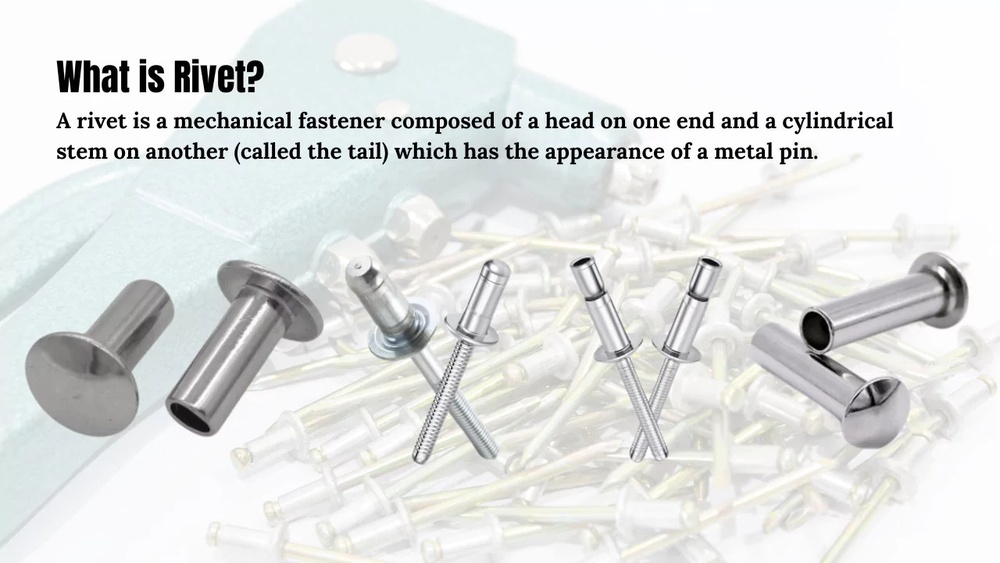
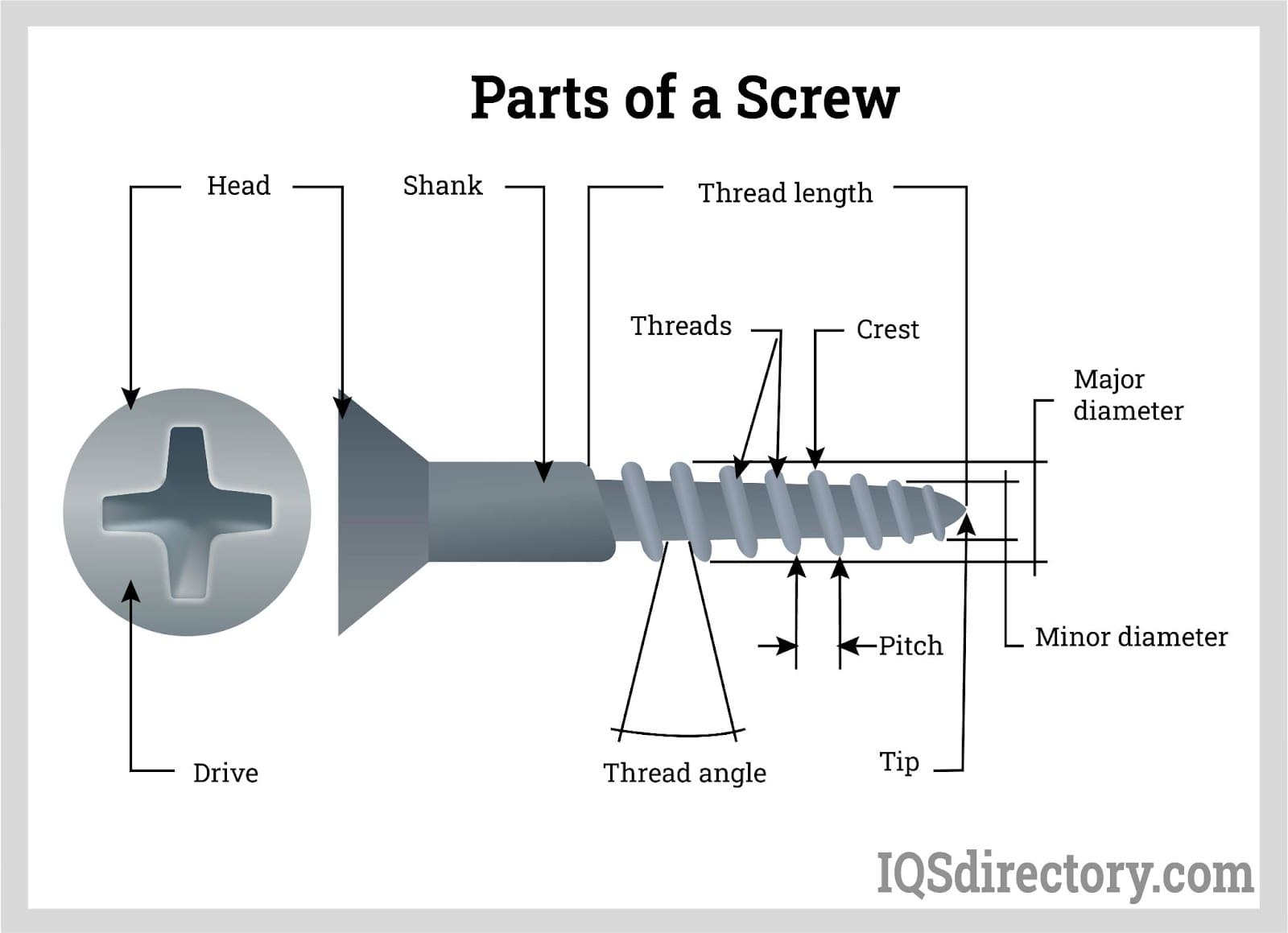
Fasteners are tools or devices used for fastening. Common types include screws, nails, bolts, and rivets. Screws hold parts by digging into the material. Nails are hammered in for quick fixing. Bolts use nuts to secure heavy loads. Rivets join parts by deforming the metal. Each type suits different materials and purposes.

Credit: en.wikipedia.org
Common Fastening Methods
Fastening holds materials together. It ensures stability and strength in structures. Various methods suit different materials and uses. Choosing the right method matters for safety and durability.
Mechanical Fastening
Mechanical fastening uses physical parts to join items. Examples include screws, bolts, and nails. These fasteners create a strong hold without changing the materials. Easy to install and remove, they suit many projects. They also allow for adjustments after assembly.
Adhesive Bonding
Adhesive bonding joins surfaces using glue or resin. It spreads over contact areas and hardens. This method works well with different materials. It avoids holes or damage to the items. Adhesives can provide a smooth, clean finish.
Welding And Soldering
Welding and soldering use heat to join metals. Welding melts the base metals to fuse them. Soldering melts a filler metal to connect parts. Both create strong, permanent bonds. These methods require skill and proper tools.
Materials Used In Fasteners
Fasteners hold parts together in many products and structures. The choice of material affects strength, durability, and cost. Different materials suit different uses. Understanding these materials helps pick the right fastener.
Metals
Metals are the most common fastener materials. Steel is strong and durable. Stainless steel resists rust and corrosion. Aluminum is light and easy to work with. Brass offers good corrosion resistance and looks attractive. Metal fasteners handle heavy loads well.
Plastics
Plastic fasteners are lightweight and resist corrosion. They do not conduct electricity. Plastics are flexible and easy to mold. Common plastics include nylon and polypropylene. Plastic fasteners suit light-duty uses and where metal might cause damage.
Composites
Composite fasteners combine materials for special properties. They often mix fibers with plastic or resin. Composites are strong yet lightweight. They resist corrosion and chemicals well. These fasteners work in high-performance and harsh environments.
Choosing The Right Fastener
Choosing the right fastener is important for every project. The correct fastener holds parts firmly together. It ensures safety and durability. Several factors affect which fastener will work best. Understanding these factors helps you pick the perfect one.
Load Requirements
Consider how much weight the fastener must support. Heavy loads need strong fasteners like bolts or screws. Light loads can use nails or clips. The fastener must handle stress without breaking or bending.
Environmental Factors
Think about where the fastener will be used. Outdoor use needs rust-resistant materials like stainless steel. Moist areas need corrosion-proof fasteners. Choose fasteners that survive temperature changes and weather conditions.
Cost Considerations
Budget affects your fastener choice. Higher quality fasteners cost more but last longer. Cheap fasteners may save money now but fail sooner. Balance cost with durability for the best value.
Installation Techniques
Installation techniques are key to successful fastening. Proper methods ensure strong, lasting connections. Using the right approach prevents damage and saves time.
Different materials and projects need specific fastening methods. Knowing these methods helps achieve the best results. Precision and care during installation improve durability.
Tools And Equipment
Selecting the correct tools is crucial for fastening. Basic tools include screwdrivers, hammers, and drills. Power tools speed up the process and increase accuracy.
Specialized equipment like rivet guns or torque wrenches may be needed. Keeping tools in good condition avoids errors. Using worn tools can weaken the fastening.
Best Practices
Align parts carefully before fastening them together. Tighten fasteners evenly to distribute pressure well. Follow manufacturer guidelines for torque and placement.
Pre-drilling holes prevents splitting in wood and other materials. Clean surfaces ensure better grip and reduce rust risk. Check fasteners for defects before use.
Common Mistakes To Avoid
Over-tightening fasteners can strip threads or break parts. Using the wrong fastener size weakens the joint. Neglecting to prepare surfaces may cause slipping.
Ignoring safety rules risks injury during installation. Skipping quality checks leads to poor fastening performance. Rushing the process often causes avoidable errors.

Credit: dictionary.cambridge.org
Applications Of Fastening
Fastening plays a vital role in many industries. It ensures parts and materials stay connected securely. Different sectors rely on fasteners to build strong, stable products. Fastening helps improve safety and durability.
Each industry uses specific fastening methods. The choice depends on materials, strength needs, and design. Understanding these applications shows how important fastening truly is.
Construction Industry
Fastening is essential in construction work. It joins beams, panels, and other materials. Nails, screws, bolts, and anchors keep buildings solid. Proper fastening helps structures resist wind and weight. It also speeds up the building process.
Automotive Sector
Cars need many fasteners to hold parts together. Engines, seats, and doors rely on secure connections. Fasteners must withstand vibrations and heat. Using the right fastener improves vehicle safety and performance. This sector demands high-quality, precise fastening solutions.
Electronics And Appliances
Electronics use tiny fasteners for circuit boards and cases. Appliances depend on fasteners to hold panels and components. Fastening in this field requires careful design for space and function. Good fastening ensures devices work well and last longer.
Innovations In Fastening Technology
Fastening technology has seen many changes recently. These changes help make products safer and easier to build. New tools and materials make fastening stronger and faster. This section explores some key innovations shaping the future of fastening.
Smart Fasteners
Smart fasteners have built-in sensors. They track tightness and condition in real time. This helps prevent failures before they happen. Some smart fasteners send alerts to devices. They improve safety in cars and machines. These fasteners reduce maintenance costs. They also save time by spotting problems early.
Sustainable Materials
Fasteners made from recycled materials are growing in use. These materials reduce waste and energy use. Biodegradable fasteners break down after use. This helps protect the environment. Sustainable fasteners still meet strength needs. They offer an eco-friendly choice for builders and manufacturers.
Automation In Fastening
Robots and machines now handle many fastening tasks. Automation speeds up production lines and improves accuracy. Machines reduce human error and injury risks. Automated systems work well in car and electronics factories. This technology helps produce more with less effort.
Maintenance And Inspection
Maintenance and inspection of fastenings play a vital role in keeping structures and machines safe. Regular checks help find problems early. This prevents accidents and costly repairs. A good maintenance routine extends the life of fasteners and ensures they work well.
Signs Of Wear And Damage
Look for cracks, rust, or bends on fasteners. Loose or missing parts also show wear. Fasteners that spin or move easily may be damaged. Check for corrosion or dirt buildup that can weaken them. Early signs help fix issues before they get worse.
Repair Techniques
Tighten loose fasteners using the right tools. Replace rusty or broken parts immediately. Clean dirt and debris regularly to keep fasteners in good shape. Use lubricants to prevent rust and ease movement. Follow manufacturer guidelines for proper repairs.
Safety Checks
Test fasteners for tightness before use. Ensure all parts fit securely without gaps. Check load limits and avoid over-tightening. Use safety gear during inspections. Record findings to track fastener condition over time.
Frequently Asked Questions
What Is The Basic Definition Of Fastening?
Fastening is the process of joining two or more objects securely. It ensures stability and prevents separation. Common methods include screws, nails, bolts, and adhesives. Fastening is essential in construction, manufacturing, and everyday use to hold parts together safely and effectively.
Why Is Fastening Important In Construction?
Fastening provides structural integrity and safety in construction projects. It holds building components firmly in place. Proper fastening prevents accidents and damage. It also allows for easy assembly and disassembly of materials. Without secure fastening, structures can become unstable and unsafe.
What Are Common Types Of Fasteners Used?
Common fasteners include screws, nails, bolts, rivets, and clips. Each type suits different materials and applications. Screws offer strong, removable joints. Nails are quick and cost-effective. Bolts provide high strength for heavy loads. Choosing the right fastener ensures durability and performance.
How Does Fastening Differ From Bonding?
Fastening uses mechanical means like screws or nails to join parts. Bonding relies on adhesives or chemical processes to stick surfaces together. Fastening allows easy disassembly, while bonding is typically permanent. Both methods are vital in various industries depending on the material and purpose.
Conclusion
Fastening means joining two or more things tightly together. It keeps objects secure and stable. We use different types like nails, screws, and clips. Each type fits certain needs and materials. Fastening is important in building, clothes, and machines. It helps things last longer and work well.
Understanding fastening makes everyday tasks easier. Simple but very useful.