Have you ever wondered if a rivet is actually a fastener? If you’re working on a project or just curious about how things hold together, understanding what a rivet does can save you time and frustration.
Knowing the right tools and parts to use can make all the difference in your work’s strength and durability. Keep reading to discover why rivets matter and how they compare to other fasteners you might already know. Your next project could depend on it!

Credit: www.youtube.com
What Is A Rivet
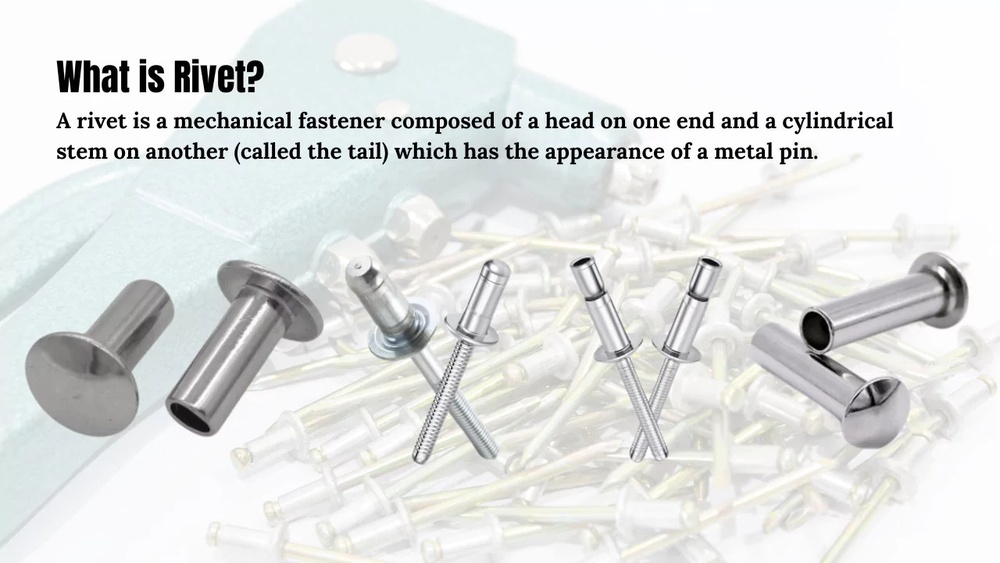
A rivet is a type of fastener used to join two materials. It is a small metal pin with a head on one end. The other end is deformed to hold the materials tightly together.
Rivets are common in construction, manufacturing, and many repair jobs. They provide a strong and permanent hold. Unlike screws or bolts, rivets do not loosen over time.
How Does A Rivet Work?
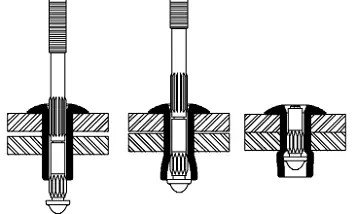
A rivet passes through aligned holes in two materials. Then, the tail end is hammered or pressed to form a second head. This action clamps the materials together firmly. The rivet stays in place, creating a solid bond.
Many rivet types exist for different uses. Solid rivets are the most common and strongest. Blind rivets can be installed from one side only. Pop rivets expand inside the hole to grip tightly.
Materials Used For Rivets
Rivets come in various materials like steel, aluminum, and copper. The choice depends on the strength and corrosion resistance needed. Aluminum rivets are light and rust-resistant. Steel rivets offer high strength and durability.
Types Of Rivets
Rivets come in many types, each made for different tasks. Knowing these types helps in choosing the right one for your project. Rivets hold materials tightly and are strong fasteners. They are common in construction, manufacturing, and repairs.
Solid Rivets
Solid rivets are the oldest type. They are simple, strong, and reliable. These rivets need access to both sides of the material. One side is shaped by hammering or pressing to hold parts together. They work well in metal structures and aircraft.
Blind Rivets
Blind rivets are also called pop rivets. They are useful when only one side is accessible. A special tool pulls the rivet’s pin to form a secure joint. Blind rivets are quick to install and common in metal and plastic work. They are perfect for hard-to-reach places.
Tubular Rivets
Tubular rivets have a hollow shaft. They require less force to set than solid rivets. These rivets are good for soft materials and light loads. Tubular rivets are often used in leather, fabric, and sheet metal.
Drive Rivets
Drive rivets have a short pin inside a hollow body. You install them by driving the pin into the body with a hammer. This action expands the rivet, holding it tight. Drive rivets are fast and easy to use in thin materials.
Rivets Vs Other Fasteners
Rivets are a common type of fastener used in many industries. They join materials by being permanently fixed. Other fasteners like screws and bolts also join parts but work differently. Comparing rivets with screws and bolts helps understand their uses and benefits.
Rivets And Screws
Rivets are permanent fasteners. Screws can be removed and reused. Screws create threads inside the material. Rivets need a tool to set them. Screws work well in softer materials. Rivets hold better in thin or soft metals.
Rivets And Bolts
Bolts fasten with nuts and washers. They can be taken apart easily. Rivets do not need extra parts. Bolts are stronger but heavier. Rivets add less weight to the structure. Rivets spread the load over a larger area.
Advantages Of Rivets
Rivets provide a strong, long-lasting hold. They resist vibration and loosening. Rivets work well in tight spaces. They are cost-effective for mass production. Rivets do not damage material threads. They create a smooth surface after installation.
Credit: www.rivetsonline.com
Applications Of Rivets
Rivets are simple but strong fasteners used in many industries. Their ability to join materials permanently makes them popular worldwide. Rivets hold metal, plastic, and wood parts tightly together. Their use goes beyond basic fixing. Different industries rely on rivets for strength and durability.
Rivets provide secure joints where welding or screws might fail. Their applications vary from heavy construction to delicate electronics. Let’s explore how rivets serve different fields effectively.
Construction
Rivets join steel beams and metal sheets in buildings. They create strong connections that resist vibrations and heavy loads. Bridges, towers, and large structures use rivets for safety. Rivets handle harsh weather without loosening. Workers prefer rivets for fast and reliable assembly.
Automotive Industry
Car makers use rivets to attach body panels and parts. Rivets keep vehicle frames rigid during driving. They resist shocks from road bumps and collisions. Rivets help reduce vehicle weight by replacing heavy bolts. This improves fuel efficiency and performance.
Aerospace
Rivets play a critical role in aircraft assembly. Planes need fasteners that withstand pressure and temperature changes. Rivets secure wings, fuselage, and engine parts. They ensure safety by preventing parts from loosening mid-flight. Aerospace rivets are often made from lightweight alloys.
Electronics
Small rivets join circuit boards and device casings. They provide stable connections without damaging delicate parts. Rivets help keep electronic devices compact and sturdy. They resist vibrations inside gadgets like laptops and smartphones. Their tiny size fits well in tight spaces.
How Rivets Work
Rivets are simple but strong fasteners used to join materials. They work by creating a permanent hold that resists pulling apart. Understanding how rivets work helps explain their wide use in construction and manufacturing.
Installation Process
To install a rivet, first drill a hole through the materials. Next, insert the rivet into the hole. Use a special tool to pull the rivet’s tail. This pulling causes the tail to expand and form a second head. The expanded tail locks the materials tightly together. The rivet cools and hardens, creating a strong bond. No screws or nuts are needed.
Strength And Durability
Rivets provide excellent strength for many applications. They resist vibration and do not loosen easily. The metal of the rivet spreads load evenly across the joint. This makes riveted connections durable under stress. Rivets also resist corrosion when made from suitable materials. These qualities make rivets reliable in aircraft, bridges, and machinery.
Choosing The Right Rivet
Choosing the right rivet is key to a strong and lasting connection. Rivets come in many types and sizes. Each type fits specific needs and materials. Picking the wrong rivet can cause weak joints or damage. Consider several factors before making your choice.
Material Considerations
Rivets must match the materials they join. Steel rivets suit metal parts well. Aluminum rivets work best for light metals. Copper rivets fit soft metals or electrical parts. Avoid mixing metals that cause rust or corrosion. The rivet material affects strength and durability.
Size And Shape
Rivets come in many sizes and shapes. The size depends on the thickness of the joined parts. The rivet’s length should be enough to cover the materials. Head shape affects the finish and holding power. Round heads are common and strong. Countersunk heads sit flush with the surface. Choose size and shape based on the job’s needs.
Environmental Factors
Rivets face different environments. Some are exposed to water or chemicals. Others deal with heat or cold. Choose rivets that resist rust in wet areas. Stainless steel rivets handle moisture well. For outdoor use, corrosion resistance is a must. Environmental conditions affect rivet life and safety.
Common Myths About Rivets
Rivets are common in many industries, but there are many myths about them. These myths can confuse people about what rivets are and how they work. Clearing up these misunderstandings helps to see rivets clearly as fasteners.
Many people think rivets are old-fashioned or weak. Others believe rivets are hard to use or only for special jobs. These ideas are not true. Rivets have many uses and benefits that make them reliable and strong.
What Is A Rivet?
A rivet is a type of fastener. It joins two or more pieces of material. It works by inserting a metal pin through holes in the materials. Then, the pin’s end is deformed to hold the parts tightly.
Rivets Are Not Just Temporary
Some believe rivets are only for temporary holds. Actually, rivets create permanent bonds. Once set, they do not loosen easily. This makes them ideal for long-lasting connections.
Rivets Are Strong, Not Weak
People often think rivets are weak compared to bolts or screws. Rivets can hold heavy loads and resist vibration well. They provide strong joints in airplanes, bridges, and cars.
Rivets Are Easy To Use
There is a myth that rivets need complex tools or skills. Many rivets can be set with simple hand tools. This makes them practical for many tasks and users.

Credit: www.theengineeringchoice.com
Frequently Asked Questions
What Is A Rivet In Fastening?
A rivet is a permanent mechanical fastener. It joins two or more materials by deforming its tail. Rivets are strong and reliable for various applications.
How Does A Rivet Work As A Fastener?
A rivet passes through aligned holes in materials. The tail end is deformed to hold parts tightly. This creates a secure, lasting joint without screws or adhesives.
Are Rivets Stronger Than Screws?
Rivets provide strong, vibration-resistant joints. Unlike screws, they don’t loosen easily over time. For permanent fastening, rivets often outperform screws in durability.
Where Are Rivets Commonly Used?
Rivets are common in construction, aviation, and manufacturing. They join metal sheets, structural components, and heavy materials. Their strength and permanence suit high-stress environments.
Conclusion
A rivet is a simple, strong fastener used in many projects. It holds materials tightly by joining them together. Unlike screws or nails, rivets do not loosen easily. They work well in metal, wood, and plastic. Choosing the right fastener depends on your needs.
Rivets offer a permanent and reliable solution. Knowing this helps you pick the best option for your work. Fastening made easy, clear, and strong with rivets.