When you’re working on fastening EMT (Electrical Metallic Tubing) to masonry, getting it right is crucial for safety and durability. You might be wondering: How do you secure EMT so it stays put, resists moisture, and follows electrical codes?
Whether you’re handling a new installation or upgrading an existing setup, understanding the proper way to fasten EMT to brick, block, or concrete can save you time and prevent costly mistakes. You’ll discover the key methods and materials to ensure your EMT is firmly and safely attached to masonry surfaces—keeping your electrical system reliable and code-compliant.
Keep reading to learn exactly how to do it the right way.
Emt And Masonry Connection
Connecting Electrical Metallic Tubing (EMT) to masonry surfaces requires proper techniques. This ensures a secure hold and complies with safety codes. Understanding the EMT and masonry connection helps in selecting the right methods and materials. It also improves the durability of electrical installations on walls and structures made of masonry.
Types Of Emt Conduits
EMT conduits are lightweight metal tubes used to protect electrical wiring. They come in various types depending on thickness and coating. Standard EMT is thin and easy to bend, ideal for indoor use. Galvanized EMT has a zinc coating to resist rust, suitable for damp areas. Some EMT conduits are designed for direct burial or outdoor use. Choosing the right type affects how well the conduit holds up when fastened to masonry.
Common Masonry Surfaces
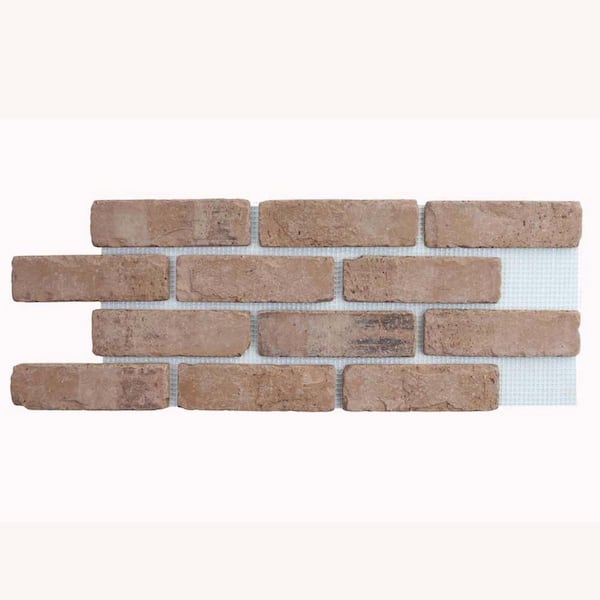
Masonry surfaces vary widely in texture and hardness. Brick walls are rough and porous, often requiring anchors that grip well. Concrete block (CMU) surfaces are hollow and need special fasteners that expand inside voids. Solid concrete is dense and demands heavy-duty anchors drilled into it. Each surface type influences the choice of fasteners and mounting methods for EMT. Correctly matching fasteners to masonry ensures a strong and lasting connection.

Credit: www.reddit.com
Anchors And Fasteners
Anchors and fasteners are essential for securing EMT conduit to masonry surfaces. They ensure the conduit stays fixed and stable. Proper fastening helps maintain electrical safety and code compliance. Different types of anchors and fasteners work best for various masonry materials and installation needs.
Listed Anchors For Masonry
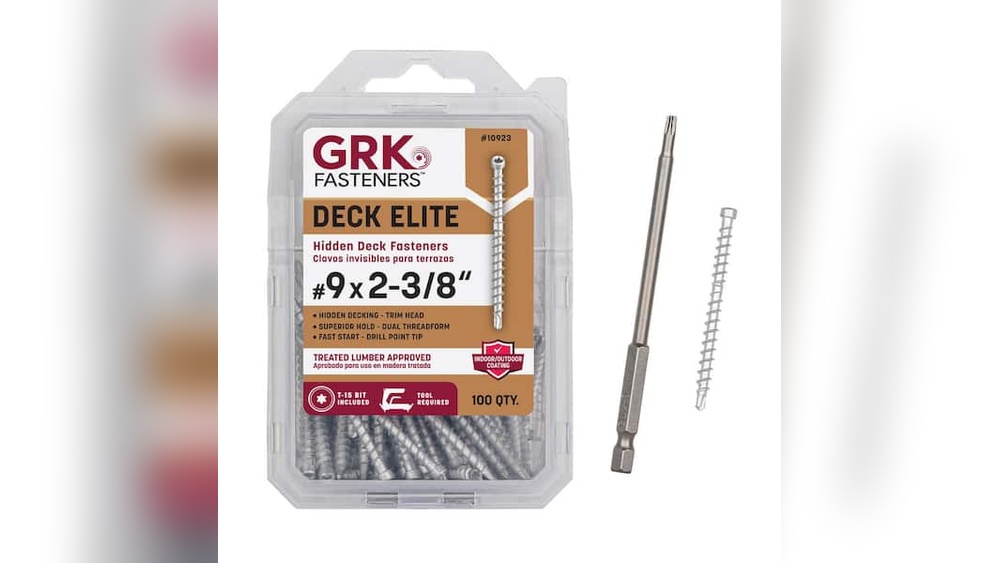
Listed anchors are designed and tested for masonry use. These anchors provide strong holding power in bricks, blocks, and concrete. They meet safety standards and electrical codes. Common types include sleeve anchors, wedge anchors, and expansion anchors. Using listed anchors prevents conduit movement and damage over time.
Choose anchors that fit the masonry type and conduit size. Installation requires drilling a hole and inserting the anchor. Tighten the anchor to secure it firmly in place. Listed anchors ensure a reliable and durable attachment for EMT conduit.
Emt Straps And Clamps
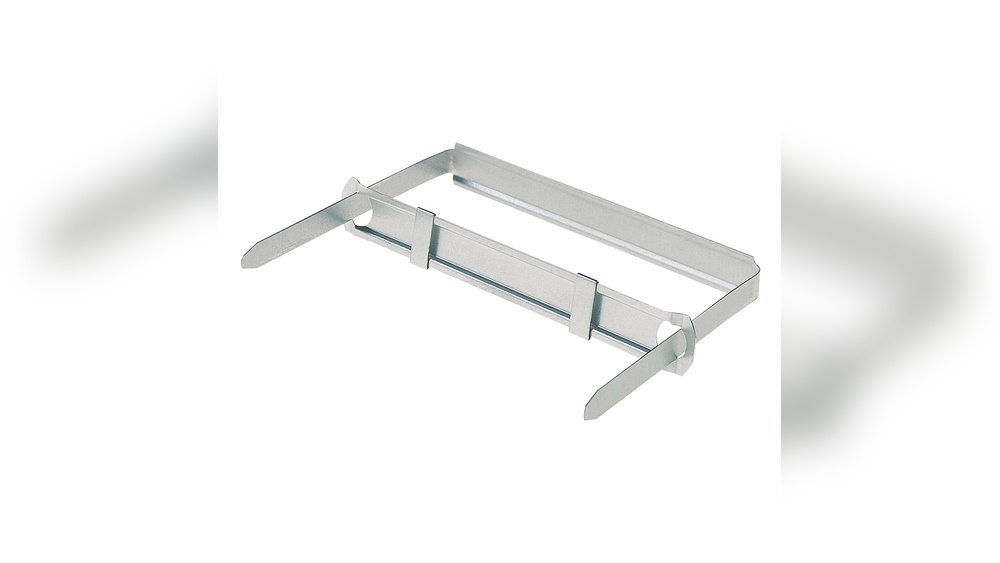
EMT straps and clamps hold the conduit tightly against the masonry. They come in various sizes to fit different conduit diameters. Straps wrap around the conduit and fasten to the wall with anchors or screws. Clamps offer a more secure grip and often include cushioned inserts to protect the conduit.
Metal straps resist corrosion and provide long-lasting support. Properly installed straps and clamps prevent conduit vibration and sagging. Ensure each fastener is tight and positioned according to electrical codes for safety and performance.
Concrete-tight Fittings
Concrete-tight fittings play a critical role in fastening EMT conduit to masonry. These fittings create a secure seal between the conduit and the concrete or masonry surface. This seal stops moisture and wet concrete from entering the conduit. They also ensure the electrical system remains safe and functional. Using concrete-tight fittings is essential for durability and compliance with electrical codes.
Importance Of Concrete-tight Rating
Concrete-tight rating means the fitting can resist wet concrete and moisture. This rating is vital for installations embedded in masonry or concrete. Without it, water or wet concrete can enter the conduit. This can cause corrosion or electrical faults. Concrete-tight fittings maintain the integrity of the conduit system. They also help meet safety standards and local electrical codes.
Preventing Moisture Ingress
Moisture can damage electrical wiring inside EMT conduit. Concrete-tight fittings stop moisture from leaking inside the conduit. They have seals or gaskets to block water entry. This prevents corrosion and short circuits. Properly installed concrete-tight fittings protect the electrical system in wet or buried locations. This makes the installation safer and longer-lasting.
Credit: www.homedepot.com
Assembly Techniques
Assembly techniques play a crucial role in fastening Electrical Metallic Tubing (EMT) to masonry surfaces. Proper assembly ensures durability, safety, and code compliance. It requires attention to detail and the use of the right components. Each connection must be secure to support the conduit and maintain electrical grounding. Below, we discuss key assembly techniques that electricians follow for fastening EMT to masonry.
Tight Couplings And Connectors
Couplings and connectors join EMT sections and attach the conduit to walls. They must fit tightly to prevent movement and protect wires inside. Loose fittings can cause mechanical stress and damage. Use connectors listed for masonry applications to ensure strong, reliable joints. Tight assembly also prevents dirt and moisture from entering the conduit system. This keeps the wiring safe from corrosion and electrical faults. Proper tightening helps maintain the conduit’s position on the masonry surface.
Maintaining Ground-fault Path
The grounding path is essential for electrical safety. All EMT connections must be tight to allow fault current to flow freely. This prevents electrical shock or fire hazards during faults. When fastening EMT to masonry, use fittings rated for concrete-tight applications. These fittings block moisture and maintain the continuity of the ground path. A secure ground-fault path protects both people and equipment. Proper assembly techniques ensure the electrical system remains safe and compliant with codes.
Corrosion Protection
Corrosion protection is vital when fastening EMT to masonry. Masonry environments often expose conduit to moisture. Moisture can cause rust and degrade the metal over time. Protecting EMT ensures safety and longevity of electrical systems. Proper corrosion resistance reduces maintenance needs and avoids costly repairs.
Galvanized Emt Use
Galvanized EMT has a zinc coating to prevent rust. The coating acts as a barrier against moisture and air. It is ideal for damp or outdoor masonry installations. Using galvanized EMT reduces corrosion risks significantly. This type of conduit lasts longer in harsh conditions. It is a common choice for masonry fastening.
Supplementary Protection Options
Extra protection may be needed in very wet or corrosive areas. Applying a protective paint or sealant over the EMT helps. Plastic or rubber sleeves can also shield the conduit. These options block moisture and chemicals from reaching the metal. They extend the life of the EMT beyond the galvanized layer. Choose supplementary methods based on the environment.
Local Code Considerations
Local building codes set rules for corrosion protection. They may require specific materials or coatings for EMT. Some codes demand concrete-tight fittings to keep moisture out. Inspectors check if corrosion safeguards meet local standards. Always verify code requirements before installation. Following codes ensures safety and compliance in masonry fastening.
Installation In Wet Locations
Installing Electrical Metallic Tubing (EMT) in wet locations requires special care. Moisture can damage electrical systems and create safety risks. Proper fastening to masonry in these areas must follow strict rules. This ensures the conduit remains secure and protected from water intrusion.
Fitting Requirements
Use fittings rated for wet locations only. Standard fittings do not stop water from entering. Concrete-tight fittings are essential where EMT passes through masonry. These fittings prevent moisture from seeping into the conduit. Tight assembly of all connectors is necessary. Loose fittings can cause gaps and allow water inside. Make sure all couplings are securely made up. This maintains a continuous ground path and prevents electrical faults.
Moisture Prevention Strategies
Seal all conduit entries carefully to block water. Apply waterproof sealant around masonry penetrations. Use corrosion-resistant materials to extend conduit life. Check local codes for additional corrosion protection rules. Avoid trapping water inside the conduit system. Proper slope and drainage can help keep EMT dry. Inspect regularly for signs of moisture or damage. Early detection prevents costly repairs and hazards.
Direct Burial And Masonry
Direct burial and masonry present unique challenges for fastening Electrical Metallic Tubing (EMT). EMT must be secured firmly to masonry surfaces while ensuring protection against moisture and soil conditions. Proper fittings and installation methods help maintain safety and durability in these environments.
Direct Burial Rated Fittings
Fittings used with EMT in direct burial must be rated for concrete tightness. This prevents wet concrete and moisture from entering the conduit. Standard fittings without this rating can allow water infiltration, leading to corrosion or electrical faults.
Concrete-tight fittings create a seal that protects the conduit system. They maintain a continuous ground path, which is crucial for electrical safety. Tight assembly of couplings and connectors ensures this protection works effectively.
Protection In Soil Contact
Soil contact exposes EMT to moisture and corrosive elements. Direct burial requires fittings that resist corrosion and mechanical damage. In some areas, additional protective coatings or sleeves may be needed.
Local electrical codes often specify extra corrosion protection. This helps extend the life of EMT buried near or in masonry. Proper protection reduces maintenance and improves system reliability.
Code Compliance
Code compliance is crucial when fastening Electrical Metallic Tubing (EMT) to masonry. It ensures safety, durability, and proper function of electrical systems. Following the correct codes prevents hazards like electrical shocks and fire risks. Understanding relevant codes helps installers choose the right materials and methods for securing EMT to masonry.
National Electrical Code Highlights
The National Electrical Code (NEC) sets standards for fastening EMT to masonry. EMT must be secured with listed straps or clamps suitable for masonry surfaces. Anchors used must be approved for concrete or brick applications. The NEC requires fittings to be concrete-tight when EMT is buried in masonry. This prevents moisture and wet concrete from entering the conduit. All connections must be tight to maintain a continuous ground-fault current path. In wet or corrosive areas, fittings must be rated for such conditions. Compliance with NEC rules ensures safe and reliable electrical installations.
Local Regulation Variations
Local electrical codes may add specific rules beyond the NEC. Some areas require extra corrosion protection for EMT in concrete or masonry. Inspection standards vary by city or state, affecting fastening methods. Always check local regulations before starting installation. Using locally approved anchors and fittings avoids costly rework. Local rules help address environmental factors like humidity and soil conditions. Adhering to these variations ensures full legal compliance and system safety.
Practical Tips For Secure Installation
Securing Electrical Metallic Tubing (EMT) to masonry requires attention to detail and the right tools. Proper fastening ensures safety and longevity. Use the correct anchors and straps designed for masonry surfaces. Tight connections prevent movement and protect wiring inside. Follow practical methods to avoid common problems and keep installations sturdy.
Best Practices For Fastening
Choose EMT straps listed for masonry use. Use anchors that match the masonry type, such as sleeve or wedge anchors. Drill holes carefully and clean out dust before inserting anchors. Tighten straps firmly to hold the conduit without crushing it. Space straps evenly, typically every 3 to 4 feet. Check that EMT runs straight and is well supported along its length. Use corrosion-resistant materials in damp or outdoor areas.
Common Installation Mistakes
Avoid using the wrong anchors or straps not made for masonry. Do not overtighten straps, which can deform EMT and damage wiring. Skipping dust removal from drilled holes reduces anchor grip. Space straps too far apart, causing conduit sagging. Neglecting corrosion protection leads to rust and failure. Failing to tighten connectors properly can break the grounding path. These errors reduce safety and cause costly repairs.

Credit: www.maxximastyle.com
Frequently Asked Questions
How Is Emt Fastened To Masonry Quizlet?
EMT fastens to masonry using EMT straps secured with listed anchors suitable for masonry. Straps ensure a tight, secure hold.
What Is The Nec Code For Securing Emt Conduit?
The NEC code for securing EMT conduit is Article 358. 30. It requires EMT to be fastened within 3 feet of each outlet box and every 10 feet thereafter. Use listed straps or clamps to secure EMT, ensuring a continuous grounding path and proper support.
Where Emt Type Conduit Is Buried In Masonry Or Concrete Fittings, Utilized Shall Be?
EMT buried in masonry or concrete must use concrete-tight fittings. All connections must be made up tight to ensure grounding. Use fittings rated for wet locations and provide corrosion protection per local codes.
Can Emt Be Used In Concrete?
EMT can be used in concrete if fittings are concrete-tight and corrosion protection meets code. Always check local regulations.
Conclusion
Fastening EMT to masonry requires proper straps and anchors rated for masonry use. Use concrete-tight fittings when EMT is embedded in concrete or masonry. Tight connections ensure safety and maintain grounding paths. Follow local codes for corrosion protection in harsh environments.
Proper installation prevents moisture entry and secures the conduit firmly. Understanding these steps helps keep electrical systems safe and compliant. Simple, correct fastening extends the life and reliability of EMT installations on masonry surfaces.