Are you struggling to measure self-ejecting quarter turn fasteners accurately? Getting the right measurements is crucial for ensuring these fasteners work perfectly in your projects.
If you don’t measure them correctly, you might face costly mistakes or delays. You’ll discover simple, step-by-step methods to measure these fasteners with confidence. By the end, you’ll have the skills to avoid common errors and choose the right fastener every time.
Keep reading to master this essential skill and make your work easier and more precise.
Types Of Self Ejecting Quarter Turn Fasteners
Self ejecting quarter turn fasteners come in several types. Each type has unique features for different uses. Knowing these types helps in choosing the right fastener for a project. This section explores the common designs, material choices, and applications of these fasteners.
Common Designs
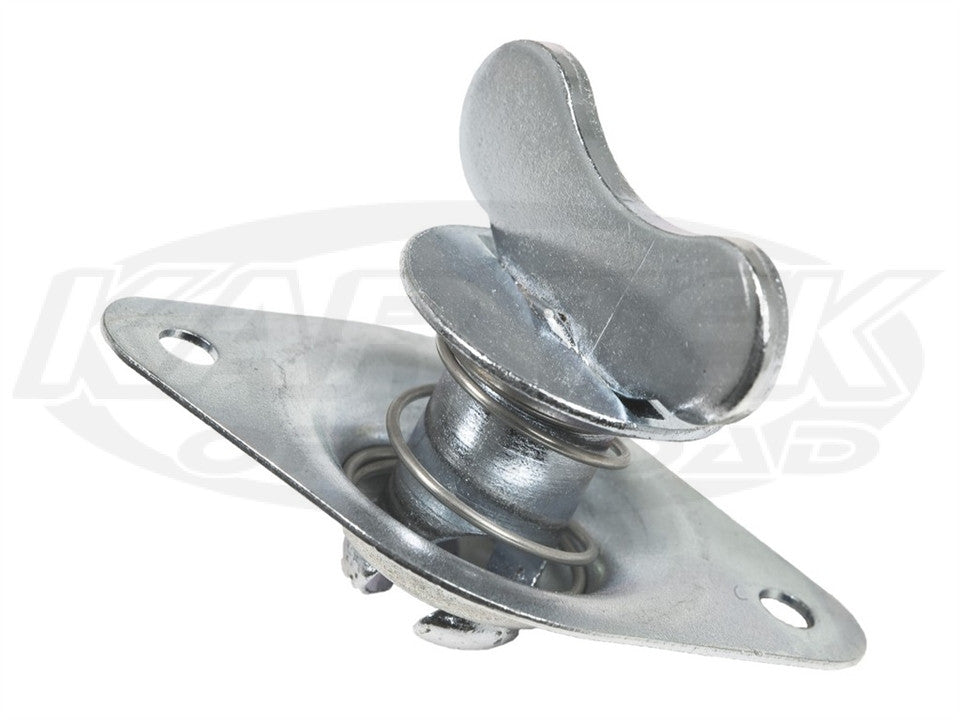
These fasteners often use a quarter turn mechanism. This design allows quick and easy locking or unlocking. Some have a push-to-release feature that ejects the fastener automatically. Others use a spring-loaded system to push the panel away. Designs vary by size, shape, and locking strength.
Material Variations
Fasteners come in many materials. Stainless steel offers strength and resists rust. Aluminum is lightweight and good for less heavy tasks. Plastic fasteners are cost-effective and resist corrosion. Choosing the material depends on the environment and load requirements.
Applications
These fasteners are common in electronics, automotive, and aerospace. They secure panels that need quick access. Machines and enclosures use them for easy maintenance. Their self ejecting feature saves time during repairs and inspections.

Credit: www.andymccoyracecars.com
Essential Tools For Measurement
Measuring self-ejecting quarter turn fasteners requires precise tools. Accurate measurement ensures the fastener fits and works properly. Using the right tools helps avoid errors and saves time. Here are the essential tools you need for accurate measurement.
Calipers And Micrometers
Calipers measure the external and internal dimensions of fasteners. They are versatile and easy to use. Micrometers provide even more precise measurements. Use micrometers for thickness and small diameter checks. Both tools are vital for checking fastener size and fit.
Thread Gauges
Thread gauges check the pitch and size of fastener threads. They ensure the threads match the required specifications. Using thread gauges prevents mismatched or loose fittings. These tools are key for maintaining proper thread quality.
Depth And Diameter Tools
Depth gauges measure the depth of holes or recesses for fasteners. Diameter gauges check the exact diameter of holes or shafts. These tools ensure the fastener fits securely without wobbling. They are important for precise fitting in assemblies.
Key Dimensions To Measure
Measuring self ejecting quarter turn fasteners correctly is important. The right dimensions ensure they fit well and work properly. Focus on key parts that affect size and function. These include the fastener’s head, thread, length, and ejecting mechanism. Understanding these helps in choosing or replacing fasteners with confidence.
Head Diameter And Height
Measure the head diameter across the widest point. This size affects how the fastener sits on the surface. Also, check the head height from base to top. It helps to know how much space the fastener occupies above the panel. Both sizes must match your requirements for proper installation.
Thread Size And Pitch
Thread size means the outer diameter of the threaded part. Pitch is the distance between each thread. These two affect how the fastener screws in and holds tight. Use a thread gauge or ruler to measure pitch carefully. Correct thread size and pitch prevent loosening and damage.
Fastener Length
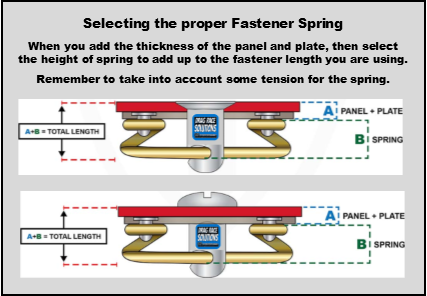
Length is the total distance from the fastener base to its tip. This measurement ensures the fastener reaches through the materials properly. Too short or too long fasteners can cause poor fit or damage. Measure length along the threaded part for accuracy.
Ejecting Mechanism Details
Check the design of the ejecting mechanism closely. Note the size and position of release tabs or springs. These affect how easily the fastener releases when turned. Measure any moving parts to ensure compatibility with your application. Proper ejecting details help maintain fastener function.
Step-by-step Measurement Process
Measuring self ejecting quarter turn fasteners is easy with the right steps. Follow this guide to get accurate measurements. Proper measurement ensures the fastener fits and functions well. Take your time and use the correct tools.
Preparing The Fastener
Start by cleaning the fastener. Remove dirt and grease for clear visibility. Place the fastener on a flat surface. Check for any damage or wear. Use a caliper or ruler for precise measurements.
Measuring The Head
Measure the diameter of the fastener head. Use a caliper for best results. Note the shape of the head, such as round or square. Measure the thickness from top to bottom. Record these numbers carefully.
Checking Thread Specifications
Look at the fastener’s threaded part. Measure the diameter of the thread. Count the number of threads per inch or millimeter. Check the thread pitch using a thread gauge. Write down all thread details for accuracy.
Assessing Ejection Features
Examine the ejection mechanism closely. Note the size and shape of any springs or pins. Measure the length and diameter of ejection parts. Check how far the fastener ejects when released. Record these measurements carefully for proper fit.
Common Measurement Challenges
Measuring self-ejecting quarter turn fasteners can be tricky. These small parts require precision. Many challenges arise during measurement that can affect accuracy. Understanding these problems helps achieve better results. Below are common challenges and tips to handle them effectively.
Dealing With Small Components
Small fasteners are hard to hold steady. They often slip or move while measuring. Use tweezers or a small clamp for stability. A magnifying glass helps see details clearly. Take your time to avoid mistakes.
Avoiding Measurement Errors
Errors can happen if the tool is not aligned right. Always use a calibrated caliper or micrometer. Measure from the correct points on the fastener. Double-check measurements to confirm accuracy. Record your results carefully for future reference.
Handling Damaged Fasteners
Damaged fasteners may have worn or bent parts. These flaws make it hard to measure dimensions correctly. Inspect the fastener closely before measuring. Avoid using damaged fasteners for critical applications. Note any damage in your measurement report.
Credit: racegearwa.com.au
Interpreting Measurement Data
Interpreting measurement data for self-ejecting quarter turn fasteners is key to ensuring proper fit and function. Accurate reading of dimensions helps avoid mistakes during installation or replacement. Understanding the numbers allows you to compare parts effectively and maintain system reliability.
Matching To Manufacturer Specs
Check all measurements against the manufacturer’s specifications. Look at length, diameter, and thread pitch carefully. Even small differences can cause poor performance or failure. Use the spec sheet as your guide to confirm if the fastener meets standards.
Ensuring Compatibility
Ensure that the fastener fits the intended application perfectly. Confirm compatibility with panel thickness and hole size. Matching size and type prevents damage to both the fastener and the equipment. Accurate data interpretation avoids costly errors.
Selecting Replacement Parts
Use your measurement data to find the right replacement part. Compare your readings with available parts to select the best match. Choose parts that meet or exceed original specs to maintain safety and durability. Correct selection extends the life of your assembly.
Maintenance Tips For Accurate Measurement
Measuring self-ejecting quarter turn fasteners needs care. Accurate results depend on how well you maintain your tools and fasteners. Poor maintenance can cause errors and waste time. Follow these tips to keep your measurements precise and reliable.
Tool Calibration
Check your measuring tools regularly. Calibration ensures tools give correct readings. Use standard calibration blocks or gauges. Mark the date of each calibration. Replace or repair tools that fail calibration tests. Regular calibration keeps measurements consistent and trustworthy.
Cleaning Fasteners
Dirt and debris can block accurate measurement. Clean fasteners before measuring. Use a soft brush or cloth to remove dust. Avoid harsh chemicals that can damage fasteners. Clean fasteners help tools grip better and measure correctly.
Storage Best Practices
Store fasteners and tools in a dry place. Moisture can cause rust and damage. Use labeled containers to keep parts organized. Avoid stacking fasteners to prevent bending or warping. Proper storage preserves quality and ensures precise measurement.
Credit: dragracesolutions.com
Frequently Asked Questions
What Tools Are Needed To Measure Quarter Turn Fasteners?
Use a caliper or micrometer for precise diameter measurement. A ruler can measure length and depth. A protractor helps gauge the turn angle. These tools ensure accurate sizing for self-ejecting quarter turn fasteners.
How Do I Measure The Diameter Of Fasteners?
Measure the fastener’s widest part using a caliper. Ensure the jaws touch the edges without squeezing. Record the measurement in millimeters or inches. This diameter is critical for matching the correct fastener size.
How To Check The Fastener’s Turn Angle?
Use a protractor or angle gauge to measure the turn. Align it with the fastener’s head and rotation path. Most quarter turn fasteners rotate 90 degrees. Accurate angle measurement ensures proper installation.
Why Is Measuring Fastener Length Important?
Length affects how the fastener fits and secures materials. Measure from the head base to the tip. Correct length prevents over-tightening or loose fastening. It ensures the fastener functions as designed.
Conclusion
Measuring self ejecting quarter turn fasteners is simple with the right steps. Focus on key parts like the head size and length. Use basic tools like calipers for accuracy. Take your time to get exact numbers. This helps ensure proper fit and function.
Accurate measurement avoids problems during installation. Practice these tips to improve your skills. Keep measurements clear and easy to read. This way, you save time and reduce errors. Understanding the process makes your work smoother and more efficient.