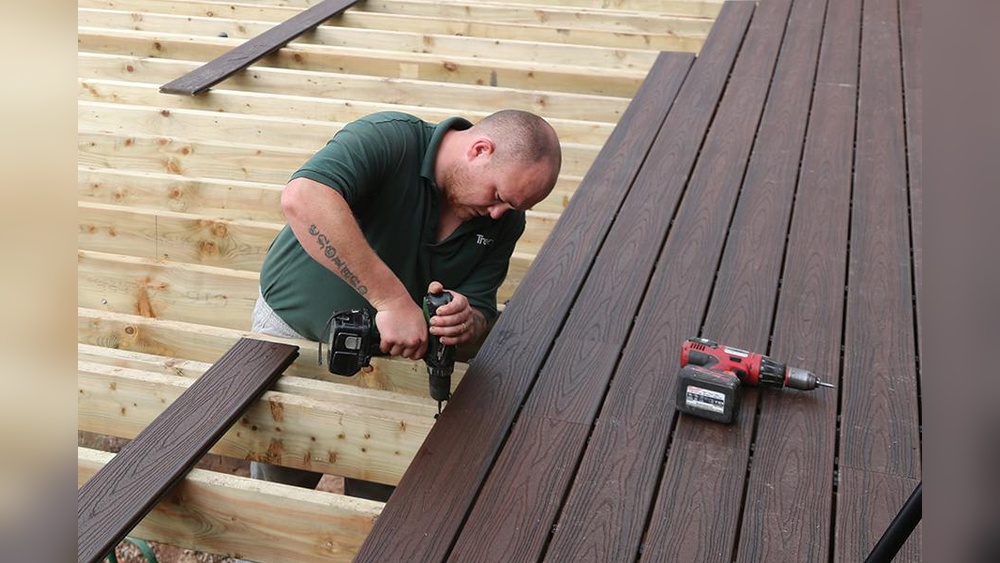
Are you ready to transform your outdoor space with a sleek, durable deck that looks great and lasts for years? Installing composite decking with hidden fasteners in the UK is a smart way to achieve a clean, professional finish without the hassle of visible screws or nails.
In this guide, you’ll discover simple, step-by-step instructions that make the process straightforward—even if you’re new to decking. By the end, you’ll have the confidence to create a stunning deck that not only boosts your home’s appeal but also gives you a relaxing spot to enjoy with family and friends.
Keep reading to unlock the secrets of perfect composite decking installation!
Choosing Composite Decking
Choosing the right composite decking is key to a successful installation. The material must suit your outdoor space and last for years. It should blend well with your home and handle the UK weather. Understanding different composite types helps you pick the best option. Colour and texture choices also affect your deck’s look and feel.
Types Of Composite Materials
Composite decking usually comes in two types: wood-plastic composite and capped composite. Wood-plastic blends wood fibres with plastic for strength. Capped composite adds a protective shell for extra durability. Both resist rot, splinters, and insects better than wood. Choose based on your budget and how much maintenance you want.
Benefits For Uk Climate
Composite decking handles rain, cold, and sun well. It does not warp or crack in wet weather. The materials resist fading even under strong sunlight. Composite decks drain water quickly, reducing slip risks. They stay safe and attractive through UK winters and summers.
Selecting The Right Color And Texture
Colour affects your deck’s style and warmth. Light colours keep your deck cool in summer. Dark colours hide dirt and stains better. Texture adds grip and mimics natural wood grain. Smooth finishes are easy to clean. Choose a look that matches your garden and home exterior.
Tools And Materials Needed
Installing composite decking with hidden fasteners requires the right tools and materials. Using proper equipment ensures a smooth and safe installation. Preparing everything before starting saves time and avoids mistakes.
Essential Tools List
- Measuring tape for accurate cuts
- Power drill for screws and fasteners
- Saw (circular or miter) to cut decking boards
- Rubber mallet to gently fit boards
- Spirit level to keep decking even
- Chalk line to mark straight cutting lines
- Screwdriver for manual adjustments
- Clamps to hold boards in place
Hidden Fasteners Types
Several hidden fasteners work well with composite decking. Some clip directly to the joists, while others fit between boards.
- Clip and screw systems attach boards securely
- Groove fasteners fit inside board grooves
- Spring clips allow for expansion and contraction
- Stainless steel fasteners resist rust and corrosion
Choose fasteners that match your decking brand and joist spacing.
Safety Equipment
- Safety glasses to protect your eyes
- Work gloves to guard hands
- Ear protection against loud tools
- Dust mask when cutting boards
- Non-slip shoes for stable footing
Wearing safety gear reduces risks and keeps you comfortable.
Preparing The Deck Base
Preparing the deck base is the first step to a strong composite deck. A solid base ensures your deck lasts long and stays safe. It also makes installing hidden fasteners easier. Take your time during this stage. Careful preparation prevents future problems.
Checking The Structure
Start by examining the existing deck frame or ground. Make sure it is stable and free from rot or damage. Look for loose or broken boards. Replace any weak parts before continuing. A strong structure supports the decking properly.
Installing Joists Correctly
Joists must be straight, level, and spaced evenly. Use treated timber to avoid decay. The usual spacing is 400mm to 600mm. This spacing supports the decking and hidden fasteners well. Secure joists firmly to the frame or ground.
Ensuring Proper Drainage
Good drainage prevents water damage and slippery surfaces. The deck base should slope slightly away from buildings. Leave gaps between joists for water to flow through. Avoid pooling water by keeping the area clear and clean.

Credit: www.youtube.com
Installing Hidden Fasteners
Installing hidden fasteners is a popular method for composite decking in the UK. It creates a clean, smooth surface without visible screws. This technique also helps prevent damage to the decking boards. Proper installation ensures a strong, lasting deck that looks neat and professional.
Positioning Fasteners
Start by placing the hidden fasteners along the joists. Space them evenly, usually every 30 to 40 cm. Align the fasteners with the groove of each board. This keeps the boards secure and straight during installation.
Securing The First Board
Fix the first board firmly to the joists using screws through the face. This board sets the line for the rest of the deck. Check it is straight and level before continuing. The hidden fasteners will hold the following boards in place.
Spacing Between Boards
Leave a small gap between each board for drainage and expansion. Use spacers or the fasteners themselves to keep this gap consistent. Proper spacing prevents warping and allows water to flow off the deck. This step is key for durability and appearance.
Laying The Composite Boards
Laying composite boards correctly ensures a strong and attractive deck. Pay attention to details for a smooth finish. This step shapes the deck’s look and durability. Follow clear steps to place each board properly.
Aligning Boards Perfectly
Start by placing the first board straight along the frame. Use a level or straight edge to check alignment. Keep equal spacing between boards for expansion. Small gaps help water drain and prevent warping. Check alignment often during installation.
Cutting Boards To Size
Measure the space carefully before cutting boards. Use a fine-toothed saw for clean, smooth cuts. Cut boards outside or in a well-ventilated area. Wear safety glasses and gloves for protection. Cut slowly to avoid splinters or damage.
Fixing Boards With Fasteners
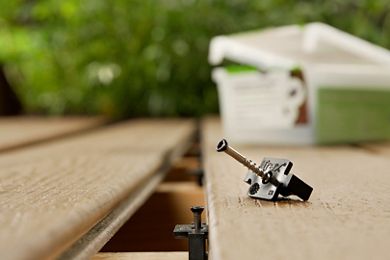
Attach boards using hidden fasteners designed for composite decking. These fasteners clip into the board edges and secure to the joists. Fasten boards firmly but avoid over-tightening. Check each board is tight and level before moving on. Hidden fasteners keep the surface smooth and safe.
Credit: uk.trex.com
Finishing Touches
Finishing touches give your composite decking a clean, polished look. These steps ensure the deck looks perfect and lasts longer. Focus on neat edges, secure fascia boards, and proper cleaning. This helps keep your deck safe and beautiful.
Trimming Edges Neatly
Trim edges carefully for a smooth finish. Use a fine-toothed saw or a sharp utility knife. Cut slowly to avoid splintering the boards. Check edges to keep them straight and even. Neat edges improve your deck’s overall appearance.
Installing Fascia Boards
Fascia boards cover the deck’s frame for a tidy look. Choose composite fascia to match your decking. Attach boards with hidden fasteners or screws. Ensure boards sit flush and align well. This step protects the deck’s structure and hides gaps.
Cleaning And Maintenance Tips
Keep your deck clean to extend its life. Sweep leaves and dirt regularly. Wash the surface with mild soap and water. Avoid harsh chemicals that can damage composite. Inspect for damage and repair quickly. Proper care keeps your deck looking new.
Common Installation Mistakes
Installing composite decking with hidden fasteners can be tricky for beginners. Many make simple mistakes that cause problems later. Knowing common errors helps avoid costly repairs. Focus on key areas like board warping, fastener issues, and surface preparation.
Avoiding Warping And Gaps
Warping happens when boards do not get proper support. Leave space between boards for expansion. Do not place boards too close. Use recommended fasteners to hold boards firmly. Check each board for straightness before installation. Warped boards cause uneven surfaces and gaps.
Preventing Fastener Failures
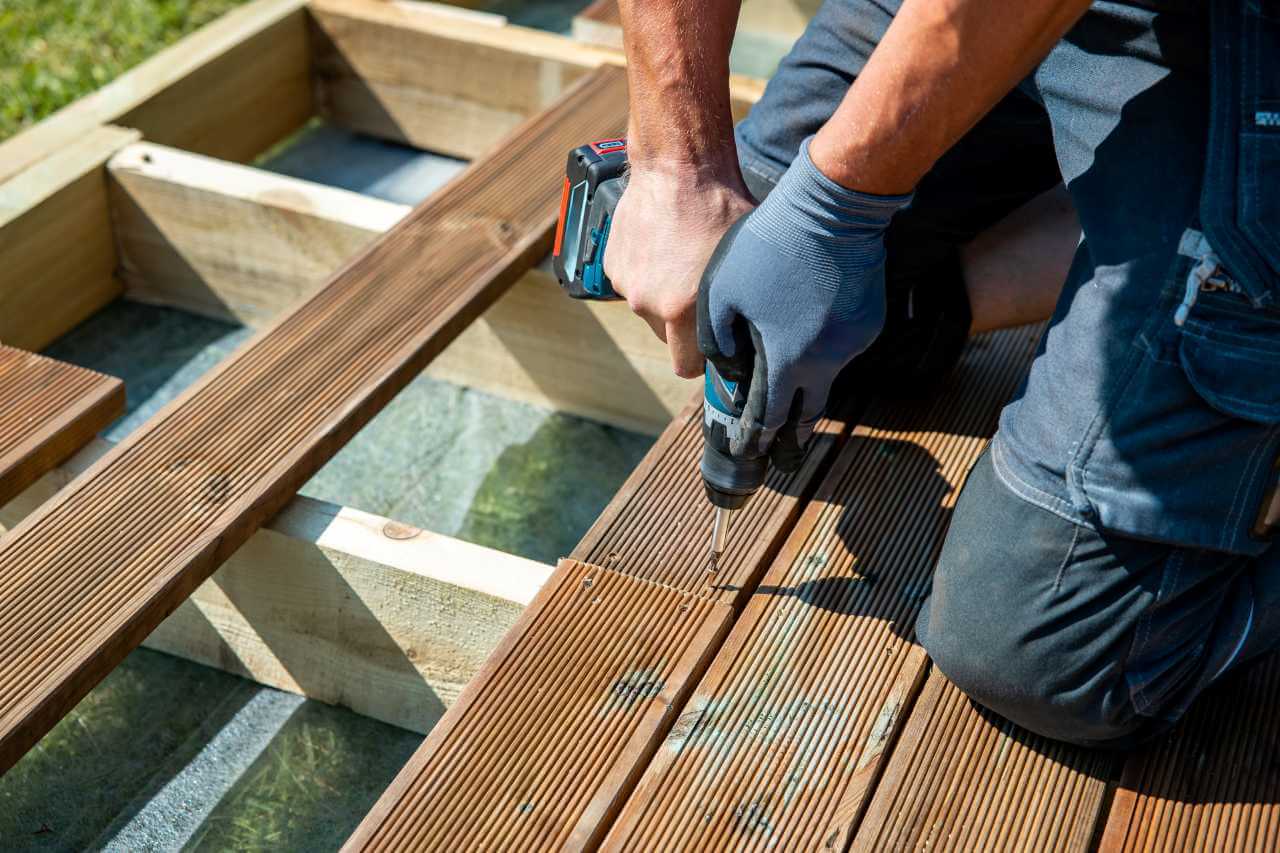
Fasteners can fail if they are wrong size or type. Use fasteners designed for composite decking. Avoid over-tightening fasteners; this can crack the boards. Ensure fasteners are hidden correctly to keep the deck smooth. Fastener failure leads to loose boards and safety hazards.
Dealing With Uneven Surfaces
An uneven base affects decking stability. Check the ground or joists before starting. Use shims to level low spots. Remove high spots or debris that cause bumps. Uneven surfaces cause boards to flex and wear out faster. Proper surface preparation makes the deck last longer.
Credit: www.dino.co.uk
Frequently Asked Questions
What Tools Are Needed For Hidden Fastener Installation?
You need a drill, composite decking screws, hidden fasteners, a tape measure, and a saw. Safety gear is also essential.
How Do Hidden Fasteners Work With Composite Decking?
Hidden fasteners secure decking boards without visible screws. They clip or screw into the board edges, creating a smooth surface.
Can I Install Composite Decking On Any Surface?
Composite decking works best on a sturdy, level frame made of wood or metal joists. Ensure proper drainage and ventilation.
How Long Does Installing Hidden Fasteners Take?
Installation time varies by deck size. Typically, a small deck takes one to two days with proper preparation.
Conclusion
Installing composite decking with hidden fasteners in the UK is simple. Follow each step carefully for a strong, neat deck. Hidden fasteners keep the surface smooth and safe to walk on. Use the right tools and materials for best results.
Take your time to measure and place fasteners correctly. Enjoy a clean, durable deck that lasts for years. This method improves your outdoor space without visible screws or nails. You can create a beautiful, easy-to-maintain deck that suits your home.
Start your project with confidence and enjoy the final look.