When you’re hanging something on your wall, you want it to stay put—no surprises. That’s where wall anchors come in.
But here’s something you might not know: a wall anchor is usually a one-time fastener. Once you’ve used it, it’s not meant to be reused. Why does that matter to you? Because reusing a wall anchor can weaken its grip, risking whatever you’ve hung.
Understanding this simple fact can save you time, money, and the frustration of falling shelves or pictures. Keep reading to discover why wall anchors work this way and how to get the best results every time you hang something on your wall.

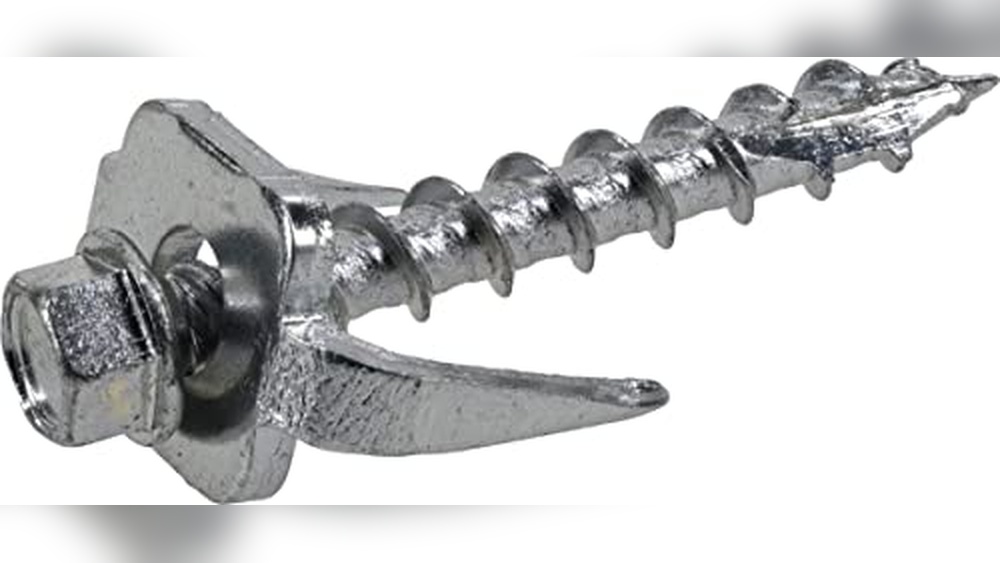
Credit: www.amazon.com
Wall Anchor Basics
Wall anchors play a key role in securing objects to walls. They provide extra support when the wall material alone cannot hold the weight. Understanding the basics of wall anchors helps in choosing the right type for your project.
Each wall anchor is designed for a specific purpose and material. Knowing how they work and their types makes installation easier and safer.
What Is A Wall Anchor
A wall anchor is a device used to hold screws in walls. It spreads the load over a larger area inside the wall. This prevents damage and holds heavier items securely.
Wall anchors are inserted into a drilled hole before the screw goes in. They provide a firm grip in drywall, plaster, or masonry. Most wall anchors cannot be reused once removed.
Common Types Of Wall Anchors
Plastic expansion anchors are popular for light loads in drywall. They expand as the screw is driven in to grip the wall.
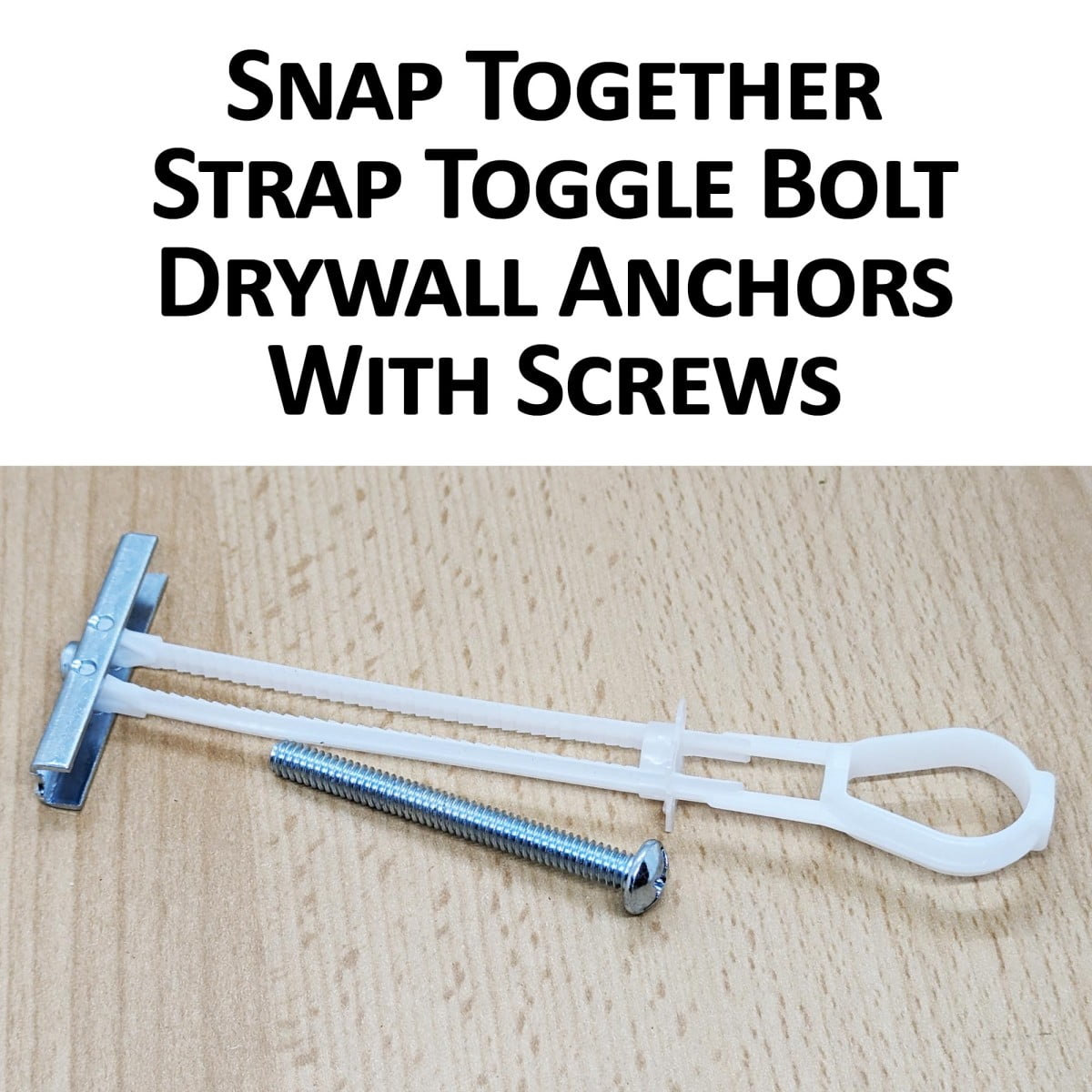
Toggle bolts have wings that open inside hollow walls. They hold heavy items by distributing weight over a wide area.
Molly bolts are metal anchors that expand inside the wall when tightened. They offer strong support for medium-weight objects.
Concrete anchors are designed for solid materials like brick or concrete. They create a secure hold by expanding inside drilled holes.
Credit: kovatera.com
One-time Use Design
Wall anchors are built for one-time use. Their design focuses on securing objects firmly the first time. After installation, they usually cannot be reused without losing strength or safety. This one-time use design helps ensure walls hold the load properly and safely.
How Wall Anchors Work
Wall anchors spread inside the wall to hold tight. When you insert a screw, the anchor expands. This expansion grips the wall material firmly. The anchor creates a strong base for the screw. It keeps the object stable and prevents it from falling.
Why They Are Single-use
Once a wall anchor expands, it changes shape. Removing it can damage the anchor or the wall. This damage reduces the anchor’s grip and strength. Reusing it can cause it to fail under weight. For safety, it is best to use a new anchor each time.
Materials And Mechanics
Wall anchors come in plastic, metal, or nylon. Plastic anchors expand by bending or splitting. Metal anchors may have wings or coils to grip the wall. Nylon anchors combine flexibility and strength. These materials work by creating friction and pressure inside the wall. This makes the anchor hold tight and resist pull-out.
Risks Of Reusing Anchors
Reusing wall anchors can cause serious problems. These fasteners are built to work once and then stay in place. Taking them out and trying to use them again reduces their ability to hold objects safely. It is important to know the risks involved in reusing anchors to avoid damage or injury.
Loss Of Holding Strength
When a wall anchor is reused, it often loses its grip inside the wall. The hole may become bigger or weaker. This makes the anchor less stable and less able to carry weight. As a result, objects can fall down unexpectedly.
Potential Safety Hazards
Using an old anchor can lead to accidents. Heavy items may fall, causing injury or damage. Loose anchors also create a risk for children and pets. Safety depends on a strong and secure fastener that works as designed.
Signs Of Anchor Damage
Check anchors for cracks, bends, or worn edges. If the anchor looks damaged or misshaped, it should not be reused. Also, if the anchor does not fit tightly in the wall, it is a clear sign of weakness. Replacing anchors is safer than risking failure.
Proper Installation Tips
Proper installation is crucial for wall anchors to work effectively. A poorly installed anchor may fail to hold weight or cause damage to your wall. Follow simple steps to ensure your wall anchor provides strong, lasting support.
Choosing The Right Anchor
Select an anchor suited to your wall type and the weight of the object. Drywall anchors differ from masonry anchors. Check the package for weight limits and material compatibility. Using the wrong anchor reduces holding strength and may cause failure.
Correct Drilling Techniques
Use the correct drill bit size to match the anchor. Too large a hole makes the anchor loose. Too small a hole can crack the wall or damage the anchor. Drill straight and steady for a clean hole. Avoid forcing the drill to prevent wall damage.
Ensuring Secure Placement
Insert the anchor fully into the hole until flush with the wall. Tap gently with a hammer if needed, but avoid bending or breaking it. Tighten screws carefully to expand the anchor inside the wall. Do not overtighten, as this can strip the anchor or damage the wall.
Alternatives To Single-use Anchors
Wall anchors are often single-use fasteners, designed to hold securely once. Removing them usually damages their grip or structure. This limitation creates the need for alternatives that provide flexibility and strength.
Choosing the right fastener depends on the project and material. Alternatives can save time, reduce waste, and improve safety.
Reusable Anchoring Solutions
Reusable anchors come in various forms, such as toggle bolts with removable sleeves. These anchors can be taken out and reinstalled without losing strength. They work well for temporary fixtures or items that need frequent adjustment. Using reusable anchors reduces wall damage and keeps the mounting secure over time.
Heavy-duty Fasteners
Heavy-duty fasteners include metal anchors and sleeve anchors designed for strong support. They hold heavy objects like shelves, cabinets, or large frames. These fasteners often require a drilled hole and provide a permanent, durable hold. Heavy-duty options are ideal for masonry or thick drywall where extra strength is needed.
When To Use Different Fasteners
Light objects like pictures or small shelves fit well with single-use anchors. For heavier items or frequent changes, reusable anchors offer a better choice. Heavy-duty fasteners suit permanent installations requiring maximum support. Matching fasteners to the wall type and weight ensures safety and durability.

Credit: simpleweld.com
Maintenance And Inspection
Proper maintenance and inspection of wall anchors ensure safety and reliability. Regular checks help spot issues early. This prevents accidents and damage. Understanding how to maintain and inspect anchors is important for long-term use.
Checking Anchor Integrity
Look for cracks or damage around the anchor. Test if the anchor feels loose or unstable. Use a screwdriver or similar tool to gently check its hold. Any movement can indicate a compromised anchor. Inspect the wall area for signs of wear or stress.
Replacing Worn Anchors
Remove anchors that show damage or looseness immediately. Do not reuse anchors that have been pulled out. Choose a new anchor suitable for the wall type and load. Install the replacement carefully following manufacturer instructions. This keeps the fastening secure and safe.
Preventing Failures
Do not overload anchors beyond their weight limit. Use the right anchor type for your wall material. Avoid removing and reinstalling the same anchor repeatedly. Regularly inspect anchors in high-use or heavy-load areas. Proper installation and care reduce the risk of failure.
Frequently Asked Questions
Is A Wall Anchor A One Time Fastener?
A wall anchor is generally a one-time fastener. Removing and reusing it can weaken its holding strength and safety.
Is A Wall Anchor A One Time Fastener Group Of Answer Choices True False?
True. A wall anchor is generally a one-time fastener, losing strength after initial use and not recommended for reuse.
What Is A Wall Fastener?
A wall fastener is a device that secures objects to walls. It provides stable support, often designed for one-time use only. Reusing it can reduce its holding strength and safety. Wall fasteners work well with drywall, concrete, or masonry surfaces to hold shelves, pictures, or fixtures securely.
What Type Of Fastener Uses The Anchor Itself As A Drill Bit?
The fastener that uses the anchor itself as a drill bit is called a self-drilling anchor. It drills into material while securing itself.
Conclusion
Wall anchors are made for single use only. Once installed, they hold objects firmly and safely. Removing an anchor often damages it, making reuse unsafe. For strong support, always use a new anchor. This ensures stability and prevents accidents. Remember, treating wall anchors as one-time fasteners keeps your walls secure.
Choose the right type for your wall and load. Proper installation matters more than reusing old anchors. Safety and strength come first when hanging items.