Have you ever struggled with your shoes slipping off or feeling too tight? The way you fasten your laces can make all the difference.
Lace fastening isn’t just about tying your shoes—it’s about finding the perfect fit and comfort for your feet. You’ll discover simple yet effective lace fastening techniques that can improve your shoe fit, boost your comfort, and even prevent pain. Keep reading to learn how a small change in your lacing can have a big impact on your daily comfort.
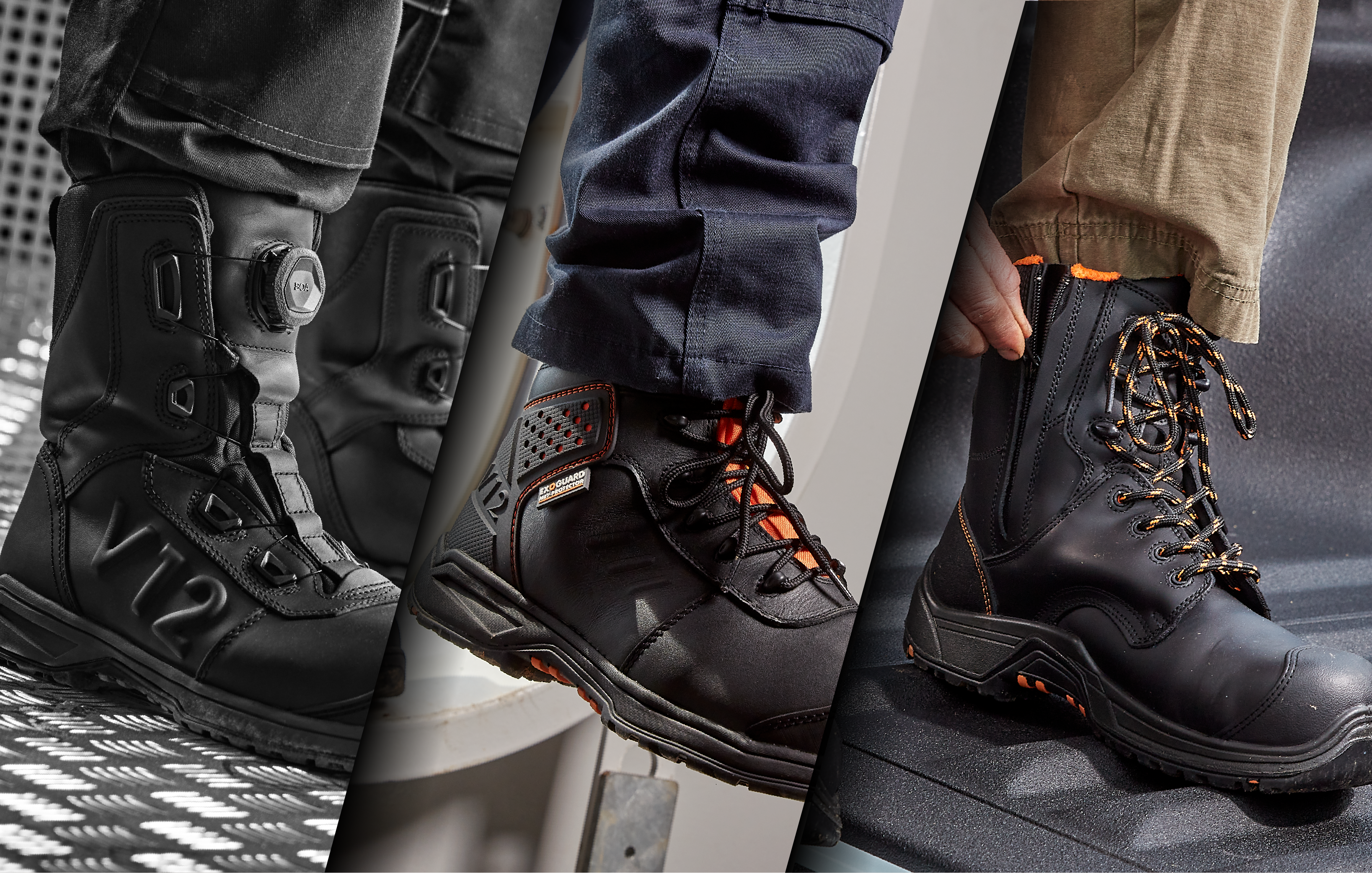
Credit: blog.v12footwear.com
Lace Fastening Basics
Lace fastening is a simple yet important way to secure shoes and clothing. It involves threading a lace through eyelets, hooks, or loops. This method keeps items tight and comfortable. The style and type of lace fastening can change the look and function of the item.
Understanding the basics helps in choosing the right lace for different needs. The type of lace, the material it is made from, and its use all matter. Each factor affects comfort, durability, and style.
Types Of Lace Fastenings
Lace fastenings come in many styles. The most common is the criss-cross pattern. Straight bar lacing offers a neat, clean look. Loop lacing is often used for quick tightening. Each type fits certain shoes or garments better.
Materials Used For Laces
Laces can be made from various materials. Cotton is soft and easy to tie. Polyester lasts long and resists water. Leather laces add a classic, stylish touch. Each material changes how the lace feels and works.
Common Uses In Fashion And Footwear
Lace fastenings are popular in shoes and clothing. Sneakers, boots, and dress shoes often use laces. Jackets and corsets also rely on lace fastening for fit. The lace style can make an outfit casual or formal.
Choosing The Right Lace
Choosing the right lace is key to making your garment look its best. The right lace adds beauty and supports the garment’s function. Picking lace involves more than just color. Consider the fabric type, lace texture, and how strong it needs to be. This helps you find lace that fits perfectly and lasts long.
Matching Lace Types To Garments
Different garments need different lace types. Fine lace works well with delicate fabrics like silk or chiffon. Heavy lace suits thicker fabrics such as denim or wool. Stretch lace fits activewear better because it moves with the body. Pick lace that matches the garment’s style and fabric for a neat finish.
Color And Texture Considerations
Color matching is important for a clean look. Choose lace color close to the garment’s shade. Contrast colors can add a bold touch but use them carefully. Texture also affects the garment’s feel. Smooth lace feels soft, while rough lace adds structure. Think about the look and feel you want before choosing lace.
Durability And Maintenance
Durable lace lasts longer and handles washing better. Check lace quality and thread strength. Some lace needs hand washing, while others can go in the machine. Choose lace that fits your care routine. Strong lace suits everyday wear. Delicate lace fits special occasions but needs gentle care.
Popular Lace Tying Techniques
Lace fastening is not just about holding shoes tight. It can change how your shoes look and feel. Different lace tying techniques offer unique styles and comfort. Some styles focus on neatness, while others add a decorative touch. Here are some popular lace tying methods you can try.
Standard Criss-cross
This is the most common way to lace shoes. The laces cross over each other in an X shape. It is simple and quick to do. It holds the shoe securely and fits most types of shoes. Perfect for everyday use and sports shoes.
Straight Bar Lacing
This style creates neat horizontal bars across the shoe. The laces run straight across without crossing. It looks clean and is easy to tighten. This method is great for work shoes or formal wear. It gives a tidy and stylish look.
Lattice And Decorative Knots
These styles are more creative and eye-catching. Lattice lacing weaves the laces in a crisscross pattern that looks like a net. Decorative knots add flair with special tying methods. These techniques make shoes stand out. Ideal for casual shoes or special occasions.

Credit: twolittlefeet.sg
Tips For Secure Fastening
Securing your laces properly helps keep your shoes comfortable and safe. Poor fastening can cause slipping, discomfort, or even injury. Simple methods improve lace hold and shoe fit. Use these tips to keep laces tight without pain.
Avoiding Slippage
Slipping laces cause frustration and loose shoes. Start by choosing laces with a textured surface. These grip better inside eyelets. Tighten laces evenly from bottom to top. Check for any loose spots and fix them. Stop slipping by ensuring the knot is snug and secure.
Adjusting Tightness For Comfort
Balance tightness and comfort carefully. Too tight causes pain; too loose leads to movement. Adjust laces by pulling gently on each side. Test walking to feel the fit. Loosen or tighten specific sections for pressure relief. Comfortable laces support your feet all day.
Double Knotting And Other Tricks
Double knotting prevents laces from coming undone. Tie a normal knot first, then add another on top. Use lace locks or elastic laces for extra hold. Tucking lace ends inside shoes reduces tripping risks. Small tricks make a big difference in lace security.
Styling With Lace Fastenings
Lace fastenings add charm and style to clothing and shoes. They offer many ways to express creativity. Styling with lace fastenings lets you personalize your look easily.
You can change colors, patterns, and textures with laces. Small details like these catch the eye and show your taste. Let’s explore simple ways to style with lace fastenings.
Adding Personality With Colors
Choose lace colors that match your mood or outfit. Bright colors bring energy and fun to your style. Soft pastels create a gentle, calm look. Dark shades add mystery and depth. Colorful laces make ordinary shoes or clothes unique.
Mixing And Matching Patterns
Combine different lace patterns for a fresh look. Stripes, polka dots, or florals can work well together. Keep one pattern dominant to avoid clutter. Mixing patterns shows confidence and creativity. It makes your outfit stand out in a crowd.
Using Laces As Fashion Statements
Use lace fastenings to draw attention to details. Bold laces can become the focus of your outfit. Try oversized or textured laces for extra style. Use laces with unique designs or materials. This turns simple clothes into fashion statements.

Credit: www.widerfitshoes.co.uk
Care And Maintenance
Proper care and maintenance keep your laces strong and looking good. Clean laces last longer and work better. Storing them right prevents damage. Knowing when to replace laces keeps your shoes safe and comfortable.
Cleaning Different Lace Materials
Different laces need different cleaning methods. Cotton laces can be washed with mild soap and water. Gently scrub with a soft brush to remove dirt. Synthetic laces dry quickly and resist stains. Use a damp cloth to wipe them clean. Leather laces need special care. Use a leather cleaner and conditioner to keep them soft. Avoid soaking leather laces in water.
Storage Tips To Prevent Damage
Store laces in a dry, cool place away from sunlight. Sunlight can fade colors and weaken fibers. Keep laces untangled by rolling or folding them neatly. Avoid storing laces in tight spaces where they can bend or break. Use small containers or bags to keep laces separate. This prevents knots and damage.
When To Replace Laces
Replace laces if they show signs of wear. Frayed ends or broken fibers mean laces are weak. If laces no longer hold knots, they need changing. Replace discolored or stiff laces to keep shoes looking fresh. New laces improve fit and comfort. Don’t wait until laces break during use.
Frequently Asked Questions
What Is Lace Fastening In Shoes?
Lace fastening is a method of securing shoes using laces. It involves threading laces through eyelets or hooks. This technique ensures a snug and adjustable fit for comfort and support.
Why Is Lace Fastening Important For Footwear?
Lace fastening provides a customizable fit, enhancing comfort and stability. It helps prevent slipping and supports foot movement. Proper lace fastening improves overall shoe performance and foot health.
How Do You Properly Fasten Laces?
To fasten laces properly, thread them evenly through all eyelets. Pull tight but avoid over-tightening. Tie a secure knot or bow to keep laces in place during wear.
What Types Of Lace Fastening Exist?
Common lace fastening types include crisscross, straight bar, and loop lacing. Each style offers different aesthetics and fit adjustments. Choosing the right type depends on shoe design and user preference.
Conclusion
Lace fastening is a simple way to secure shoes and clothing. It offers flexibility and a custom fit. Many types of lace fastenings suit different styles and needs. Understanding lace fastening helps you choose the right one. It also makes dressing easier and more comfortable.
Next time you wear laced shoes or garments, you will know why they work well. Lace fastening remains a useful and practical method for daily wear.