Have you ever wondered how your shoes, bags, or clothes stay securely fastened without using buttons or zippers? The answer lies in a simple yet clever invention called the hook and loop fastener.
This small but powerful tool can make your life easier in many ways—whether you’re organizing, crafting, or fixing things around the house. You’ll discover exactly what a hook and loop fastener is, how it works, and why it’s become a go-to solution for millions of people worldwide.
Ready to unlock the secret behind this everyday miracle? Keep reading, and you’ll never look at fasteners the same way again.
Hook And Loop Fastener Basics
Hook and loop fasteners are simple yet useful tools. They help join two surfaces quickly and securely. You can find them in clothes, shoes, bags, and many other items. Understanding their basics helps you see why they are so popular.
These fasteners are easy to use and can be opened and closed many times. They do not need buttons, zippers, or glue. This makes them very handy in daily life and various industries.
How It Works
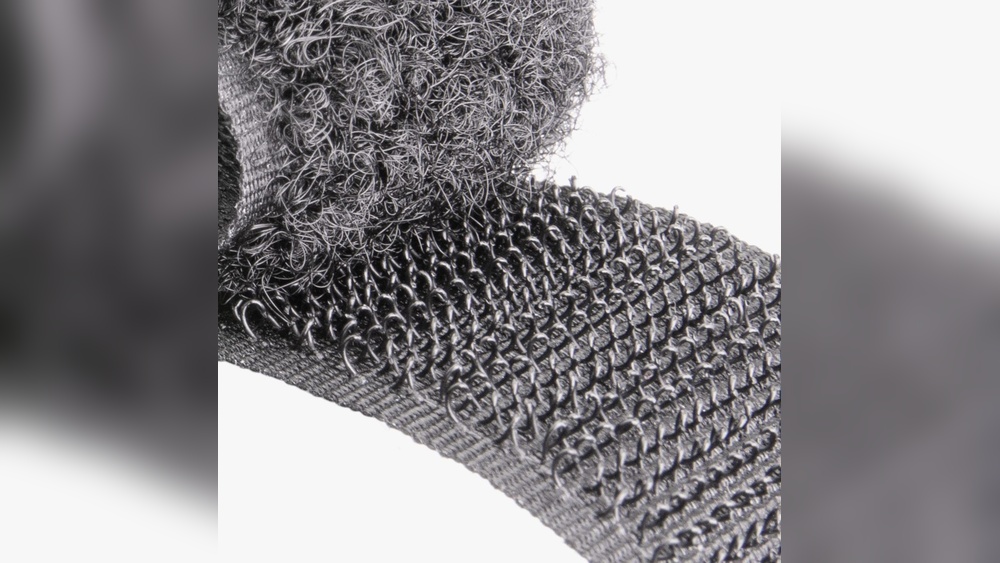
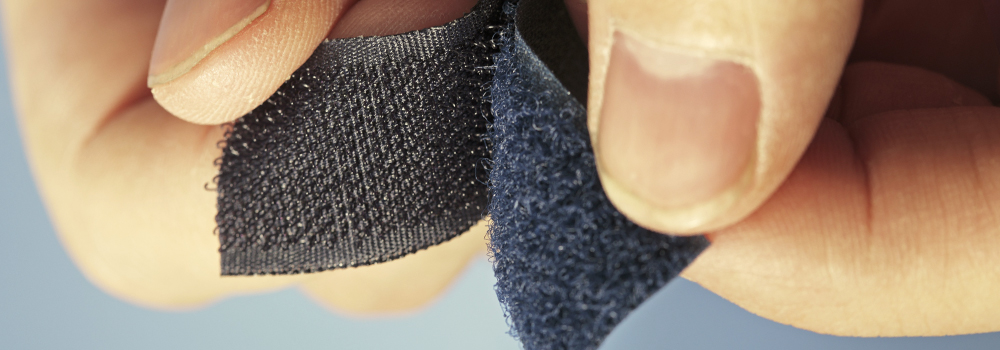
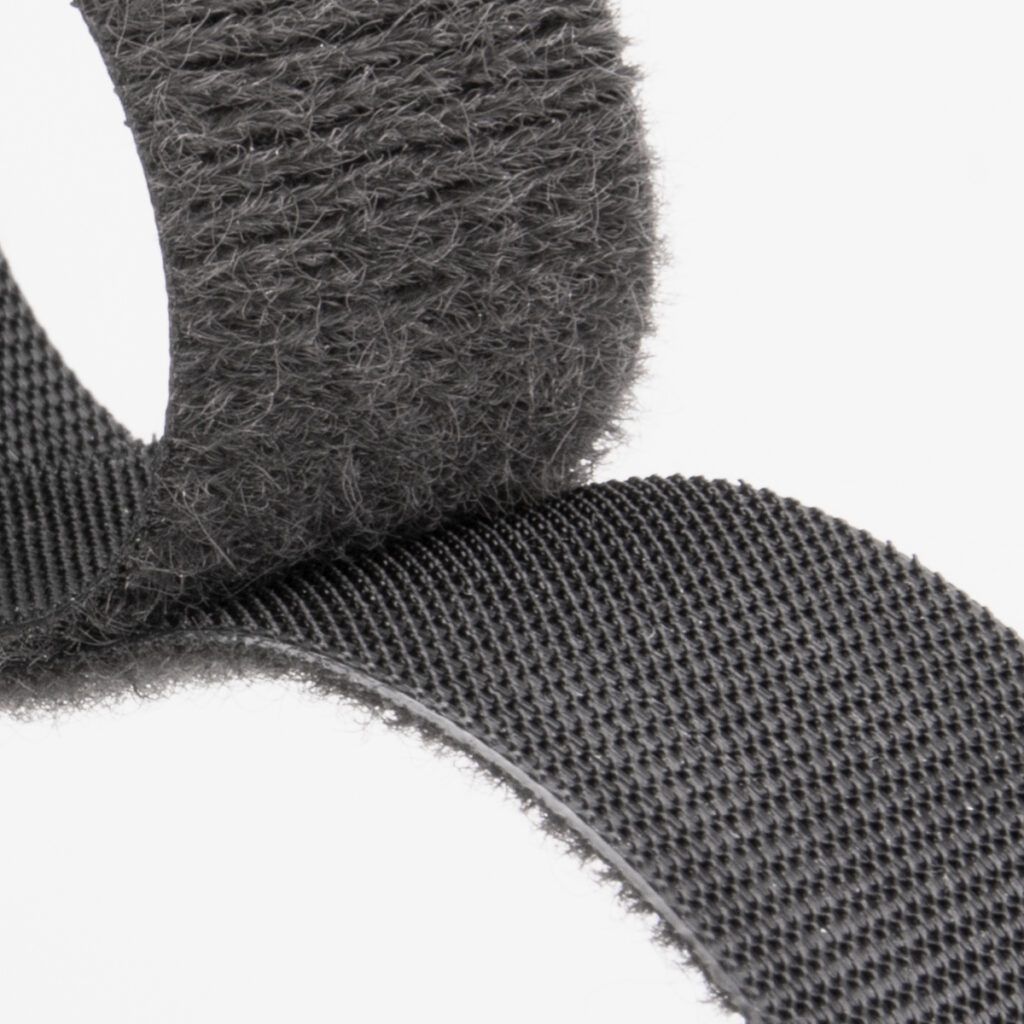
Hook and loop fasteners work by connecting two strips. One strip has tiny hooks. The other strip has small loops. When pressed together, hooks catch loops. This creates a strong bond. Pull them apart to open. The bond stays strong for many uses.
Types Of Fasteners
There are different types of hook and loop fasteners. Sew-on fasteners attach to fabric by sewing. Adhesive-backed fasteners stick to surfaces with glue. Heat-activated fasteners bond with heat. Each type fits different needs and materials.
Materials Used
Most fasteners are made of nylon or polyester. These materials are strong and flexible. They resist wear and tear well. Some fasteners use other plastics for special needs. The choice depends on use and environment.

Credit: en.wikipedia.org
Common Uses
Hook and loop fasteners are everywhere. They provide a quick and easy way to join two surfaces. Their design allows repeated opening and closing without damage. This makes them useful in many areas of life.
These fasteners are strong yet simple. They help keep things in place. People use them in clothes, homes, sports gear, and medical devices. Let’s explore some common uses below.
Clothing And Apparel
Hook and loop fasteners appear in shoes, jackets, and hats. Kids’ clothes often use them for easy dressing. They replace buttons and zippers in some items. This fastener is safe and convenient for all ages.
Home And Office
At home, these fasteners hold curtains, cushions, and rugs. In offices, they secure cables and organize supplies. They stick to walls and furniture without damage. This helps keep spaces tidy and neat.
Sports And Outdoors
Sports gear relies on hook and loop fasteners for quick adjustments. Gloves, helmets, and pads use them for fitting. Outdoor tents and backpacks also benefit from their strength. They resist dirt and water well.
Medical Applications
Hospitals use hook and loop fasteners on braces and bandages. They allow easy removal for checks or cleaning. The fasteners are gentle on skin and adjustable. This makes them ideal for patient comfort and care.
Benefits Of Hook And Loop
Hook and loop fasteners offer many benefits that make them popular. They provide a simple and reliable way to join materials. People use them in clothes, shoes, bags, and many other items. These fasteners save time and effort.
The following sections explain the key benefits of hook and loop fasteners.
Ease Of Use
Hook and loop fasteners are very easy to use. No tools or skills are needed. You just press the two sides together. To open, pull them apart. This quick action saves time. It works well for people of all ages.
Adjustability
These fasteners allow flexible fitting. You can adjust them many times. They hold firmly at any point along the strip. This makes them perfect for items that need size changes. Shoes and wristbands benefit from this feature the most.
Durability
Hook and loop fasteners last a long time. They can be opened and closed thousands of times. The materials resist wear and tear. They work well in different weather conditions. This durability makes them cost-efficient over time.
Cost Effectiveness
These fasteners are affordable to produce. They reduce the need for buttons or zippers. This lowers manufacturing costs. Their long life means fewer replacements. Many businesses choose them to save money and time.
Choosing The Right Fastener
Choosing the right hook and loop fastener is important for a strong and lasting hold. Different fasteners suit different projects and materials. Knowing what to pick helps avoid problems like weak bonds or damage to surfaces.
Size And Strength
Fasteners come in many sizes and strengths. Small fasteners work well for light items like clothing or crafts. Large, heavy-duty fasteners hold bigger objects like tools or sports gear. Consider the weight and use of your item before choosing a fastener.
Strength matters for safety and durability. Strong hook and loop fasteners resist pulling and stay secure over time. Check product labels for strength ratings or tests. Pick a fastener that matches the force it must handle.
Adhesive Types
Many hook and loop fasteners have adhesives on the back for easy sticking. Some adhesives work better on smooth surfaces like glass or metal. Others suit rough or textured surfaces like fabric or wood.
Permanent adhesives form a strong, lasting bond. Removable adhesives let you reposition or remove the fastener without damage. Choose the adhesive type based on your project’s needs and how long the fastener should stay in place.
Environmental Considerations
The environment affects fastener performance. Heat, moisture, and dirt can weaken adhesives and hooks. Fasteners designed for outdoor use resist water and UV rays. They keep holding tight even in harsh weather.
Think about where you will use the fastener. Indoor fasteners may fail outside. Choose fasteners that match the conditions to ensure lasting results.
Maintenance And Care
Proper maintenance and care keep hook and loop fasteners working well. Dirt and debris can reduce their grip and make them less effective. Simple cleaning and careful handling help maintain their strength and usability. Regular care extends their life and saves money.
Cleaning Tips
Remove dirt by brushing the fastener gently. Use a soft brush or a clean toothbrush. Avoid harsh chemicals that damage the material. Wash with mild soap and warm water if needed. Let it air dry completely before use. Avoid using a dryer or direct heat.
Extending Lifespan
Fasten the hooks and loops before washing or storing. This prevents snagging and damage. Store in a dry, cool place away from direct sunlight. Avoid overloading the fastener with heavy items. Replace fasteners that lose grip to keep items secure. Treat your fasteners gently for long-lasting use.
Credit: www.displays2go.com
Innovations And Trends
Hook and loop fasteners have come a long way since their invention. New ideas and trends keep improving their use and impact. These changes focus on better materials and smarter designs. The goal is to meet modern needs and protect the planet.
Eco-friendly Options
Many companies now make hook and loop fasteners with recycled materials. These options reduce waste and save resources. Some fasteners use organic fibers instead of plastic. This change lowers pollution and helps nature.
Biodegradable fasteners also grow in popularity. They break down naturally after use. This feature reduces landfill problems. Eco-friendly fasteners work well without harming the environment.
Smart Fasteners
Smart fasteners use new technology to improve function. Some include sensors that detect pressure or position. These fasteners can alert users if they are loose or worn. This innovation adds safety in many products.
Others connect with devices for easy control. For example, they can open with a smartphone app. Smart fasteners make everyday tasks simpler and safer. They show how technology enhances traditional designs.
Credit: www.velcro.com
Frequently Asked Questions
What Is A Hook And Loop Fastener?
A hook and loop fastener is a two-part fabric fastener. One side has tiny hooks, and the other has loops. When pressed together, they create a secure bond. It is reusable, adjustable, and widely used in clothing, shoes, and accessories.
How Does Hook And Loop Fastener Work?
The hooks catch onto the loops, creating friction. This friction holds the two sides together firmly. When pulled apart, the hooks release from the loops easily. This mechanism allows for quick fastening and unfastening without damage.
Where Are Hook And Loop Fasteners Commonly Used?
Hook and loop fasteners are used in clothing, footwear, sports gear, and medical devices. They are also popular in home organization, automotive interiors, and electronics. Their versatility makes them ideal for temporary or adjustable fastening needs.
Are Hook And Loop Fasteners Durable?
Yes, hook and loop fasteners are durable and long-lasting. They can endure thousands of fastening cycles. However, their lifespan depends on usage, material quality, and environmental conditions. Proper care can extend their effectiveness.
Conclusion
Hook and loop fasteners offer a simple and strong way to join materials. They work by connecting tiny hooks and loops that stick together firmly. These fasteners are easy to use, reusable, and come in many sizes and colors. You can find them in clothes, shoes, bags, and even home tools.
Their convenience makes daily tasks faster and easier. Understanding how they work helps you choose the right kind for your needs. Hook and loop fasteners keep things secure without fuss or tools. A smart choice for many projects and repairs.