Are you tired of controlling your light from just one spot? Imagine turning your lights on or off from two different places—sounds convenient, right?
Changing a one-way light switch to a two-way switch can make your daily routine easier and add more flexibility to your home. It might seem tricky at first, but with the right steps, you can do it yourself without calling an electrician.
In this guide, you’ll learn exactly how to make this simple upgrade safely and effectively. Keep reading to discover how you can brighten your space with just a few changes!
Tools And Materials Needed
Changing a one-way light switch to a two-way switch requires specific tools and materials. Having the right items makes the job easier and safer. Prepare all tools before starting the project. This section lists everything needed for the switch upgrade.
Essential Tools For The Switch Change
Gather a screwdriver set with flathead and Phillips tips. Use a voltage tester to ensure no electricity flows. Wire strippers help remove insulation from wires. Needle-nose pliers assist in bending and shaping wires. A drill may be needed for new holes in the wall.
Materials Required For The Installation
Buy a two-way light switch compatible with your wiring. Use electrical wires, typically 14 or 12 gauge, depending on your circuit. Wire connectors or wire nuts secure wire connections safely. Electrical tape provides extra insulation and protection. A wall plate will cover the switch for a clean finish.
Safety Gear To Protect Yourself
Wear insulated gloves to reduce shock risk. Safety glasses protect eyes from dust and debris. Use a flashlight or headlamp for better visibility in dark spaces. Ensure the power is off at the breaker before working.
Credit: www.electriciansforums.net
Safety Precautions
Changing a one way light switch to two involves working with electrical wiring. Safety must be the top priority. Taking the right precautions helps prevent accidents and injuries. Understanding basic safety steps ensures a smooth and secure process.
Turn Off The Power
Always switch off the power at the circuit breaker. Do not rely on the light switch alone. Use a voltage tester to confirm the power is off. This step protects from electric shocks.
Use Proper Tools
Use insulated tools designed for electrical work. Avoid metal tools without insulation. Proper tools reduce the risk of electric shock. They also make the job easier and safer.
Wear Safety Gear
Wear rubber-soled shoes and safety goggles. These protect against shocks and debris. Avoid loose clothing or jewelry that might catch wires. Safety gear is a simple way to stay safe.
Check For Damaged Wires
Inspect all wires for damage or wear. Replace any frayed or exposed wires before starting. Damaged wires increase the risk of shorts or shocks. Safe wiring ensures the switch works correctly.
Work In A Well-lit Area
Good lighting helps you see wires and connections clearly. It reduces mistakes and accidents. Use a portable lamp if the room is dark. Clear visibility is key to safety.
How One Way Switches Work
One way switches control a light from a single spot. Changing to a two way switch lets you control the light from two places. This involves adding a second switch and connecting wires correctly.
What Is A One Way Switch?
A one way switch controls a light from a single location. It turns the light on or off. This switch has two terminals for wires. It works by connecting or breaking the electric circuit.
How Does A One Way Switch Work?
Inside the switch, a small lever moves. This lever connects the wire to the power source or disconnects it. When the switch is ON, electricity flows to the light. When OFF, the flow stops, and the light goes out.
Why Use A One Way Switch?
One way switches are simple and easy to install. They are common in small rooms and hallways. They work well where you only need one control point for the light.
How Two Way Switches Work
Two way switches let you control one light from two places. Changing a one way switch to two involves adding a second switch and wiring them together. This setup helps control lights more easily in larger rooms or hallways.
Understanding Two Way Switches
Two way switches let you control one light from two places. This is useful in hallways or large rooms. You can turn the light on or off from either switch.
Each switch has three terminals. These terminals connect the switches and the light. The switches work together to control the flow of electricity.
How The Switches Connect
Wires connect the two switches. Two of these wires are called travelers. They carry current between the switches. The third wire connects to the light.
Electricity moves through these wires depending on the switch positions. This controls whether the light is on or off. The switches change the path of the current.
The Role Of Each Switch
Each switch can change the light’s state. Flipping one switch changes the current path. This either completes or breaks the circuit to the light. The other switch can do the same.
This setup lets you control the light from two locations. It adds convenience and safety in your home.
Preparing The Wiring
Preparing the wiring is a key step to change a one-way light switch to two-way. It ensures the switch works safely and correctly. This step involves checking wires, turning off power, and understanding the circuit.
Always start by cutting off power at the circuit breaker. This prevents electric shocks. Use a tester to check no current flows in the wires.
Identify Existing Wires
Look inside the switch box to see the wires. Usually, a one-way switch has three wires: live, neutral, and ground. Note their colors and positions. This helps to connect new wires properly.
Choose The Right Tools
Prepare wire strippers, a voltage tester, screwdrivers, and electrical tape. These tools help to handle wires safely and neatly. Using the right tools makes the job easier and safer.
Plan Wire Routing
Decide where the second switch will go. Plan how to run new wires between the two switches. Keep wires hidden inside walls or conduits for safety and looks.
Check Wire Length And Quality
Ensure wires are long enough to reach both switches. Use good quality wires to avoid problems. Replace damaged or old wires before starting the installation.

Credit: www.realpars.com
Removing The One Way Switch
Removing the one way switch is the first step in changing it to a two way switch. This process involves carefully taking out the old switch from the wall. Safety is the top priority during this step. Power must be turned off before any work begins.
Once the power is off, you can start removing the switch cover and screws. This will expose the wiring and the switch itself. Knowing how to handle wires safely helps prevent accidents and damage.
Turn Off The Power
Find the circuit breaker that controls the switch. Flip it to the off position. Use a tester to check the switch for power. Never skip this step.
Remove The Switch Cover Plate
Use a screwdriver to take out the screws on the cover plate. Carefully pull off the plate. This reveals the switch and wiring behind it.
Unscrew The One Way Switch
Remove the screws holding the switch to the wall box. Gently pull the switch out without touching wires. Keep the wires visible and organized.
Note The Wiring Setup
Look at how wires connect to the switch terminals. Take a photo or draw a diagram. This helps during the new switch installation.
Disconnect The Wires
Loosen the terminal screws to free the wires. Keep each wire separate to avoid confusion. Do not let wires touch each other.
Wiring The Two Way Switch
Changing a one-way switch to a two-way switch lets you control a light from two places. This involves adding extra wiring between switches. Careful steps make the process safe and easy to follow.
Understanding The Two Way Switch Wiring
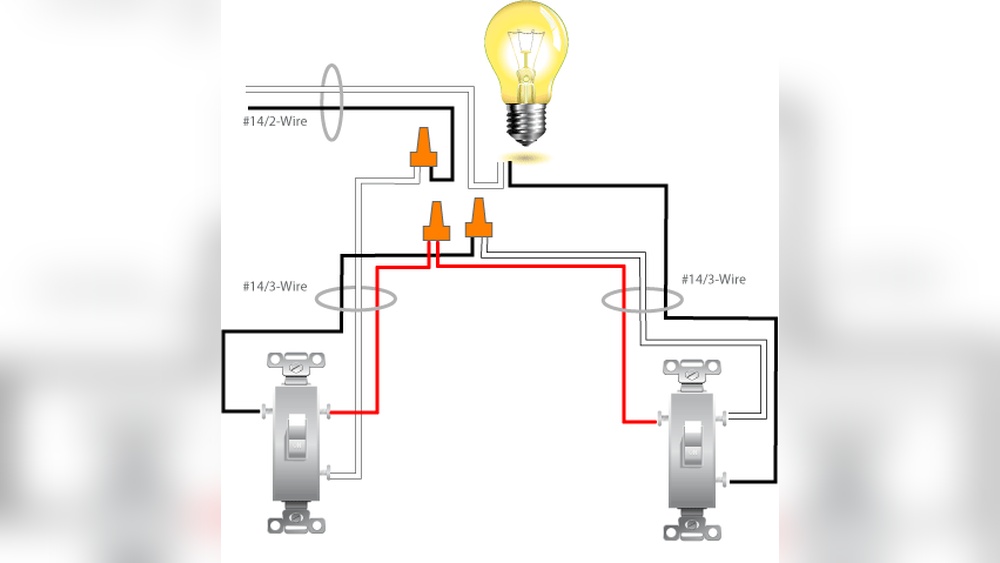
Wiring a two way switch requires careful attention. It controls a light from two different places. The wiring is different from a one way switch setup. You need to connect two switches with special wires called travelers. These wires carry current between switches.
Each two way switch has three terminals: one common and two travelers. The common terminal connects to the power source or the light. The traveler terminals connect the two switches together. This setup allows turning the light on or off from either switch.
Gather the right tools before starting. You need a screwdriver, wire stripper, voltage tester, and electrical tape. Use a two way switch and three-wire cable. The cable has a live wire, neutral wire, and a traveler wire. Safety gear like gloves and goggles is important too.
Step-by-step Wiring Process
Turn off the power at the breaker box. Check wires with a voltage tester to confirm power is off. Remove the old one way switch carefully. Identify the live wire and neutral wire in the box.
Connect the live wire to the common terminal on the new two way switch. Attach two traveler wires to the traveler terminals. Run the traveler wires to the second switch location. At the second switch, connect traveler wires to traveler terminals.
Connect the common terminal on the second switch to the wire going to the light. Secure all connections tightly. Cover terminals with electrical tape for safety. Mount switches back in the wall boxes. Restore power and test both switches to ensure proper function.

Credit: www.diynot.com
Installing The Second Switch
Installing the second switch is an important step in changing a one-way switch to two. It lets you control the light from two places, like both ends of a hallway. This process needs care and attention to wiring details.
Understanding the wiring and safe handling are key to a successful installation. Follow the steps closely for the best results.
Turn Off Power And Remove Existing Switch
First, switch off the power at the circuit breaker. Use a voltage tester to confirm no electricity flows. Remove the cover plate and screws from the current switch. Carefully pull the switch out from the wall box.
Run Cable To The New Switch Location
Next, install a cable from the first switch box to where you want the second switch. Use a 3-wire cable with ground for proper connections. Feed the cable through the wall and into the new switch box.
Connect Wires To The Second Switch
Strip the wires in the new box. Attach the common wire to the common terminal on the new switch. Connect the traveler wires to the traveler terminals. Secure the ground wire to the switch’s ground screw.
Secure Switch And Test Wiring
Push the wires back into the box carefully. Screw the second switch in place. Attach the cover plate. Turn the power back on and test both switches. The light should turn on and off from either switch.
Testing The New Setup
Testing the new setup is a key step after changing a one way light switch to two. It checks if the wiring works correctly. It also makes sure both switches control the light as planned. This step helps avoid electrical problems later.
Take time to test carefully. Safety first. Turn on the power and start testing each switch. Observe how the light responds. This confirms the success of your work.
Testing Power Supply And Connections
First, check if the power supply is active. Use a voltage tester on the wires. Ensure no wires are loose or disconnected. Proper connections are crucial for the switches to work.
Checking Each Switch Function
Flip the first switch on and off. Watch if the light turns on and off smoothly. Repeat this with the second switch. Both switches should control the light independently.
Verifying Both Switches Work Together
Test both switches in different positions. The light should respond to each switch change. This proves the two-way wiring is correct. Try switching one switch while the other is on.
Identifying And Fixing Issues
If the light does not respond as expected, double-check wiring. Look for crossed wires or loose connections. Correct any mistakes and test again. Safety is important, so do not rush this step.
Troubleshooting Common Issues
Troubleshooting common issues helps fix problems quickly. Changing a one way switch to two can have small challenges. Knowing what to check saves time and effort. This section covers typical problems and solutions for a smooth switch change.
Check The Power Supply
First, make sure the power is off. Use a voltage tester to confirm no electricity flows. A live wire can cause shocks or damage. Safety is the top priority.
Identify The Correct Wires
Finding the right wires is key. One way switches often have one live wire and one load wire. A two way switch adds traveler wires. Label each wire before disconnecting them.
Fix Loose Connections
Loose wires cause flickering or no power. Tighten all screws and wire nuts. Ensure wires are wrapped correctly around terminals. A solid connection improves switch function.
Replace Faulty Switches
Old switches may fail even if wired right. Test with a new two way switch. A bad switch stops the light from working. Replacement is often the simplest fix.
Check For Proper Grounding
Ground wires protect from electric shocks. Make sure the ground wire is connected to the switch frame. Missing grounding can cause safety risks and malfunction.
Frequently Asked Questions
How Do I Convert A One Way Switch To Two Way?
To convert, turn off power first. Then, add a second switch and wire it with traveler wires. Use a two-way switch setup to control one light from two locations safely.
What Tools Are Needed To Change The Switch Type?
You’ll need a screwdriver, wire stripper, voltage tester, and two-way switches. These tools help safely remove the old switch and install the new two-way switch setup.
Is It Safe To Change Switch Wiring Myself?
Yes, if you follow safety steps. Always turn off the power at the breaker. Use a voltage tester to confirm no electricity flows before touching wires.
Can I Keep The Same Wiring For Two Way Switches?
No, you must add traveler wires between switches. The existing wiring for one way switches lacks these connections, which are essential for two-way functionality.
Conclusion
Changing a one-way light switch to two is easier than it seems. Follow each step carefully for safety. Double-check your wiring before turning the power back on. Using the right tools helps avoid mistakes. This upgrade adds convenience to your home lighting.
Take your time and stay patient throughout the process. Soon, you will enjoy controlling lights from two spots. Simple changes can improve your daily comfort. Keep practicing basic electrical skills for future projects. Safety first, always.


