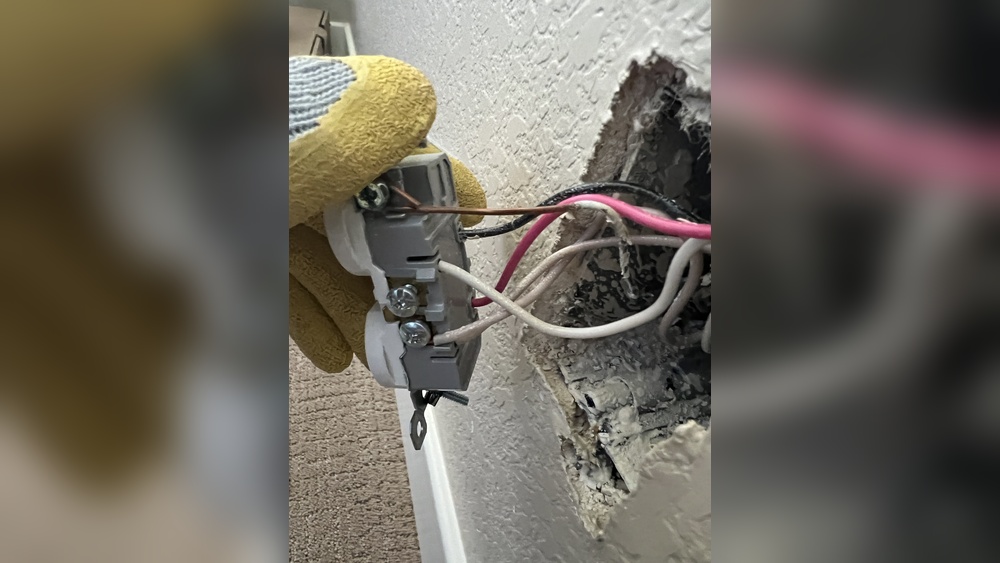
Are you ready to brighten up your space with a new light switch but don’t know where to start? Adding a light switch might sound tricky, but with the right steps, you can do it yourself quickly and safely.
Imagine controlling your lights exactly how you want, making your home more convenient and stylish. In this guide, you’ll find simple, clear instructions that anyone can follow—even if you have little experience. Keep reading, and by the end, you’ll have the confidence to add that new switch and transform your room effortlessly.
Tools And Materials Needed
Adding a new light switch is a simple project with the right tools and materials. Having everything ready makes the process smooth and safe. This section lists all the essentials for the job.
Basic Electrical Tools
You need a screwdriver set, including flathead and Phillips. Wire strippers help remove insulation without damaging wires. A voltage tester ensures power is off before you start. Needle-nose pliers assist in bending and shaping wires.
Materials For Installation
Get a new light switch that fits your needs. Electrical wires, usually 14 or 12 gauge, connect the switch. Wire nuts secure wire connections safely. Electrical tape helps insulate and protect connections.
Safety Gear
Wear insulated gloves to prevent electric shocks. Safety goggles protect your eyes from dust and debris. A flashlight or headlamp is useful if the room is dark. Always turn off power at the breaker before starting.
Safety Precautions
Safety is the top priority when adding a new light switch. Electricity can be dangerous if handled carelessly. Taking the right precautions protects you and your home. This section covers key safety steps for your project.
Turn Off The Power
Before starting, turn off the power at the circuit breaker. This stops electricity from flowing to the switch. Use a voltage tester to check if the wires are dead. Never trust the switch position alone.
Use Proper Tools
Use tools made for electrical work. Insulated screwdrivers and wire strippers reduce the risk of shock. Avoid using damaged or worn tools. Proper tools make the job safer and easier.
Wear Safety Gear
Wear rubber-soled shoes and safety glasses. Gloves can protect your hands from sharp wires. Avoid loose clothing that can catch on wires or tools. Safety gear helps prevent injuries.
Work In A Dry Area
Make sure the work area is dry. Wet surfaces increase the risk of electric shock. If the area is damp, wait until it dries or use a fan. Never work with electricity near water.
Follow Local Electrical Codes
Check local rules before starting work. Electrical codes ensure safe installation. Using the correct materials and methods avoids hazards. Following codes protects your home and family.
Turn Off Power
Turning off power is the first and most important step before adding a new light switch. It protects you from electric shocks. It also prevents damage to your electrical system. Always take this step seriously to stay safe.
Power can be turned off at the circuit breaker or fuse box. Make sure you know which switch controls the area you will work on. Double-check to avoid accidents and mistakes.
Locate Your Circuit Breaker
Find your home’s circuit breaker box. It is usually in a basement, garage, or utility room. The box contains switches that control power to different parts of your home. Each switch is labeled for easy identification.
Switch Off The Correct Breaker
Identify the breaker for the room where you will install the light switch. Flip the breaker to the “off” position. This stops electricity from flowing to that area. It makes your work safer.
Test The Power Is Off
Use a voltage tester or a simple lamp to check power status. Plug the lamp into the outlet or test the wires with the tester. No light or no voltage means power is off. Confirm this before you start any wiring.
Inform Others In Your Home
Tell everyone in your home that you turned off the power. This prevents someone from turning it back on by mistake. Safety is a shared responsibility.
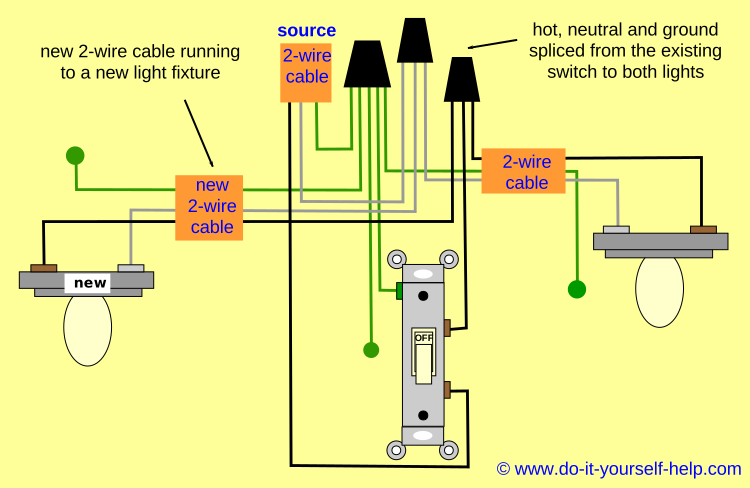
Credit: www.do-it-yourself-help.com
Remove Old Switch
Removing the old light switch is the first step in installing a new one. It is important to do this safely and carefully. Follow the right steps to avoid any electrical hazards. This section will guide you through the process of removing the old switch.
Turn Off Power At The Circuit Breaker
Start by switching off the power to the light switch from the circuit breaker. This step is crucial for your safety. Use a voltage tester to confirm that the power is off before touching any wires.
Remove The Switch Cover Plate
Unscrew the cover plate with a screwdriver. Keep the screws in a safe place. Remove the plate gently to expose the switch and wiring.
Unscrew The Old Switch From The Wall Box
Find the screws holding the switch to the wall box. Remove them carefully. Pull the switch out slowly to see the wires connected to it.
Disconnect The Wires From The Old Switch
Note the position of each wire before disconnecting. Loosen the screws or release the wires from the terminals. Keep the wires separated and avoid touching them together.
Identify Wiring
Start by turning off the power to avoid accidents. Find the wires connected to your old switch and note their colors. This helps you connect the new switch correctly and safely.
Understanding Different Wire Types
Identify the wires inside your electrical box first. Usually, you find three main types: live (hot), neutral, and ground wires. The live wire carries electricity to the switch. The neutral wire completes the circuit back to the power source. The ground wire ensures safety by preventing shocks.
Live wires are often black or red. Neutral wires are white. Ground wires are green or bare copper. Colors may vary by region. Use a voltage tester to check which wire is live. Never guess. Safety first.
Turn Off Power Before Inspecting
Always switch off the power from your circuit breaker. Confirm power is off with a voltage tester. Testing wires without cutting power risks electric shock. Touch the tester to each wire carefully. No light or sound means no power. Only then start identifying wires.
Use Tools To Identify Wires
A voltage tester helps find live wires. A continuity tester checks if wires connect properly. A multimeter measures voltage and continuity. These tools make identification safe and accurate. Use insulated gloves for extra safety. Label wires with tape and marker. This step helps during installation.

Credit: diy.stackexchange.com
Connect New Switch
Connecting a new light switch is a key step to control your lights safely. Follow clear instructions to make the process smooth and safe. Turn off the power at the breaker before starting. Use a voltage tester to confirm no electricity flows to the wires. Safety first.
Next, identify the wires in the wall box. Usually, you will see a black (hot) wire, white (neutral) wire, and a green or bare copper (ground) wire. The black wire carries power to the switch, the white wire completes the circuit, and the ground wire protects from shocks.
Prepare The Wires
Strip about half an inch of insulation from the end of each wire. Make sure the wires are clean and straight. Use wire strippers to avoid damaging the metal inside. Twist the exposed copper strands tightly to keep them neat.
Connect The Hot Wire
Attach the black (hot) wire to the switch’s brass or black screw. Wrap the wire clockwise around the screw. Tighten the screw firmly to hold the wire in place. This connection powers the switch.
Attach The Neutral Wire
Most switches do not connect to the white (neutral) wire. Instead, the neutral wires connect together inside the box using a wire nut. If your switch has a neutral terminal, connect the white wire to it. Check the switch instructions to be sure.
Secure The Ground Wire
Connect the green or bare copper ground wire to the green screw on the switch. If there is no ground screw, twist the ground wire to the box’s metal frame. This ensures safety by grounding the switch.
Final Checks
Double-check all wire connections for tightness and correct placement. Push the wires gently back into the box. Mount the switch to the wall and attach the faceplate. Turn the breaker back on and test your new switch.
Secure The Switch
Securing the light switch properly is vital for safety and function. A loose switch can cause sparks or fail to work. Follow simple steps to make sure the switch stays firm and safe in its place.
Attach The Switch To The Electrical Box
Start by placing the switch inside the electrical box. Align the screw holes on the switch with the holes on the box. Use a screwdriver to tighten the screws. Tighten until the switch feels steady but avoid over-tightening.
Check The Switch Position
The switch should sit flush with the wall surface. Make sure it is straight and not tilted. Adjust the screws if needed to keep it even. A well-positioned switch looks neat and works better.
Install The Switch Cover Plate
Place the cover plate over the switch. Align the screw holes on the plate with those on the switch. Insert the screws and tighten them gently. The cover plate protects the switch and hides the wiring.
Test The Switch Stability
After securing, gently wiggle the switch. It should not move or feel loose. If it does, tighten the screws a bit more. A stable switch ensures safe and reliable use.
Restore Power And Test
After installing a new light switch, restoring power and testing it is the final step. This step confirms that the switch works correctly and safely. It also helps spot any wiring issues early on.
Restore power carefully. Turn the circuit breaker back on. Check the switch for any signs of sparks or unusual sounds. Safety first.
Turn On The Circuit Breaker
Locate your electrical panel. Find the breaker labeled for the switch’s circuit. Flip the breaker to the ON position. This restores electricity to the switch.
Test The Light Switch
Flip the switch up and down. The light should turn on and off smoothly. If it does not, turn off the breaker and recheck wiring.
Check For Safety Issues
Listen for buzzing or humming sounds. Look for flickering or dim lights. These signs mean a wiring problem. Do not use the switch until fixed.
Troubleshooting Tips
Troubleshooting a new light switch can be simple with the right steps. Small issues often stop the switch from working. Checking these common problems helps fix the switch fast. Follow these tips to find and solve issues easily.
Check The Power Supply
Make sure the power is off before starting. Use a voltage tester to see if power is reaching the switch. No power means the circuit breaker might be off. Turn it back on and test again.
Inspect The Wiring Connections
Loose or wrong wires cause the switch not to work. Look at each wire and tighten any loose screws. Confirm the wires match the switch terminals as per instructions. Correct wiring ensures the switch functions properly.
Test The Switch Itself
A faulty switch can stop the light from working. Use a multimeter to check the switch’s continuity. Replace the switch if the test shows no connection inside. New switches are usually inexpensive and easy to install.
Look For Damaged Components
Damaged wires or parts can cause problems. Check for frayed wires or burn marks near the switch. Replace any damaged parts before testing the switch again. Safety first.
Confirm The Light Fixture Works
The problem might be with the light fixture, not the switch. Test the light bulb in another socket. Replace the bulb if it is burnt out. A good bulb and fixture ensure the switch can control the light.
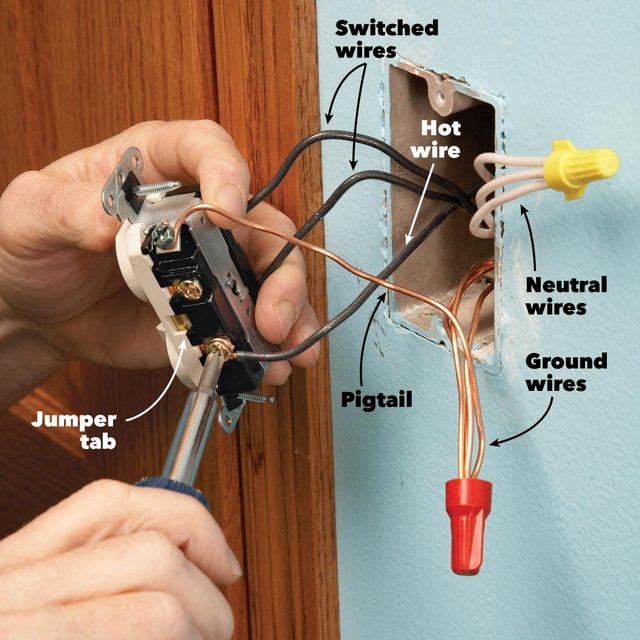
Credit: www.familyhandyman.com
Frequently Asked Questions
How Do I Safely Turn Off Power Before Adding A Switch?
Always switch off the circuit breaker controlling the switch. Use a voltage tester to confirm no current flows. This ensures your safety while working on electrical wiring.
What Tools Are Needed To Install A New Light Switch?
You need a screwdriver, wire stripper, voltage tester, electrical tape, and the new switch. These tools help you install safely and correctly.
Can I Replace A Light Switch Without Professional Help?
Yes, if you follow safety steps and understand wiring basics. Turn off power, identify wires, and connect properly to avoid hazards.
How Do I Identify Wires For A New Switch Installation?
Typically, black wires are hot, white are neutral, and green or bare wires are ground. Use a tester to confirm before connecting.
Conclusion
Adding a new light switch can brighten your home and save energy. Follow the steps carefully and take safety first. Double-check your work before turning the power back on. You will feel proud of this simple upgrade. Now, enjoy the convenience and control of your new switch.
Small changes make a big difference in your space. Keep practicing to improve your DIY skills. Stay safe and take your time with each task.