Are you wondering if the light switch near your sink needs a GFCI? You’re not alone.
Water and electricity don’t mix well, and safety is a top concern in any home. But what exactly does the law say about this? And how can you make sure your setup is both safe and up to code? Keep reading, because understanding this simple detail could protect you and your loved ones from serious electrical hazards.
Let’s clear up the confusion and give you the answers you need.
Gfci Basics
Electricity and water do not mix well. This is why safety near sinks is very important.
A GFCI helps keep you safe from electric shocks. It watches the electric current closely.
What Is A Gfci?
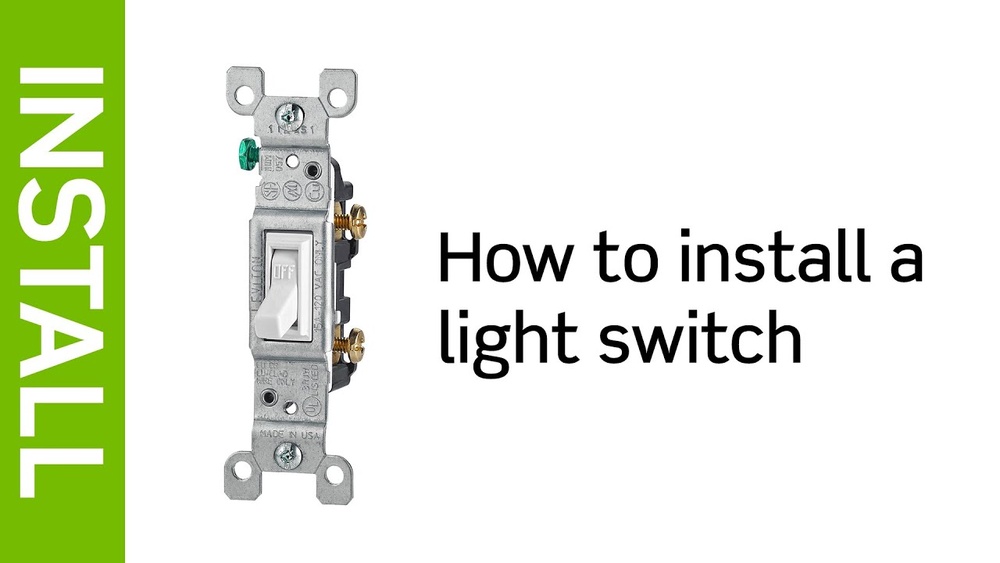
A GFCI is short for Ground Fault Circuit Interrupter. It is a special type of outlet or switch.
This device stops electricity quickly if it senses a problem. It detects tiny changes in current flow.
It is common in places with water, like kitchens and bathrooms.
How Gfci Protects You
A GFCI checks the electricity going through a wire. It compares the current going out and coming back.
If the current changes, the GFCI shuts off power fast. This can happen if electricity leaks to the ground.
This quick action lowers the chance of electric shock. It can save your life or prevent serious injury.
Code Requirements Near Sinks
Electrical safety near water sources is very important. Sinks in kitchens and bathrooms pose a risk of electric shock. Codes exist to reduce this risk. These rules guide the use of Ground Fault Circuit Interrupters (GFCI) near sinks. Understanding these codes helps keep homes safe and compliant.
Light switches near sinks may also need special protection. The codes specify where GFCI protection is required. This section explains the main code requirements near sinks for both bathrooms and kitchens.
Electrical Codes For Bathrooms
Bathroom codes require GFCI outlets near sinks. This includes any outlet within 3 feet of the sink. GFCI protects people from shocks caused by water contact. Switches near sinks must also follow safety rules. Some local codes may require GFCI protection for switches near bathroom sinks. Check local rules to be sure.
Rules For Kitchen Sinks
Kitchens also require GFCI outlets near sinks. All outlets within 6 feet of a kitchen sink need GFCI protection. This helps prevent electric shocks when hands are wet. Light switches near kitchen sinks usually do not need GFCI. Still, some areas may require extra safety measures. Always follow local electrical codes and regulations.
Light Switch Safety Concerns
Light switches near sinks raise important safety questions. Water and electricity do not mix well. This makes any electrical device near water a potential danger. Understanding these concerns helps keep homes safe and prevents accidents.
Risks Near Water Sources
Water can cause electrical shorts and shocks. When a switch is close to a sink, splashes can reach it. Moisture can enter the switch box. This may lead to corrosion or failure. Wet hands touching a switch increase shock risk. Small leaks or spills also pose hazards. These risks demand careful placement and protection of switches.
Common Hazards With Switches
Faulty wiring can cause sparks or fires. Old switches may lack safety features. Loose connections increase chances of electric shock. Dirt and dust buildup inside switches create problems. Using switches with wet hands leads to accidents. Children near switches might play and get shocked. These hazards highlight the need for proper switch installation and maintenance.
When Gfci Is Needed For Switches
Knowing when a GFCI is needed for switches is important for safety. GFCI stands for Ground Fault Circuit Interrupter. It stops electrical shocks by cutting power fast. Switches near water sources may need this extra protection. Understanding the rules helps keep your home safe and up to code.
Switches In Wet Locations
Switches placed in wet or damp places often require GFCI protection. Bathrooms, kitchens, and outdoor areas are common wet locations. Water can cause electrical current to flow where it should not. A GFCI switch detects this and shuts off power quickly. This reduces the risk of electric shock near sinks or showers.
For example, a light switch near a kitchen sink may need GFCI. This is because the switch is close to water and could be touched with wet hands. Safety rules often demand GFCI protection in these spots. It protects both people and appliances from electrical hazards.
Exceptions And Clarifications
Not all switches near sinks require GFCI. Some switches control lighting circuits and do not have direct contact with water. In these cases, GFCI may not be necessary. Local electrical codes and the National Electrical Code (NEC) provide clear guidelines.
Also, switches inside a GFCI-protected circuit may not need their own GFCI. The key is whether the switch can cause or receive electric shock. Consulting a professional electrician can clarify these details. Safety depends on correct installation and following the rules exactly.
Installation Tips
Installing a GFCI near a sink needs care and attention. Safety is the main goal. Following the right steps can stop electric shock and damage.
Choosing The Right Gfci Device
Select a GFCI that fits your space and power needs. Use a wall outlet GFCI for plugs near the sink. For light switches, choose a GFCI switch made for lighting circuits. Check the device’s rating to match your home’s electrical load. Pick a model with a test button for easy safety checks.
Proper Placement Guidelines
Place the GFCI device within six feet of the sink for safety. Avoid installing it in wet or damp spots to keep it working well. Mount the switch or outlet at a height that is easy to reach. Make sure the wiring is correct and secure to prevent faults. Use a cover plate to shield the device from water splashes.
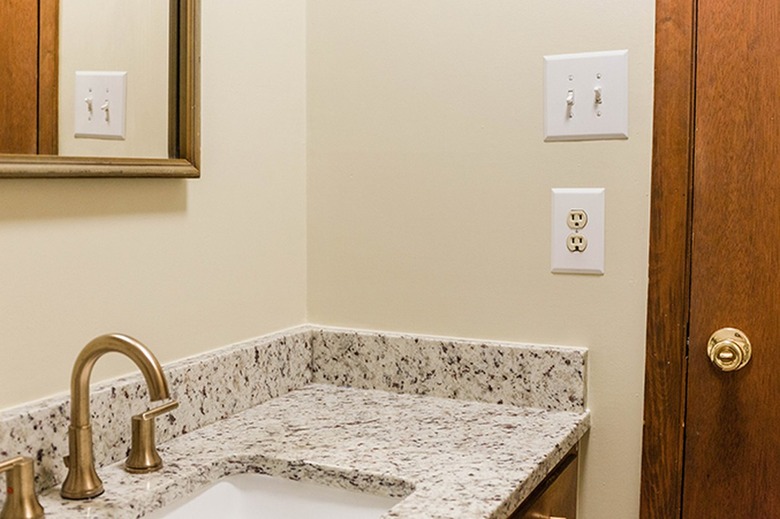
Credit: www.hunker.com
Maintenance And Testing
Maintaining and testing your GFCI near the sink is important for safety. It helps protect against electric shocks. Regular checks ensure the device works properly. Ignoring maintenance can lead to dangerous situations.
How To Test Gfci Functionality
Testing a GFCI is simple and quick. Press the “Test” button on the outlet. This should cut off the power immediately. Press the “Reset” button to restore power. If the power does not cut off, the GFCI may be faulty. Test your GFCI monthly to stay safe.
Signs Of A Faulty Gfci
A GFCI that trips often could be faulty. If it does not reset, it may be broken. Flickering power or no power at all is a warning. Burning smells or sparks near the switch are serious signs. Replace any GFCI showing these problems right away.
Additional Safety Precautions
Taking extra safety steps around sinks helps prevent electrical accidents. Water and electricity do not mix well. Even a small splash can cause trouble. These extra measures make your home safer for everyone.
Using Waterproof Covers
Waterproof covers protect switches from moisture. They stop water from reaching the electrical parts. These covers are easy to install. They fit tightly over the switch and keep it dry. This simple step lowers the risk of shocks and short circuits.
Regular Electrical Inspections
Checking your electrical system often finds problems early. Inspections spot loose wires and damaged switches. A professional can test if the GFCI works properly. Fixing issues quickly keeps your home safe. Schedule inspections every year or two for best results.

Credit: www.youtube.com

Credit: diy.stackexchange.com
Frequently Asked Questions
Does A Light Switch Near Sink Require Gfci Protection?
No, light switches typically do not require GFCI protection. GFCI is mainly for outlets near water sources. Switches are low risk for electrical shock. However, local codes may vary, so always check specific regulations in your area for safety compliance.
Why Is Gfci Important Near Kitchen Sinks?
GFCI prevents electrical shocks by cutting power during ground faults. Kitchen sinks are wet areas, increasing shock risk. Installing GFCI outlets near sinks enhances safety. It protects users from electric hazards caused by water contact with electrical devices.
Can I Install A Gfci Switch Near A Sink?
Yes, GFCI switches exist and can be installed near sinks. They combine switch functions with ground fault protection. This setup offers both control and safety in wet areas. Ensure installation follows local electrical codes and standards for best results.
Are Standard Switches Safe Near Bathroom Sinks?
Standard switches are generally safe if placed away from water splashes. They do not provide ground fault protection like GFCI. For added safety, consider GFCI or use waterproof switch covers. Always follow local building codes for bathroom electrical installations.
Conclusion
A light switch near a sink should have GFCI protection for safety. Water and electricity together can cause shocks. GFCI stops electricity fast during faults. This helps prevent accidents and injuries. Checking local rules about GFCI is important. Always choose safety first in your home.
Simple steps protect your family well. Don’t ignore small details around water areas. Safety matters every time you use switches near sinks.