Have you ever struggled with stubborn foam mounting tape that just won’t come off? You’re not alone.
Removing permanent foam tape can feel like a tough, sticky challenge that damages your surfaces or leaves a mess behind. But what if you could easily get rid of it without stress or hassle? You’ll discover simple, effective methods to remove permanent foam mounting tape quickly and safely.
Keep reading—you’re about to learn tips that will save your time and protect your walls, furniture, or gadgets from unwanted residue.
Credit: shop.catherinepooler.com
Types Of Foam Mounting Tape
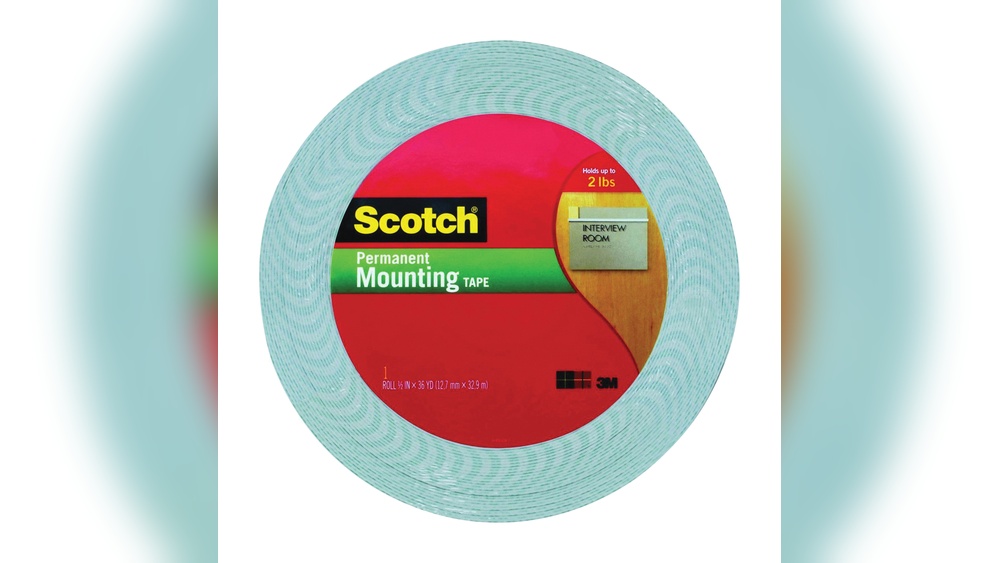
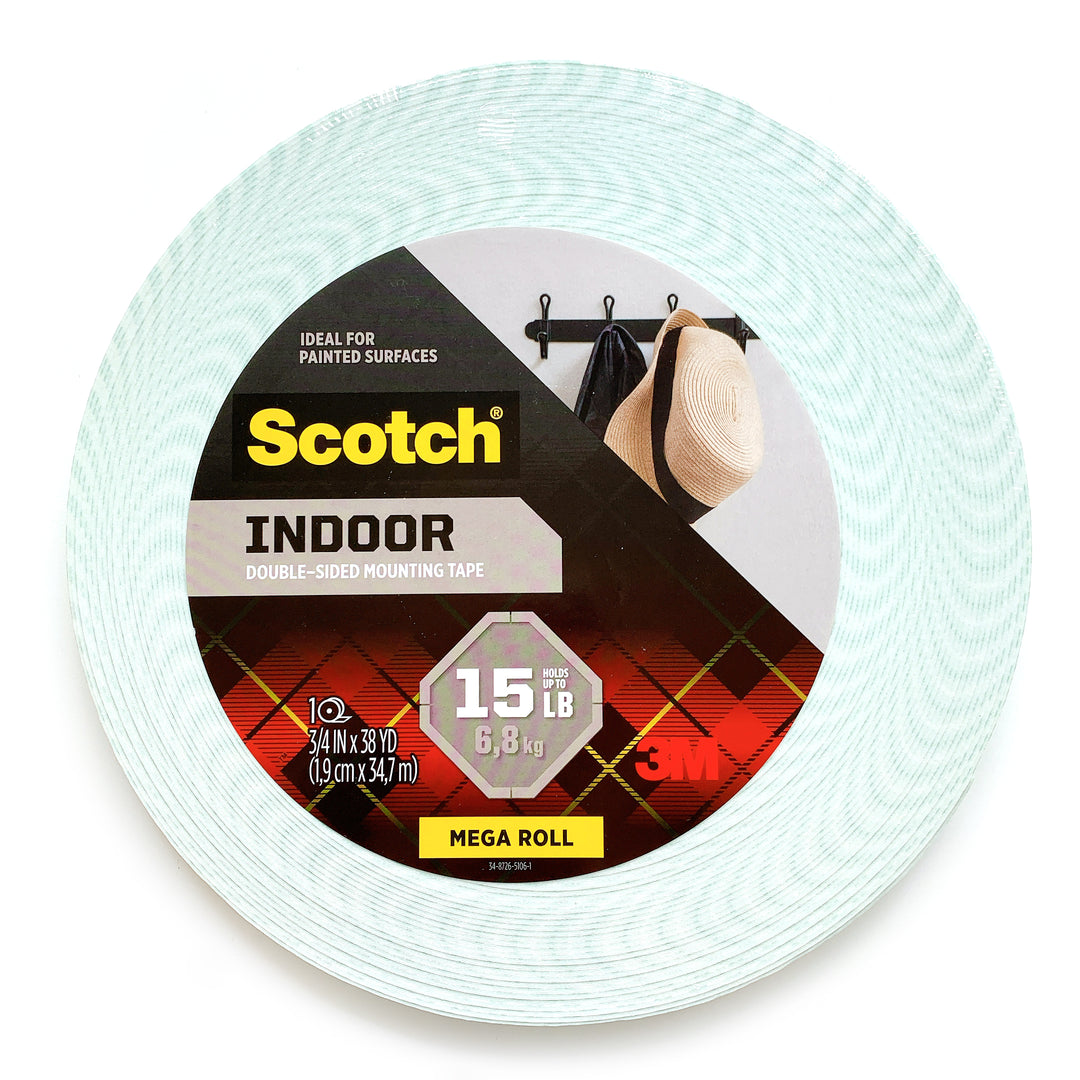
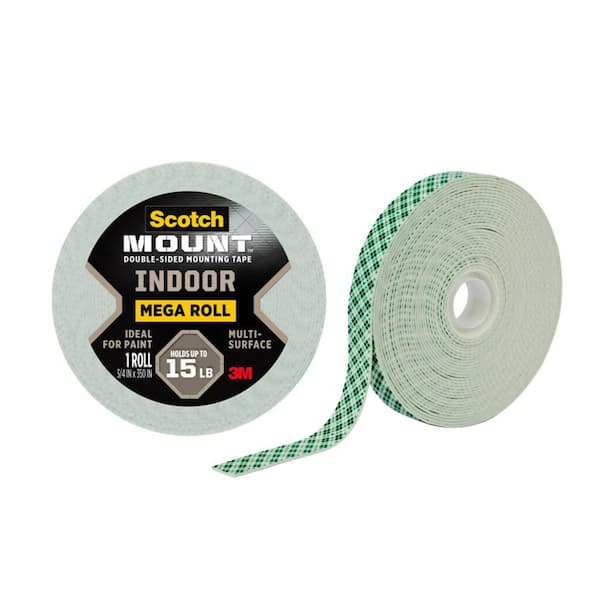
Foam mounting tape is a popular choice for sticking objects firmly. It comes in different types, each made for certain tasks. Understanding the types helps remove it safely and effectively.
Common Materials Used
Most foam tapes use materials like polyethylene or polyurethane foam. These materials provide cushioning and flexibility. The tape often has a plastic or paper liner to protect the sticky side. Some tapes include foam mixed with acrylic or rubber adhesives. This mix affects how the tape grips surfaces and how easy it is to remove.
Adhesive Strength Variations
Foam mounting tapes vary in adhesive strength. Some have light adhesive for temporary holds. Others use strong adhesives for permanent mounting. The stronger the adhesive, the harder it is to remove the tape. Permanent foam tapes can damage surfaces if not removed carefully. Knowing the adhesive strength helps choose the right removal method.
Tools Needed For Removal
Removing permanent foam mounting tape can be tricky. The right tools make the job easier and cleaner. Some tools are common household items. Others are specialized products made for sticky adhesives. Use these tools carefully to avoid damage to surfaces.
Household Items
Many items found at home can help remove foam tape. A hairdryer or heat gun softens the adhesive. Warmth makes the tape easier to peel off. Cooking oil or peanut butter can break down the sticky residue. Use a plastic scraper or old credit card to lift tape edges. Rubbing alcohol or vinegar helps clean leftover glue. Cotton balls or soft cloths work well for applying liquids.
Specialized Products
Special products target tough adhesive removal. Goo Gone or adhesive removers dissolve sticky residue quickly. Use a scraper designed for delicate surfaces to avoid scratches. Commercial heat guns offer controlled heating for better tape removal. Always follow product instructions for safety. Test any product on a small area first. This avoids damage or discoloration on surfaces.
Step-by-step Removal Methods
Removing permanent foam mounting tape can be tricky. The tape sticks very well and leaves residue behind. Follow these step-by-step methods to remove the tape safely and cleanly. Each technique helps loosen the adhesive and makes removal easier.
Heat Application Technique
Use a hairdryer or heat gun on low heat. Warm the tape for about 30 seconds. Heat softens the adhesive and loosens the bond. Test the heat on a small area first to avoid damage. Slowly peel the tape while heating it. Repeat heating if the tape resists removal.
Using Solvents Safely
Choose a gentle solvent like rubbing alcohol or adhesive remover. Apply a small amount on a cloth or cotton ball. Dab the solvent on the tape edges and let it sit for a few minutes. The solvent breaks down the glue. Avoid harsh chemicals on delicate surfaces. Clean the area with soap and water after removal.
Peeling And Scraping Tips
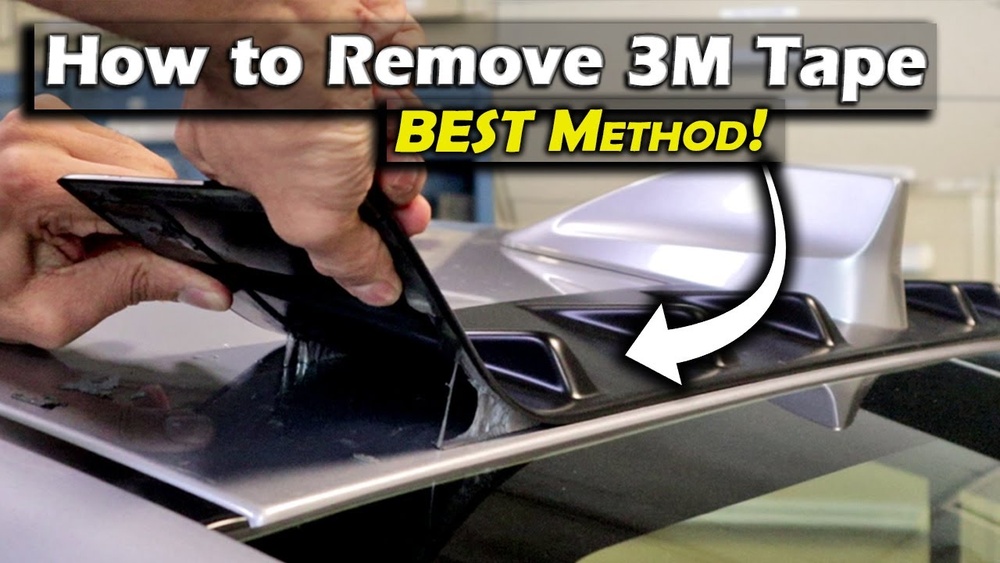
Start peeling the tape at one corner. Pull slowly at a low angle to avoid tearing. Use a plastic scraper or old credit card to lift stubborn parts. Do not use metal tools to avoid scratching. Remove leftover residue by rubbing gently with a cloth. Patience is key for a clean finish.
Avoiding Damage To Surfaces
Removing permanent foam mounting tape can be tricky. The tape sticks strongly and can harm surfaces if not handled carefully. Protecting your walls, furniture, or glass during removal is important. Take steps to avoid scratches, paint peeling, or residue damage. Use gentle methods and test before full removal. This keeps your surfaces safe and clean.
Testing Small Areas
Always try removal on a hidden spot first. Pick a small corner or edge. Apply your chosen method gently. Watch for any damage or color change. This shows how the surface will react. Stop if you see any harm. Testing saves your surface from bigger problems.
Safe Handling Practices
Use tools with soft edges, like plastic scrapers. Avoid metal tools that can scratch. Work slowly and gently. Heat the tape slightly to soften it. Use mild solvents that won’t harm paint or wood. Wear gloves to protect your hands. Clean the area with a soft cloth after removal. These steps keep your surfaces safe and smooth.
Cleaning Residue After Removal
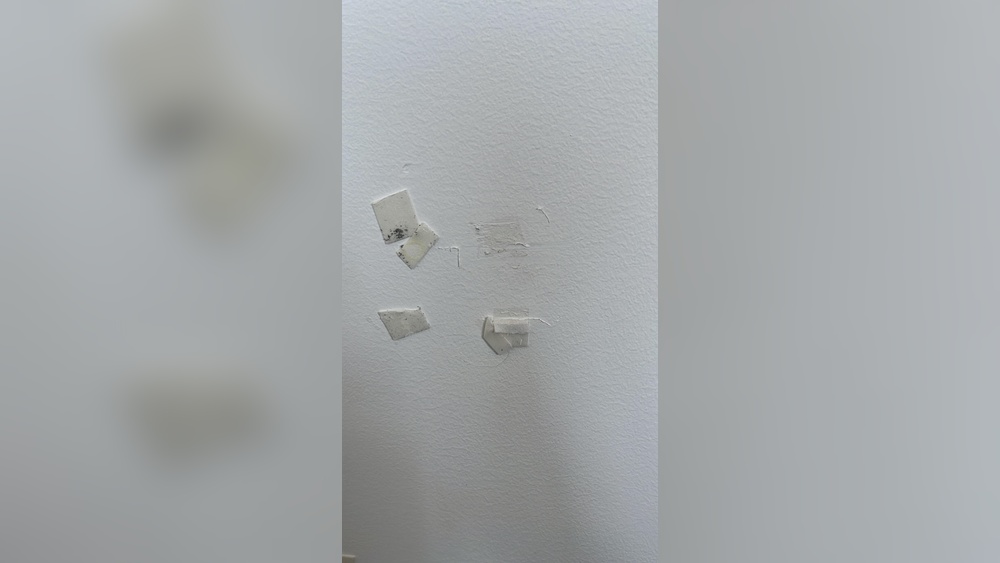
After removing permanent foam mounting tape, sticky residue often remains. This leftover adhesive can attract dirt and dust. Cleaning this residue is important for a clean surface and better appearance. Using the right cleaning methods helps remove residue without damaging the surface. Here are some simple and effective ways to clean off the sticky parts.
Effective Cleaning Agents
Use common household items to clean adhesive residue. Rubbing alcohol works well to dissolve sticky glue. Apply it on a cloth and rub the residue gently. Warm soapy water can also help soften the adhesive. For tougher residue, try a small amount of cooking oil or peanut butter. These oils break down the sticky material. Always test a small hidden area first to avoid damage.
Removing Sticky Residue
Start by scraping off large pieces carefully with a plastic scraper or old credit card. Avoid metal tools that can scratch surfaces. Next, apply your chosen cleaning agent to the sticky spot. Let it sit for a few minutes to loosen the glue. Rub gently with a soft cloth or sponge until the residue lifts. Wipe the area with a clean, damp cloth to remove any leftover cleaning solution.

Credit: www.jamaicahardware.com
Preventing Future Adhesion Issues
Preventing future adhesion issues saves time and effort. Proper steps help avoid problems with permanent foam mounting tape. Careful choices improve the tape’s performance and make removal easier.
Choosing The Right Tape
Select tape that matches the surface type. Some tapes work better on smooth surfaces. Others stick well to rough or porous materials. Check the tape’s strength and intended use. Avoid using heavy-duty tapes on delicate surfaces. This reduces damage and residue. Consider tapes with easy-remove options for temporary needs.
Proper Application Techniques
Clean the surface before applying tape. Dirt and dust reduce adhesion. Press the tape firmly to remove air bubbles. Avoid stretching the tape during application. This can cause it to lift later. Apply tape at room temperature for best results. Follow manufacturer instructions on pressure and timing. These steps help tape stick properly and remove cleanly.
Credit: www.homedepot.com
Frequently Asked Questions
How Can I Remove Permanent Foam Mounting Tape Safely?
Use heat from a hairdryer to soften the adhesive. Gently peel the tape off using your fingers or a plastic scraper. Clean residue with rubbing alcohol or adhesive remover for best results.
What Household Items Help Remove Foam Mounting Tape?
Common items like rubbing alcohol, vinegar, and cooking oil can break down adhesive. Apply the chosen item, let it sit for a few minutes, then peel off the tape carefully.
Is Heat The Best Method To Remove Foam Tape Residue?
Yes, heat softens the adhesive, making removal easier. Use a hairdryer on medium heat and avoid excessive heat to prevent surface damage.
Can Adhesive Removers Damage Surfaces When Removing Foam Tape?
Some removers may harm delicate surfaces. Always test a small hidden area first. Use gentle products like rubbing alcohol for safer cleaning.
Conclusion
Removing permanent foam mounting tape takes patience and care. Use gentle heat or oil to soften the adhesive. Peel slowly to avoid damage to surfaces. Clean leftover sticky residue with rubbing alcohol or soap and water. Always test methods on a small area first.
With the right steps, you can remove tape without hassle. Keep tools handy and work calmly for the best results. Easy and safe removal is possible with simple techniques.