If you’re using non galvanized fasteners outdoors, you already know they can rust and weaken over time. This can cause your projects to fall apart or cost you extra money in repairs.
But what if you could stop that from happening? You’ll discover simple, effective ways to protect your fasteners from the harsh outdoor elements. By the time you finish reading, you’ll have practical tips to keep your fasteners strong and your projects lasting longer.
Ready to save time, money, and frustration? Let’s dive in.
Credit: us.sfs.com
Risks For Non Galvanized Fasteners Outdoors
Non galvanized fasteners face many risks outdoors. These fasteners lack a protective coating. This makes them vulnerable to damage from the environment. Understanding these risks helps to protect and maintain them effectively.
Common Corrosion Issues
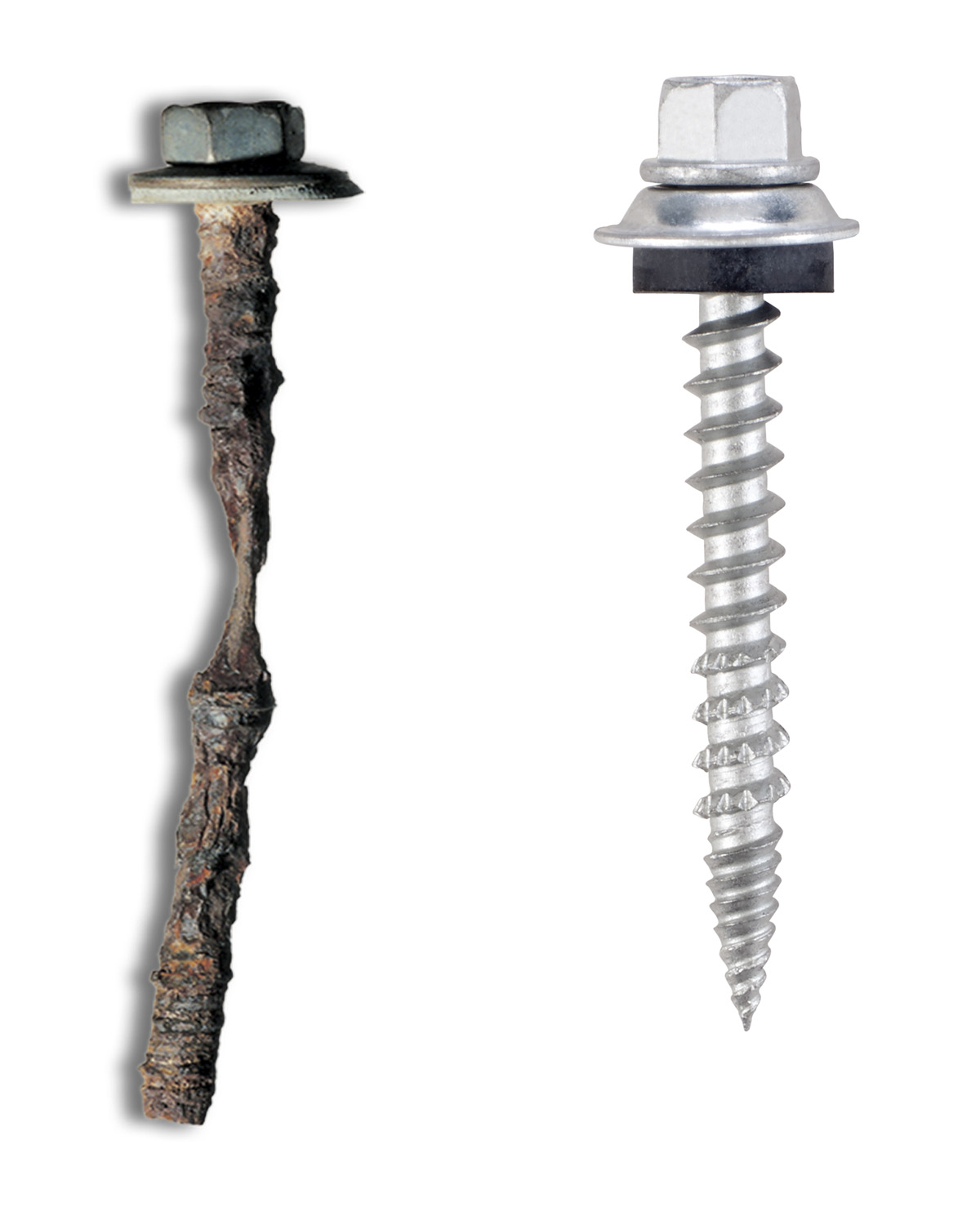
Rust is the most common problem for non galvanized fasteners. Moisture causes metal to oxidize and break down. Rust weakens the fastener’s surface and reduces its lifespan. Corrosion can also cause fasteners to seize or break.
Effects Of Weather Exposure
Sun, rain, and temperature changes harm fasteners. Rain brings water, speeding up rust and corrosion. Heat can cause metal to expand and contract, leading to cracks. Cold weather can make metal brittle and prone to breaking.
Material Weakening Over Time
Non galvanized fasteners lose strength as they age outdoors. Corrosion eats away the metal, causing it to thin. This makes fasteners less able to hold materials securely. Over time, weakened fasteners can fail and cause damage.
Choosing Protective Coatings
Choosing the right protective coating is key to keeping non galvanized fasteners safe outdoors. These fasteners face moisture and air, which cause rust and damage. A good coating forms a strong barrier, stopping rust from forming. It also extends the life of your fasteners and saves money on replacements.
Types Of Rust-resistant Coatings
Rust-resistant coatings come in several types. Paint is a simple option that blocks moisture. It is easy to apply but may need frequent touch-ups. Another type is oil-based coatings. These soak into the metal and protect from water. Wax coatings also work well by creating a water-repellent layer. For heavy-duty use, consider epoxy or polyurethane coatings. These form a tough shell that lasts longer outdoors.
Application Techniques
Applying coatings correctly ensures better protection. Clean the fasteners first by removing dirt and rust. Use a wire brush or sandpaper to prepare the surface. Apply the coating evenly with a brush or spray. Avoid thick layers that can peel off. Let the coating dry fully between coats. Multiple thin layers protect better than one thick coat.
Maintenance And Reapplication
Protective coatings need regular care. Check fasteners for signs of wear or rust. Clean off dirt before it damages the coating. Reapply the coating yearly or after heavy rain. Small chips or cracks should be touched up quickly. Proper maintenance keeps fasteners rust-free for a long time.
Using Sealants And Paints
Using sealants and paints is a reliable way to protect non galvanized fasteners outdoors. These coatings create a barrier against moisture and rust. They extend the life of metal fasteners by reducing corrosion. Applying the right products ensures better protection and durability.
Best Sealants For Metal Fasteners
Choose sealants designed for metal surfaces. Silicone-based sealants are flexible and waterproof. They prevent water from reaching the metal. Polyurethane sealants offer strong adhesion and resist weather damage. These sealants fill small gaps around fasteners. This stops moisture from entering and causing rust.
Paint Options For Added Protection
Paints add another layer of defense against rust. Rust-inhibiting primers prepare metal fasteners for painting. They stop rust from forming beneath the paint. Use oil-based or enamel paints for outdoor use. These paints are tough and resist peeling. Applying multiple coats improves protection and appearance.
Preparation Before Sealing
Clean fasteners thoroughly before applying sealants or paint. Remove dirt, grease, and rust with a wire brush or sandpaper. Wipe the surface with a clean cloth to remove dust. Dry fasteners completely to ensure better adhesion. Proper preparation helps coatings stick and last longer.
Credit: bhamfast.com
Alternative Fastener Materials
Choosing the right fastener material is key for outdoor projects. Non galvanized fasteners can rust and weaken over time. Alternative materials offer better protection and longer life. These options resist corrosion and hold up well in different weather conditions. Understanding these materials helps you pick the best fasteners for your needs.
Stainless Steel Options
Stainless steel fasteners resist rust and corrosion very well. They contain chromium, which forms a thin protective layer. This layer stops moisture from damaging the metal. Stainless steel works great in wet or salty environments. It is strong and lasts much longer than non galvanized steel. Many outdoor builders prefer stainless steel for its durability.
Brass And Other Alloys
Brass fasteners resist corrosion and look attractive. They contain copper and zinc, making them good for decorative projects. Brass works well in dry and mild outdoor conditions. Other alloys, like bronze or aluminum, offer unique benefits too. Bronze is strong and resists saltwater corrosion. Aluminum is lightweight and does not rust. Each alloy suits different outdoor uses.
Pros And Cons Compared To Non Galvanized
Alternative fasteners last longer than non galvanized ones. They resist rust and reduce maintenance needs. Stainless steel offers the best strength and corrosion resistance. Brass and alloys look better but can be softer or cost more. Non galvanized fasteners cost less upfront but fail faster outside. Choosing the right material depends on your budget and project needs.
Installation Tips For Longevity
Protecting non galvanized fasteners outdoors starts with smart installation. Proper steps during installation can greatly extend their life. These tips focus on placement, water control, and inspection. Each step helps reduce rust and damage over time.
Proper Fastener Placement
Place fasteners where they stay dry and secure. Avoid spots where water collects easily. Use the right size and type of fastener for your material. Drive fasteners straight to prevent stress and damage. Tighten them just enough to hold firmly.
Avoiding Water Traps
Water causes rust and weakens fasteners fast. Design your project to keep water away from fastener heads. Use sloped surfaces or gaps to help water drain off. Seal edges around fasteners with waterproof material. Keep fasteners out of direct contact with wet wood or soil.
Regular Inspection Practices
Check fasteners often for signs of rust or loosening. Look under and around fasteners during rainy seasons. Replace any fasteners that show rust or damage quickly. Tighten loose fasteners to keep the structure safe. Clean fastener areas to remove dirt and debris.

Credit: www.amazon.com
Environmental Considerations
Non galvanized fasteners face many challenges outdoors. The environment plays a big role in how fasteners wear out. Knowing these factors helps protect them better. Weather, air quality, and location all affect metal fasteners. Careful attention to these details can extend their life.
Impact Of Salt And Humidity
Salt speeds up rust on metal fasteners. Humid air keeps surfaces wet longer. Together, salt and moisture cause fasteners to corrode quickly. This is especially true in areas near oceans. Rust weakens fasteners and may cause failure. Regular checks and cleaning reduce damage.
Protecting Fasteners In Coastal Areas
Coastal areas have salty air and strong winds. These conditions damage non galvanized fasteners faster. Use protective coatings like paint or sealants. Keep fasteners dry when possible. Replace rusty fasteners promptly to avoid bigger problems. Choose rust-resistant materials if replacement is needed.
Seasonal Care Strategies
Seasons bring different challenges for fasteners. Rain in spring causes moisture buildup. Summer heat can cause metal to expand. Cold winter weather may lead to cracking. Inspect fasteners each season to catch issues early. Clean and treat fasteners to keep them strong year-round.
Frequently Asked Questions
How Can I Prevent Rust On Non Galvanized Fasteners?
Apply a protective coating like rust-inhibiting primer or paint. Use sealants or oil-based sprays to block moisture and air.
Are There Specific Coatings For Outdoor Fasteners?
Yes, epoxy, polyurethane, and zinc-rich primers work well. These coatings create a durable barrier against corrosion outdoors.
Can I Use Rust Converters On Non Galvanized Fasteners?
Rust converters chemically transform rust into a stable surface. They are useful for treating existing rust before applying protective coatings.
How Often Should I Maintain Non Galvanized Fasteners Outdoors?
Inspect fasteners every 6-12 months. Reapply protective coatings or oils as needed to ensure ongoing corrosion resistance.
Conclusion
Protecting non galvanized fasteners outdoors takes care and attention. Use coatings like paint or sealants to stop rust. Keep fasteners dry and clean for longer life. Regular checks help spot damage early. Choose the right fastener for your project’s needs.
These steps save money and keep structures strong. Small efforts today prevent big problems tomorrow. Simple care makes fasteners last in any weather.