Planning to install hidden fasteners for your decking but not sure how many you actually need? You’re not alone.
Getting the right number of fasteners is crucial—not just to keep your deck sturdy and safe, but also to avoid wasting money or running out midway through the project. You’ll discover simple ways to calculate exactly how many hidden fasteners your deck requires.
Whether you’re a DIY enthusiast or hiring a pro, knowing this key detail upfront will save you time, stress, and extra trips to the store. Keep reading and learn how to get your decking project done right the first time.
Types Of Hidden Fasteners
Hidden fasteners keep decks looking clean and smooth. They attach decking boards without visible screws or nails. Different types of hidden fasteners fit various decking materials and styles. Knowing the types helps choose the right fastener and amount for your project.
Clips Vs Screws
Clips snap into place between decking boards. They hold boards firmly while hiding the fastener. Screws go into the side of the boards and joists. These screws are designed to stay hidden but provide strong hold. Clips are faster to install. Screws give more grip in tough conditions.
Material Compatibility
Some fasteners work best with wood decking. Others fit composite or PVC boards perfectly. Metal clips resist rust and last long outdoors. Screws come in stainless steel or coated options to prevent corrosion. Check your decking type to match fastener material. This prevents damage and ensures a firm hold.
Popular Brands
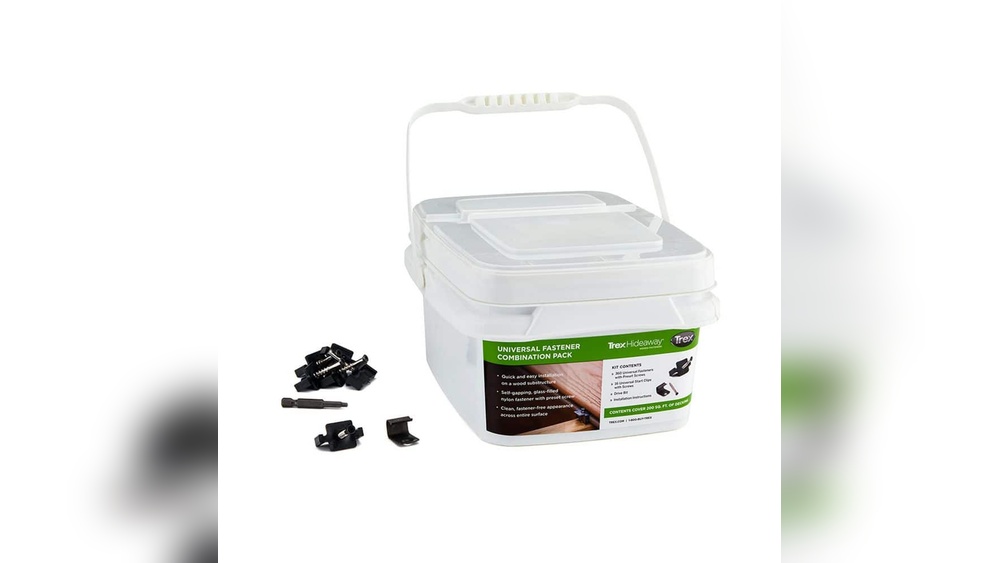
CAMO is a well-known brand for hidden deck fasteners. Their clips and screws fit many decking types. TREX offers hidden fasteners designed for their composite boards. DeckWise also makes reliable fasteners for wood and composite decks. These brands provide guides to estimate how many fasteners you need.
Calculating Fastener Quantity
Calculating the right number of hidden fasteners is essential for a strong deck. Too few fasteners can weaken the structure. Too many can waste money and time. Knowing how to calculate fasteners helps you plan better and buy the right amount.
Start by measuring your deck and understanding your materials. Use tools and formulas to find the exact number. This saves effort and keeps your deck safe.
Measuring Deck Area
Measure the length and width of your deck in feet. Multiply these two numbers to get the total deck area in square feet. For example, a 12-foot by 10-foot deck equals 120 square feet. This number is the base for calculating fasteners.
Board Width And Joist Spacing
Know the width of each deck board. Common widths are 5.5 or 6 inches. Also, find out the distance between joists. Joists usually space 16 or 24 inches apart. These numbers affect how many fasteners you need per board and per joist.
Using Fastener Calculators
Many websites offer free fastener calculators. Enter your deck area, board width, and joist spacing. The calculator gives the total number of hidden fasteners needed. This method is quick and reduces guesswork. It helps ensure you buy the right amount without errors.
Installation Frequency
Installation frequency plays a key role in the durability of your deck. The number of hidden fasteners affects how secure and stable your deck boards will be. Proper installation prevents boards from warping or lifting. It also ensures a clean, smooth deck surface. Knowing the right amount of fasteners to use helps you avoid overusing or underusing them. Let’s break down the details about fasteners per joist, spacing, and adjustments for deck size.
Fasteners Per Joist
Typically, two hidden fasteners are needed per joist for each deck board. This holds the board firmly in place on both sides. Using two fasteners reduces movement and squeaking. Some fastener systems may recommend one or more per joist, but two is standard. Check the manufacturer’s instructions for best results. Proper fastening at each joist is critical for long-lasting stability.
Spacing Recommendations
Spacing between fasteners depends on the decking material and board width. Most composite decks require fasteners every 12 to 16 inches along the joist. This spacing balances strength and efficiency. Too few fasteners can cause boards to flex or lift. Too many fasteners add unnecessary cost and installation time. Follow the product guidelines for recommended spacing to ensure a secure deck.
Adjustments For Deck Size
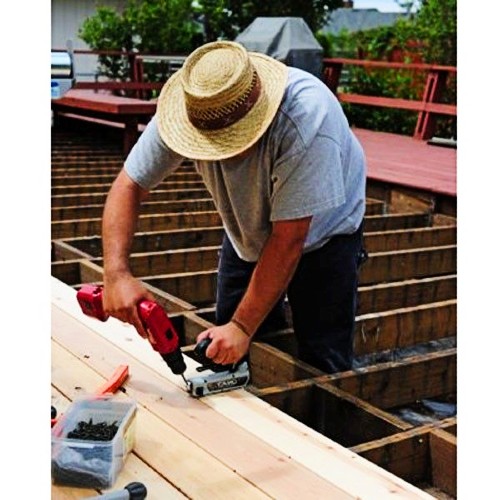
The total number of fasteners increases with the deck size. Larger decks need more fasteners for full coverage. Calculate the number of joists and multiply by fasteners per joist. Also, consider the deck board length and width for accurate estimates. For irregular deck shapes, measure carefully to avoid shortages. Planning fastener quantity ahead saves time and prevents delays during installation.
Credit: www.decksdirect.com
Factors Influencing Fastener Needs
Choosing the right number of hidden fasteners is not simple. Several factors affect how many fasteners you need. These factors help ensure your deck stays strong and looks great for years. Understanding these elements saves money and time on your project.
Deck Material Type
The kind of material you use changes the fastener amount. Wood, composite, and PVC decking all need different fastener spacing. Wood is softer and may need more fasteners to avoid warping. Composite boards are stronger but require specific fasteners for proper hold. PVC decks need special fasteners made for plastic materials. Knowing your deck material helps pick the right fastener type and number.
Environmental Conditions
Where you build your deck affects fastener needs. Areas with high moisture or heavy rain require more fasteners to keep boards tight. Hot and dry climates can cause boards to expand and contract, needing extra support. Coastal locations with salt air need corrosion-resistant fasteners and possibly more quantity. Consider local weather and environment when planning fastener use.
Deck Design And Layout
The design of your deck also impacts fastener count. Larger decks with wider boards often need more fasteners for stability. Complex layouts with curves or angles may require additional fasteners at joints and corners. Decks with heavy furniture or frequent foot traffic need extra fastening for safety. Plan your deck design carefully to estimate fastener needs accurately.
Advantages Of Hidden Fasteners
Hidden fasteners provide many benefits beyond just securing deck boards. They improve the look, increase safety, and make upkeep easier. These advantages make hidden fasteners a popular choice for many decking projects. Knowing these can help you decide how many hidden fasteners you need for your deck.
Aesthetic Benefits
Hidden fasteners keep deck surfaces smooth and clean. No visible screws or nails interrupt the wood’s natural beauty. This creates a sleek, modern look that many homeowners desire. The uniform appearance also adds value to your outdoor space. With hidden fasteners, your deck looks neat and stylish.
Safety And Durability
Without exposed fasteners, decks have fewer tripping hazards. This makes them safer for children and guests. Hidden fasteners hold boards tightly in place, reducing movement. This stability helps prevent wood from cracking or warping. They also protect fasteners from weather damage, extending the deck’s life.
Maintenance Considerations
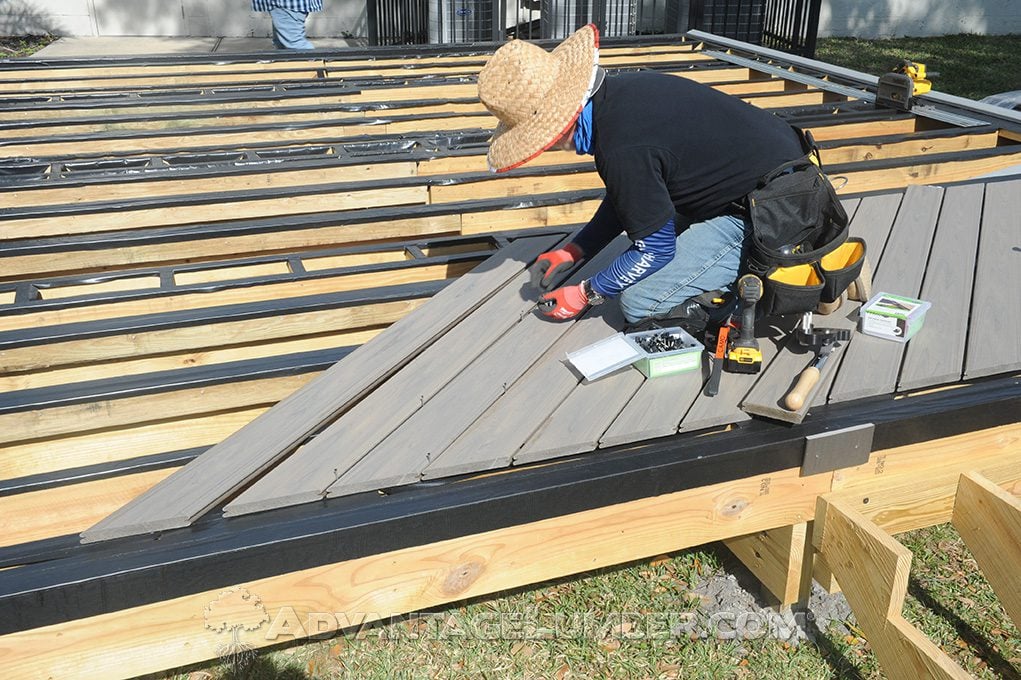
Hidden fasteners reduce the chance of wood splinters forming near screw heads. This lowers the need for frequent sanding or repairs. Cleaning is simpler because the surface is even and free of gaps. Replacing boards is easier too, as hidden fasteners allow for quick removal. Overall, maintenance becomes less time-consuming and less costly.
Credit: blog.advantagelumber.com
Common Installation Mistakes
Installing hidden fasteners can improve your deck’s look and durability. Many people make mistakes during installation. These errors reduce the strength and appearance of the deck. Avoiding common mistakes helps you use the right number of fasteners. Proper installation saves time and money.
Overusing Fasteners
Using too many fasteners wastes materials and time. It can cause wood splitting or damage. Overuse does not make your deck stronger. Follow guidelines to use only what is needed. Less is often more with hidden fasteners.
Incorrect Placement
Placing fasteners in the wrong spots weakens the deck. Fasteners must align with joists and board edges. Wrong placement leads to loose boards or gaps. Measure carefully and mark before drilling. Correct placement ensures stability and a clean look.
Ignoring Manufacturer Guidelines
Every fastener type has specific rules for use. Ignoring these can cause installation failure. Read instructions for spacing, type, and tools. Manufacturer guidelines protect your deck and fastener warranty. Follow them strictly for best results.
Tools And Tips For Installation
Installing hidden fasteners requires the right tools and clear steps. Proper preparation helps achieve a clean, durable deck surface. This section covers essential tools and easy installation tips. It also addresses common problems and fixes.
Recommended Tools
- Drill with a clutch setting for controlled screwing
- Socket wrench or driver bit matching fastener heads
- Measuring tape for precise spacing
- Chalk line to mark straight fastening lines
- Rubber mallet to gently tap boards into place
- Safety glasses and gloves for protection
- Level to check board alignment
Step-by-step Installation Tips
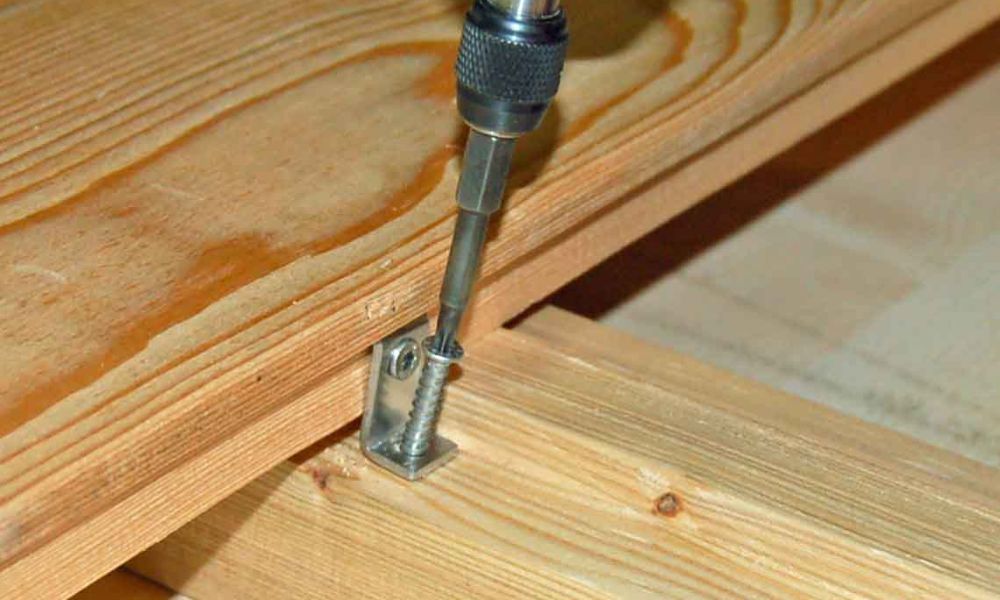
Start by measuring and marking joist locations clearly. Place the first board carefully, ensuring it is square to the frame. Attach hidden fasteners at every joist for strong hold. Use the drill at low torque to avoid overdriving screws. Tap boards lightly with a mallet to close gaps. Check alignment frequently and adjust as needed. Leave a small expansion gap at edges for wood movement. Work methodically across the deck, keeping fasteners consistent.
Troubleshooting Common Issues
Boards not fitting tightly? Check for debris between boards and joists. Misaligned boards? Use a level and adjust fasteners or reposition boards. Screws stripping? Reduce drill torque and use the correct driver bit. Fasteners breaking? Ensure you use the right size and type for your decking material. Gaps appearing later? Confirm you left proper expansion space during installation. Address issues early to maintain deck strength and appearance.
Credit: knappconnectors.com
Frequently Asked Questions
What Is The 3 4 5 Rule For Decks?
The 3-4-5 rule helps square decks by measuring sides: 3 feet, 4 feet, and diagonal 5 feet. Adjust framing until these match.
How Many Concealoc Fasteners Do I Need?
Calculate your deck’s square footage, then use a fastener calculator. Typically, install one Concealoc fastener per joist for each board.
Do Trex Hidden Fasteners Go On Every Joist?
Trex hidden fasteners attach to every joist along the deck board’s length. Install one fastener at each joist for secure decking.
Are Hidden Deck Fasteners Worth It?
Hidden deck fasteners provide a clean, smooth deck surface and improve aesthetics. They also reduce nail pops and increase deck durability. Many builders prefer them for a sleek, professional finish.
Conclusion
Choosing the right number of hidden fasteners ensures a strong, neat deck. Count your deck boards and joists carefully to estimate fastener needs. Use online calculators for accurate results and less guesswork. Proper spacing keeps your decking secure and visually clean.
Taking time to plan fastener quantity saves effort later. A well-fastened deck lasts longer and looks better. Simple steps lead to a successful decking project.